0%

Choosing the right Plant Extract supplier is not a paperwork exercise. It is a decision about identity, consistency, and whether each batch can be traced back to its source. Grand View Research valued the global botanical extracts market at approximately USD 6.7 billion in 2023 and projected continued growth through 2030. The World Health Organization’s 2019 global report also found that 170 of its 194 Member States reported using traditional and complementary medicine. These figures signal broad demand, not guaranteed quality.

Mark Blumenthal, founder and executive director of the American Botanical Council, has said, “Herbal medicine is the medicine of the people.” For buyers, that principle makes supplier diligence consequential. Ask how the supplier authenticates botanical species and plant parts. Request batch-specific certificates of analysis, and check whether testing covers identity, active constituents, and relevant contaminants. A certificate alone is not proof; methods, laboratory competence, and traceable records matter. Look for clear origin details, harvest controls, and documented extraction conditions. Small details count. A label naming a plant is less useful if the supplier cannot explain the extract ratio or solvent used.

A site audit or a detailed quality questionnaire can reveal gaps that a sales brochure will not. Speak with the technical team, not only the salesperson. Compare retained samples across batches when possible. No supplier is flawless, and a polished document can still leave questions unanswered. That is worth admitting. Set specifications before requesting quotations, then evaluate service, lead times, and change-control practices alongside price. The right partner should answer difficult questions plainly, share evidence, and tell you when a claim cannot be verified. Begin there.
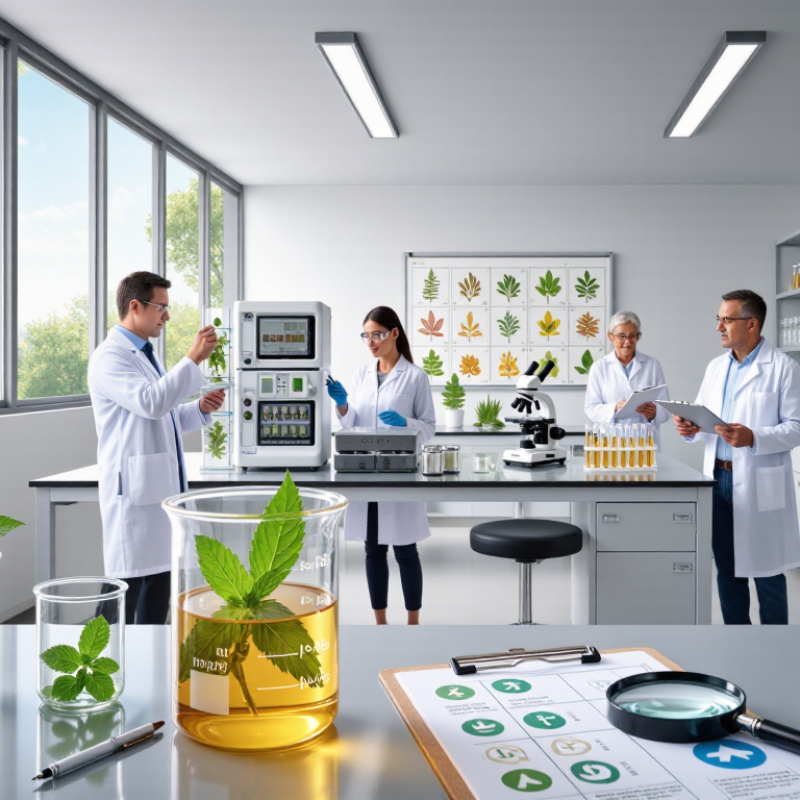
How to Choose the Right Plant Extract Supplier?

Define Your Product Requirements and Extract Specifications

Before comparing plant extract suppliers, write down what the finished product must do. Identify the botanical’s accepted scientific name, plant part, and intended use. “Root extract” is not specific enough. Note whether you need a powder or liquid, and list any limits on color, taste, odor, or solubility. These details affect both supplier capability and your product’s performance.

Set measurable extract specifications. Define the extraction method or permitted solvents, extract ratio, carrier ingredients, and target marker compounds where relevant. Include limits for moisture, microbes, heavy metals, pesticides, and residual solvents, with suitable test methods. Ask which documents accompany each batch, such as a certificate of analysis and traceability records. Be precise, but stay practical. A test result is only useful when its method and sample match the question you are asking.

Consider how the extract will behave in your actual formula. A powder may clump in a cold drink; a deeply colored extract may change a pale cream. Request representative samples and evaluate them under realistic processing and storage conditions. Still, a tidy specification is not proof of a good fit. Some desired traits may conflict, or require costly testing. Record those trade-offs, then ask suppliers to explain what they can verify consistently and what remains uncertain.

Check the Supplier’s Botanical Sourcing and Qualifications

Before comparing prices, check what the supplier can prove about each plant. Kew’s 2017 State of the World’s Plants report recorded 28,187 plant species with medicinal uses. That figure describes recorded use, not proven clinical benefit. Ask for the accepted botanical name, plant part, country and region of origin, and whether it was cultivated or wild-harvested. A sack labeled only “ginseng root” leaves too much unclear. Request batch-level traceability, harvest dates, extraction details, and a certificate of analysis linked to the lot. The test method matters; DNA testing may be less useful after heavy processing.

Qualifications should match the work being done. Review current quality-management certificates, audit scope, and records for identity, contaminants, and residual solvents. Check whether testing is performed by a qualified independent laboratory, and ask how failed batches are handled. Kew’s 2016 State of the World’s Plants report estimated that one in five plant species was threatened with extinction. That is a reason to ask about harvest controls and sourcing plans, especially for wild-collected material. Paperwork can look tidy. It does not replace a facility audit or clear answers from the people handling the material. A supplier’s hesitation is worth noting, though it is not proof of poor practice.

Assess Extraction Methods and Quality Control Standards

A plant extract is only as dependable as its process record. Ask suppliers to disclose the plant part, extraction solvent, temperature, extraction ratio, and concentration steps. These details affect the chemical profile; “standardized” alone says little. The World Health Organization’s Quality Control Methods for Herbal Materials (2011) outlines identity, purity, and contaminant checks. Request batch-specific results, not just a sample certificate.

Check methods against the risks. HPTLC or HPLC can support identity and marker-compound testing; ICP-MS can measure elemental contaminants, while GC can assess residual solvents. Microbial testing matters too. Ask whether laboratories are ISO/IEC 17025 accredited for the specific tests, and whether results include limits, units, and detection thresholds. Small details count. A neat certificate can still leave gaps.

Scale raises the stakes. The American Botanical Council’s HerbalGram 2022 U.S. Herbal Supplement Market Report recorded $12.75 billion in sales, a 4.4% increase from 2021. That figure is not a quality measure, but it signals a large supply chain where traceability matters. Request the botanical name, country of origin, lot number, and change-control records. Then compare a retained sample with the certificate. I would still question a perfect-looking file: real production varies, and unexplained uniformity deserves follow-up.

Review Safety Records and Regulatory Documentation

When evaluating a plant extract supplier, ask for its safety history, not just a polished product sheet. The European Commission’s RASFF Annual Report 2023 recorded 4,683 notifications involving food and feed risks. That figure is not specific to botanical extracts, but it shows why traceability matters. Ask whether the supplier can link each lot to its source, processing site, and test results.

Review the supplier’s quality records alongside its regulatory documents. Request recent audit findings, corrective-action records, recall history, and a lot-specific certificate of analysis. Check that the certificate names the actual extract, batch number, test methods, and laboratory. For dietary supplement ingredients sold in the United States, ask how the supplier meets applicable FDA current good manufacturing practice requirements. Verify audit scope and dates; a certificate alone can leave gaps.

Look for identity testing and risk-based checks for heavy metals, pesticides, microbes, and residual solvents, where relevant. Compare results against your own specifications rather than accepting “pass” without limits or methods. A tidy spreadsheet can still hide an incomplete record. Ask how deviations were investigated, and whether the same issue appeared in other lots. I would pause if answers rely on reassurance instead of dated evidence. That pause is useful.

How to Choose the Right Plant Extract Supplier: Review Safety Records and Regulatory Documentation

Use this buyer-side checklist to prioritize document reviews. Scores are illustrative review priorities, not regulatory ratings; requirements vary by product and market.

Review current specifications and certificates of analysis, identity and contaminant testing, applicable quality-system records, batch traceability, and change-control documentation. For U.S. dietary supplements, consult applicable requirements in 21 CFR Part 111, including sections 111.75 and 111.95, and confirm which obligations apply to your role and product.

Compare Pricing, Lead Times, and Ongoing Support

How to Choose the Right Plant Extract Supplier?

Compare the full delivered cost, not just the quoted price per kilogram. Ask whether testing, packaging, freight, and minimum order quantities are included. A cheaper extract may cost more if its active-compound level varies between batches. Confirm specifications, test methods, and what happens when a batch falls outside limits. Small details matter. Measure lead time from purchase order to quality release, not merely shipment. Ask for typical and delayed timelines, then check whether the supplier can provide clear updates when raw materials or testing slow an order.

The American Botanical Council’s HerbalGram report estimated U.S. herbal supplement sales at $12.6 billion in 2023. That market context makes dependable sourcing worth scrutiny, though it does not guarantee any supplier’s performance. McKinsey’s 2020 supply-chain survey found that 93% of respondents planned to make their supply chains more resilient. For an extract buyer, resilience can mean documented traceability, advance notice of specification changes, and a reachable technical contact. A polished quotation is useful, but it cannot show how a supplier handles a delayed test result. I would challenge my own first impression and ask for evidence from recent orders.

Tips: Request a sample lot, a current specification sheet, and a written lead-time estimate. Ask who investigates deviations and how quickly they respond. Compare the cost per usable active compound, not simply per kilogram. If an answer is vague, record that uncertainty before committing.

FAQS

What details should I define before comparing extract suppliers?

Specify the botanical’s scientific name, plant part, and intended use. State whether you need powder or liquid. Note limits for color, taste, odor, and solubility.

Which extract specifications should I request?

Define the extraction method, permitted solvents, extract ratio, and carrier ingredients. Set relevant marker-compound targets and limits for moisture, microbes, contaminants, and residual solvents. Name suitable test methods.

How can I tell whether an extract suits my formula?

Request representative samples and test them under realistic processing and storage conditions. Check details such as clumping in a cold drink or color changes in a pale cream. Small tests help.

What information should suppliers provide about their extraction process?

Ask for the plant part, solvent, temperature, extraction ratio, and concentration steps. These can affect the extract’s chemical profile. “Standardized” alone is not enough.

Which laboratory tests can support quality checks?

HPTLC or HPLC can help assess identity and marker compounds. ICP-MS can measure elemental contaminants, while GC can assess residual solvents. Ask for methods, units, limits, and detection thresholds.

What records should accompany each batch?

Request a batch-specific certificate of analysis, traceability records, botanical name, country of origin, and lot number. Compare a retained sample with its certificate. A neat file can still have gaps.

What safety and quality records should I review?

Ask for recent audit findings, corrective-action records, recall history, and lot-specific test results. Check the extract name, batch number, methods, and laboratory. Dates matter.

How should I assess supplier explanations and uncertainties?

Ask how deviations were investigated and whether issues appeared in other lots. Verify claims with dated evidence, not reassurance alone. I might still over-check, but unexplained consistency deserves questions.

Conclusion

Choosing the right Plant Extract supplier begins with a clear understanding of your product requirements, including the desired botanical species, plant part, extract ratio, active compounds, and intended application. With these specifications in place, you can evaluate whether a supplier’s sourcing practices are transparent and whether its botanical materials are supported by appropriate qualifications and traceability.

Next, review the extraction methods and quality controls used to ensure consistency, purity, and reliable composition. Ask for relevant safety records and regulatory documentation, and confirm that the supplier can provide clear, current information for the markets and applications you serve. Finally, compare pricing alongside lead times, minimum order quantities, communication, and ongoing technical support. A dependable supplier should offer more than a competitive quote: it should demonstrate consistent quality, responsive service, and the ability to support your needs as they change.

Ethan Caldwell

Ethan Caldwell

Ethan Caldwell is a marketing professional who combines a deep understanding of the company’s products with a clear, practical approach to communication. He regularly contributes expert articles to the company website, helping readers understand product features, applications, and the......
Contact Us