SirnBIO-TECH Talk to Us
Search by product name, Latin name or CAS number.
Engineered for RTD beverage manufacturers, dietary supplement brands, and functional food innovators seeking crystal-clear solubility, standardized theaflavins, stable bulk density, and zero chemical residue.
Manufactured from selected fermented Camellia sinensis leaves utilizing precision countercurrent water extraction, secondary membrane de-creaming, and high-vacuum spray drying.
Specifically engineered for ready-to-drink (RTD) iced tea, kombucha bases, and instant powdered stick packs. Through gentle enzymatic treatment and nanofiltration, the cold-water complexation between polyphenols and caffeine is prevented, eliminating the notorious "tea cream" haze.
Optimized for hard-shell capsules, antioxidant tablets, cardiovascular dietary supplements, and metabolic wellness complexes. This extract standardizes functional biological pigments including theaflavin (TF1), theaflavin-3-gallate (TF2a), theaflavin-3'-gallate (TF2b), and theaflavin-3,3'-digallate (TF3).
The following specifications represent standard production lots manufactured at our GMP workshop in Xi'an. Full batch documentation is released with each shipment.
| Test Parameter | Standard Beverage Grade (BT-CW01) | Standard Supplement Grade (BT-TP40) | Test Methodology |
|---|---|---|---|
| Botanical Identity | Camellia sinensis (100% Pure Extract) | Camellia sinensis (100% Pure Extract) | TLC / Botanical Microscopic |
| Appearance & Color | Fine reddish-brown free-flowing powder | Dark brown to amber fine powder | Organoleptic Inspection |
| Total Tea Polyphenols | ≥ 25.0% - 32.0% | ≥ 40.0% - 50.0% | UV-Vis (Folin-Ciocalteu) |
| Theaflavins (TFs) | ≥ 2.5% | ≥ 8.0% - 12.0% | HPLC Standardized |
| Caffeine Content | 5.0% - 8.0% (Customizable) | ≤ 1.0% (Decaf) or 6.0% - 9.0% | HPLC |
| Moisture Content | ≤ 5.0% | ≤ 5.0% | USP <731> (105°C / 2h) |
| Ash Content | ≤ 6.5% | ≤ 6.0% | USP <281> |
| Bulk Density | 0.38 g/mL – 0.52 g/mL | 0.45 g/mL – 0.60 g/mL | USP <616> Tapped Density |
| Cold-Water Transmittance | ≥ 98.0% (4°C, 0.4% solution) | N/A (Designed for solid dosing) | Spectrophotometer @ 680 nm |
| Heavy Metals (Pb, As, Cd, Hg) | Pb < 2.0 ppm, As < 1.0 ppm, Cd < 1.0 ppm | Pb < 1.5 ppm, As < 0.5 ppm, Cd < 0.5 ppm | ICP-MS (EU Standard Compliant) |
| Total Aerobic Plate Count | ≤ 1,000 CFU/g | ≤ 1,000 CFU/g | USP <2021> |
| Yeast and Molds | ≤ 100 CFU/g | ≤ 100 CFU/g | USP <2021> |
Global B2B demand for Instant Black Tea Extract Powder is shifting rapidly from price-per-kilogram commoditization toward functional purity, clear dissolution physics, and strict clean-label compliance.
Ready-to-drink tea brands across North America and Europe are discontinuing the use of artificial stabilizers, chemical solubilizers (such as propylene glycol or synthetic emulsifiers), and artificial caramel colors. Corporate procurement leads now mandate 100% natural, water-extracted black tea solids that maintain limpidity and vivid reddish tones without haze formation at refrigerated temperatures (4°C) for over 180 days of commercial shelf life.
Nutraceutical formulators are heavily targeting the biological synergies of theaflavins and thearubigins. Clinical research on gut microbiome modulation, AMPK activation, and postprandial glycemic moderation has turned instant black tea powder into an active functional ingredient for blood lipid regulation, metabolic syndrome protocols, and appetite wellness formulations rather than merely a flavoring base.
Traditional ethyl acetate or methylene chloride decaffeination solvents are facing regulatory crackdowns and consumer rejection. The market is aggressively adopting macroporous adsorption resin and supercritical fluid technologies that remove caffeine while retaining over 90% of native theaflavins, polyphenols, and tea catechins, facilitating premium functional evening beverage blends.
The global supply chain faces intense testing scrutiny concerning pesticide residues (e.g., anthraquinone, chlorpyrifos, dinotefuran) and trace heavy metals. Leading international importers demand documented agricultural trace records and raw leaf selection from high-altitude tea gardens with verified non-chemical cultivation, followed by full 500+ multi-residue GC-MS/MS validation.
In automated sachet packaging and capsule filling, powder dusting and poor bulk density cause weight deviations and machine line downtime. Future procurement contracts prioritize agglomerated or fluid-bed granulated instant black tea powders that pour freely, minimize hygroscopic clump formation, and mix instantaneously without dynamic mechanical shear.
How engineering innovations over the last two decades have transformed thermal degraded brown powders into high-potency, aroma-preserved bioactive botanicals.
When concentrated black tea liquor cools below 60°C, the polyphenols (particularly high-molecular thearubigins and theaflavins) bind spontaneously to the purine alkaloid caffeine through hydrogen bonding and hydrophobic interactions. This forms colloidal particles measuring 100–500 nm, creating visible turbidity, clouding, and insoluble sedimentation.
Traditional operations attempted to solve this through chemical precipitation, tannase enzyme treatment with excessive degradation, or aggressive high-temperature centrifugation that stripped out up to 40% of the active antioxidants. Modern low-temperature dual-membrane filtration—implemented across Xi'an Sirn Bio-Tech's production facilities—selectively removes turbidity-inducing colloidal polymers while preserving monomeric catechins, volatile floral aldehydes, and beneficial polyphenols intact.
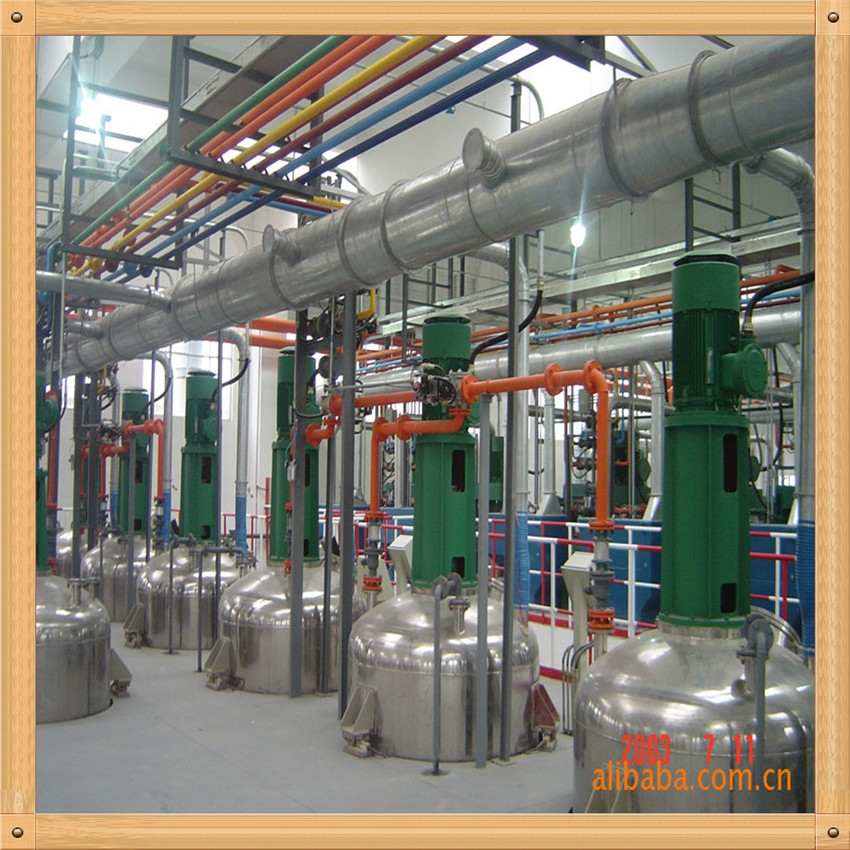
Quality In Action: Our standardized workshops run 4 continuous stainless-steel extraction lines and 2 scalable pilot lines, ensuring that test results achieved in lab-scale pilot evaluations scale smoothly to commercial 20-ton manufacturing batches.
Located in Xi'an, where the Silk Road and eastern civilization started, rich in botanical resources and supported by elite regional academic institutions.
Equipped with 4 standard production lines, 2 pilot lines, and 1 GMP standard clean workshop.
18 senior or medium grade technicians and 5 licensed pharmacists (TCM) in a 30-member team.
Collaborating with Xi'an Jiaotong University, Northwest University, and Xi'an University of Science and Technology.
Verified 99.02% response rate, delivering technical COAs, pricing, and documentation without delay.
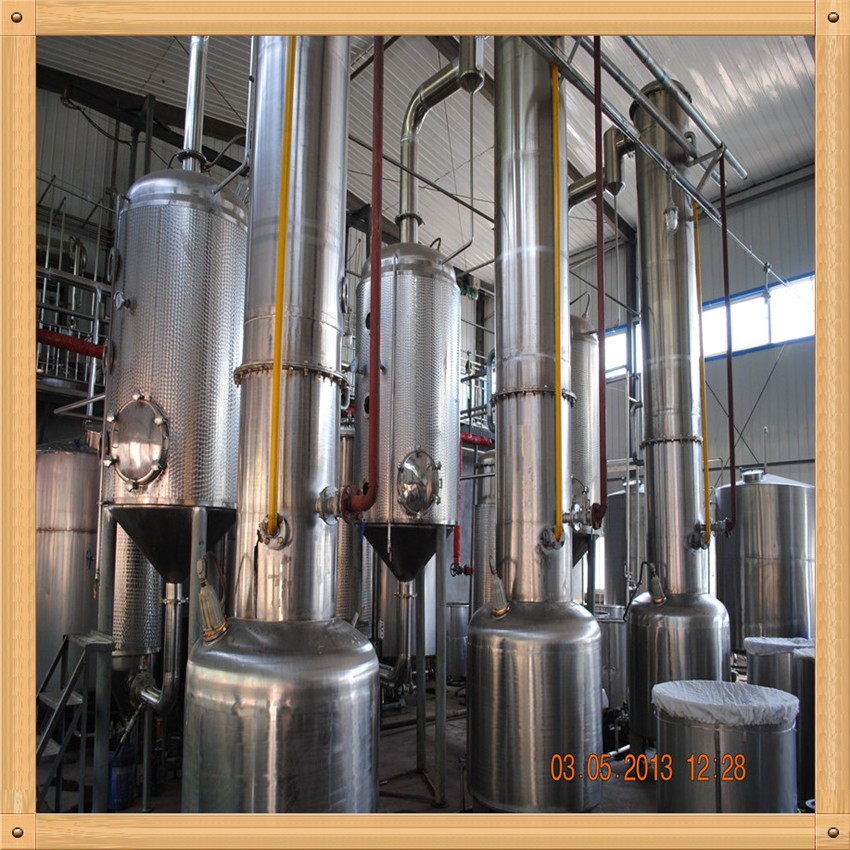
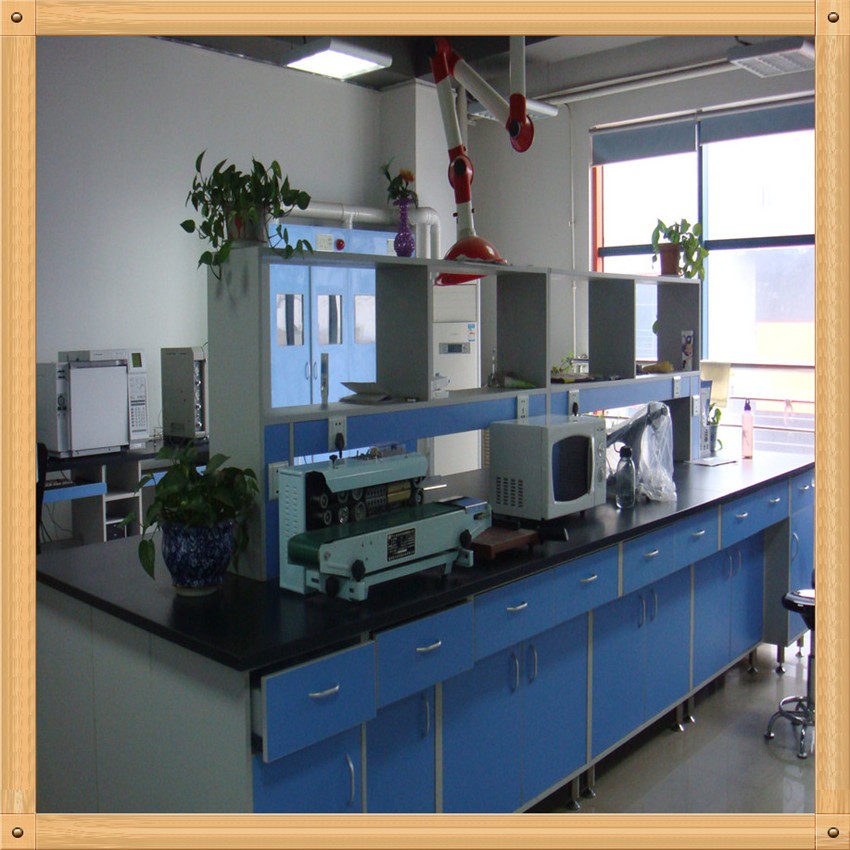
Our in-house laboratory operates advanced detection instruments including high-performance liquid chromatography (HPLC), gaseous phase chromatography (GC), spectrophotometers (UV-Vis), and ultrasonic testing apparatus. We do not rely on third-party guesswork; every lot of Instant Black Tea Extract Powder undergoes rigorous marker assay confirmation, pesticide residue screening, and moisture/ash profiling prior to release.
Depending on the strong research capability of universities in Xi'an, custom- and market-oriented, we engineer custom natural products tailored for food, health care, cosmetics, pharmaceutical, chemical, and veterinary enterprises globally.
Answers compiled from QA directors, product formulators, and supply chain procurement specialists.
Turbidity in reconstituted tea is driven by the spontaneous self-assembly of high-molecular-weight thearubigins and caffeine through hydrophobic bonding at temperatures below 20°C. Xi'an Sirn Bio-Tech uses a precise membrane microfiltration system coupled with controlled low-temperature stabilization that isolates and separates this haze-forming fraction without adding chemical clouding suppressants. The final powder dissolves crystal-clear in chilled water (4°C) with transmittance ≥98%.
Spray drying uses rapid hot-air atomization and cyclone collection, producing fine, uniform spherical granules (80–120 mesh) that dissolve instantly, offer stable bulk density, and present high economic efficiency for large-scale RTD manufacturing. Freeze-drying (lyophilization) sublimates moisture under deep vacuum without heat, producing crystalline, porous flakes that preserve subtle floral top notes, ideal for ultra-premium standalone boutique tea brands. We supply both formats depending on your commercial objectives.
Yes. Utilizing macroporous resin separation lines in our GMP workshop, we can produce decaffeinated instant black tea extract powder (caffeine ≤ 0.5% by HPLC) while concentrating total theaflavins to 8%, 12%, or up to 20% for dietary supplement formulations. We also formulate standard balanced beverage profiles matching target flavor profiles and caffeine levels.
Every commercial production batch originates from contracted tea plantations where agricultural inputs are strictly audited. Each lot is tested by GC-MS/MS and LC-MS/MS against over 500 pesticide compounds, ensuring full compliance with EU EC Regulation 396/2005 and US FDA tolerances. In-house HPLC checks and certified third-party testing (SGS or Eurofins) can be arranged with lot-specific documentation.
Because instant tea solids are naturally hygroscopic, the product should be kept in unopened original packaging in a cool (≤25°C), dry environment with relative humidity under 60%, away from direct light and strong foreign odors. Under these conditions, the certified shelf life is 24 months. Once opened, drums should be re-sealed immediately.
Our standard MOQ is 1 kg for trial runs, laboratory verification, and pilot tests, and 25 kg (one standard fiber drum) for regular commercial shipments. Ready-stock catalog items dispatch within 3–5 business days, while customized specifications or OEM packaging projects generally require 10–14 working days.
Contact our senior technical team for technical dossiers, batch COAs, working formulation recommendations, and free product verification samples.