Procurement Intelligence Frequently Asked Questions by Global B2B Buyers
Direct technical and commercial answers addressing common inquiries encountered by QA directors, formulation scientists, and procurement specialists.
What is the difference between straight milled Butterfly Pea Flower Powder and spray-dried extract powder?
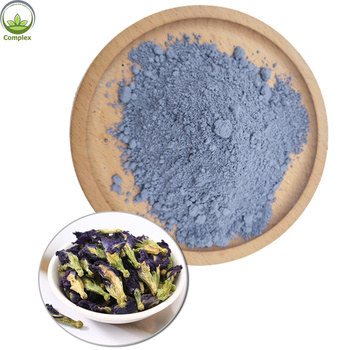
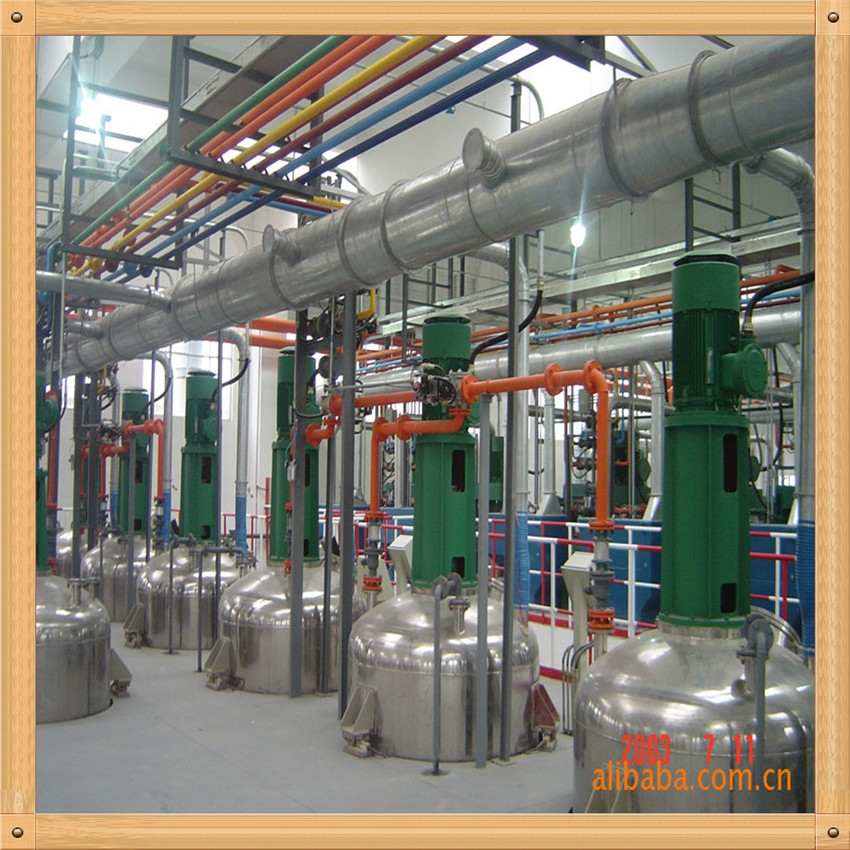
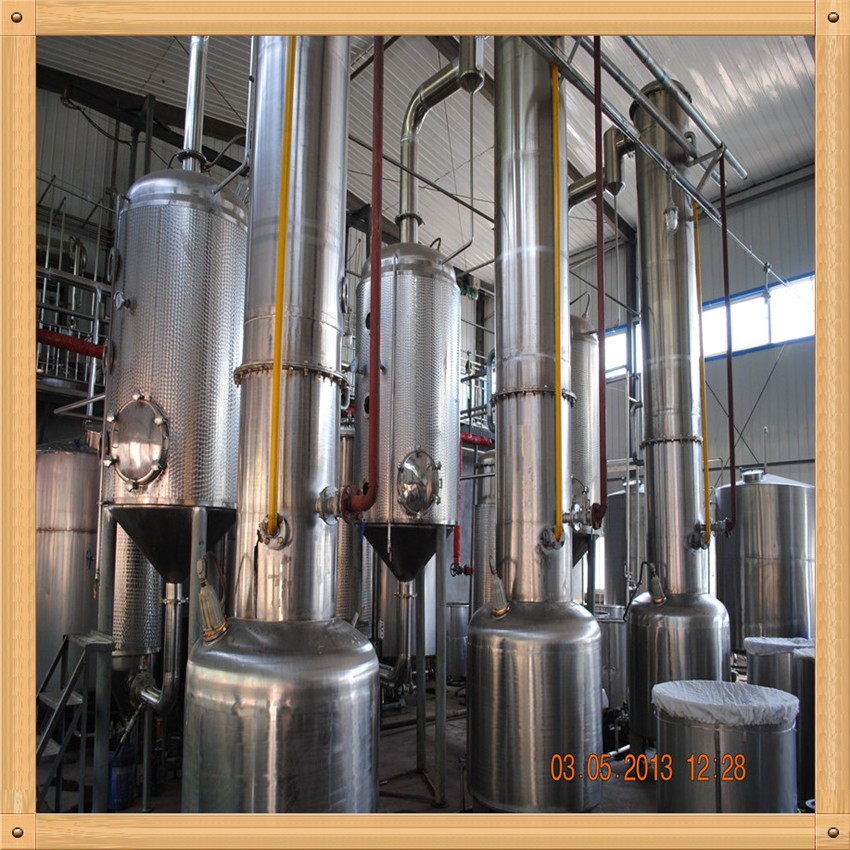
Straight micro-milled butterfly pea powder (typically 80–200 mesh) consists of the entire pulverized flower petal, retaining natural vegetable fibers, insoluble proteins, and structural carbohydrates. It is best suited for baking, dry latte mixes, fresh pasta, and cosmetics where visual specks or fiber content are acceptable. In contrast, our spray-dried water-soluble extract powder undergoes dynamic hot-water extraction, centrifugation, vacuum condensation, and spray drying. The resulting powder dissolves instantly in cold liquids, yielding an ultra-clear, brilliant blue solution with zero sediment, making it the industry standard for commercial bottling, clear spirits, and transparent cosmetics.
How does pH variation alter the color profile of butterfly pea anthocyanins?
The primary pigments in Clitoria ternatea are polyacylated delphinidin anthocyanins called ternatins. At a neutral to slightly basic pH (pH 6.5–7.8), the pigment remains a deep royal blue. When exposed to acids (pH 2.0–4.0), protonation of the chromophore shifts maximum light absorption toward red wavelengths, turning the liquid vivid violet, magenta, or bright pink. At a basic pH above 8.5, the pigment converts to a green/teal configuration. This reversible, clean-label reaction allows beverage formulators to create interactive color-changing drinks by incorporating lemon juice, citric acid, or acidic tonic syrups.
Is Butterfly Pea Flower Powder approved for food use in the United States and Europe?
Yes. In September 2021, the United States Food and Drug Administration (FDA) approved aqueous extract of butterfly pea flower (21 CFR § 73.69) as a color additive exempt from certification. It is officially permitted for use in alcoholic beverages, ready-to-drink flavored teas, sports drinks, fruit juices, confectionery, frostings, chewing gum, and gelatin desserts. In the European Union, while historical whole-herb trade followed Novel Food regulatory frameworks, aqueous butterfly pea extracts are approved in targeted categories. Xi'an Sirn Bio-Tech provides complete regulatory documentation, including Non-GMO statements, BSE/TSE certificates, and GC/LC multi-residue pesticide screens.
What analytical documentation and batch verification do you supply?
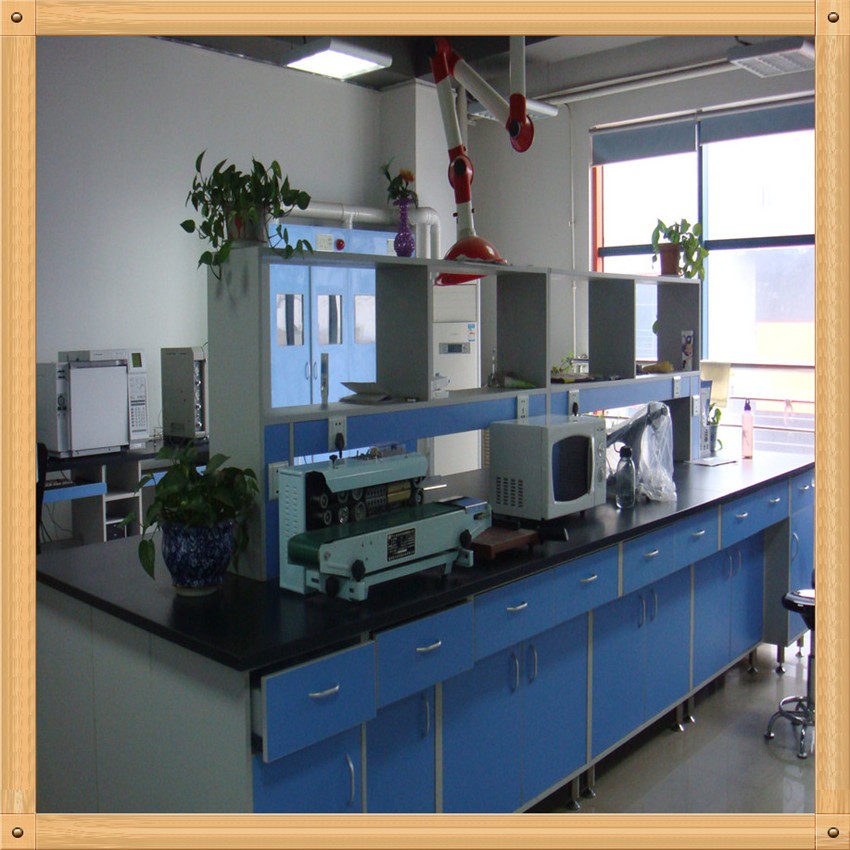
Every delivery manufactured by Xi'an Sirn Bio-Tech Co., Ltd. is accompanied by a batch-specific Certificate of Analysis (COA). Standard parameters tested in our in-house HPLC/GC lab include physical identity, mesh granulometry, moisture (≤6.0%), total ash (≤5.0%), spectrophotometric anthocyanin assay, heavy metals (Pb, As, Cd, Hg via ICP-MS), and comprehensive microbiological verification (Total Plate Count, Yeast & Mold, Salmonella, E. Coli, Staphylococcus aureus). Material Safety Data Sheets (MSDS), Technical Data Sheets (TDS), and process flowcharts are provided upon sample request.
What is the shelf life, storage recommendation, and light stability of bulk powder?
When stored unopened in our standard multi-layer aluminum barrier bags away from direct UV sunlight, heat, and moisture at temperatures ≤25°C, Butterfly Pea Flower Powder maintains full chemical integrity for 24 months. Although ternatins demonstrate significantly higher photostability than spirulina phycocyanin, prolonged exposure to direct sunlight or ambient oxygen can cause gradual anthocyanin fading. We recommend secondary packaging in amber glass or UV-shielded PET for clear bottled beverage retail applications.
What is your Minimum Order Quantity (MOQ) and production turnaround?
Our commercial Minimum Order Quantity (MOQ) starts at just 1 kg in heat-sealed aluminum foil bags for laboratory formulation, pilot development, and sensory trials. For standard commercial drums (25 kg cardboard fiber drums with double food-grade polyethylene liners), we ship in-stock inventory within 3 to 5 business days. Custom contract spray-drying, specific mesh micronization (e.g., 200–300 mesh), or private-label retail sachet packing typically requires 7 to 12 working days.