SirnBIO-TECH Talk to Us
Search by product name, Latin name or CAS number.
Engineered for international contract manufacturers, functional beverage formulators, and dietary supplement brands requiring batch-to-batch chromatographic consistency and exhaustive regulatory documentation.
Analyzing regulatory hurdles, supply security, HPLC fingerprinting adoption, and the phase-out of traditional non-standardized extraction methodologies across tier-1 nutraceutical markets.
The international dietary supplement landscape has officially moved beyond deceptive generic ratios like "10:1" or "20:1" without verifiable marker quantification. Regulatory bodies such as the US FDA (21 CFR Part 111) and the European Food Safety Authority (EFSA) demand validated chromatographic data.
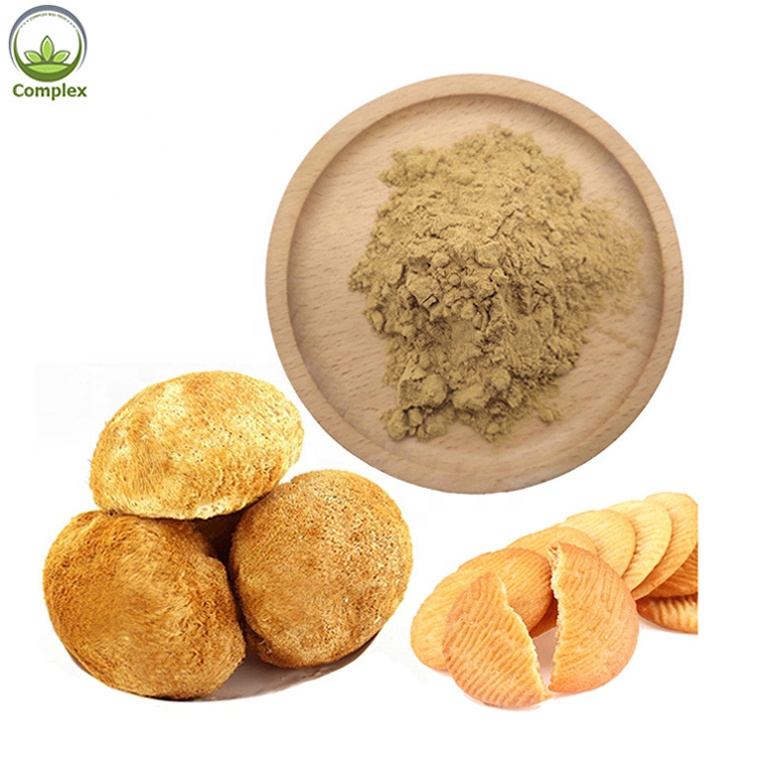
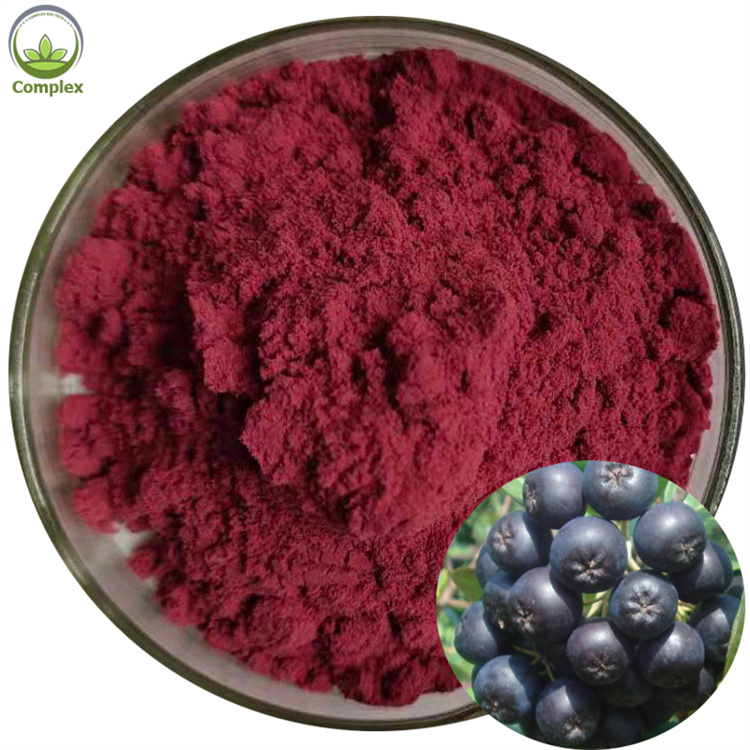
Modern procurement heads are prioritizing Multi-Marker HPLC & UHPLC Fingerprinting. This guarantees that key target molecules—such as hericenones in Hericium erinaceus, anthocyanins in Aronia berries, and icariin in Epimedium—remain chemically identical between batches, eliminating the risk of adulteration with low-cost carrier maltodextrin.
Cross-border compliance failures are predominantly triggered by unmonitored agrochemical residues and polycyclic aromatic hydrocarbons (PAHs). With the EU amending Regulation (EC) No 396/2005 and tightening chlorpyrifos limits to the limit of quantification (0.01 mg/kg), sourcing from unverified brokers poses catastrophic recall risks.
Export-oriented extraction facilities in China must deploy ICP-MS (Inductively Coupled Plasma Mass Spectrometry) and GC-MS/MS platforms to enforce USP <561> compliance, ensuring lead (Pb), cadmium (Cd), arsenic (As), and mercury (Hg) remain well below pharmacopeial thresholds prior to shipping.
The global clean-label revolution has rendered Class 1 and Class 2 solvents (such as hexane, chloroform, and methanol) obsolete in premium nutraceutical processing. Today's supply chains demand clean extraction media, centering around water-only extraction, food-grade bio-fermented ethanol, or supercritical CO2 fluid processing.
Furthermore, for high-end functional foods and instant powders, spray-drying and freeze-drying operations must achieve instant water reconstitution without clumping, utilizing vacuum low-temperature evaporation to prevent the thermal degradation of delicate anthocyanins and polyphenolic ring structures.
Located at the geographic origin of the ancient Silk Road in Xi'an, Shaanxi Province, our manufacturing operations benefit from direct geographical proximity to the Qinling Mountains—the biological treasury containing over 3,000 documented traditional medicinal flora species.
Xi'an Sirn Bio-Tech Co., Ltd. bridges raw agricultural abundance with cutting-edge separation engineering. Operating two modern manufacturing facilities equipped with 4 automated continuous extraction lines, 2 dedicated pilot lines, and a full GMP standard cleanroom workshop, we scale formulas from exploratory 1 kg lab lots to multi-ton industrial batches without modifying extraction kinetics or thermal parameters.
To resolve deep challenges in stereoisomeric separation, bio-active degradation, and peptide stability, our R&D division co-operates joint research and development laboratories with leading Chinese academic institutions:
These collaborative platforms grant our overseas formulation clients direct access to high-resolution Nuclear Magnetic Resonance (NMR), LC-MS/MS molecular weight confirmation, and targeted in-vitro antioxidant assays.
Every kilogram of botanical extract manufactured in our GMP workshop follows an uninterrupted chain of custody, ensuring total audit readiness for international import clearance.
Botanical taxonomy, wildcraft/cultivation origin verification, and visual macro/microscopic identification by licensed TCM pharmacists.
Initial inspection of moisture levels, ash content, organoleptic metrics, and preliminary screening for heavy metals and pesticides.
Multi-stage countercurrent extraction utilizing thermodynamic temperature regulation, ultrasonic assistance, or water/ethanol solvent matrices.
High-speed disc centrifugation and falling-film low-temperature vacuum evaporation to concentrate phytocompounds without thermal denaturation.
Chromatographic resin column adsorption and desorption to eliminate impurities and systematically isolate target bioactive fractions.
High-efficiency spray drying for extract powders or low-temperature freeze drying (lyophilization) for thermolabile compounds and whole berries.
Final HPLC/UV potency assay, heavy metals via ICP-MS, residual solvent GC verification, and AOAC total microbial pathogen screening.
Packaging in double pharmaceutical-grade polyethylene liner bags encased within multi-ply aluminum foil or fiberboard drums with tamper-proof seal.
Concrete technical, logistical, and compliance responses to the questions most frequently evaluated by quality assurance directors and supply chain executives.