SirnBIO-TECH Talk to Us
Search by product name, Latin name or CAS number.
Engineered to satisfy USP, EP, and FCC monographs. Fully assayed via HPLC, UV, and GC-MS with validated certificates of analysis (COA) for international nutraceutical, cosmeceutical, and functional beverage formulators.
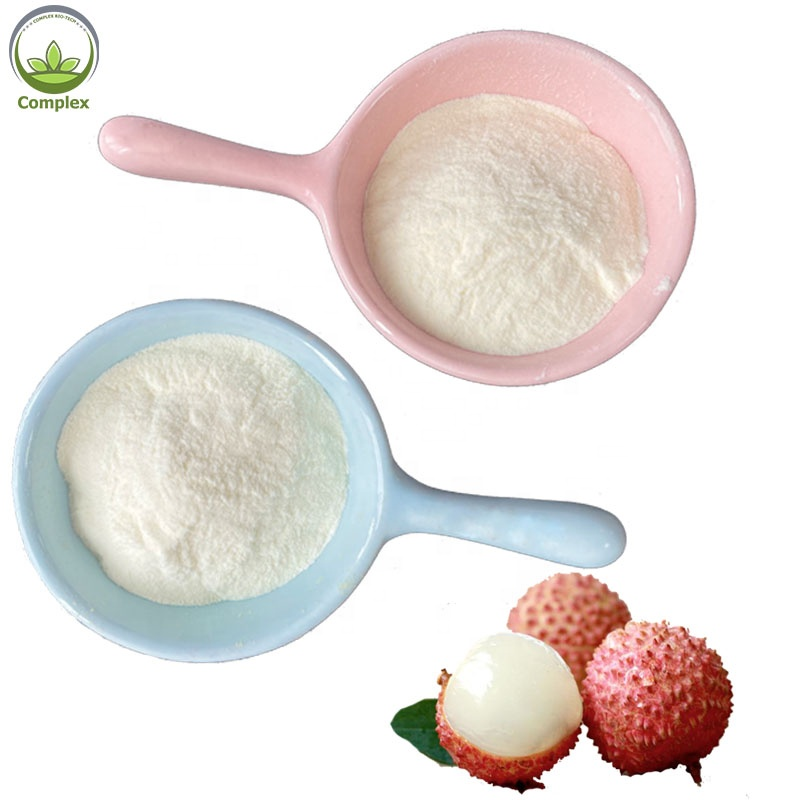
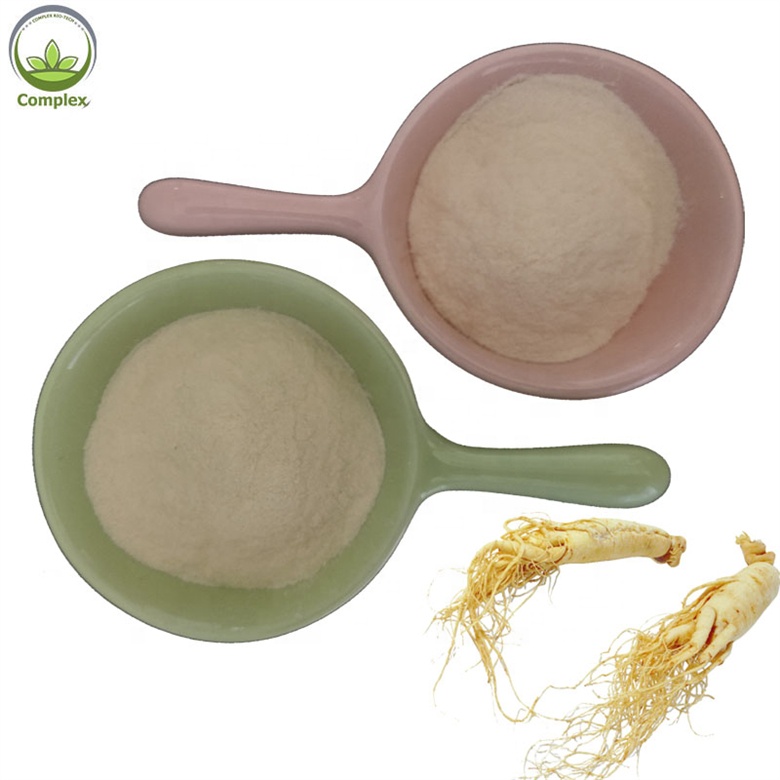
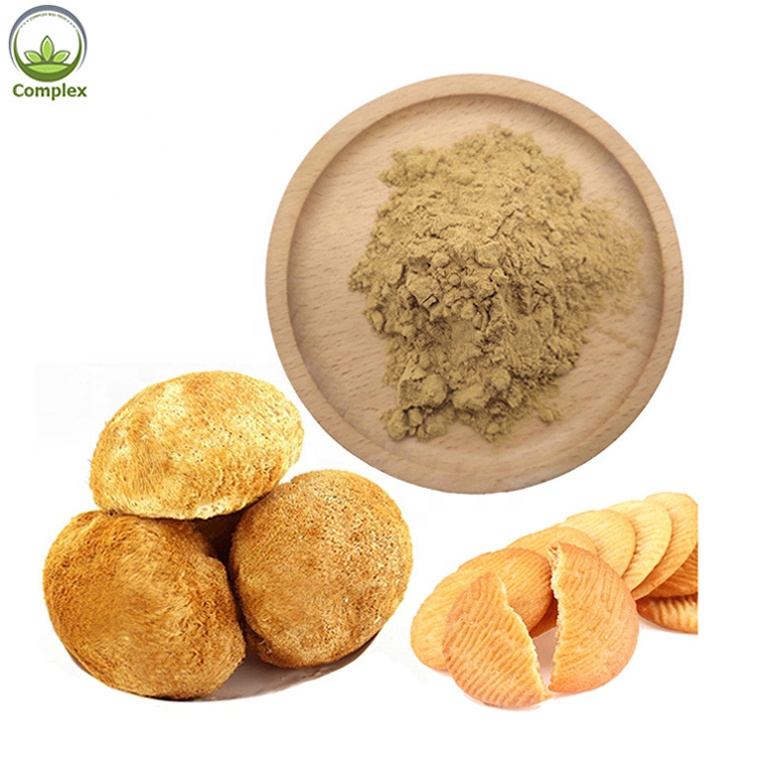
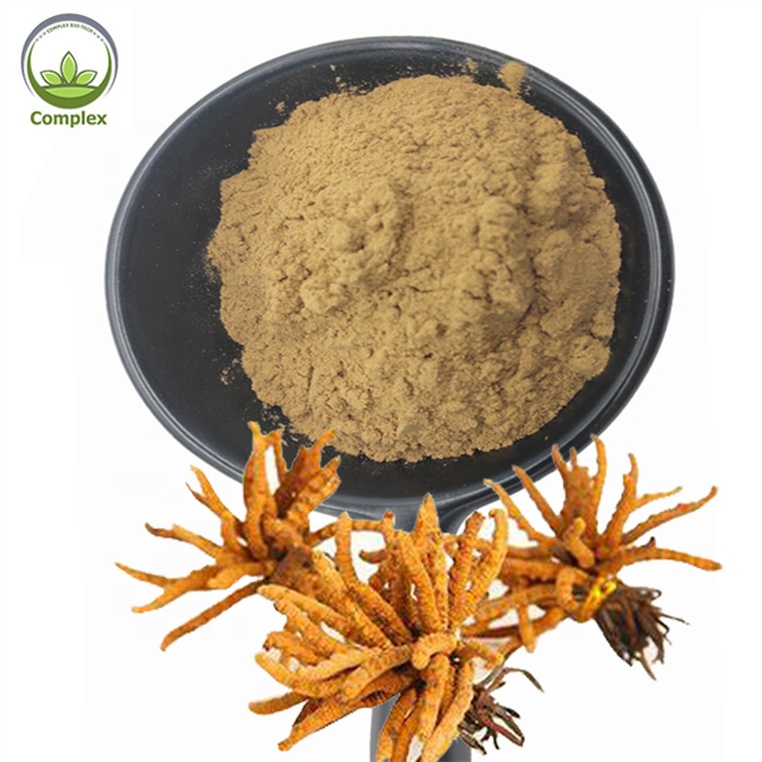
Xi'an Sirn Bio-Tech Co., Ltd. is strategically situated at the cradle of Traditional Chinese Medicine in Shaanxi province, coupling indigenous medicinal botanical reserves with modern academic extraction technology.
Our two manufacturing facilities feature 4 industrial-scale dynamic countercurrent extraction lines and 2 scalable pilot validation lines. Operating under Class 100,000 cleanroom HVAC filtration, we ensure zero particulate cross-contamination from raw root washing to final vacuum drumming.
Bridging pure academic research and industrial manufacturing, Sirn Bio-Tech collaborates in formal joint laboratory programs with Xi'an Jiaotong University, Northwest University, and Xi'an University of Science and Technology. This network accelerates formula isolation, impurity profile mapping, and synthesis validation.
Every commercial batch is accompanied by genuine analytical release testing. Our dedicated QC center is equipped with Agilent & Shimadzu High-Performance Liquid Chromatography (HPLC), Gas Chromatography (GC-FID/MS), UV-Vis Spectrophotometers, and Atomic Absorption Spectrometry for ultra-low trace heavy metal detection.
The manufacturing floor is staffed by 18 mid-to-senior chemical technicians and 5 certified Traditional Chinese Medicine pharmacists. This human capital ensures absolute botanical authenticity, preventing adulteration or synthetic spike-ins in ratio extracts such as Epimedium, Ginseng, and Chaga mushroom.
Unlike state monopolies requiring full container loads, Sirn Bio-Tech enables flexible pilot trials starting at a 1 kg Minimum Order Quantity (MOQ). Our continuous stock warehousing covers over 150 standardized botanical extracts, with an audited 99% message response rate within 2 hours across global time zones.
Phytochemical extraction requires fine-tuned physicochemical selectivity. Conventional atmospheric boiling causes rapid thermal degradation of heat-sensitive bioactives such as icariin, polyphenols, and lumbrokinase proteases. At our Xi'an facilities, our dynamic low-temperature vacuum extraction lines operate between 40°C and 55°C, preserving tertiary peptide configurations and phenolic glycoside linkages.
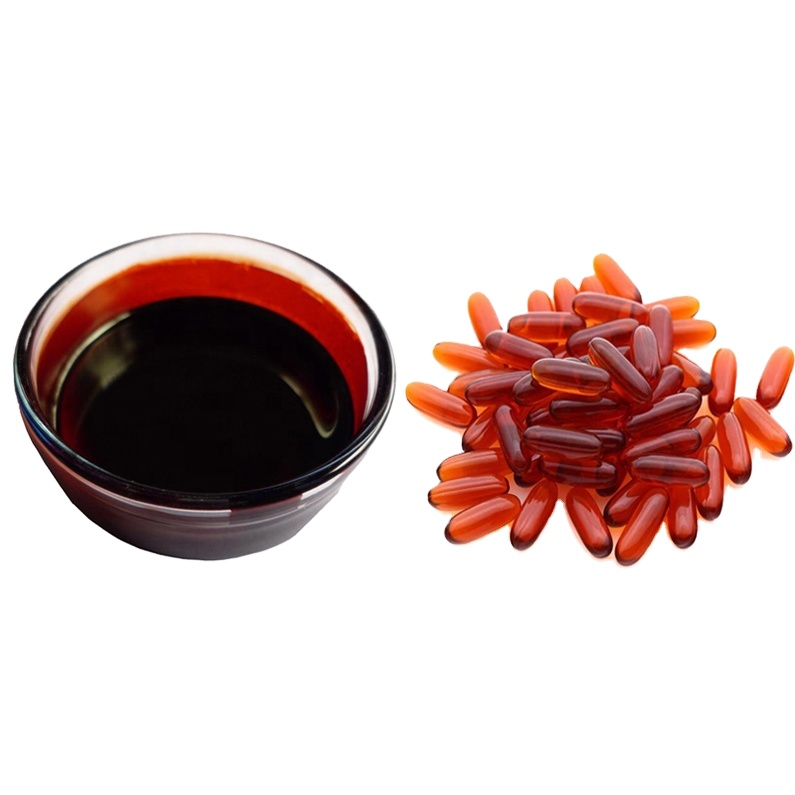
For lipid-bound carotenoids such as natural astaxanthin, we deploy Supercritical CO2 (scCO2) fluid extraction at pressures up to 35 MPa. This solventless extraction method eliminates residual toxic hydrocarbon solvents (e.g., hexane, acetone), yielding pure oleoresin that readily meets both USP <467> and EP 5.4 Class 2/Class 3 residual solvent requirements.
For mushroom fractions (Lion's Mane, Chaga, Cordyceps), we utilize a dual-stage extraction matrix: an initial 95% bio-ethanol reflux isolates alcohol-soluble triterpenes and sterols, followed by targeted hot-water extraction and membrane filtration to isolate concentrated immunological β-(1→3)(1→6)-D-glucans.
Request Batch HPLC Chromatograms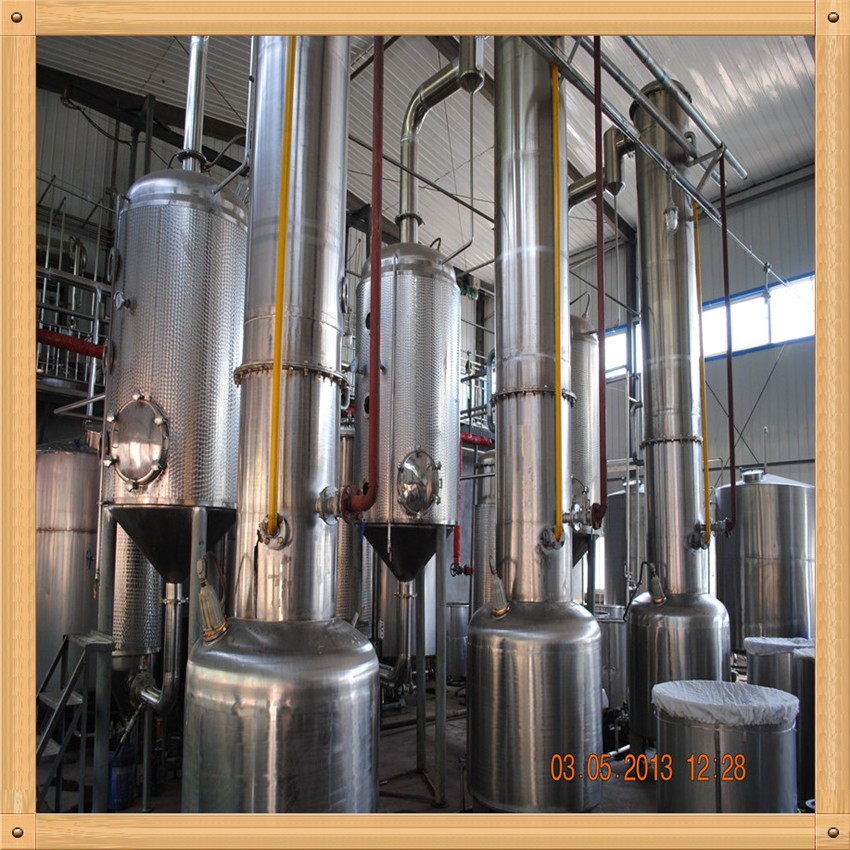
| Botanical Ingredient | Target Phyto-Marker | Standard Assay Range | Analytical Methodology | Global Regulatory Alignment |
|---|---|---|---|---|
| Red Ginseng (P. ginseng) | Ginsenosides Rg1, Re, Rb1, Rd | 10.0% – 80.0% Standardized | HPLC-UV (203 nm, C18 Column) | USP / EP / ChP Monograph |
| Astaxanthin Oleoresin | Free & Esterified Astaxanthin | 5.0% – 10.0% Active Isomers | HPLC-DAD (474 nm) | FDA NDI / EU Novel Food |
| Horny Goat Weed (Epimedium) | Icariin / Total Flavonoids | 10.0% – 98.0% Pure | HPLC-UV (270 nm) | Dietary Supplement Standard |
| Lion's Mane (H. erinaceus) | β-Glucans / Hericenones | ≥30% Polysaccharides | Enzymatic / Megazyme Kit Assay | Functional Food / Clean Label |
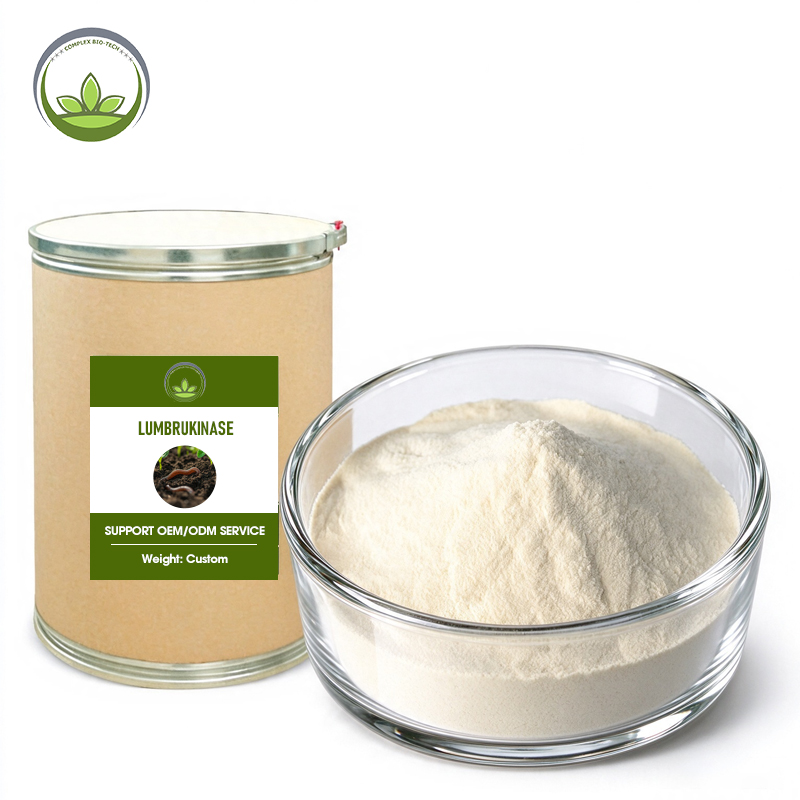
| Earthworm (Lumbricus rubellus) | Lumbrokinase Fibrinolytic Units | 10,000 – 20,000 IU/g | Fibrin Plate Lysis Method | Enzyme Activity Standard |
Global regulatory tightening, sustainability audits, and consumer demand for clinically verified transparency are reshaping the herbal supply chain. Professional procurement directors must build partnerships aligned with these critical shifts.
Adulteration of high-value extracts with low-cost species (e.g., adulterating Panax ginseng with Panax quinquefolius, or spiking Cordyceps with synthetic nitrogen compounds) is an increasing compliance liability. Leading pharmaceutical buyers now enforce orthogonal testing combining Next-Generation Genomic Sequencing (NGS) and HPLC chemical fingerprinting at the botanical farm level.
Regulatory frameworks, including California Proposition 65 and EU Regulation (EC) No 396/2005, are aggressively driving down allowable pesticide limits and halogenated solvent thresholds. Solvent systems are rapidly transitioning from classical toxic hydrocarbons to closed-loop supercritical CO2, subcritical water extraction, and green certified grain-fermented ethanol.
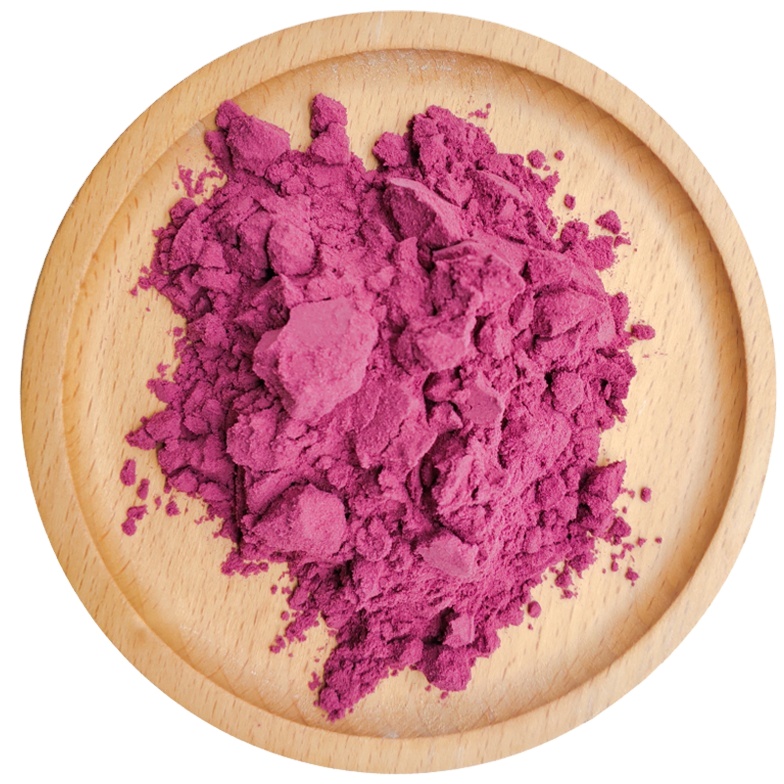
Vague "10:1" and "20:1" extract claims that disguise low-potency maltodextrin dilution are rapidly losing market share to marker-standardized powders. Brand formulators are shifting toward defined pharmacological markers (e.g., ginsenosides, icariin, cordycepin, and anthocyanins) with clear quantitative bioactivity per finished dosage unit.
A critical industry bottleneck has long been the poor intestinal permeability and rapid metabolic degradation of key polyphenols and lipid actives. The next procurement frontier prioritizes water-dispersible, micro-encapsulated, and liposomal botanical extracts that exhibit 3x to 8x higher area-under-the-curve (AUC) human plasma bioavailability.
Global corporate ESG mandates require suppliers to document raw material origin down to the specific agricultural collective. Sirn Bio-Tech integrates GAP (Good Agricultural Practices) certified farming contracts across Shaanxi, Jilin, and Yunnan, ensuring documented traceability, crop rotation records, and heavy metal soil tracking before planting begins.
Rather than importing raw drums and absorbing separate toll-manufacturing fees, global nutraceutical brands increasingly procure ready-to-shelf finished formats. Single-source OEM execution—including instant mushroom coffee sachets, dietary capsule pre-mixes, and effervescent drink blends—drastically compresses manufacturing cycle times and customs lead delays.
A high-purity botanical extract requires precision engineering across eight tightly regulated unit operations.
Raw herbs pass continuously through multi-stage screw extractors against incoming solvent gradients. This maximizes concentration differential while using 40% less solvent than conventional batch tanks, preventing localized overheating of delicate phytochemicals.
High-flux ceramic microfiltration and spiral polymeric ultrafiltration membranes systematically reject insoluble starches, cellular debris, and high-molecular-weight pectin without requiring thermal heating, generating a crystal-clear liquid permeation.
Polarity-specific synthetic adsorption resin columns isolate targeted bioactives (such as flavonoids, triterpenoid saponins, and anthocyanins), flushing out non-active free sugars. Subsequent desorption with pharma-grade ethanol produces active purities upwards of 98%.
The purified liquid concentrate is atomized inside a low-temperature co-current vacuum spray drying chamber. Contact duration is measured in milliseconds, safeguarding natural color pigments, volatile aromatics, and biological functional activity before automated cleanroom packaging.
Direct answers from our senior QA directors and export sales engineers addressing common technical, regulatory, and logistics inquiries.
Ratio extracts (such as 10:1 or 20:1) denote the dry botanical mass required to yield one unit of finished extract, verified by Thin-Layer Chromatography (TLC) fingerprinting against genuine reference herbs. Standardized extracts, conversely, guarantee a precise, quantitative percentage of a specific bioactive molecule (e.g., Icariin ≥20% via HPLC or Total Ginsenosides ≥80% via UV-Vis), regardless of natural seasonal variations in raw crop harvests.
Every shipment is accompanied by a comprehensive Certificate of Analysis (COA) detailing physical parameters (mesh size, tapped/bulk density), organoleptic indicators, loss on drying, ash content, quantitative active assay, heavy metals (Pb, As, Cd, Hg tested via ICP-MS to USP <232> limits), residual solvents (USP <467> GC), and full microbiological counts (Total Plate Count, Yeast & Mold, E. coli, Salmonella, Staphylococcus aureus).
Our baseline extraction and cleanroom crystallization processes maintain low bioburdens without irradiation or ethylene oxide (ETO) treatment, fully complying with strict European Union standards. If customer-specific requirements mandate sterilization for extreme spore-forming fungal profiles, steam sterilization or irradiation can be validated and certified upon explicit commercial agreement.
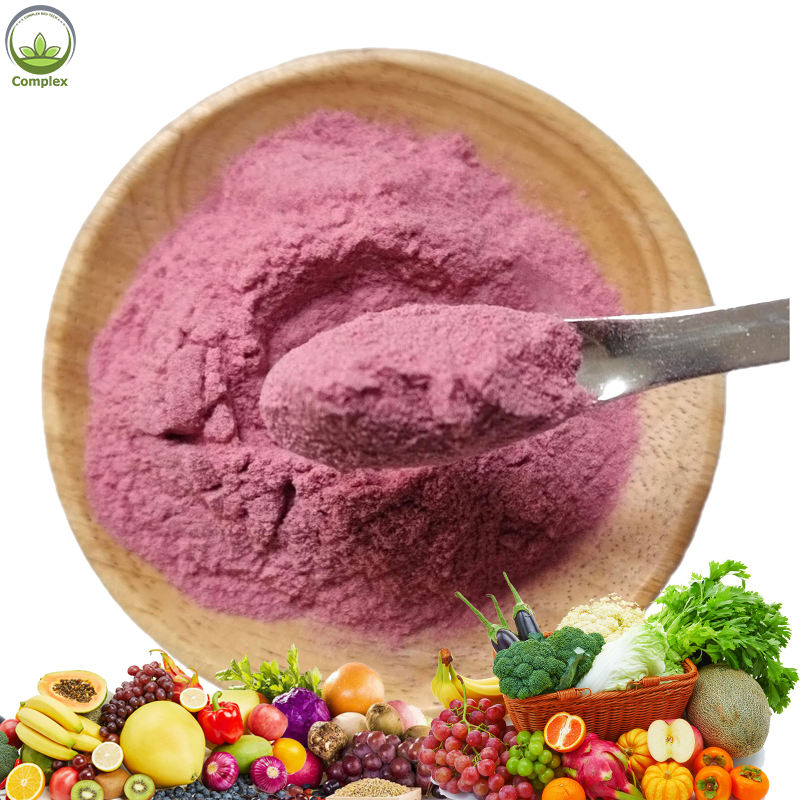
Yes. While conventional commercial fruit powders rely on 30% to 50% maltodextrin carriers to prevent hygroscopic caking, our manufacturing lines can formulate using organic acacia gum, native pea fiber, or 100% pure freeze-dried fruit fruit flesh without any foreign additive carriers, depending on your target clean-label positioning and processing conditions.
For catalog powders maintained in our Xi'an central warehouse, our minimum order quantity (MOQ) is 1 kg, dispatched within 48 to 72 hours via international air express (DHL/FedEx/UPS). Commercial production orders (25 kg fiber drums lined with double heat-sealed polyethylene barrier bags) generally require 10 to 14 business days. Customized contract OEM runs, including customized pouching or capsule blends, carry standard production cycles of 3 to 4 weeks.
We routinely perform split-sample inter-laboratory cross-validations with globally recognized inspection agencies including SGS, Eurofins, and NSF International. If your regulatory compliance protocol requires independent third-party release testing prior to customs dispatch, our export compliance managers coordinate direct sampling and laboratory chain-of-custody transfer.
Whether you require pilot batch samples for HPLC assay validation, custom ratio formulation, or stable multi-ton annual botanical supply contracts, our chemical engineering team is available 24/7 to deliver technical documentation, regulatory dossiers, and competitive wholesale pricing.