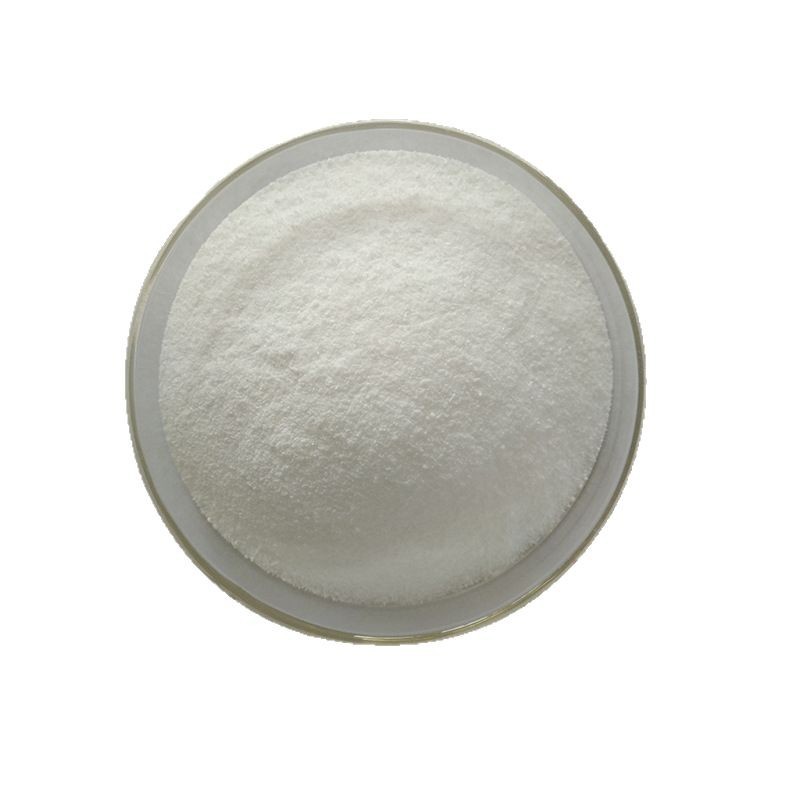
Pure Dihydroquercetin Herbal Extract Powder 98%
- Assay Specification: ≥98% Dihydroquercetin
- Testing Protocol: HPLC Assayed
- Packaging: Food-Grade Drums
End-to-End Extraction Technology, Chromatographic Quality Standardization & Scalable Botanical Solutions
Targeted herbal fractions, antioxidant complexes, and standardized botanical powders processed under clean-label extraction standards with full chromatography profiling.
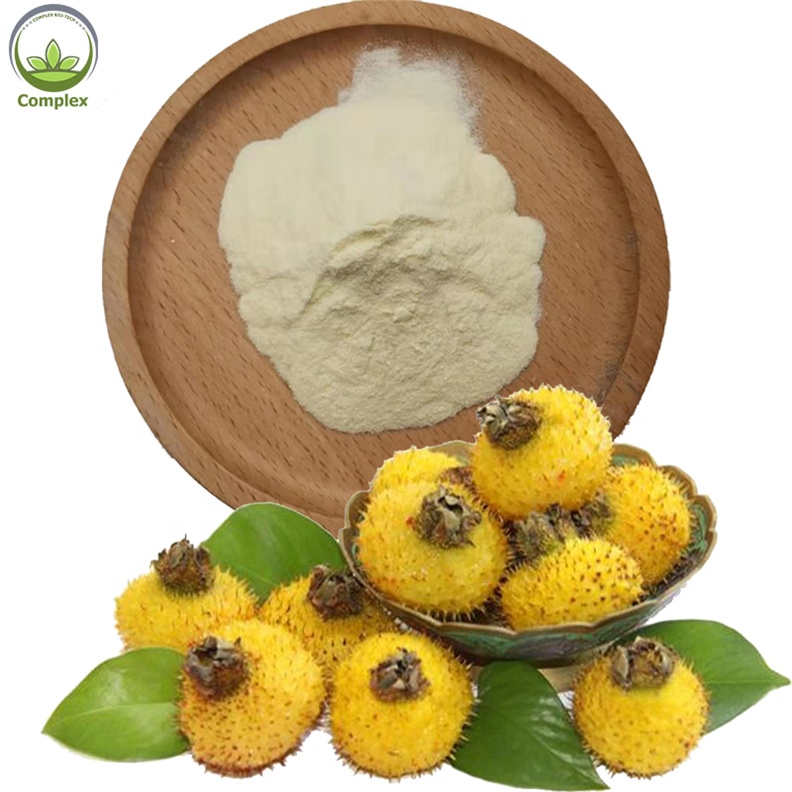
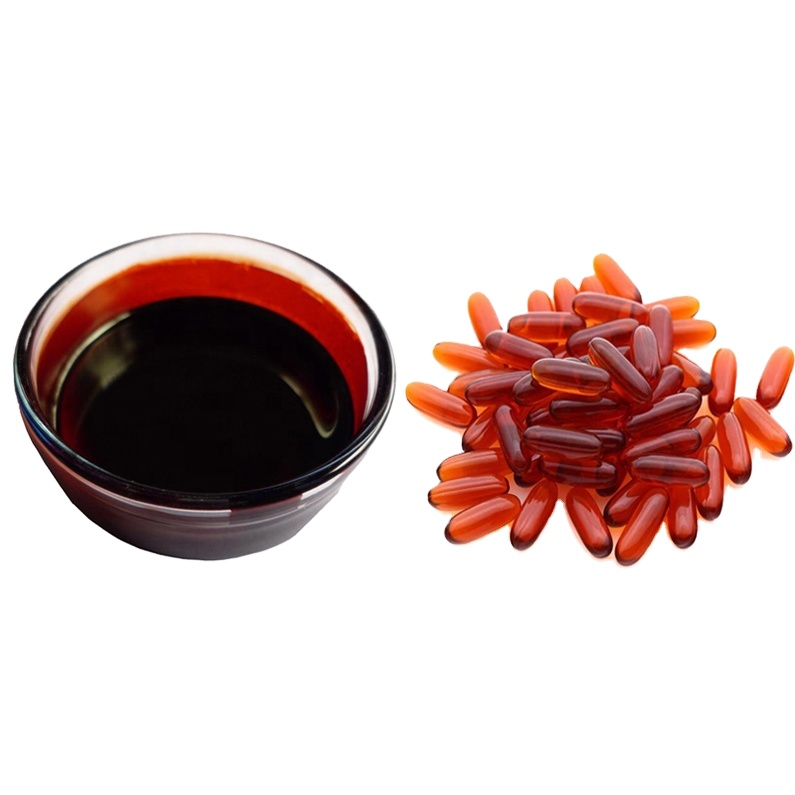
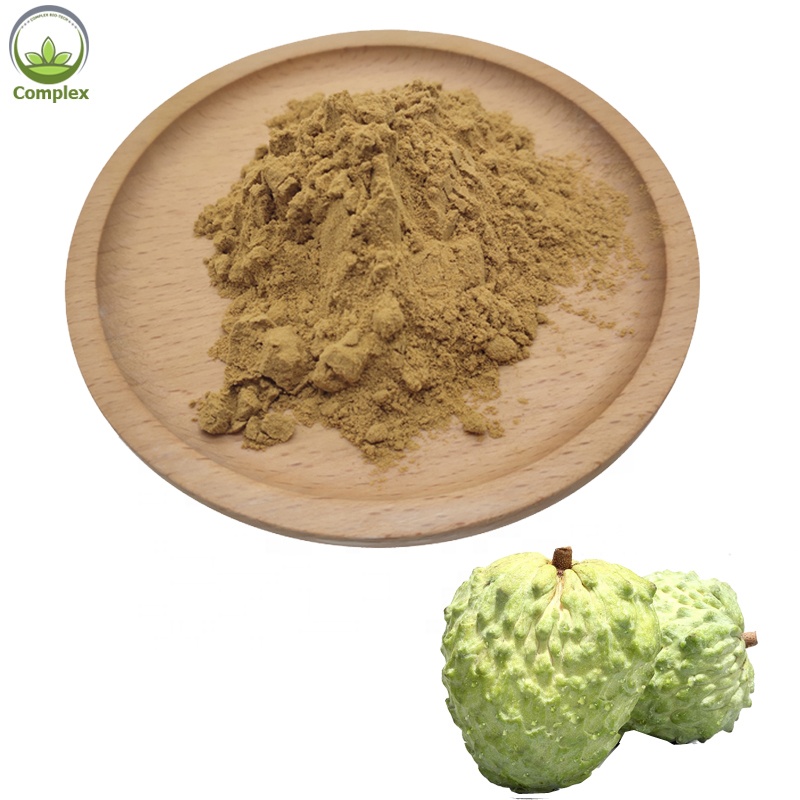
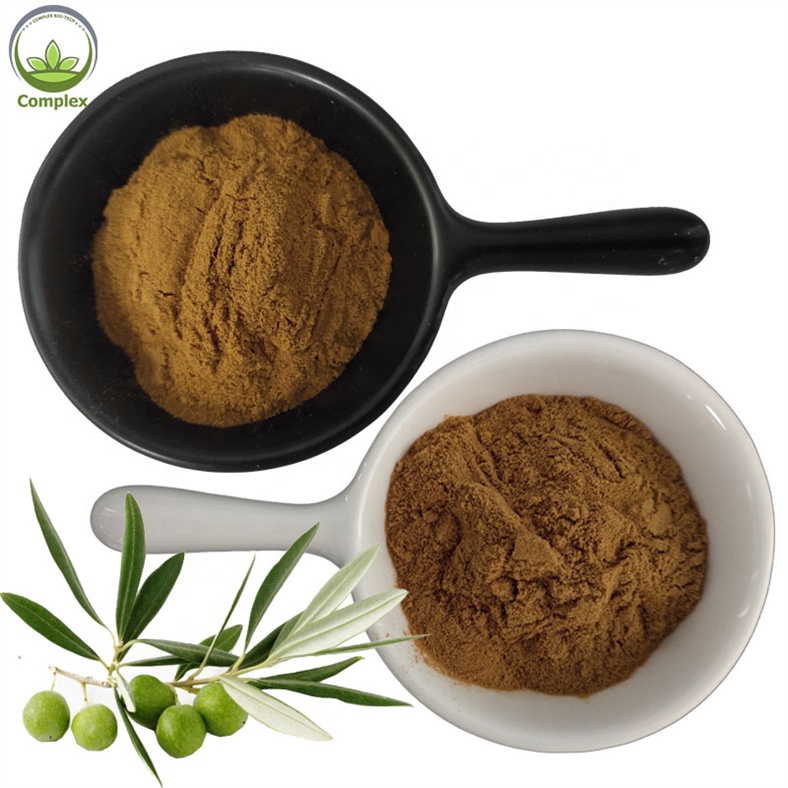
Xi'an Sirn Bio-Tech Co., Ltd. sits in the historic botanical innovation hub of Shaanxi, merging indigenous botanical biodiversity with academic-level scientific analysis.
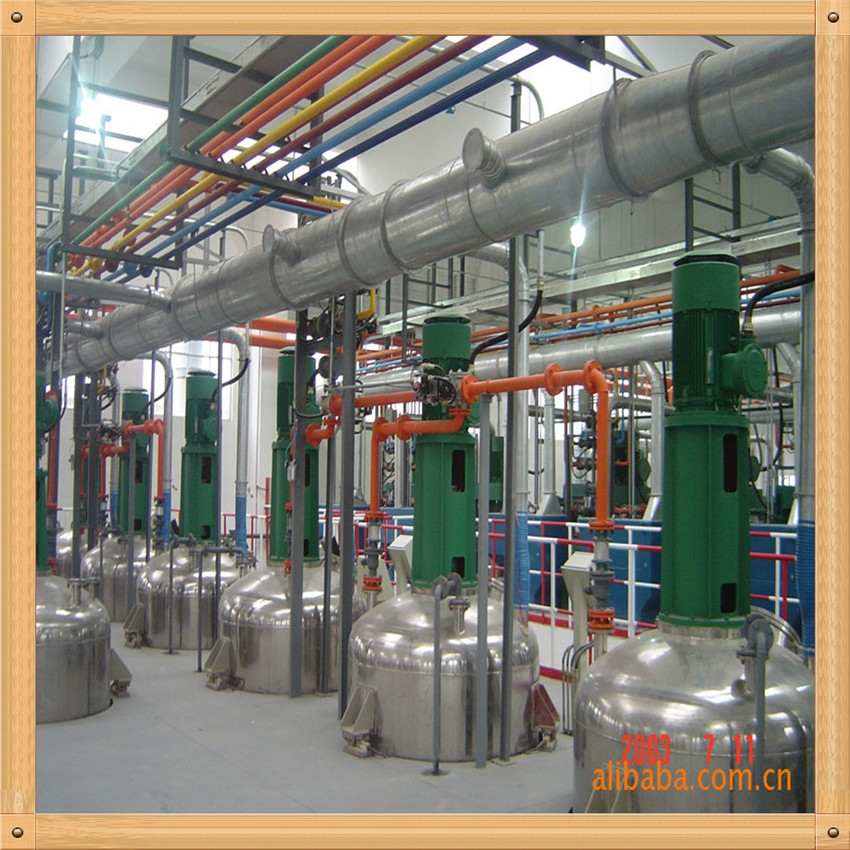
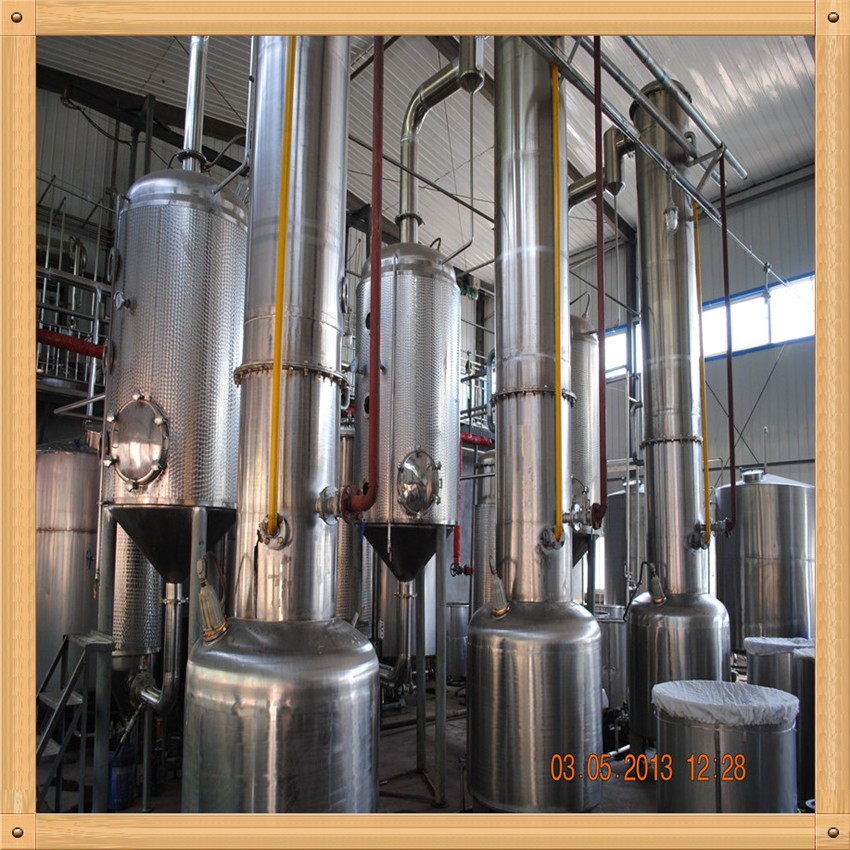
Operating multi-stage dynamic extraction tanks, vacuum low-temperature evaporators, and spray drying units configured to protect thermolabile phytochemicals.
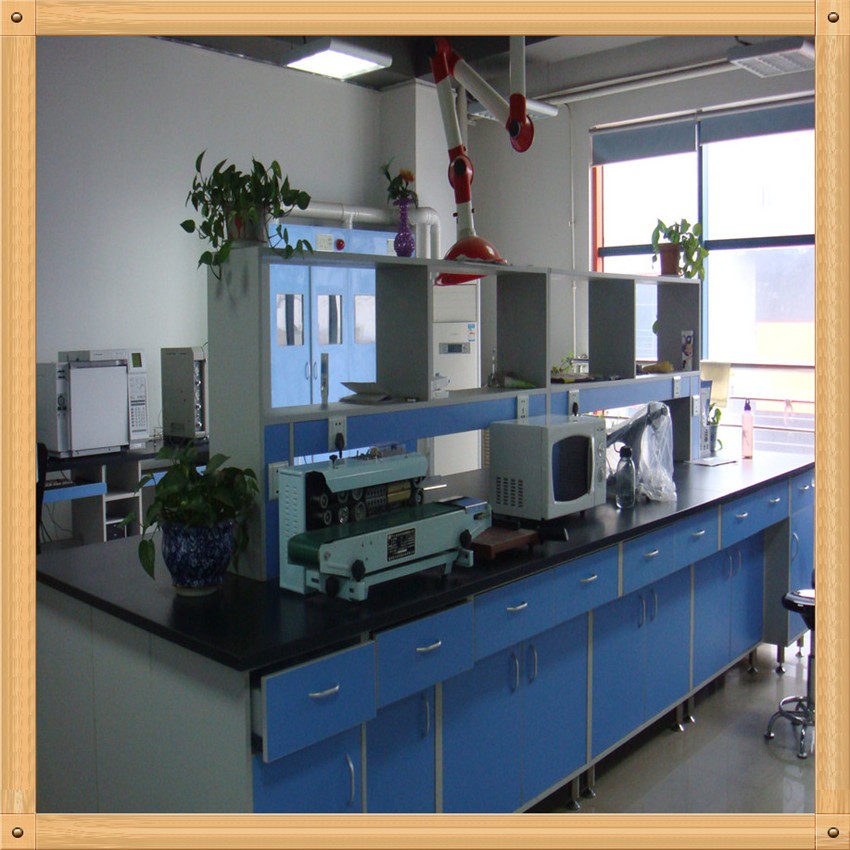
Equipped with High-Performance Liquid Chromatography (HPLC), Gas Chromatography (GC), and UV-Vis spectrophotometers for active compound quantification.
Temperature- and humidity-controlled storage ensures active polyphenol, peptide, and polysaccharide stability from batch synthesis to international shipment.
Collaborating directly with Xi'an Jiaotong University, Northwest University, and Xi'an University of Science and Technology. Supported by 18 licensed biochemical technicians and 5 certified TCM pharmacists for formula validation.
We tailor extraction solvents (Ethanol/Water/Ultrasonic), marker ratios (from crude 4:1 up to 98% isolate), particle mesh distribution (60 to 200 mesh), and instant cold-water dispersibility according to formulation needs.
Every shipment comes verified by an ISO/GMP compliant Certificate of Analysis (COA). We provide Heavy Metal Screening (Pb, As, Cd, Hg), Microbiological profiles, Residual Solvent tests, MSDS, and Non-GMO/Allergen disclosures.
A comprehensive analysis of bio-active bioavailability, solvent minimization, and analytical standardization driving contemporary functional nutrition.
Traditional toxic chemical solvents (such as hexane, methanol, and ethyl acetate) are systematically being phased out. Modern procurement protocols require low-temperature subcritical water, pharmaceutical food-grade ethanol, or Supercritical Carbon Dioxide (sCO2) extraction. This green isolation preserves structurally sensitive compounds—such as astaxanthin oleoresins, anthocyanins, and monomeric flavonoids like dihydroquercetin—without leaving petrochemical contaminants behind.
Native plant polyphenols, triterpenoids, and lipophilic carotenoids often suffer from poor water solubility, high gastric degradation, and low cellular absorption. OEM supply chains are pivoting toward molecular inclusion (beta-cyclodextrin complexes), liposomal lipid carriers, and microencapsulated powder sprays. These engineered physical formats prevent oxidative degradation and maximize cellular uptake in functional beverage and stick-pack applications.
As regulatory scrutiny from the US FDA, EFSA, and Health Canada tightens, the reliance on basic UV-Vis photometric assays has diminished due to spiking vulnerabilities. Legitimate pharmaceutical brands enforce HPLC-DAD fingerprinting, Gas Chromatography-Mass Spectrometry (GC-MS), and botanical DNA barcoding. Verifying identity at the species level ensures extracts such as Acerola, Epimedium, and Olive Leaf are pure, authentic, and unadulterated.
Key risk mitigations, audit milestones, and compound specifications for procurement managers evaluating Chinese botanical production facilities.
| Evaluation Parameter | Legacy Sourcing Paradigm | Modern Technical Standard (Sirn Bio-Tech) | Regulatory Verification Method |
|---|---|---|---|
| Botanical Identity & Authenticity | TLC / Visual organoleptic color evaluation only | DNA Barcoding & HPLC Chromatographic Fingerprinting | USP / EP Pharmacopoeia Matching |
| Active Marker Quantification | UV-Vis photometric calculation (vulnerable to adulterants) | Validated HPLC, UPLC, and GC-MS compound analysis | Individual Retention Time Verification |
| Heavy Metals & Toxins | General batch screening without specific elements | ICP-MS Inductively Coupled Plasma Mass Spectrometry | Lead, Arsenic, Cadmium, Mercury (<0.1 ppm) |
| Microbiological Bio-Burden | Ethylene Oxide (ETO) or gamma irradiation treatments | Clean steam pasteurization & ISO Class 8 cleanrooms | TPC <1000 cfu/g, Yeast/Mold <100 cfu/g |
| Carrier Matrix Disclosures | Hidden maltodextrin (up to 30% unlisted carriers) | 100% Pure Botanical or Carrier-Certified ratios | Clean Label / Non-GMO Stated Certificates |
Modern supply chain resilience requires hedging geopolitical and regional capacity shocks. Operating 2 distinct production facilities with 4 standard lines and 2 scalable pilot setups guarantees continuity of supply even during peak seasonal harvests or factory maintenance windows.
High-potency extracts and oil-based oleoresins (like Astaxanthin) degrade rapidly when exposed to oxygen and humidity. Standard commercial shipments must utilize double heat-sealed virgin polyethylene interior liners surrounded by nitrogen gas flushes inside heavy-duty HDPE drums.
Navigating new product formulation requires low-risk validation. While legacy factories mandate 500 kg minimum order sizes, Sirn Bio-Tech provides 1 kg qualified R&D batches backed by lot-specific COAs, allowing formulators to complete pilot dissolution and encapsulation tests seamlessly.
Direct answers from our regulatory pharmacists and chemical engineering team regarding QA parameters, lead times, and custom contract manufacturing.