Hot Sale
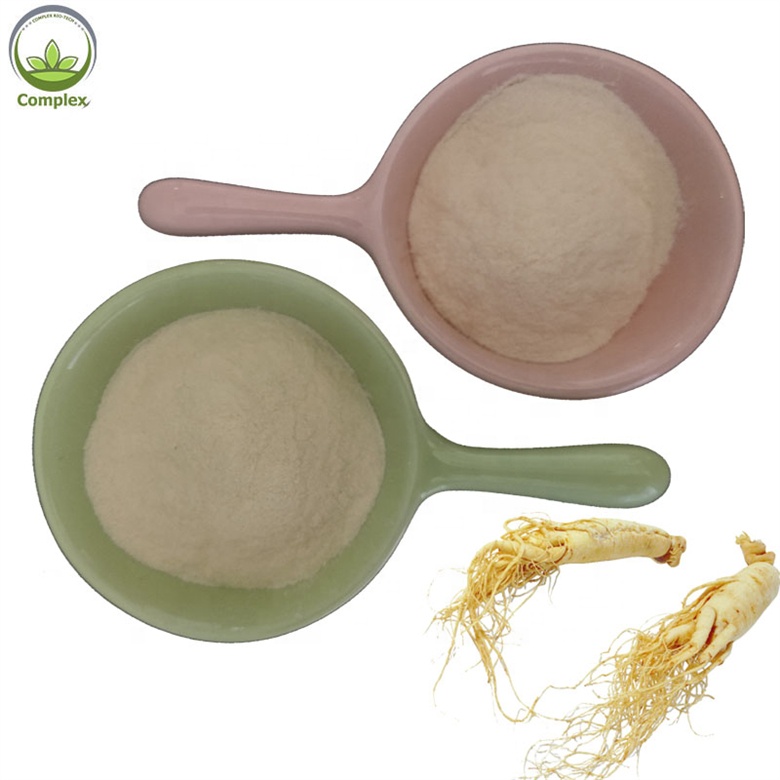
Source-direct supply assayed via validated HPLC, UV, and GC analytical methodologies. Manufactured in certified GMP facilities with batch-specific Certificates of Analysis.
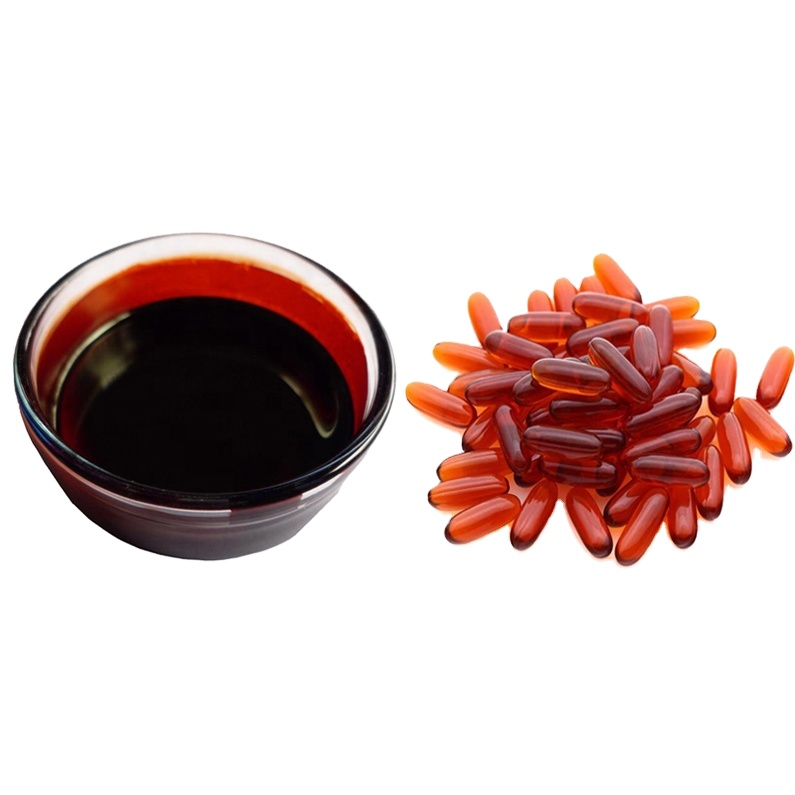
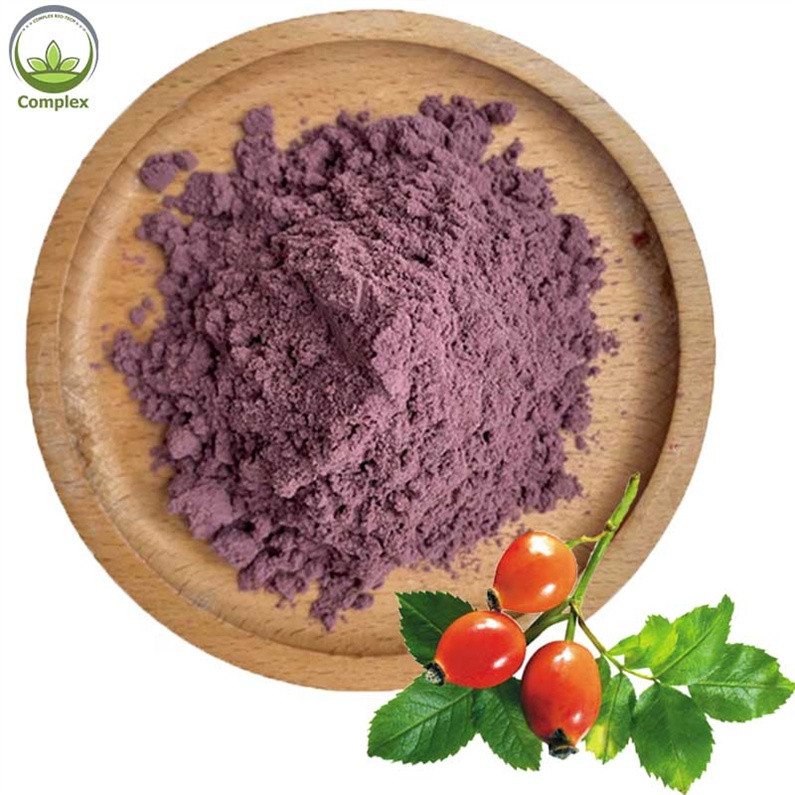
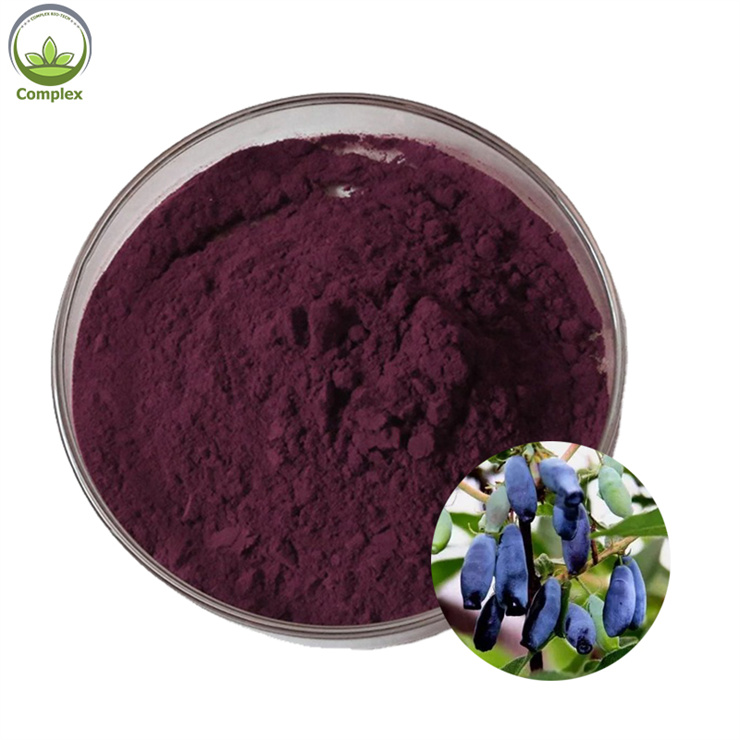
Headquartered in Xi'an, Shaanxi—the epicenter of China's traditional herbal agriculture and modern pharmacological engineering—Xi'an Sirn Bio-Tech provides end-to-end supply chain security from cultivation to standardized dried concentrates.
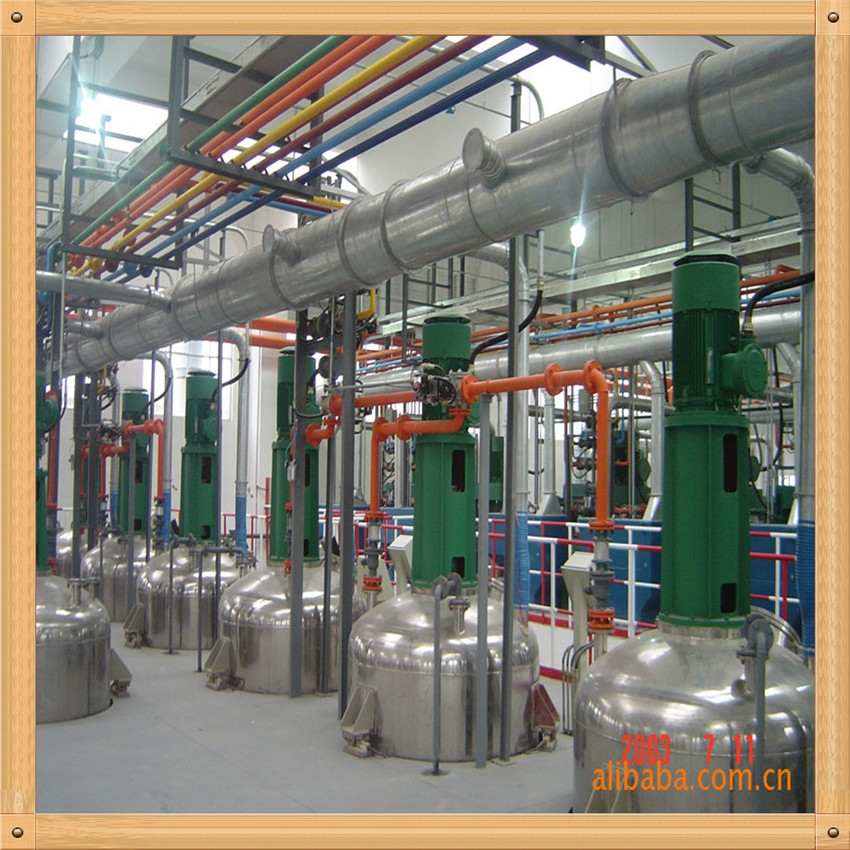
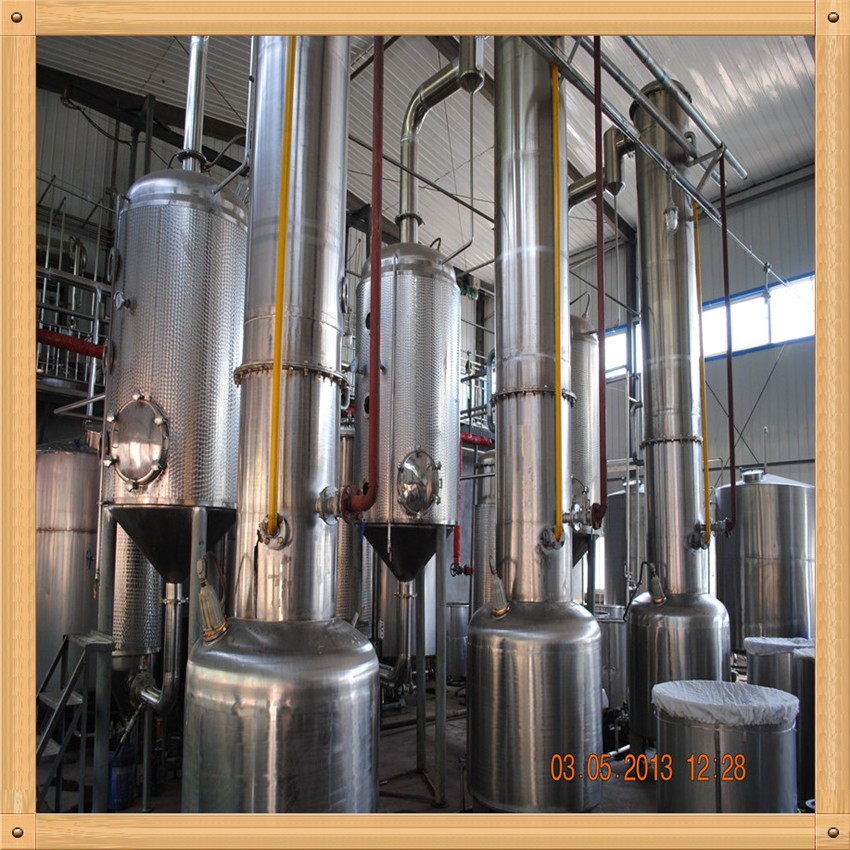
Operating two full-scale manufacturing campuses with 4 continuous extraction lines and 2 dedicated pilot lines. This specialized architecture enables seamless scale-up from 500-gram R&D proof-of-concept batches to multi-ton commercial production without altering thermodynamic extraction yields or phase-separation parameters.
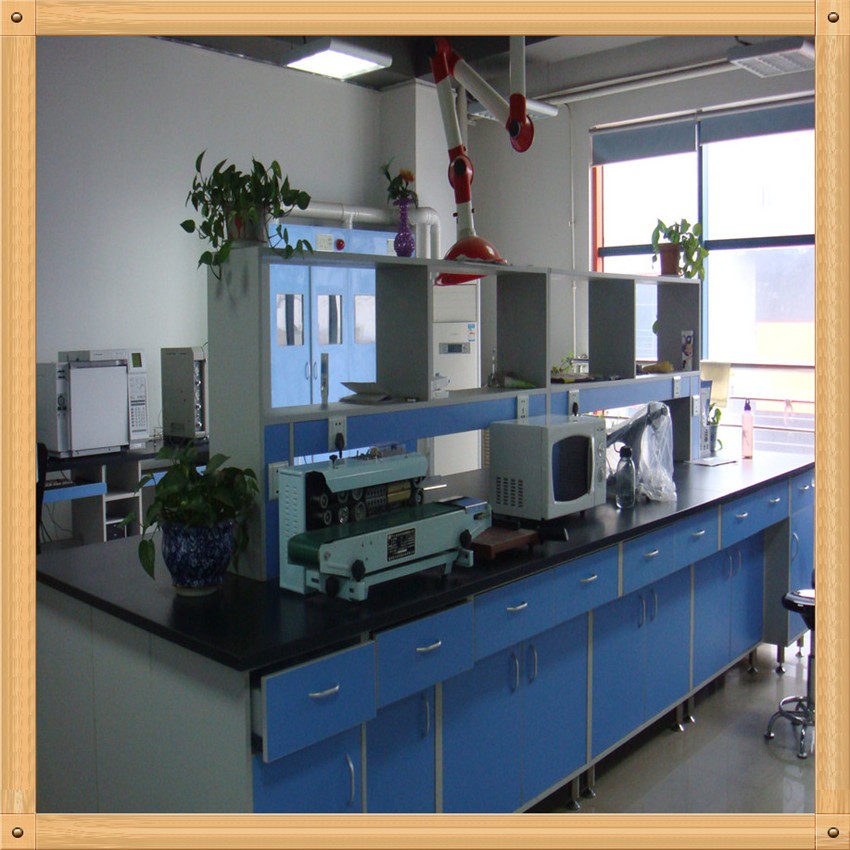
Scientific rigor is backed by formal joint laboratories in collaboration with Xi'an Jiaotong University, Northwest University, and Xi'an University of Science and Technology. This provides direct access to high-resolution Mass Spectrometry (LC-MS/MS), Nuclear Magnetic Resonance (NMR), and cellular assay screening.
Xi'an Sirn Bio-Tech enforces rigorous quality assurance on every production lot. Raw root and rhizome botanicals undergo multi-residue pesticide screening (USP <561>), heavy metal quantification via ICP-MS (lead, arsenic, cadmium, mercury), and microbiological assays in accordance with global food and supplement monographs.
Root and rhizome structures present unique processing challenges due to high levels of complex starches, volatile essential oils, and tightly bound saponins or polyphenols. Our automated dynamic counter-current extraction systems adjust ethanol concentration gradients, cavitation frequencies, and acoustic pressures to isolate specific active fractions without thermal degradation.

A strategic overview of changing regulatory standards, consumer transparency demands, and supply chain shifts impacting brand formulators over the next 3 to 5 years.
Global procurement teams are moving away from ambiguous extract ratios such as "10:1" or "20:1," which often obscure carrier dilution or maltodextrin spiking. The industry standard requires fully validated HPLC and UV marker standardization (e.g., ginsenosides, icariin, total gingerols), cross-checked against reference chromatographic fingerprints to confirm authentic biological fractions.
Consumers increasingly scrutinize product ingredient labels for synthetic anti-caking agents and synthetic binders. Forward-thinking brands are demanding clean-label carriers such as organic acacia fiber, native cassava dextrin, or zero-carrier micro-granulation powders that maintain uniform bulk density without compromising clean-label marketing claims.
Polyphenols, saponins, and curcuminoids derived from subterranean rhizomes often exhibit hydrophobic tendencies and limited intestinal absorption. Procurement demands are shifting toward water-dispersible nano-emulsions, liposomal encapsulation, and micronized powders (200–500 mesh) that blend instantly into functional stick packs, ready-to-drink beverages, and nutritional gummies.
With stricter limits on heavy metals, persistent organic pollutants, and ethylene oxide (EtO) sterilization residues, brand owners require direct contracts with verified contract farming cooperatives. Sourcing partners that demonstrate GPS-mapped soil testing and sustainable regenerative harvesting retain significant compliance advantages in the US and European markets.
How cutting-edge green extraction chemistries are replacing conventional solvent extraction to yield pure, active, and environmentally responsible botanical ingredients.
Subterranean rhizomes such as Ginger (Zingiber officinale), Turmeric (Curcuma longa), and Ginseng (Panax ginseng) harbor delicate volatile terpenes that break down under prolonged boiling. By applying Supercritical CO2 with ethanol co-solvents, extraction takes place at low temperatures, isolating lipophilic and volatile bioactives without solvent residue.
This solvent-free approach complies with organic processing regulations and prevents the thermal degradation of gingerols into shogaols or the oxidation of carotenoid chains.
Rhizome cell walls are structured with dense cellulose, hemicellulose, and pectin matrices that act as physical barriers, trapping intracellular glycosides. Implementing specialized food-grade pectinase and cellulase pretreatments breaks down the plant cell walls prior to extraction.
This improves active marker yields by up to 28%, shortens extraction cycles, and avoids the use of harsh inorganic acids or alkalis that could damage sensitive phytochemical fractions.
Many rhizome compounds possess pungent, sharp aromas and intense spicy notes that can limit their use in food and functional beverage formulations. Sirn Bio-Tech utilizes fluidized bed microencapsulation using pea proteins or cyclodextrins to coat microscopic extract particles.
This protects sensitive actives from gastric acid degradation, masks harsh taste profiles, and ensures stable suspension in clear beverage formulations without sedimentation.
Practical answers to common quality assurance, minimum order quantity, and regulatory compliance questions asked by procurement directors.
Connect directly with our engineering and procurement specialists. Request technical dossiers, full chromatograms, regulatory certificates, or a comprehensive product price catalog.