SirnBIO-TECH Talk to Us
Search by product name, Latin name or CAS number.
Targeted phytochemical derivatives, enzyme isolates, and high-affinity floral matrices manufactured under strict GMP-compliant quality protocols.
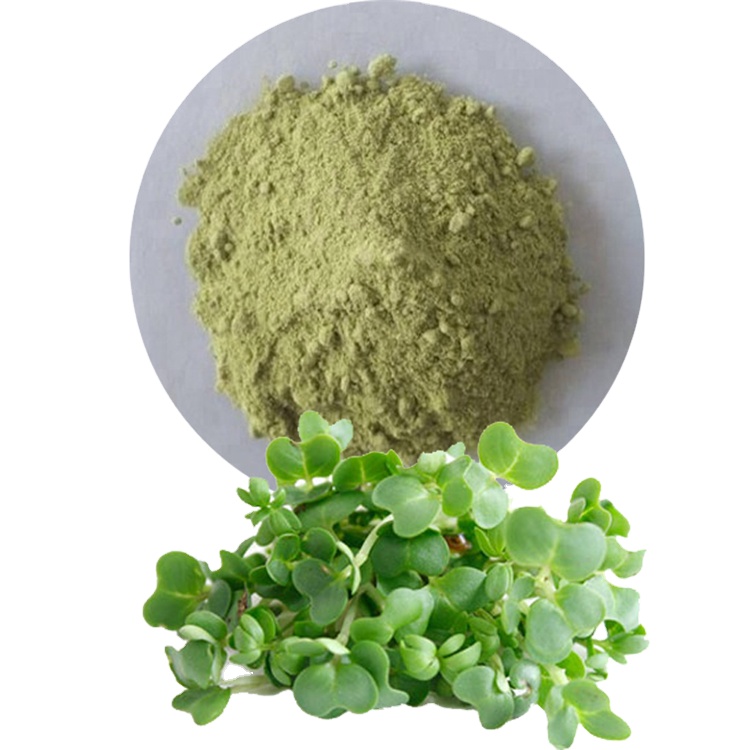
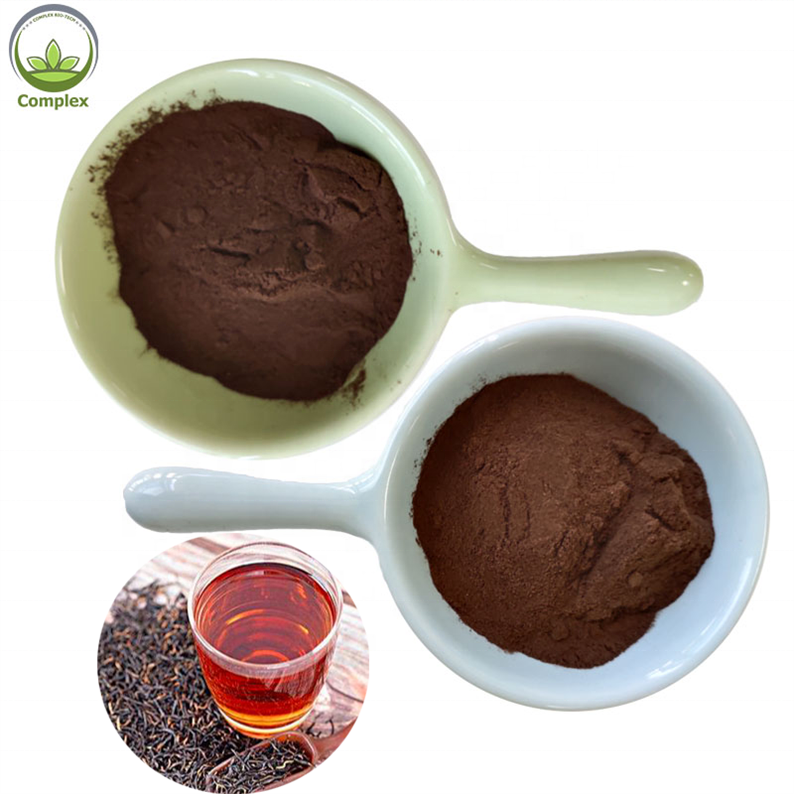
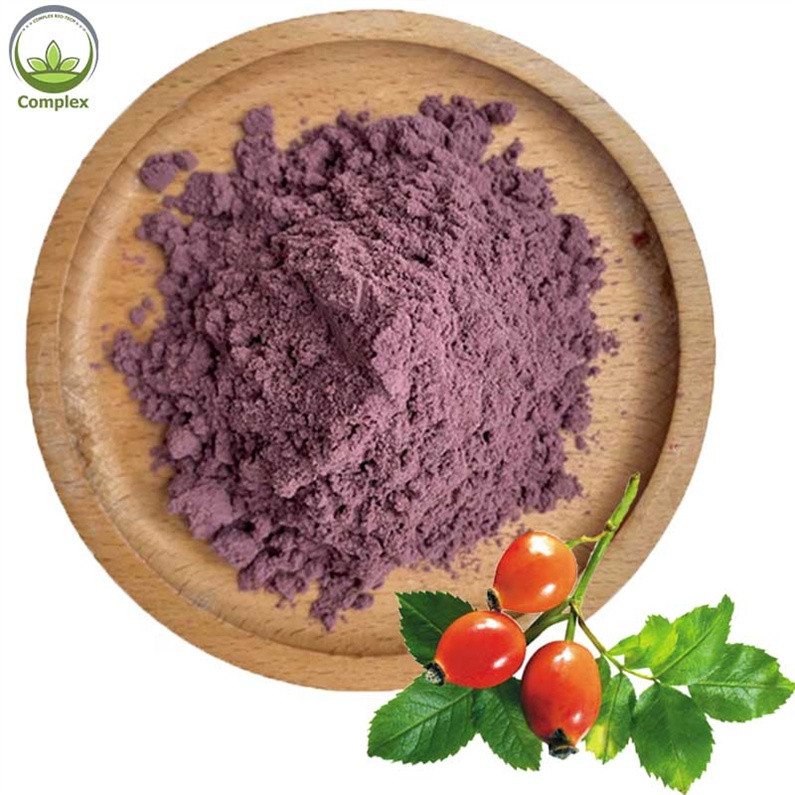
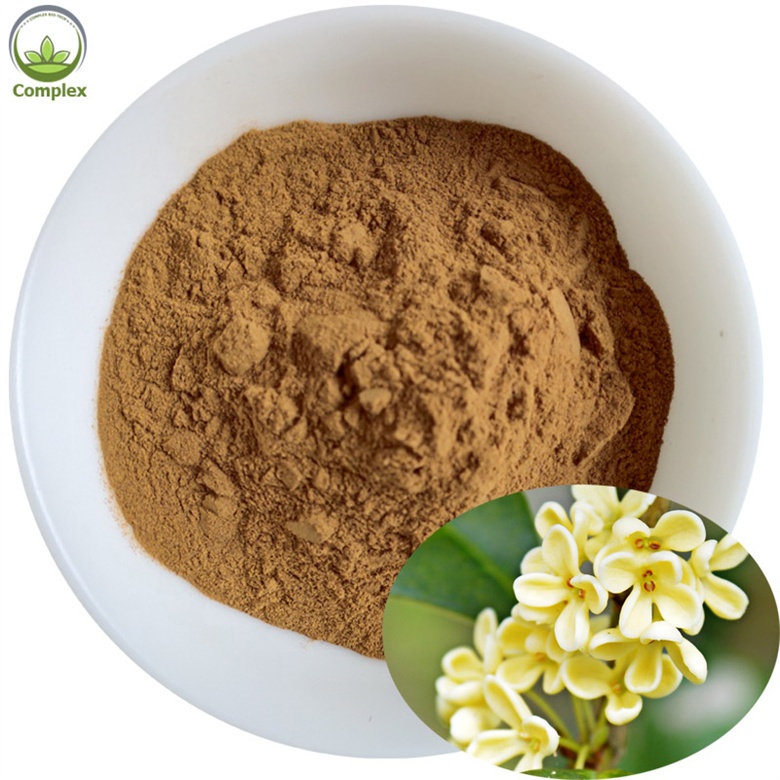
The global marketplace for botanical compounds, nutraceutical actives, and functional floral ingredients has entered a transformative era. Procurement directors across the United States, the European Union, the United Kingdom, and the Asia-Pacific region are no longer satisfied with generic ratio extracts (e.g., standard 4:1 or 10:1 declarations). Instead, contemporary formulations demand validated, marker-standardized phytochemical matrices that maintain chromatographic consistency across diverse seasonal harvests. China, specifically the inland bioscience hub surrounding Xi'an in Shaanxi Province, has emerged as the definitive global powerhouse for botanical derivation. Positioned at the geographical origin of the ancient Silk Road and flanked by the Qinling Mountains—an ecological biosphere encompassing thousands of indigenous medicinal plant species—China controls both the genetic variety of raw floral botanicals and the high-throughput industrial infrastructure necessary to process them.
Historically, the botanical supply ecosystem suffered from extensive supply-chain fragmentation, inconsistent moisture content during primary gathering, non-standard drying methodologies, and adulteration with synthetic colorants or unlisted carriers. Today, elite Chinese manufacturing facilities have overhauled these dynamics through deep technological verticalization. Modern industrial processing integrates supercritical carbon dioxide fluid extraction, ultrasonic acoustic cavitation, advanced cross-linked macroporous resin adsorption, and low-temperature membrane multi-stage concentration. This prevents the thermal degradation of delicate heat-sensitive bioactives such as phenolic acids, anthocyanins, volatile terpenoids, and bioactive enzyme networks (such as lumbrokinase complexes). Consequently, procurement directors acquire botanical extracts that integrate directly into continuous production lines, including dietary softgels, functional powdered beverage sachets, clinical emulsions, and advanced topical dermatological systems.
As regulatory frameworks such as the European Food Safety Authority (EFSA), the United States FDA Dietary Supplement Health and Education Act (DSHEA), and the United States Pharmacopeia (USP) tighten compliance criteria, procurement officers must adapt their verification processes. Future purchasing contracts will heavily depend on quantifiable analytical milestones rather than subjective sensory appraisals.
| Quality / Compliance Metric | Traditional Procurement Standard | Future B2B Industry Mandate (2025–2030) | Strategic Analytical Methodology |
|---|---|---|---|
| Compound Verification | Non-specific UV-Vis spectrometry spectrophotometry | Target marker quantification & fingerprint matching | High-Performance Liquid Chromatography (HPLC / UPLC) |
| Pesticide Residues | Aggregated compliance assertions | Screening across 400+ specific pesticides (EC 396/2005) | Liquid/Gas Chromatography-Tandem Mass Spectrometry (LC-MS/MS, GC-MS/MS) |
| Heavy Metal Speciation | Total combined heavy metals < 10ppm or 20ppm | Speciation: Inorganic Arsenic, Cadmium, Lead, Mercury | Inductively Coupled Plasma Mass Spectrometry (ICP-MS) |
| Excipients & Carriers | Undeclared maltodextrin blending (up to 40%) | 100% pure botanical native solids or certified clean carriers | Enzymatic hydrolysis assays & carbon isotope C-14 testing |
| Microbiological Safety | Standard aerobic plate counts | Zero pathogens, absence of aflatoxins (B1, B2, G1, G2), cold pasteurization | Automated qPCR pathogen screening & irradiated validation |
In addition to strict contaminant management, upcoming procurement contracts prioritize sustainability footprints and supply transparency. Leading multinational brands require life-cycle assessments (LCAs) for energy expenditure during extraction, closed-loop solvent reclamation guarantees, and zero-deforestation agrarian traceability. Chinese manufacturers operating high-efficiency processing plants now offer comprehensive chain-of-custody documentation, mapping each drum of finished powder back to specific cooperative agrarian plots within geographic origin zones.
The botanical extraction sector is transitioning from gross solvent extraction into precise molecular fractionation. Historical maceration, percolation, and atmospheric reflux often compromised bio-efficacy through prolonged exposure to elevated temperatures, hydrolyzing complex glycosides and denaturing fragile enzymes. Technological progress driven by university research partnerships in Xi'an has introduced four disruptive processing vectors to the global export landscape:
1. Ultrasound-Assisted Countercurrent Extraction (UACE): Acoustic cavitation creates micro-implosions within plant cell walls, instantaneously releasing bound secondary metabolites into the aqueous or ethanolic extraction medium without destructive thermal spikes. This technique is essential for preserving the aromatic volatile profiles of flowers like Osmanthus fragrans and the antioxidant polyphenols in rosehips (Rosa canina).
2. Macroporous Synthetic Resin Adsorption & Column Chromatography: Crude botanical broths contain inert ballast materials—including free simple sugars, structural celluloses, and common gums. Passing extracts through tailored non-polar or polar polymeric cross-linked resins selectively binds targeted aglycones, flavonoids, or glycosides while flushing inert bulk carbohydrates. Desorption with pharmaceutical-grade food ethanol yields high-purity fractions with assay levels reaching 50% to 98% (such as pure icariin from Epimedium or isolated crocin from saffron).
3. Advanced Membrane Micro- and Nano-Filtration: Replacing chemical flocculants and harsh fining agents, multi-stage ceramic membranes with molecular weight cut-offs (MWCO) ranging from 1,000 to 100,000 Daltons isolate active fractions from residual starches. This cold-processing filtration ensures that products like instant black tea extract and soursop leaf infusions yield completely crystal-clear water solutions with zero haze, particulate precipitation, or sediment upon reconstitution in cold liquids.
4. Vacuum Low-Temperature Freeze-Drying (Lyophilization) vs. Precision Atomization: Spray drying operating parameters have been completely redesigned. Using closed-cycle dehumidified nitrogen circulation loops, delicate extracts are dried at low inlet temperatures (below 60°C), preserving natural colors, volatile aroma esters, and bioactive structures that conventional high-heat spray dryers typically destroy.
Translating botanical scientific research into tons of standardized ingredients with batch-to-batch chemical reproducibility.
We operate 2 standardized factories running 4 continuous production lines alongside 2 specialized pilot lines. Our GMP-certified extraction cleanrooms enable seamless formula scale-up from 500-gram R&D trial lots to multi-ton commercial manufacturing without shifting processing dynamics.
Our independent R&D center is equipped with High-Performance Liquid Chromatography (HPLC), Gas Chromatography (GC), and UV-Vis Spectrophotometry. Every production batch undergoes comprehensive chemical verification, guaranteeing precise active marker levels, zero adulterants, and complete transparency.
Our workforce features 18 senior and mid-level biochemical technicians supported by 5 licensed Traditional Chinese Medicine (TCM) pharmacists. This clinical botanical expertise ensures strict botanical species identification before physical milling, preventing adulteration at the raw-material intake stage.
We maintain active joint research laboratories with three prestigious academic institutions in Xi'an: Xi'an Jiaotong University, Northwest University, and Xi'an University of Science and Technology. These collaborations give our commercial partners priority access to cutting-edge purification methodologies.
Beyond bulk raw powders, we provide full custom processing: customized extraction ratios, target active concentration adjustments, specific mesh particle sizing (from standard 80 mesh up to 300 mesh micronized), proprietary botanical blending, and turnkey private-label packaging.
With 6+ years of verified trade operations serving enterprise clients in over 30 countries, we maintain a 99% inquiry response rate with technical feedback within two hours. We maintain permanent safety stocks for core items, supporting a 1 kg MOQ for pilot trials alongside seamless multi-ton maritime logistics.
Technical, logistical, and compliance details to streamline your supply chain approval process.
Every commercial dispatch includes a comprehensive, lot-specific Certificate of Analysis (COA) confirming physical parameters (color, odor, mesh size), loss on drying, ash content, microbial counts (total plate count, yeast/mold, E. coli, Salmonella), heavy metal assays (Pb, Cd, As, Hg by ICP-MS), and HPLC/GC marker verification. Extended documentation—including material safety data sheets (MSDS), non-GMO affidavits, allergen checklists, manufacturing flowcharts, and technical specification dossiers—is furnished upon request.
Authenticity is verified through a two-step checkpoint system. First, our 5 licensed TCM pharmacists inspect incoming raw material whole botanicals using macro-morphological and microscopic examinations. Second, our testing center validates the identity against botanical reference standards using Thin-Layer Chromatography (TLC) or High-Performance Liquid Chromatography (HPLC) fingerprinting, guaranteeing the material matches the specific Latin binomial (e.g., authentic Rosa canina vs. non-standard species) before entering the extraction pipeline.
To support formulator research and new product development, standard catalog items maintain a baseline MOQ of 1 kg, vacuum-packed in aluminum foil bags with internal double-layered pharmaceutical-grade polyethylene liners. For customized extraction ratios, non-standard active assay concentrations, or custom OEM/ODM packaging (such as pre-measured functional sachets), the starting MOQ typically begins at 25 kg to 100 kg, depending on production-line cleaning parameters and raw botanical batch requirements.
We primarily utilize clean-label extraction solvents: pure deionized water and food-grade fermentation-derived grain ethanol (USP/FCC grade). Hydrocarbon solvents are strictly managed under closed-loop environments. All final dried botanical extracts are processed to maintain residual solvent concentrations far below the strict thresholds outlined by the United States Pharmacopeia (USP <467>) and the European Pharmacopoeia (EP 5.4), with verification conducted via static headspace Gas Chromatography (GC).
Standard in-stock powders are dispatched within 2 to 5 business days following technical batch clearance. Custom synthesis, specialized milling, or pilot extractions typically require 10 to 18 business days. We coordinate air express courier shipments (DHL, FedEx, UPS) for pilot quantities and time-sensitive materials, alongside bonded air-freight and temperature-controlled sea-freight arrangements for commercial container loads departing from major Chinese logistics hubs, complete with customs and phytosanitary clearance documentation.
Connect with our technical extraction team in Xi'an. Request lot-specific COAs, reserve pilot validation samples, or discuss custom specification manufacturing tailored to your formulation requirements.
Contact Us