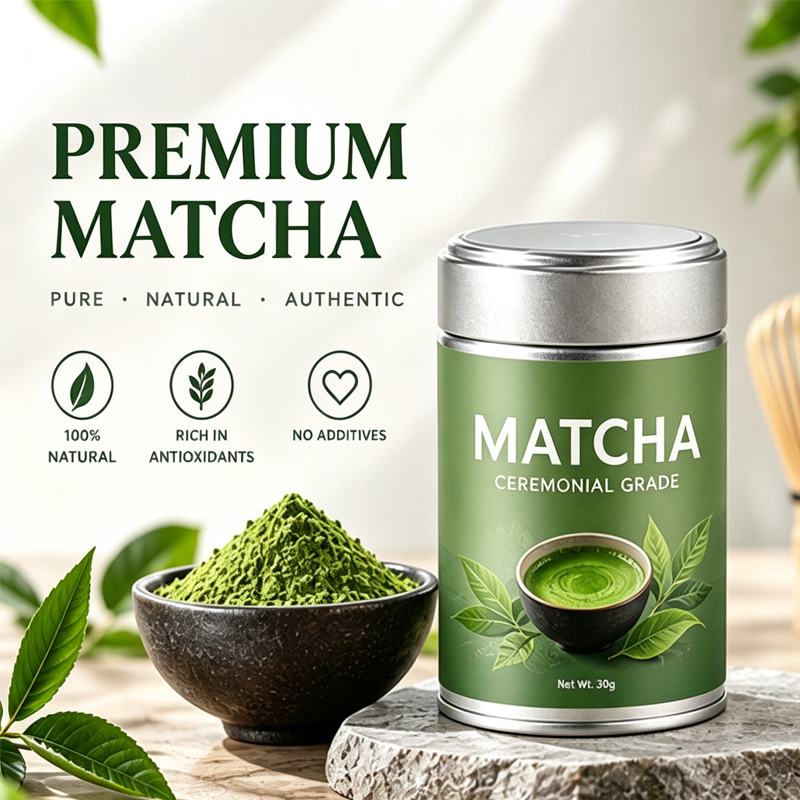
Ceremonial Grade
Each botanical ingredient is derived from traceable agricultural origins in Shaanxi and processed using dynamic sub-critical or water extraction, validated against strict molecular markers.
Navigating changing compliance frameworks, carbon-neutral processing, and standardized bio-potency benchmarks for B2B botanical ingredient importers.
Global regulatory bodies (US FDA, EFSA, and TGA) are shifting away from generic non-specific UV spectrophotometric assays toward fingerprint-level HPLC-DAD and LC-MS/MS testing. Importers require batch-specific chromatographic confirmation to combat economic adulteration and ensure consistent batch-to-batch phytochemical profiles.
Modern consumers demand clean declarations with zero residual toxic petrochemicals. Procurement teams increasingly reject extracts produced via hexane or chlorinated hydrocarbons, preferring green subcritical water extraction, superheated steam drying, and eco-certified ethanol pathways that deliver zero trace solvents.
Import compliance mandates total absence of Ethylene Oxide (ETO) and Pyrrolizidine Alkaloids (PAs). Enterprise buyers require end-to-end traceability with geotagged harvest origins, controlled irradiation protocols, and validated sterilization techniques that maintain active component bio-integrity.
From single compound isolation to multi-fraction synergistic matrices: how bio-engineering is reshaping botanical performance.
Extract powders frequently encounter bioavailability bottlenecks, hygroscopic degradation, or bitter organoleptic challenges. By applying modern microencapsulation with natural cyclodextrins and lipid-based micelle carriers, botanical polyphenols demonstrate up to 8x higher intestinal absorption while remaining protected from light and heat oxidization.
Operating water under pressurized conditions (between 100°C and 374°C) alters its dielectric constant, making it act like organic solvents such as ethanol or methanol. This green thermodynamic method isolates both moderately polar and non-polar phytochemical compounds without leaving any organic solvent residue behind in finished lots.
Targeted bio-catalysis utilizing specialized pectinases, cellulases, and beta-glucosidases cleaves glycosidic linkages to liberate higher concentrations of aglycones. This technique substantially elevates active yields (such as transforming ginsenosides or flavonoids) for higher biological efficacy in cosmeceutical and nutraceutical lines.
Located at the hub of China's herbal supply chain in Xi'an, Shaanxi, combining raw agricultural access with cutting-edge academic validation.
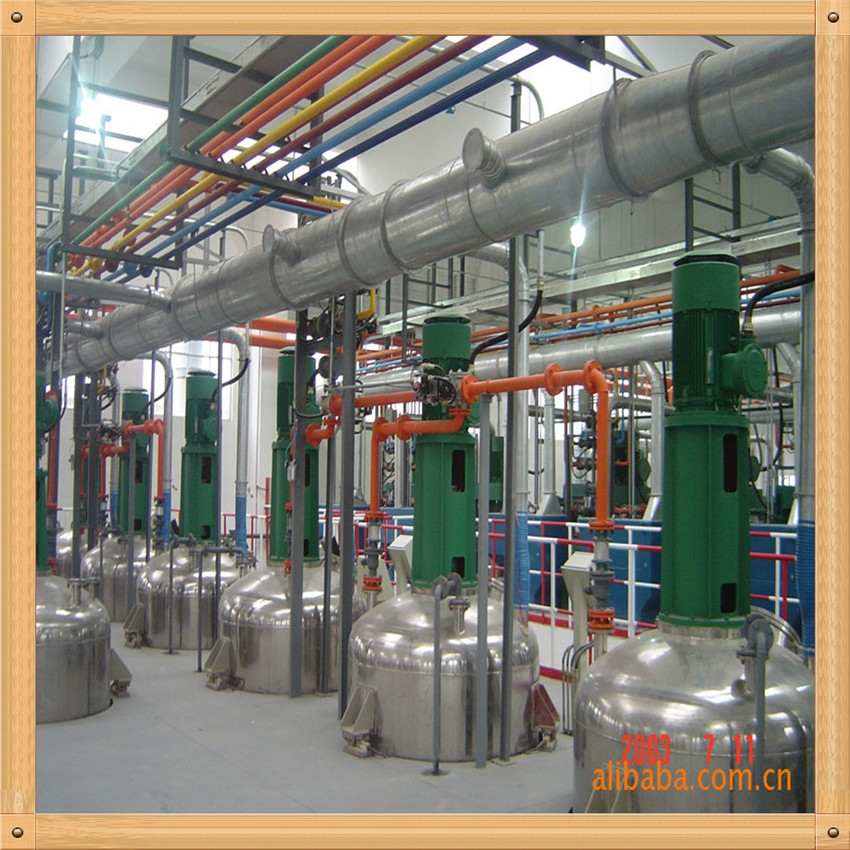
Our infrastructure eliminates scale-up risk. While small laboratories struggle with commercial yields and large mass-producers reject custom specifications, our dual facility layout solves both bottlenecks.
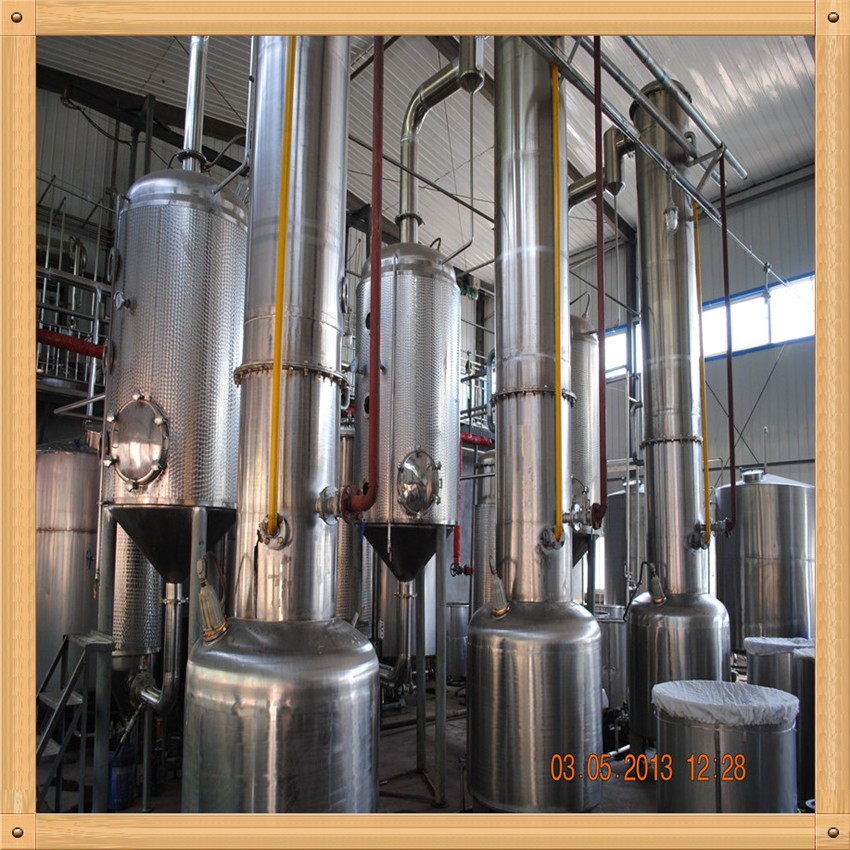
Quality assurance is backed by certified testing equipment and collaborative research partnerships with top academic institutions across Shaanxi.
Every shipment is accompanied by a full Certificate of Analysis validating chemical assay, microbiology, moisture, heavy metals, and solvent residue.
Operating across international time zones with a verified 99% message response speed. Regulatory technical sheets delivered within 24 hours.
Reduce risk during prototype evaluation. Most botanical extract powders and freeze-dried ingredients start with a trial MOQ of just 1 kg.
From tailor-made extraction ratios (10:1, 20:1, 50:1) to custom particle mesh sizing (60 to 1200 mesh) and private-label finished sachet packaging.
Clear technical answers addressing the critical regulatory, testing, and logistical inquiries of international supply chain directors.
Every incoming botanical raw material batch is authenticated by our licensed TCM pharmacists through macroscopic examination, micro-morphology, and High-Performance Thin-Layer Chromatography (HPTLC) fingerprinting against reference pharmacopeial standards. We routinely conduct DNA barcoding on high-risk herbs to guarantee species purity.
We deploy marker-specific instrumentation: HPLC with DAD/UV/RID detectors for non-volatile compounds (such as Icariin, Acetogenins, and Peptides), Gas Chromatography (GC-FID/MS) for volatile terpenoids and fatty acid profiles, and spectrophotometry (UV-Vis) for total polysaccharides and polyphenols. We never use non-specific total methods to claim high marker percentages.
Yes. Alongside our batch Certificate of Analysis (COA), we provide comprehensive regulatory packets upon request: Material Safety Data Sheets (MSDS), Technical Data Sheets (TDS), Manufacturing Flow Charts, BSE/TSE-Free Certificates, Non-GMO Declarations, Allergen Statements, and residual solvent reports conforming to USP <467> and Ph. Eur. standards.
Each production batch undergoes ICP-MS screening for heavy metals (Lead <3.0ppm, Arsenic <2.0ppm, Cadmium <1.0ppm, Mercury <0.1ppm). Pesticide residues are tested via GC-MS/MS and LC-MS/MS against EPA and European Pharmacopoeia multi-residue panels covering over 400 agrochemical compounds.
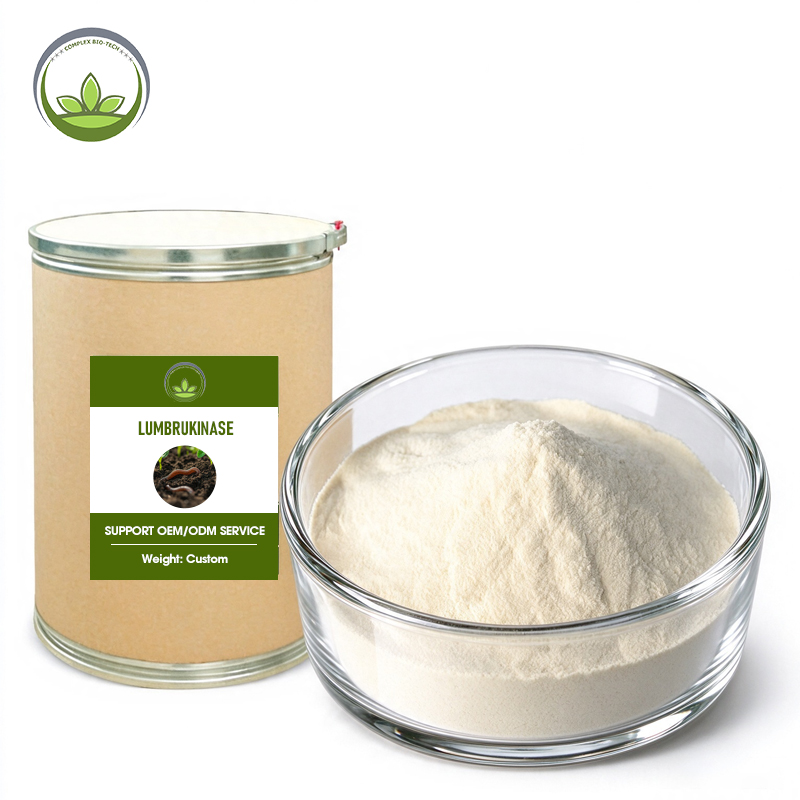
Standard bulk orders are sealed in double-layer pharmaceutical polyethylene food bags placed inside 25 kg fibre drums, or vacuum-sealed aluminum foil pouches (1 kg to 5 kg). For temperature-sensitive actives (e.g., Lumbrokinase or selected peptides), temperature-controlled cold-chain shipping with integrated data loggers is deployed via air express.
Our OEM workflow begins with technical review of your target assay, carrier preferences (maltodextrin, acacia gum, or carrier-free), bulk density, and mesh size. Our pilot workshop formulates a 100g–500g prototype for bench evaluation. Upon pilot batch sign-off, we scale seamlessly through our 4 industrial production lines.
Connect with our technical application specialists today to request comprehensive batch COAs, pilot samples, or customized formulation quotes for your next product launch.