SirnBIO-TECH Talk to Us
Search by product name, Latin name or CAS number.


A deep dive into botanical origin, chlorogenic acid polyphenol isomer distributions, decaffeination technologies, analytical fidelity, and regulatory compliance for brand formulators and procurement directors worldwide.
As functional nutrition transitions from generalized health claims to verifiable biochemical biomarkers, Green Coffee Bean Extract (derived primarily from unroasted beans of Coffea arabica L. and Coffea canephora / Coffea robusta) has emerged as an indispensable polyphenol active. Valued for its robust concentrations of polyphenolic compounds known as chlorogenic acids (CGA), this raw botanical ingredient serves as a cornerstone in cardiometabolic formulations, glucose metabolism modulators, weight management supplements, and sports endurance blends.
Unlike regular roasted coffee beans, which undergo intense thermal degradation leading to pyrolytic breakdown of thermal-labile polyphenols into chlorogenic acid lactones and acrylamides, unroasted green coffee beans preserve the native ester matrix formed between caffeic acid, ferulic acid, and quinic acid. In commercial procurement, determining the exact isomeric fingerprint is vital. The biological efficacy depends not simply on generic total polyphenol content, but on the precise stoichiometric ratio of mono-caffeoylquinic acids (particularly 5-CQA, often designated under CAS 327-97-9), di-caffeoylquinic acids (3,4-diCQA, 3,5-diCQA, 4,5-diCQA), and feruloylquinic acids (FQA).
International corporate QA departments often identify striking assay discrepancies when auditing Certificates of Analysis (COA). Standard UV/Vis spectrophotometric tests measuring absorption around 324 nm typically overestimate polyphenol fractions by 15% to 30% due to overlapping spectral interference from background hydroxycinnamic acid derivatives and melanoidin-like complexes. At Xi'an Sirn Bio-Tech Co., Ltd., all our Green Coffee Bean Extract batches are standardized using validated Reversed-Phase High-Performance Liquid Chromatography (RP-HPLC) paired with Diode Array Detection (DAD). This provides absolute chromatographic separation and true quantitative resolution of 5-CQA and total monomeric chlorogenic acids.
Botanical Origin: 100% Unroasted Coffea arabica beans.
Marker Compounds: Total Chlorogenic Acids ≥50.0% (HPLC), 5-CQA ≥25.0%.
Caffeine Content: Natural caffeine profile ≤8.0% (HPLC).
Appearance: Light greenish-yellow to yellow-brown fine powder, 100% passing 80 mesh.
Recommended Applications: Hard gelatin & HPMC encapsulation, compressed dietary tablets, and powdered metabolic support formulas.
Inquire NowBotanical Origin: Selective blend of Coffea arabica & Coffea robusta.
Marker Compounds: Total Chlorogenic Acids ≥50.0% (HPLC).
Caffeine Concentration: Decaffeinated to Caffeine ≤2.0% (or ultra-low <0.5%).
Process: Supercritical hydro-elution and selective macroporous resin purification without chlorinated solvents.
Recommended Applications: Evening metabolic formulas, caffeine-sensitive health drinks, functional meal replacements, and stimulant-free RTD beverages.
Inquire NowBotanical Origin: Solvent-free water extraction of green coffee seeds.
Marker Compounds: Chlorogenic Acid 10%–20% (HPLC), fully water-soluble.
Physical Characteristics: Neutralized bitterness, 100% instant cold-water solubility without turbidity.
Process: Spray dried under vacuum flash evaporation.
Recommended Applications: Instant functional drink sachets, mushroom coffee blends, nutritional stick packs, effervescent tablets, and functional gummies.
Inquire Now| Parameter / Quality Index | Standard Commercial Grade | Premium Decaffeinated Grade | Instant Soluble RTD Grade |
|---|---|---|---|
| Active Compound (HPLC) | Total CGA ≥50.0% (5-CQA ≥25%) | Total CGA ≥50.0% (5-CQA ≥20%) | Total CGA 10.0%–20.0% |
| Caffeine by HPLC | Natural level (≤5.0% - 8.0%) | Decaffeinated (<2.0% or <0.5%) | Natural level (2.0% - 4.0%) |
| Extraction Solvent | Grain Ethanol & DI Water | DI Water & Food-Grade Alcohol | 100% Deionized Water |
| Loss on Drying (LOD) | ≤5.0% | ≤5.0% | ≤5.0% |
| Bulk Density | 0.45 – 0.65 g/mL | 0.45 – 0.65 g/mL | 0.40 – 0.55 g/mL |
| Pesticide Residue Limits | Complies with EC 396/2005 & USP <561> | Complies with EC 396/2005 & USP <561> | Complies with EC 396/2005 & USP <561> |
| Heavy Metals (ICP-MS) | Pb <0.5ppm, As <0.5ppm, Cd <0.2ppm | Pb <0.5ppm, As <0.5ppm, Cd <0.2ppm | Pb <0.5ppm, As <0.5ppm, Cd <0.2ppm |
| Standard Packaging | 25 kg/drum; 1 kg trial pouch | 25 kg/drum; 1 kg trial pouch | 25 kg/drum; 1 kg trial pouch |
Emerging regulatory shifts, consumer sustainability mandates, and technical innovations redefining the international raw botanical supply landscape.
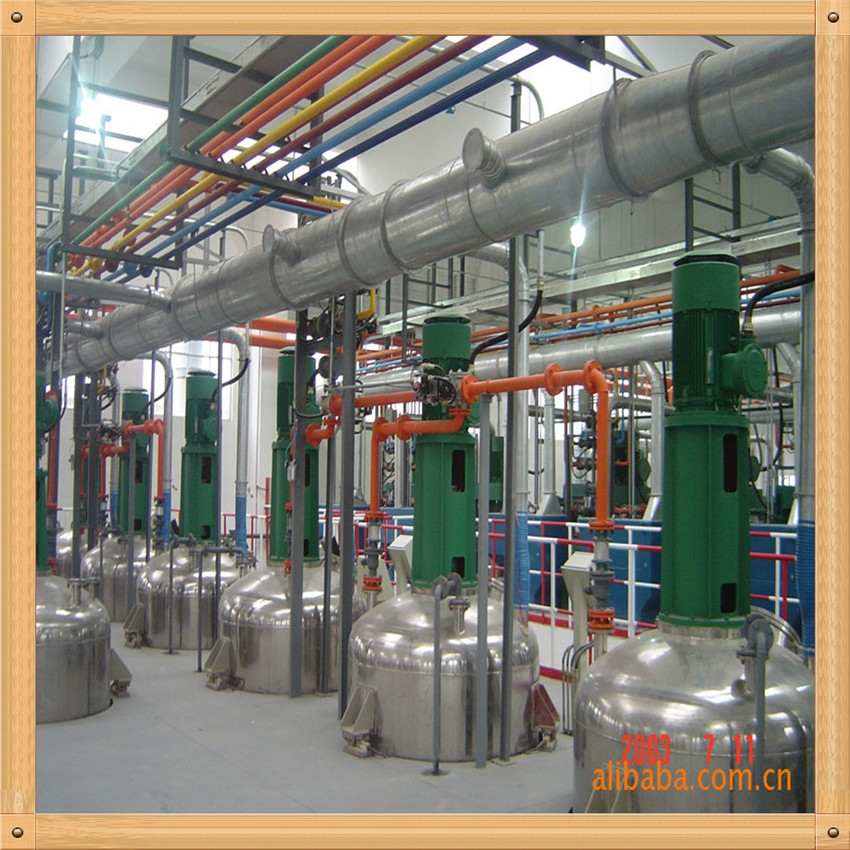
Historically, industrial decaffeination utilized volatile organic chemicals such as dichloromethane (methylene chloride) or ethyl acetate. Stricter FDA tolerances, European Food Safety Authority (EFSA) guidance, and Proposition 65 enforcement have shifted purchasing trends toward zero-chemical solvent regimes. Sourcing managers now specify pure water-phase elution or selective food-grade alcohol fractionation. This preserves complete active chlorogenic acid profiles while lowering caffeine below 0.5% without leaving hazardous trace halogenated residuals.
Procurement teams at research-oriented supplement brands no longer settle for a blanket "50% Chlorogenic Acid" claim on paper. Current clinical pharmacology confirms that di-caffeoylquinic acids (diCQAs) have distinct biological half-lives and hepatic bioavailabilities compared to 5-CQA monomer. Buyers are demanding HPLC isomer characterization that demonstrates intact ratios of 3-CQA, 4-CQA, and 5-CQA. Batch testing via HPLC verifies that the raw material is authentic unadulterated green coffee seed extract, guarding against synthetic spike chemicals or unverified caffeic acid blending.
With Green Coffee Bean Extract expanding into functional gummies, RTD canned beverages, and stick-pack instant coffees, sensory palatability and strict food contaminants take center stage. Brands are insisting on rigorous screening for acrylamides (which must remain practically non-detectable compared to dark-roasted coffee bean powders), polycyclic aromatic hydrocarbons (PAH4), and heavy metals (ICP-MS testing with Pb <0.5 ppm, Cd <0.2 ppm, As <0.5 ppm, and Hg <0.1 ppm). In-process organoleptic refinement ensures clean clarity without chalky precipitate or bitter astringency.
Translating metabolic research into next-generation commercial products across multiple functional categories.
Modern product development leverages chlorogenic acid's inhibition of glucose-6-phosphatase alongside alpha-glucosidase moderation. Formulators pair Green Coffee Bean Extract with berberine, chromium picolinate, and ceylon cinnamon extract to formulate comprehensive glycemic and metabolic balance solutions.
The global functional coffee sector has grown rapidly. Brands formulate instant coffees and wellness beverages combining Lion's Mane, Cordyceps, and Chaga with decaffeinated green coffee bean extract. This delivers polyphenol-rich antioxidant support without elevating heart rate or causing caffeine jitter.
Advanced skincare brands recognize chlorogenic acids as potent scavengers of reactive oxygen species (ROS) that inhibit advanced glycation end-products (AGEs). Topical serums and ingestible beauty-from-within elixirs leverage the compound to protect dermal collagen architecture and promote skin microvascular tone.
Located in Xi'an, where the Silk Road and traditional herbal medicine begin, we integrate natural botanical resources with advanced pharmaceutical university research.
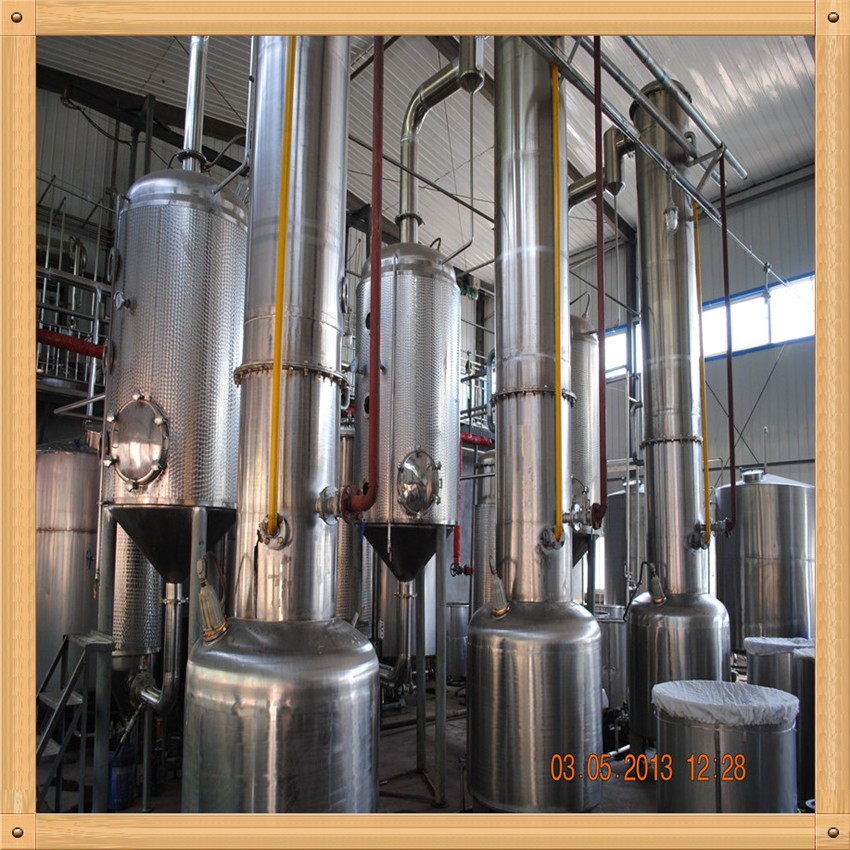
Our industrial production footprint includes 2 standard manufacturing factories housing 4 continuous standard production lines, 2 pilot production lines, and a certified GMP-standard workshop. This dual-facility infrastructure ensures that your Green Coffee Bean Extract order scales from early bench trials to multiple metric tons under identical thermodynamic and extraction conditions.
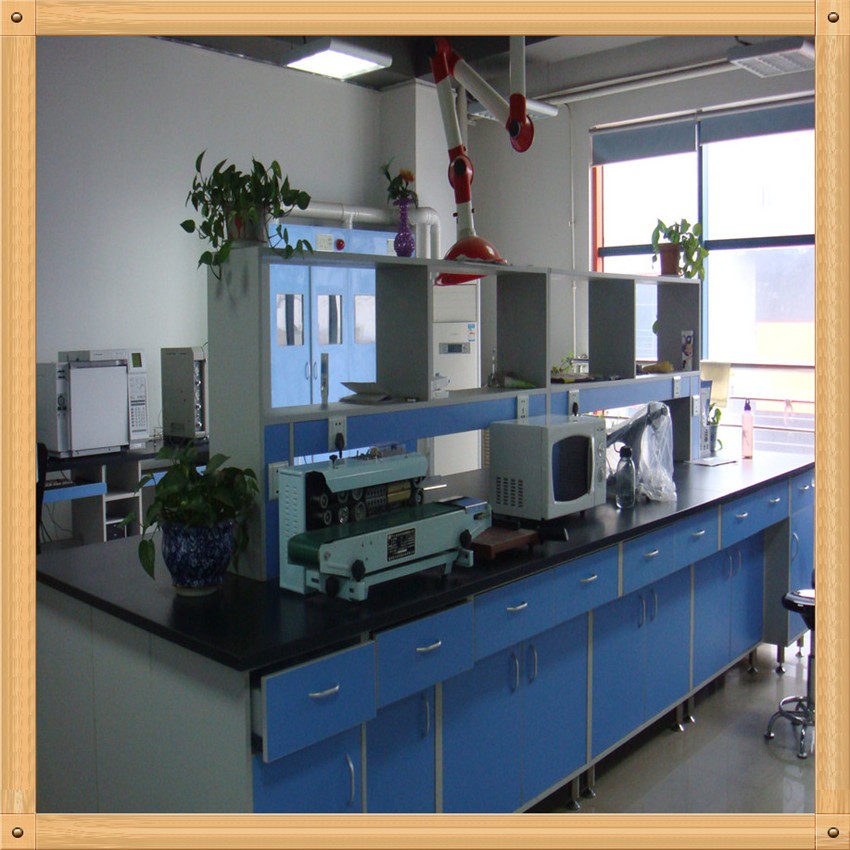
Xi'an Sirn Bio-Tech Co., Ltd. operates joint research laboratories in partnership with prestigious universities: Xi'an Jiaotong University, Northwest University, and Xi'an University of Science and Technology. Our technical roster of 30 employees includes 18 senior and medium-grade technicians and 5 licensed pharmacists specializing in traditional medicine and phytochemical chemistry.
Equipped with gaseous phase (GC), HPLC, and ultrasound equipment for full batch verification.
Average message response time under 2 hours, supported by a 99.02% historical inquiry response rate.
Trusted repeat purchase rate reflecting reliable batch uniformity, color stability, and assay integrity.
Low minimum orders for pilots, alongside multi-ton capacity for established commercial brand programs.
Direct technical answers addressing active compound validation, regulatory compliance, micro-testing, solvents, and private-label production.
We quantify chlorogenic acid via Reversed-Phase High-Performance Liquid Chromatography (RP-HPLC) with UV/DAD detection at 325-327 nm, using a C18 bonded stationary phase (such as 250 mm × 4.6 mm, 5 μm) with an acetonitrile / acidified water mobile phase gradient. This approach isolates 5-caffeoylquinic acid (5-CQA) from isomers like 3-CQA, 4-CQA, and dicaffeoylquinic acids (3,4-diCQA, 3,5-diCQA, 4,5-diCQA). We validate against USP and EP reference standards to provide accurate analytical results on every Certificate of Analysis.
Our decaffeinated green coffee bean extract is produced using pure water-phase counter-current extraction and food-grade macroporous adsorption resin columns. We avoid chlorinated hydrocarbons such as dichloromethane and ethyl acetate. Our standardized decaffeinated powder guarantees residual caffeine below 2.0% by HPLC, with custom ultra-low batches achieving <0.5% caffeine for bedtime or stimulant-sensitive supplement formulations.
Our raw unroasted green coffee beans are screened upon entry for over 400 pesticide residues per the USP <561> and European Pharmacopoeia (EP 2.8.13) multi-residue panels via GC-MS/MS and LC-MS/MS. Heavy metals are evaluated using Inductively Coupled Plasma Mass Spectrometry (ICP-MS), ensuring Lead <0.5 ppm, Arsenic <0.5 ppm, Cadmium <0.2 ppm, and Mercury <0.1 ppm to comply with California Proposition 65. Microbial parameters (Total Plate Count <1,000 CFU/g, Yeast & Mold <100 CFU/g, Salmonella absent/25g, E. coli absent/10g) are verified before release.
Every commercial lot ships with a comprehensive batch-specific documentation dossier including: Certificate of Analysis (COA) with HPLC chromatograms, Technical Data Sheet (TDS), Safety Data Sheet (SDS / MSDS per GHS format), Manufacturing Process Flow Chart, Non-GMO Attestation, BSE/TSE Statement, Allergen Declaration, California Prop 65 Statement, and Certificate of Origin. Additional technical support documents are available on request.
Yes. Supported by our 1 GMP-standard workshop, 2 pilot lines, and joint university research facilities, Xi'an Sirn Bio-Tech Co., Ltd. provides comprehensive OEM/ODM contract manufacturing. We offer custom mesh sizing (from standard 80 mesh up to 200 mesh micro-powders), custom active standardization ratios, dry blending with functional botanical powders, and packaging formats ranging from 1 kg vacuum pouches and 25 kg drums to finished retail-ready sachets and private-label stick-packs.