SirnBIO-TECH Talk to Us
Search by product name, Latin name or CAS number.
Certified standard plant active compounds, high-titer botanical extracts, and pharmaceutical-grade peptides synthesized for high-performance dermaceutical formulations.
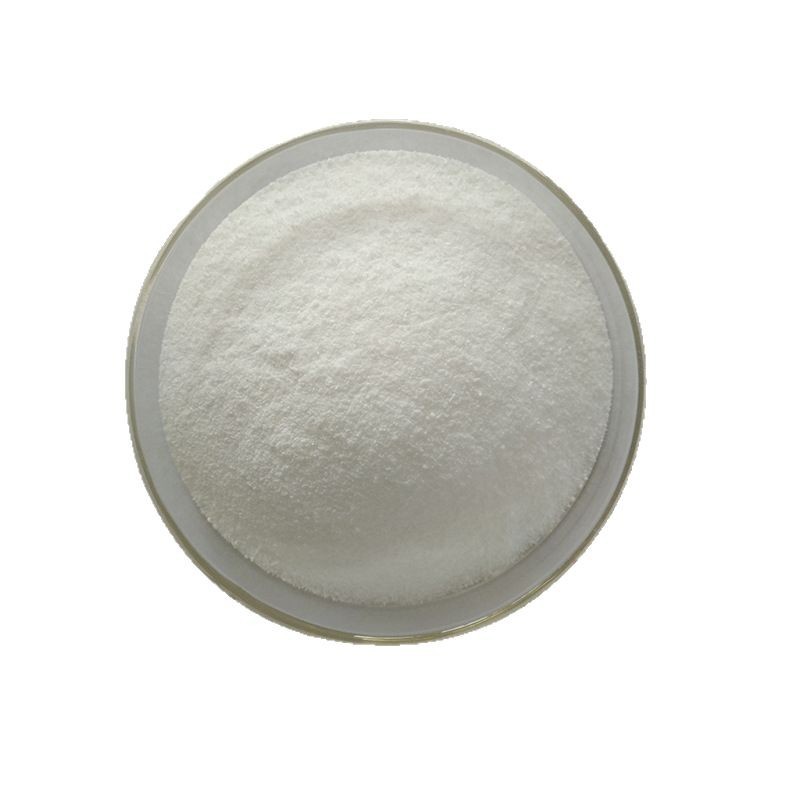
Copper Tripeptide-1 (INCI designation: Copper Tripeptide-1, CAS Number: 49557-75-7), frequently categorized as GHK-Cu, is an endogenous peptide-mineral complex comprising the tripeptide glycyl-L-histidyl-L-lysine chelated with divalent copper ions [Cu(II)]. First isolated from human plasma, this biologically active metallopeptide plays an indispensable physiological role in extracellular matrix (ECM) homeostasis, dermal tissue remodeling, anti-inflammatory modulation, and cellular longevity signaling pathways.
As premier exporters delivering high-spec raw materials to Serbian pharmaceutical and cosmetic producers, Xi'an Sirn Bio-Tech implements rigorous chemical purification using multi-column preparative High-Performance Liquid Chromatography (Prep-HPLC). This process guarantees that every production batch achieves a minimum peptide content of ≥98.0%, strictly limiting uncomplexed free copper ions to avoid oxidative discoloration or degradation within complex formulations.
| Analytical Parameter | Monograph Standard (EP / Sirn Bio-Tech Internal) | Analytical Instrumentation Method |
|---|---|---|
| Physical Appearance | Fine, homogeneous blue to violet-blue crystalline powder | Visual & Colorimetric Evaluation |
| Peptide Purity (HPLC) | ≥98.0% (area normalization) | Reverse-Phase HPLC (C18 Column, UV 220 nm) |
| Copper Content (Cu²⁺) | 8.0% – 10.5% (dry basis) | Inductively Coupled Plasma Optical Emission (ICP-OES) |
| Solubility Profile | Freely soluble in deionized water, buffers, and glycerol | Direct Dissolution Test (10 mg/mL at 20°C) |
| Moisture Content (Karl Fischer) | ≤7.0% | Volumetric Karl Fischer Titration |
| Residual Solvents | Complies with ICH Q3C Guidelines (Acetate, Acetonitrile ≤410 ppm) | Headspace Gas Chromatography (HS-GC-MS) |
| Heavy Metals (Pb, As, Cd, Hg) | Total heavy metals <10 ppm; Individual trace elements <1 ppm | Atomic Absorption Spectrometry (AAS) / ICP-MS |
Serbia's skincare and cosmetic development sector is experiencing a paradigm shift. Domestically clustered around specialized laboratories and contract manufacturers in Belgrade, Novi Sad, and Niš, consumer demand is rapidly shifting away from conventional decorative cosmetics toward functional dermaceuticals, clean clinical skincare, and surgical-recovery topical solutions. The Serbian regulatory landscape aligns with the broader EU Cosmetic Regulation (EC No 1223/2009), demanding documented ingredient safety, comprehensive Cosmetic Product Safety Reports (CPSR), and absolute trace-contaminant clearance.
Belgrade has evolved into a regional Southeast European hub for aesthetic medicine. Medical spas and dermatological centers demand post-laser, microneedling, and post-peel re-epithelialization serums enriched with pure GHK-Cu powder to accelerate tissue repair cycles.
With continental winters, dry winds, and municipal atmospheric stresses across Vojvodina and Central Serbia, local brands focus on protective formulations that reinforce the stratum corneum and upregulate metalloproteinase inhibitors via topical peptide therapy.
Serbian consumers expect targeted, evidence-based actives. Formulators require stable, unadulterated peptide raw materials that allow clear label declarations, low irritancy, and high bio-affinity without synthetic masking agents.
Formulating with crystalline Copper Tripeptide-1 requires careful engineering due to the coordination dynamics of the Cu²⁺ ion. Serbian cosmetic scientists and contract compounding plants leverage Sirn Bio-Tech’s peptide powder across multiple application profiles:
In post-procedural clinics in Belgrade, GHK-Cu is formulated into soothing, sterile-filtered hydrogels at concentrations of 0.1% to 0.3%. The peptide initiates cellular wound contraction by promoting the migration of basal keratinocytes and stimulating collagen I, III, and IV synthesis. Unlike non-chelated copper solutions, high-purity GHK-Cu eliminates local tissue cytotoxicity, drastically reducing patient recovery downtime.
To combat photoaging, local cosmetic formulators combine Copper Tripeptide-1 with low molecular weight hyaluronic acid and botanical antioxidants (such as our standardized Acerola Cherry extract or Dihydroquercetin). By boosting glycosaminoglycan (GAG) production in the dermis, formulators achieve visible skin redensification and reduction of periorbital rhytids.
Scalp and hair-density treatments formulated in regional compounding pharmacies utilize GHK-Cu at 0.05% to 0.2%. Studies confirm that the copper-peptide complex enlarges miniaturized hair follicles, stimulates the proliferation of dermal papilla fibroblasts, and suppresses local oxidative pathways linked to androgenic alopecia.
Xi'an Sirn Bio-Tech Co., Ltd. operates at the nexus of biochemical synthesis and botanical extraction. Based in the ancient innovation corridor of Xi'an, Shaanxi, China, our infrastructure provides unmatched reliability for international trade partners:
Our two standard facilities house 4 industrial production lines, 2 pilot processing lines, and an automated Class 100,000 cleanroom synthesis workshop engineered to scale active ingredients seamlessly from gram-scale R&D trials to multi-metric-ton output.
We maintain joint specialized research labs with Northwest University, Xi'an Jiaotong University, and Xi'an University of Science and Technology. These partnerships grant us direct access to high-resolution Mass Spectrometry (LC-MS/MS), NMR, and high-precision chromatography.
With an experienced in-house team of 18 senior technicians and 5 licensed pharmaceutical specialists, our export documentation seamlessly aligns with international compliance mandates, expediting customs clearance for purchasers across Europe.