SirnBIO-TECH Talk to Us
Search by product name, Latin name or CAS number.
Engineered under certified GMP workshops with rigorous HPLC, UV, and GC verification. Available in bulk volumes with full batch-specific Certificates of Analysis (COA), specification dossiers, and instant low-minimum pilot scaling.
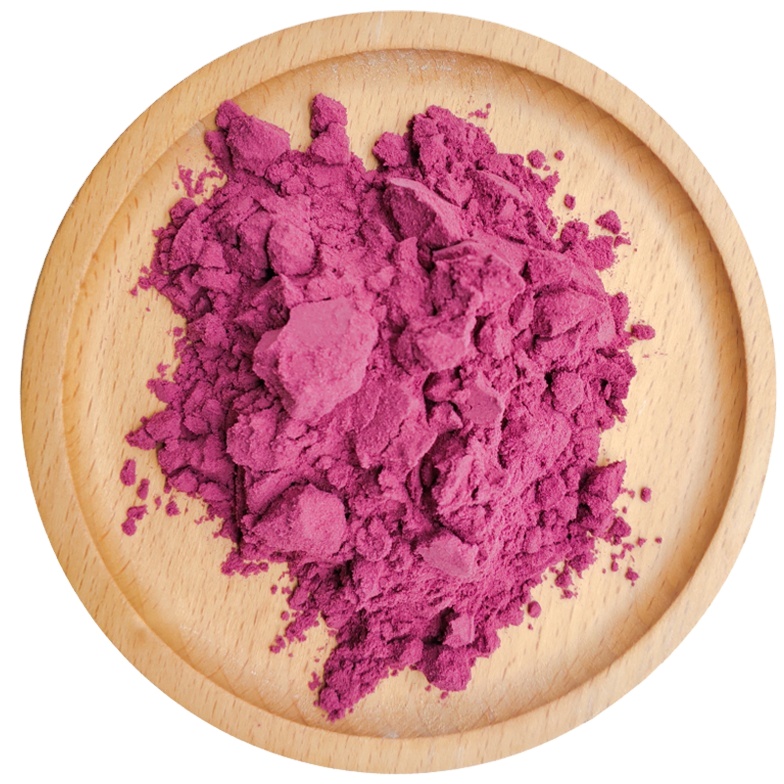
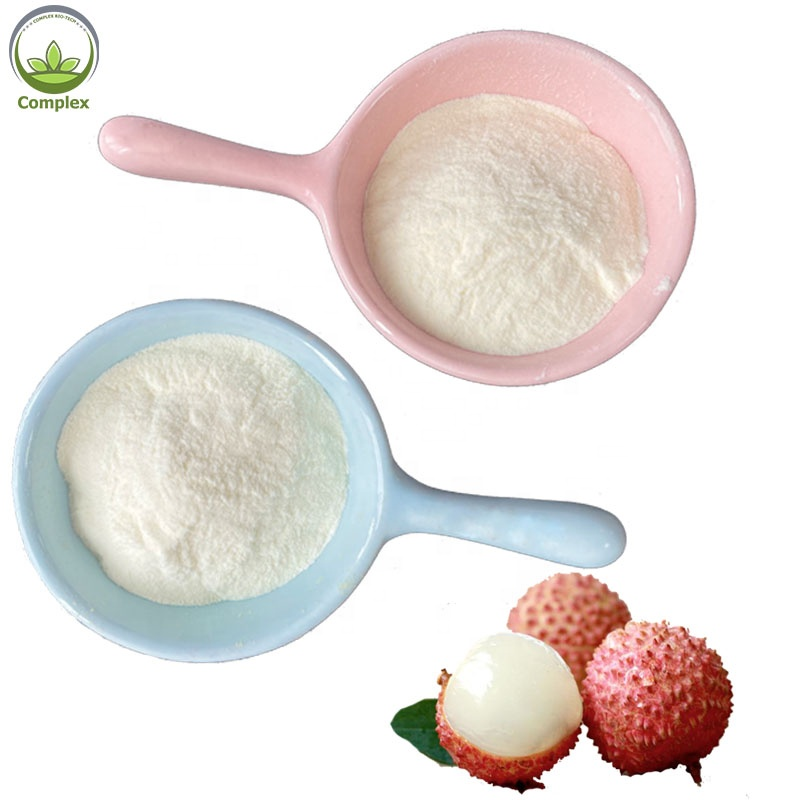
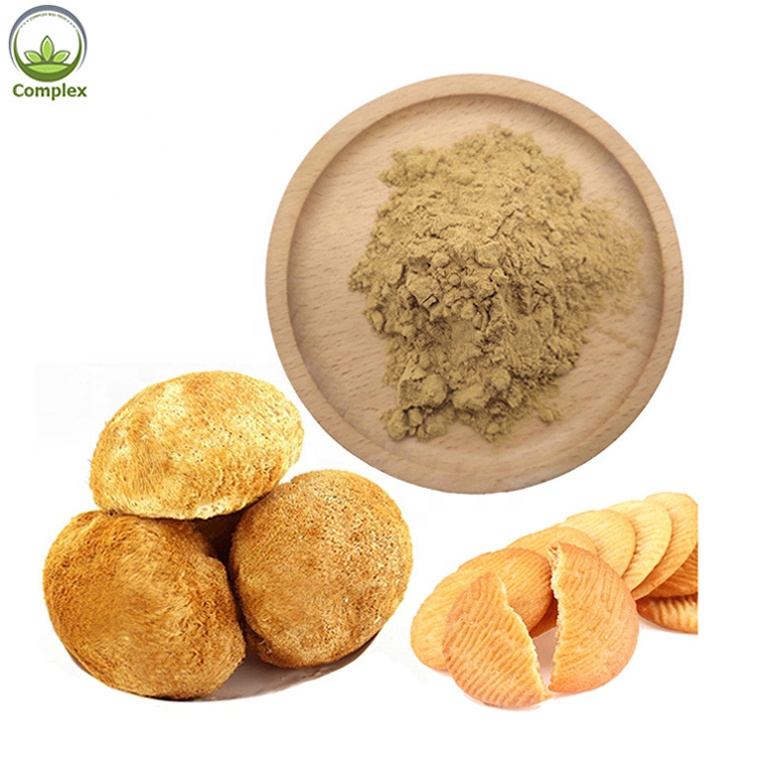
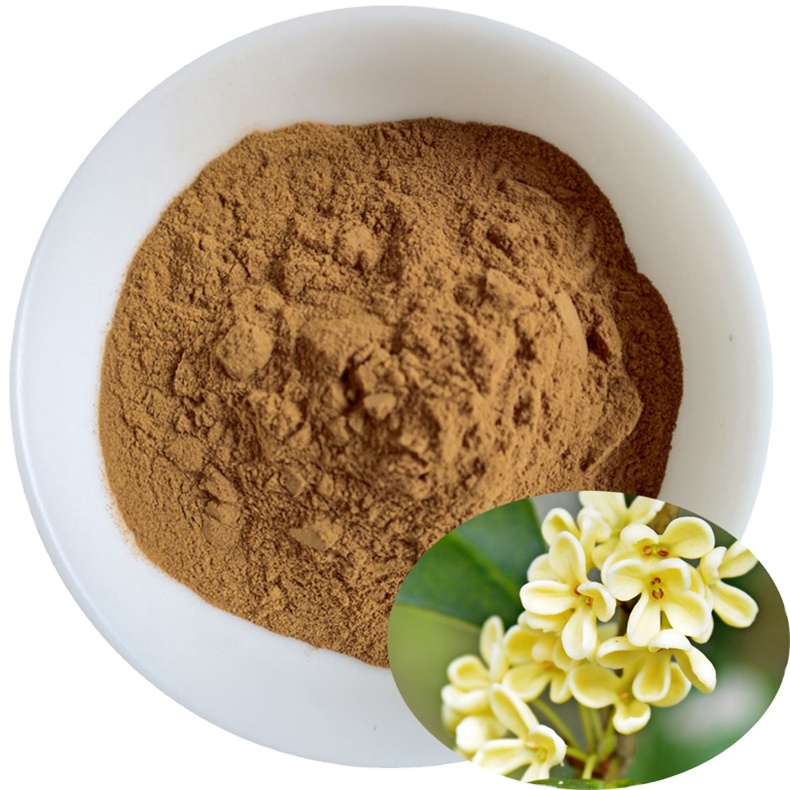
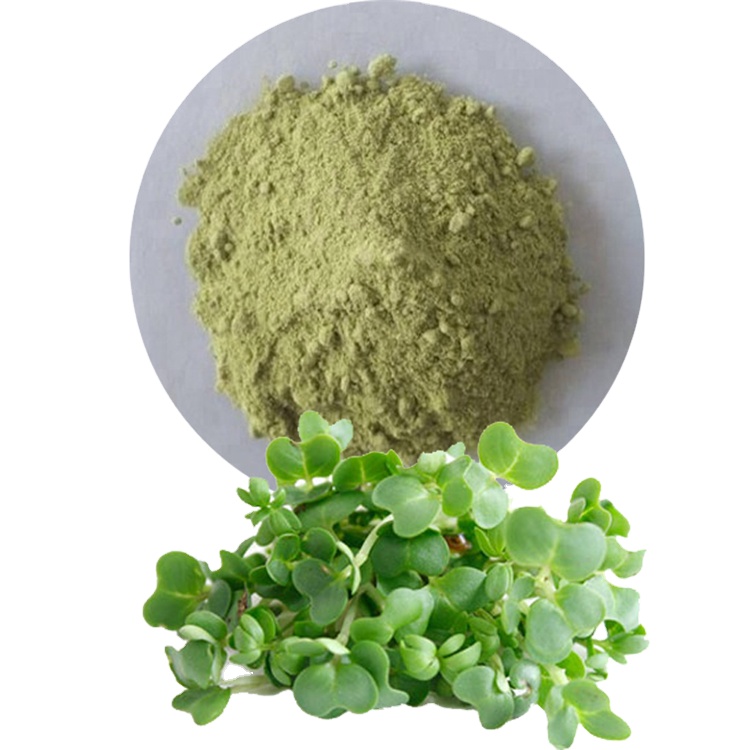
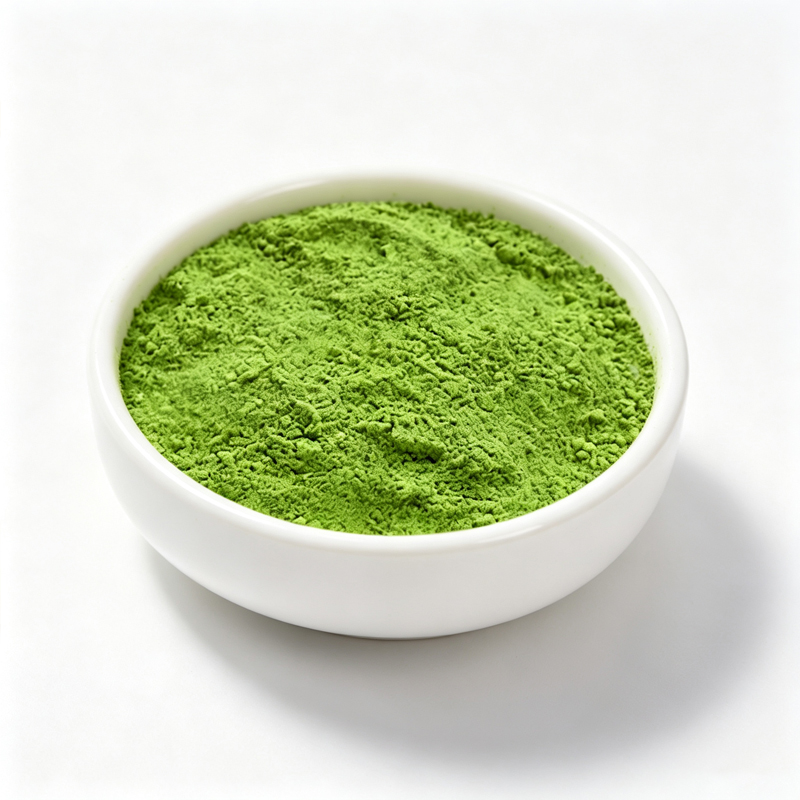
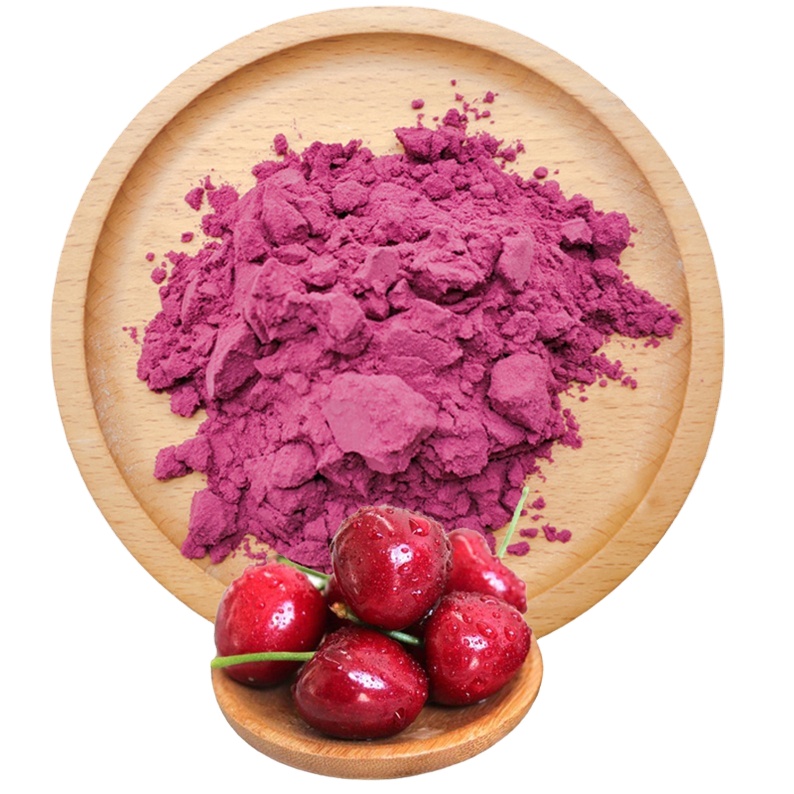
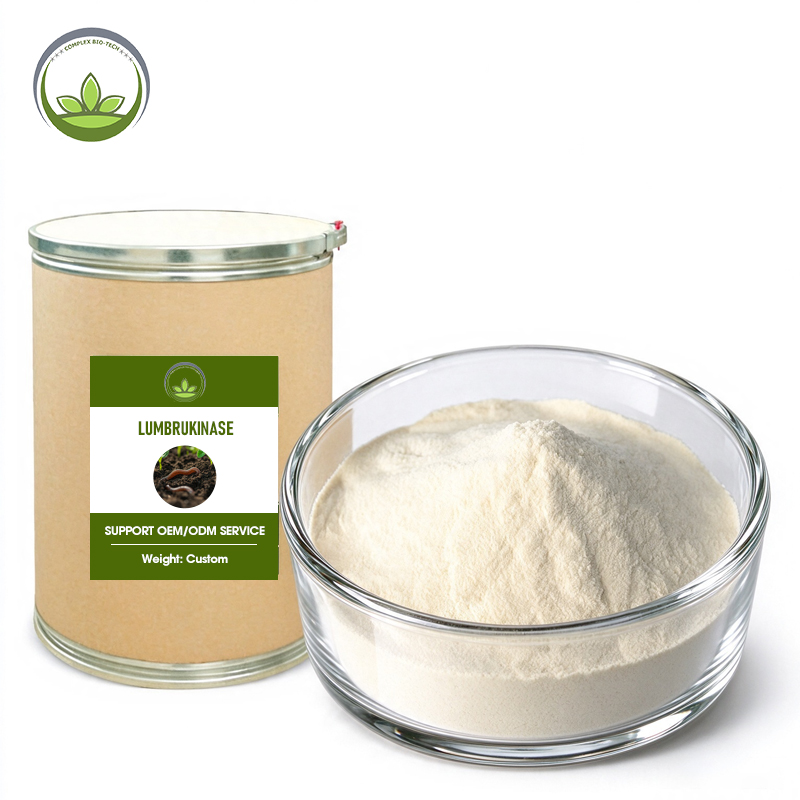
The manufacturing landscape across Ottawa, Gatineau, and the broader Eastern Ontario agri-food cluster represents one of Canada's most demanding procurement environments for botanical and fruit extract powders. Driven by strict surveillance from the Natural and Non-prescription Health Products Directorate (NNHPD) of Health Canada, as well as the Canadian Food Inspection Agency (CFIA) under the Safe Food for Canadians Act (SFCA), brand holders and contract manufacturers can no longer rely on unstandardized, carrier-laden powders. Formulation engineers require exact botanical traceability, chemical fingerprinting through HPLC and GC, and physical particle integrity capable of surviving high-speed blenders, clean-label seltzer canning lines, and gummy production extruders.
Procuring wholesale fruit extracts and botanical matrices for use in the National Capital Region (NCR) involves direct alignment with four distinct production paradigms:
The Ottawa Valley and Eastern Ontario craft beverage industry has pivoted sharply away from artificial flavors toward authentic phytonutrient infusion. Utilizing spray-dried tart cherry powder (Prunus cerasus) and water-soluble osmanthus allows brewers to introduce natural souring polyphenols, vibrant anthocyanin pigments, and delicate aromatic terpenes into zero-sugar non-alcoholic beers, hard ciders, and sparkling adaptogenic elixirs without turbidity or precipitation during pasteurization.
For Ottawa dietary supplement manufacturers holding Site Licences, botanical standardization is paramount. When formulating natural health products targeting cognitive health, sleep latency, or vascular performance, ingredients such as Hericium erinaceus dual extracts (standardized to 30% beta-glucans) and pure Lumbrokinase extracts must possess validated chromatographic assays to substantiate NPN monograph submissions.
The transition away from synthetic food colorants (like Red 40 or Allura Red) across Canadian retail grocery shelves has made spray-dried and freeze-dried fruit powders indispensable. High-solids lychee extract, purple sweet potato powders, and spray-dried fruit concentrates provide thermo-stable, natural pigments that retain vibrant hues throughout high-heat baking and protein bar extrusion processes without altering dough rheology.
A frequent challenge encountered by Canadian formulation scientists when importing botanical extracts from overseas is the mismatch between theoretical laboratory assays and bulk commercial behavior. Below is a comparative technical matrix illustrating our analytical benchmarks against commercial fruit extract alternatives:
| Extract Material | Botanical Source | Standardized Marker | Analytical Method | Carriers / Excipients | Moisture & Ash Limits |
|---|---|---|---|---|---|
| Tart Cherry Extract 25% | Prunus cerasus | Total Anthocyanins ≥ 25.0% | HPLC / UV-Vis | 0% (Carrier-Free or Maltodextrin ≤5%) | Loss on Drying ≤ 5.0%; Ash ≤ 4.0% |
| Lychee Fruit Extract Powder | Litchi chinensis | Polyphenols ≥ 20.0% | Folin-Ciocalteu / HPLC | Optional 100% Pure Fruit Solids | Loss on Drying ≤ 6.0%; Ash ≤ 4.5% |
| Lion's Mane Dual-Extract | Hericium erinaceus | Beta-D-Glucans ≥ 25.0% | Megazyme Assay Kit | Zero Starch / Zero Grain Substrate | Loss on Drying ≤ 7.0%; Ash ≤ 6.0% |
| Watercress Powder Extract | Nasturtium officinale | Glucosinolates ≥ 4.0% | HPLC Reversed-Phase | Microcrystalline Cellulose <2% | Loss on Drying ≤ 5.0%; Heavy Metals < 10ppm |
| Matcha Green Tea Extract | Camellia sinensis | Polyphenols ≥ 98%, EGCG ≥ 50% | HPLC Direct Injection | Zero (100% Unadulterated) | Moisture ≤ 4.5%; Pesticides < EU/Health Canada MRL |
Procurement strategies in Ottawa must anticipate several macroeconomic and regulatory shifts occurring across the Canadian landscape:
Stringent Heavy Metal Thresholds: The Canadian NNHPD enforces trace element limitations that are frequently more demanding than general FDA thresholds. For finished botanical tablets and functional dry-drink blends, arsenic (As) cannot exceed 0.14 mcg/kg bw/day, cadmium (Cd) must remain below 0.09 mcg/kg bw/day, lead (Pb) below 0.29 mcg/kg bw/day, and total mercury (Hg) below 0.29 mcg/kg bw/day. Meeting these criteria requires incoming testing of bulk botanical biomass with Inductively Coupled Plasma Mass Spectrometry (ICP-MS) before dynamic extraction begins.
Active Climate Synergy & Immune Adaptation: Ottawa endures extreme winter temperatures, prompting elevated consumer demand for nutritional products that combine adaptogenic mushroom compounds (like Lion's Mane, Chaga, and Reishi) with high-ORAC fruit concentrates (tart cherry, elderberry, cranberry). Formulators are developing multi-botanical synergies where tart cherry polyphenols accelerate muscular recovery while functional fungal polysaccharides modulate immunological response during cold seasonal transitions.
Micro-Solubility & Clarification in Carbonated Formulations: In beverage manufacturing, haze formation, ring precipitation, and sedimentation represent major points of product failure. Our specialized filtration protocols—incorporating dual-stage ultra-centrifugation and proprietary resin purification—remove insoluble starches, insoluble waxes, and insolubilized fibers while preserving delicate botanical flavor volatiles and biologically active polyphenols.
As an R&D-driven natural ingredient enterprise, Xi'an Sirn Bio-Tech Co., Ltd. bridges traditional botanical raw material diversity with university-grade phytochemical isolation technology. Located in Shaanxi, China—the historic gateway of botanical sourcing—we supply certified, HPLC-tested plant extracts, freeze-dried fruit powders, and functional cosmetic raw materials to manufacturers across Canada, the United States, Europe, and Asia.
Operating two modern manufacturing facilities equipped with 4 standard production lines, 2 pilot extraction lines, and an advanced GMP workshop. Our dedicated pilot infrastructure allows Ottawa brand developers to transition effortlessly from 1 kg benchtop trial batches to multi-ton commercial production runs without altering extraction solvents, thermal profiles, or mesh specifications.
We maintain collaborative research laboratories alongside three leading Chinese institutions: Xi'an Jiaotong University, Northwest University, and Xi'an University of Science and Technology. This scientific alliance provides our clients direct access to state-of-the-art nuclear magnetic resonance (NMR), LC-MS/MS, and high-precision structural elucidation for bespoke custom molecule syntheses.
Our 30-person operational team includes 18 senior and mid-level technical specialists alongside 5 licensed Traditional Chinese Medicine (TCM) pharmacists. In-house HPLC, Gas Chromatography (GC), and UV-Vis spectrophotometers verify active marker percentages, residual solvents (USP <467>), and microbiological safety prior to every overseas shipment.
Clarifying the critical logistical, analytical, and regulatory questions encountered by procurement managers, quality assurance heads, and supply chain coordinators when importing our botanical extracts into Eastern Ontario.
We supply complete raw material regulatory dossiers compliant with Health Canada guidance. This includes full botanical identity verification (Latin binomial, plant part used), extraction ratio quantification, quantified HPLC/UV assay data, manufacturing flow charts demonstrating non-irradiation, and residual solvent clearance statements complying with USP <467> or Ph. Eur. standards.
Recognizing the need for preliminary formulation testing and benchtop prototyping in local Ottawa pilot kitchens, our standard powder and extract MOQ begins at just 1 kg packed in heat-sealed multi-layer aluminum barrier foil bags. For commercial production runs, standard supply is packaged in 25 kg fibre drums with double food-grade polyethylene inner liners.
Ottawa experiences severe sub-zero winter temperatures which can induce crystallization or condensation in hygroscopic powders if handled incorrectly. We utilize moisture-impermeable vacuum packaging with integrated food-grade desiccants. Furthermore, we coordinate air cargo routing directly into Ottawa Macdonald-Cartier International Airport (YOW) or expedited ground delivery from Montreal-Trudeau (YUL) and Toronto Pearson (YYZ) customs checkpoints.
Every production batch is accompanied by an individualized, lot-traceable Certificate of Analysis (COA). Standard parameters reported include Active Ingredient Assay (HPLC/UV), Physical Appearance & Odor, Mesh Particle Size, Moisture Content, Ash Content, Heavy Metals (Pb, As, Cd, Hg tested via ICP-MS), Residual Solvents, and full Microbiological Screening (Total Plate Count, Yeast & Mold, E. coli, Salmonella, S. aureus).
Yes. While conventional spray-drying utilizes maltodextrin (10–30%) to prevent sticking in hygroscopic fruit sugars, we offer fully customizable carrier formulations. For brands demanding 100% clean-label designations, we formulate carrier-free freeze-dried fruit powders, organic acacia fiber-carrier blends, or customize specific maltodextrin ratios to match exact water-solubility and dispersion targets.
In-stock botanical extracts are dispatched from our warehouse facility within 48 to 72 hours. For air express orders via DHL, FedEx, or standard air freight, total transit to Eastern Ontario facilities typically requires 5 to 8 business days. Full-container or sea-air multi-modal shipments to Montreal or Vancouver ports require roughly 25 to 32 days, complete with automated pre-clearance documentation for Canada Border Services Agency (CBSA).
Connect with our technical phytochemists today. Request free batch samples, full chromatographic specification sheets, or discuss custom extraction ratios tailored to your exact manufacturing requirements.
Inquire Now