Food & Nutraceutical
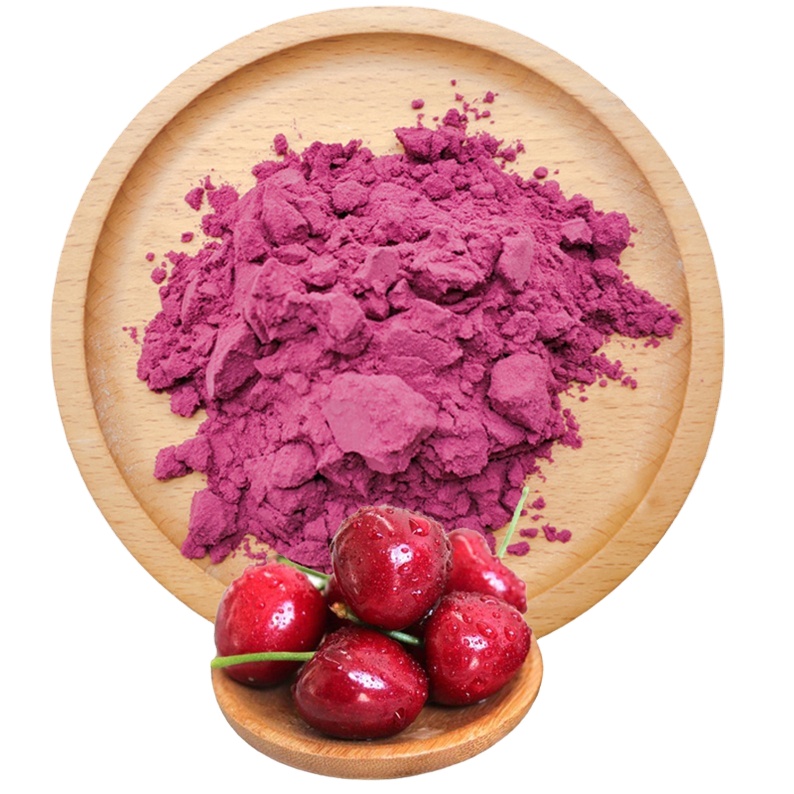
High Quality Water Soluble Cherry Extract Powder Grade Food Fruit Extract
Precision-assayed by HPLC, UV, and GC. Fully compliant with European Pharmacopoeia (Ph. Eur.) and EU Regulation (EC) No 396/2005 limits for international processors in Klaipėda and the Western Lithuania economic zone.
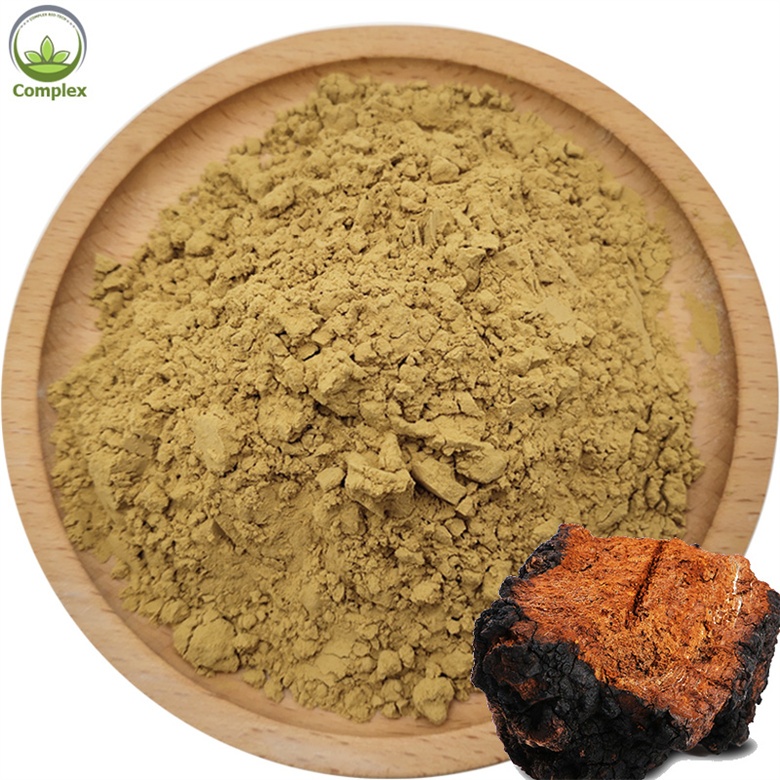
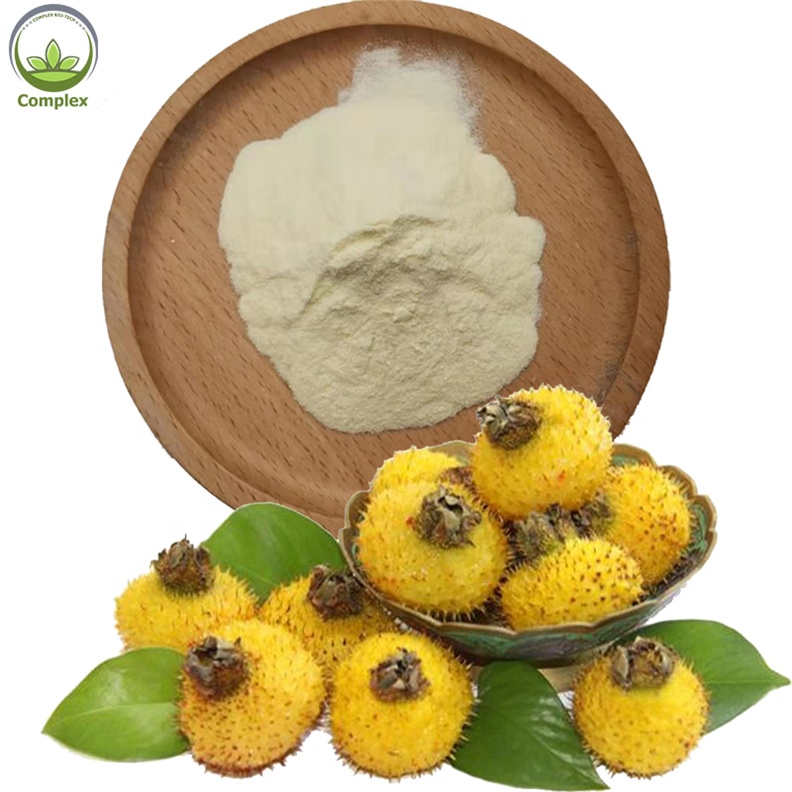
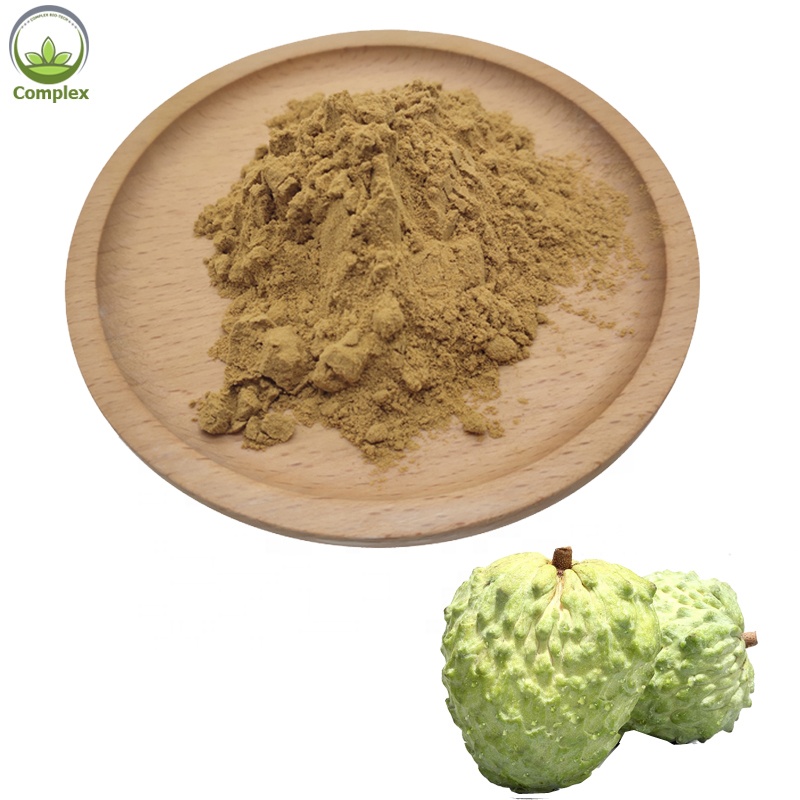
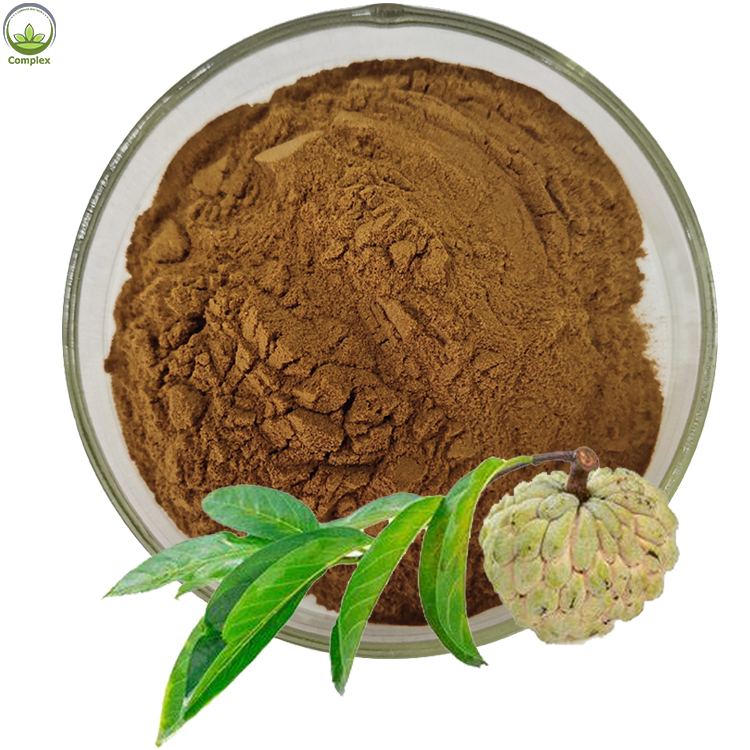
Whether you require triterpenoid Quillaja saponins, Camellia-derived surfactants, or Panax notoginseng fractions for clinical dietary supplements, our Xi'an engineering team delivers tailored batch solutions directly cleared for Baltic transport.
Send an InquiryAs the primary logistics hub and ice-free port of Lithuania, Klaipėda sits at the intersection of Baltic aquaculture, advanced food production, natural personal care formulations, and burgeoning biotechnological manufacturing. Saponins—high-molecular-weight amphiphilic glycosides consisting of a polycyclic aglycone (either a triterpenoid or steroid moiety) attached to one or more hydrophilic sugar chains—represent one of the most commercially versatile phytochemical groups in modern industrial formulation.
In the Klaipėda Free Economic Zone (FEZ) and nearby coastal production centers, the structural versatility of saponins allows procurement directors and product developers to replace synthetic surfactants, chemical emulsifiers, and harsh foaming agents. Below are four key applied engineering axes where our OEM/ODM saponin extracts deliver quantifiable performance gains:
Lithuania's coastal skincare labs utilize our high-purity saponin extracts as non-ionic, biodegradable foaming agents. With zero sulfate residues, these extracts lower the Critical Micelle Concentration (CMC) in sensitive dermocosmetic emulsions.
Klaipėda’s maritime economy relies heavily on recirculating aquaculture systems (RAS). Saponins act as natural protozoacides and gut-microbiome modulators in sustainable fish feeds, suppressing fungal pathogen proliferation without antibiotics.
In craft breweries, functional tonics, and fruit ciders across Western Lithuania, purified saponins provide high-temperature-stable foaming heads and nano-emulsification properties that hold lipophilic botanical aromas in suspension.
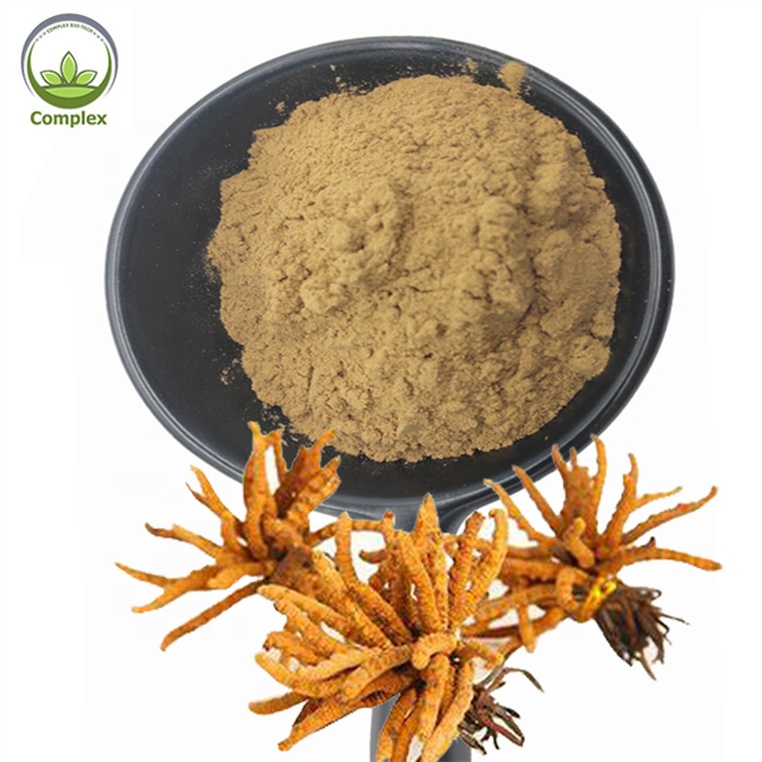
Clinical supplement brand owners leverage steroidal and triterpenoid saponins to form permeation-enhancing micelles. When co-formulated with cordyceps, mushroom betulin, or chaga extracts, cell membrane transit improves by up to 34%.
Through our dual pilot and industrial production facilities in Xi'an, Xi'an Sirn Bio-Tech ensures that saponin profiles are standardized to precise chromatographic markers (such as Total Saponins by UV-Vis ≥80%, HPLC-tested Notoginsenoside R1, Ginsenoside Rg1, or Camelliasaponin fractions), offering Klaipėda's buyers direct-from-source repeatability without multi-broker markups.
For technical compliance directors and formulators evaluating raw material integration in Klaipėda, the table below demonstrates the extraction selectivity, carrier options, and compliance markers applied during batch production.
| Target Compound / Raw Base | Assay Spec (HPLC / UV) | Solubility Profile | Primary Industrial Vector in Lithuania | Key Regulatory Documentation |
|---|---|---|---|---|
| Tea Saponin (Camellia sinensis/oleifera) | ≥ 60.0% – 90.0% (UV-Vis) | 100% Water Soluble, Cold Stable | Agrochemical surfactants & Eco-cleaning | COA, Heavy Metals (ICP-MS), REACH Statement |
| Quillaja Saponaria Bark Extract | 10:1 ratio / Saponin ≥ 20% | Fully dispersible, pH 3.5–7.0 | Beverage head retention & functional emulsions | Food Grade (EC 1334/2008), Allergen-Free, Non-GMO |
| Panax Notoginseng / Ginseng Saponins | Total Saponins 10% – 80% (HPLC) | Soluble in 50% Ethanol / Water | Hard-capsule longevity formulas & sports nutrition | Ph. Eur. Pesticide Screen, Residual Solvents GC |
| Tribulus Terrestris Steroidal Saponin | Protodioscin 20%–45% / Total 90% | Fine 80 mesh, dry dispersible | Sports supplementation & male wellness capsules | Batch HPLC Chromatogram, Microbial Pathogen Screen |
| Yucca Schidigera Extract Powder | Saponins 30% – 60% (UV) | Thermally stable to 120°C | Aquaculture RAS ammonia abatement & pet food | Veterinary Feed Safety Certificate, BSE/TSE Declaration |
Klaipėda functions not merely as a domestic consumer market, but as a gateway feeding supply chains in Vilnius, Kaunas, Riga, and Northern Poland.
The European Green Deal and Scandinavian ecological standards heavily influence Lithuanian personal care formulators. The replacement of Sodium Lauryl Sulfate (SLS) with botanical saponins has accelerated inquiries for natural-derived foam stabilizers by over 45% year-on-year.
Baltic customs checkpoints enforce rigorous inspections for polycyclic aromatic hydrocarbons (PAH4), ethylene oxide (EtO), and heavy metals. Buyers in Klaipėda increasingly bypass unverified brokers in favor of manufacturers with dedicated HPLC/GC quality testing.
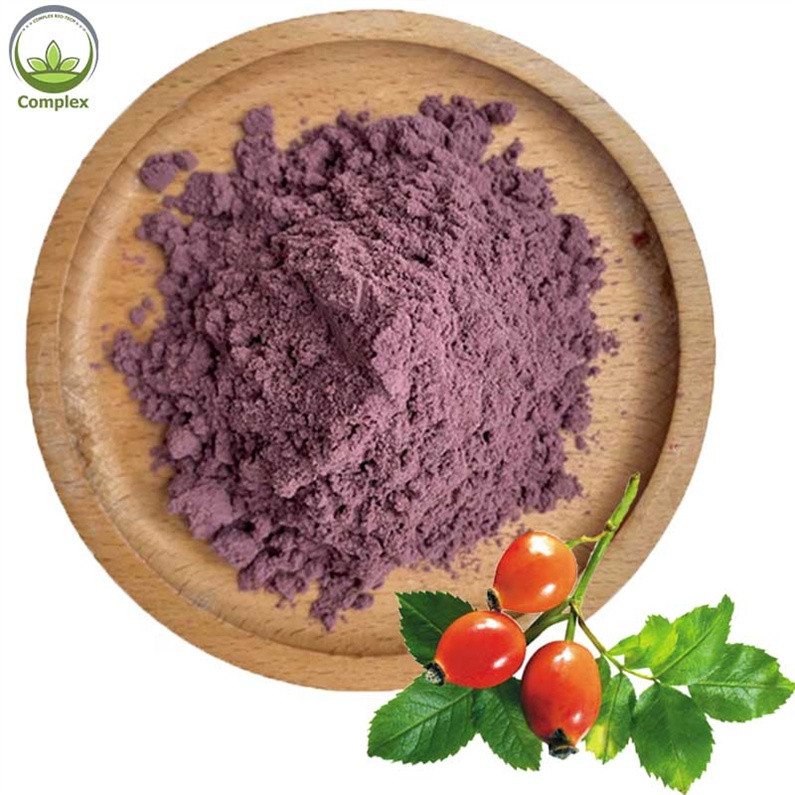
Instead of importing single raw powders, Klaipėda's brand accelerators require turnkey OEM execution—including high-shear blending of saponins with functional mushrooms, rosehip polyphenols, or fruit powders into customized retail-ready sachets and capsules.
Direct factory execution anchored in Xi'an's botanical basin, combining ancestral herbal sourcing with university-grade analytical labs.
Operating two standardized extraction facilities equipped with 4 full-scale industrial lines and 2 dedicated pilot lines. This setup enables seamless formulation scaling—from a 1 kg pilot feasibility run directly to multi-ton commercial consignments without deviating from your critical quality attributes (CQAs).
In formal technical partnership with Xi'an Jiaotong University, Northwest University, and Xi'an University of Science and Technology. Our scientific bench includes 18 senior technicians and 5 licensed Traditional Chinese Medicine (TCM) pharmacists conducting structural isolation and NMR validation.
Every single batch is verified in-house for active marker concentrations (such as saponins, icariin, cordycepin, and GHK-Cu purity), microbiology (TAMC/TYMC), and pesticide limits before dispatch. A full, verifiable Certificate of Analysis (COA) accompanies every consignment entering the Port of Klaipėda.
Utilizing vacuum dynamic concentration and ultrasonic-assisted extraction to shield thermolabile saponin bonds against thermal degradation. Spray-dried extracts yield consistent, free-flowing, 80–100 mesh powders tailored for high-speed automatic encapsulation equipment.
With 6+ years of international export compliance, a 99% buyer communication response rate, and prompt replies within 2 hours across European time zones, we remove the friction of transnational ingredient procurement. Stock items initiate from a 1 kg MOQ to accommodate R&D trials.
Beyond raw saponin powders, our facilities deliver private-label formulation blending, mesh modifications, instant drink mixes (such as functional mushroom coffee blends), and custom food-grade pouching with full multilingual batch labeling for the Lithuanian domestic and EU export markets.
Connect with our export engineering desk to receive comprehensive chromatographic profiles, heavy metal assays, and technical formulation guides optimized for your production line.
Send an InquiryEssential technical, regulatory, and logistics answers for Lithuanian purchasing managers and laboratory scientists.
We provide multiple flexible logistical pathways: express air freight (DHL/FedEx/TNT) for trial orders and urgent production batches (4–7 business days to Klaipėda, Vilnius, or Kaunas), direct air freight to Palanga International Airport (PLQ) or Vilnius Airport (VNO), and Full Container Load (FCL) or Less than Container Load (LCL) ocean freight cleared directly through the Port of Klaipėda for bulk industrial runs (typically 28–35 days transit).
Assay validation depends on the target saponin compound. While spectrophotometric UV-Vis (vanillin-perchloric acid or vanillin-glacial acetic acid method) is commonly utilized for gross total triterpenoid saponin fractions, we employ high-performance liquid chromatography (HPLC-UV/ELSD) and LC-MS for single-marker quantification (such as notoginsenosides, ginsenosides, and glycyrrhizin) to guarantee batch purity and prevent interference from extraneous polysaccharides.
Yes. Every batch intended for delivery into Lithuania and the wider European Union is monitored against Regulation (EC) No 396/2005 for pesticide residues, Regulation (EU) 2023/915 for heavy metals (Lead ≤3.0 mg/kg, Cadmium ≤1.0 mg/kg, Mercury ≤0.1 mg/kg, Arsenic ≤1.0 mg/kg), and PAH4 limits. We supply accredited third-party test data alongside our in-house factory COA upon request.
For catalog extract powders held in stock, our standard MOQ is just 1 kg—ideal for pilot testing, laboratory formulation, and sensory stability trials in Klaipėda. For custom ratio extractions (e.g., customized aqueous or ethanol concentrations, specific particle mesh sizes, or proprietary carrier adjustments such as non-maltodextrin carriers), our pilot lines accommodate runs starting at 25 kg to 50 kg.
Absolutely. One of our core specialties is dry particle blending and granular reconstitution. We frequently integrate saponin fractions with cordyceps, chaga, rosehip, and organic fruit juices to create free-flowing, instantly soluble blends packaged in custom-printed sachets or 25 kg moisture-barrier fiber drums.
Our saponins undergo specialized low-temperature vacuum filtration and ceramic membrane microfiltration, removing insoluble botanical resins and tannins. This process yields a powder that dissolves clearly in ambient and chilled water without producing unsightly turbidity, sedimentation, or haze over extended shelf life.