SirnBIO-TECH Talk to Us
Search by product name, Latin name or CAS number.
Direct supply from Xi'an Sirn Bio-Tech manufacturing base to Aalborg's manufacturing, R&D labs, and clean-label copackers.
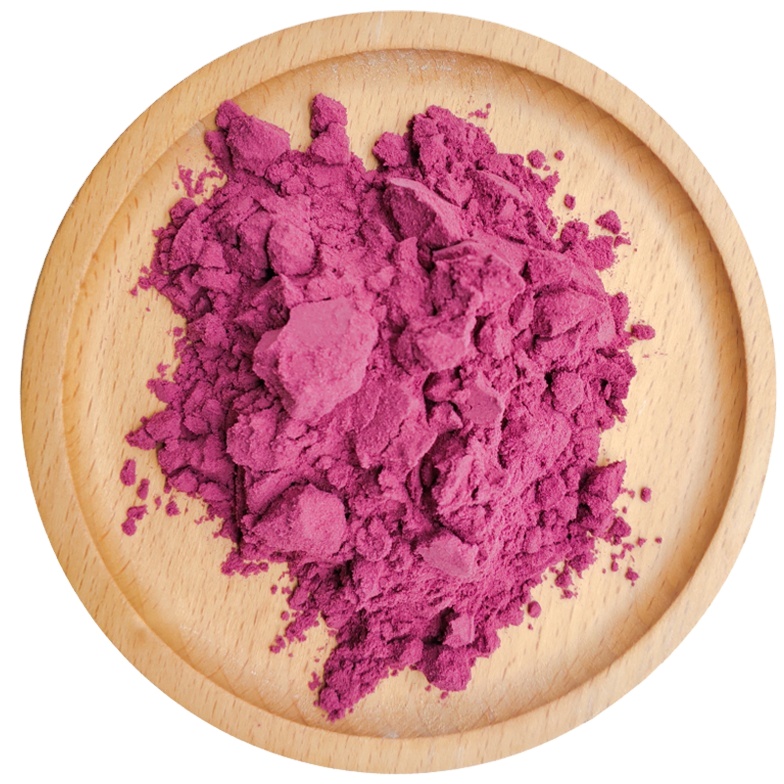
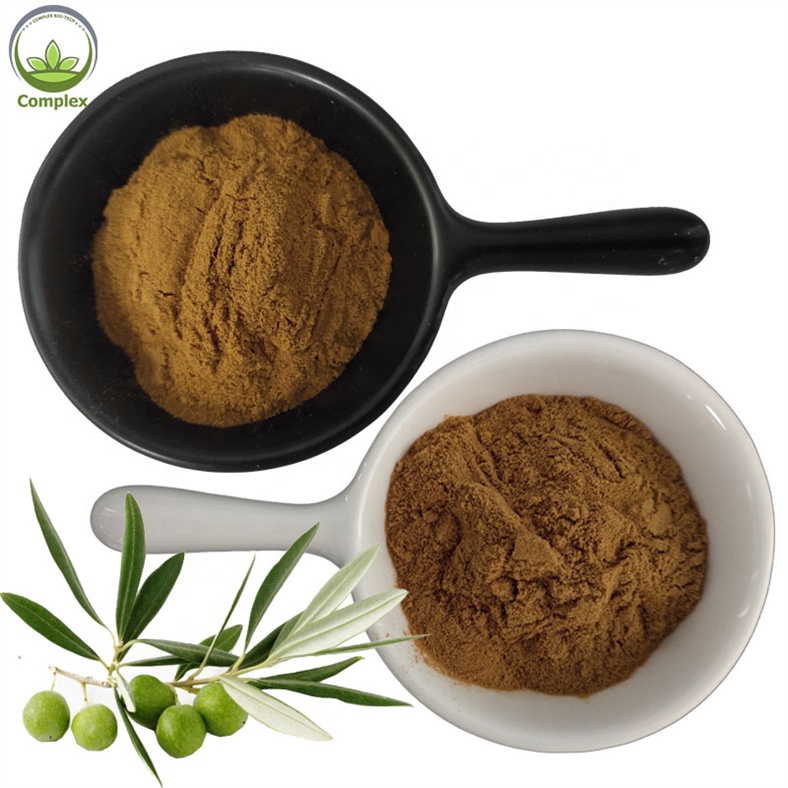
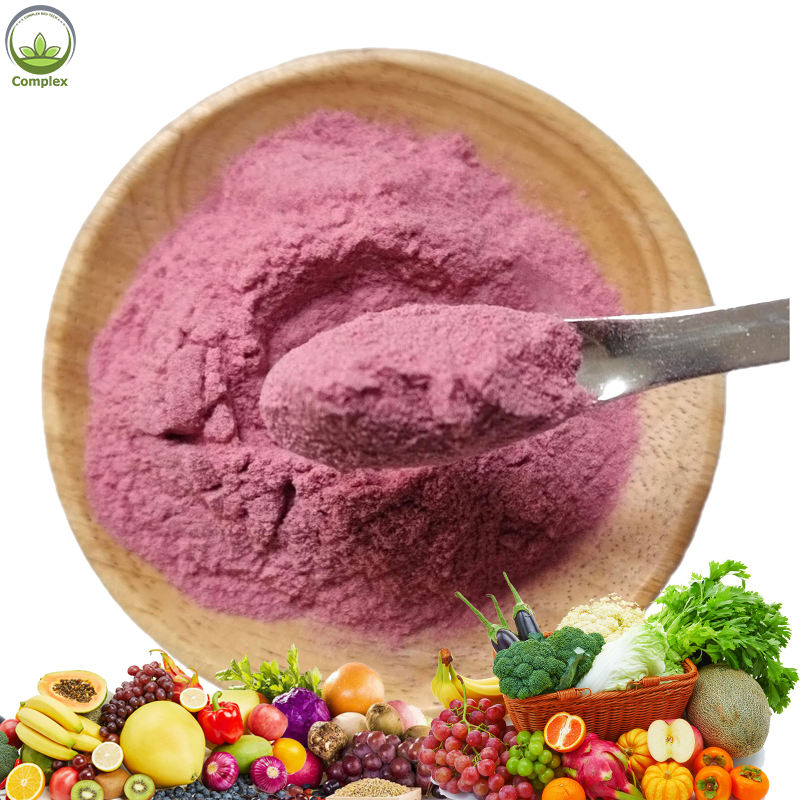
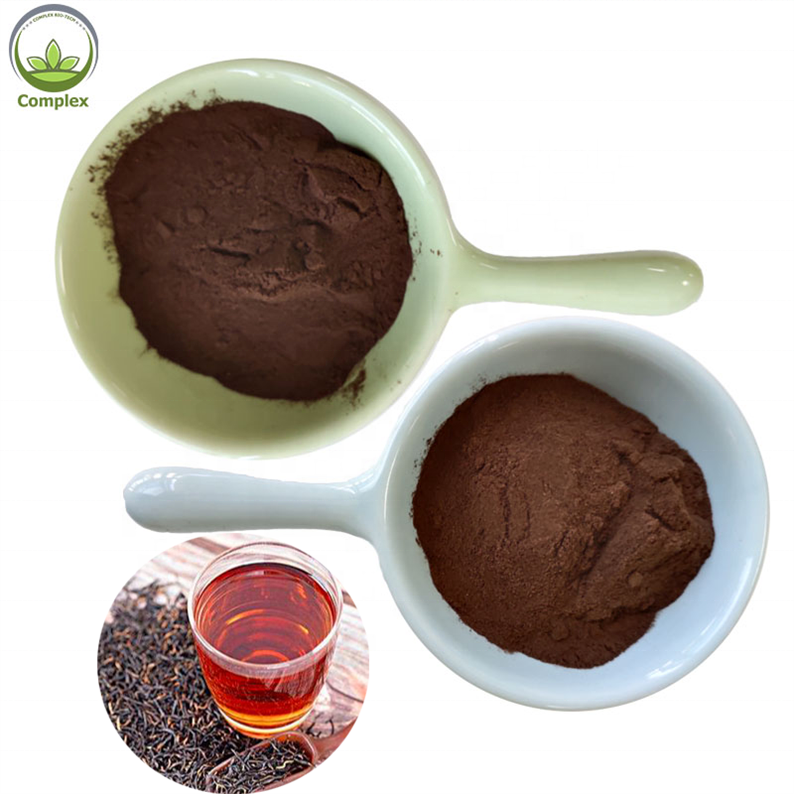
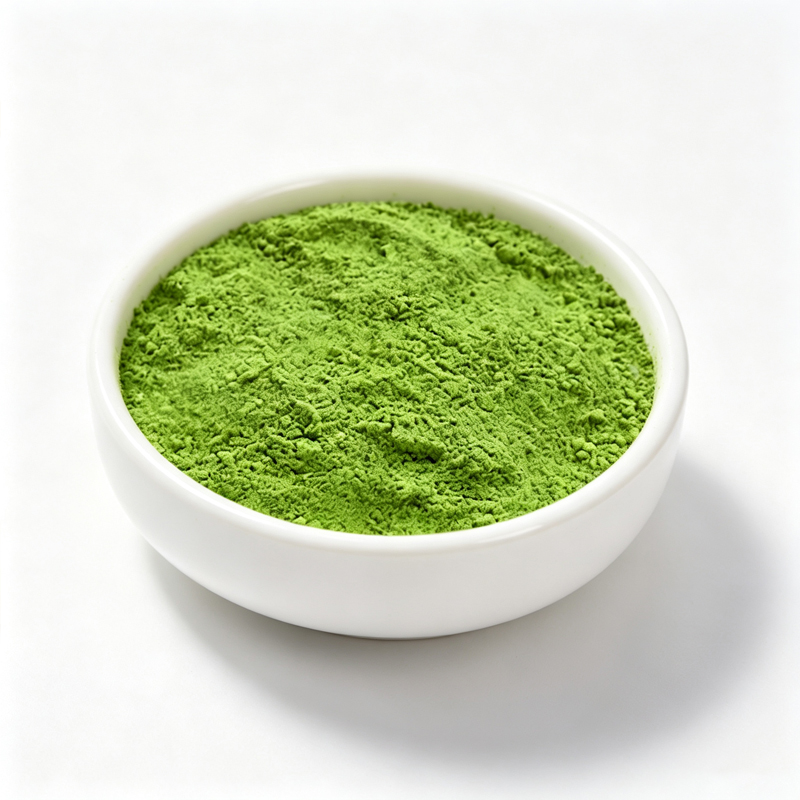
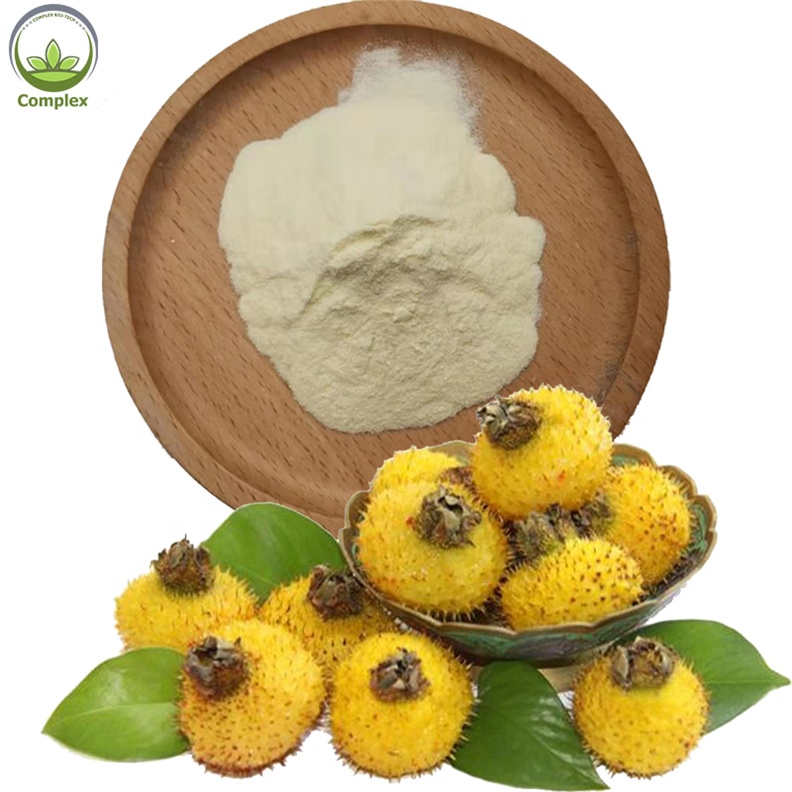
Aalborg represents North Jutland’s powerhouse for biotechnology, functional nutrition, and sustainable consumer goods. Discover how our plant extract concentrates integrate seamlessly into regional manufacturing demands.
For Danish contract supplement manufacturers located along the Limfjord corridor, standardization is paramount. Our active botanical concentrates—including Dihydroquercetin ≥98% and standardized Olive Leaf Oleuropein—satisfy stringent Nordic Food Authority (Fødevarestyrelsen) trace contaminant guidelines while delivering guaranteed bioactive densities for capsules, drops, and targeted immune complexes.
Aalborg and North Denmark maintain deep traditions in dairy processing, plant-based dairy alternatives, and artisan brewing. Our instant spray-dried fruit powders (Cherry, Pear, Green Apple) and Instant Soluble Black Tea powders offer superior organoleptic profiles, rapid cold-water dispersion, and clean pigment stability without synthetic emulsifiers, clouding agents, or non-GMO compromises.
Danish skincare brands demand minimalist, biologically active ingredients with verified safety files. In tandem with our ultra-pure GHK-Cu Copper Tripeptide-1, botanical polyphenol concentrates like Rosa Roxburghii and Olive derivatives act as potent natural free-radical scavengers, soothing agents, and photo-aging protectors for Scandinavian dermatological formulations.
A deep-dive analysis into the regulatory landscape, supply-chain resilience, and shifting formulation demands in the Danish bio-economy.
The Danish botanical market is undergoing an era of technical consolidation. Manufacturers across Aalborg and the wider European Nordic zone are shifting away from unstandardized crude herb powders in favor of fingerprinted botanical concentrates that provide precise pharmacokinetic accountability. Driven by strict compliance with the European Food Safety Authority (EFSA) and local Danish veterinary and food administration standards, purchasing departments require exhaustive trace contaminant screenings—specifically relating to Polycyclic Aromatic Hydrocarbons (PAHs), heavy metal thresholds (Lead, Cadmium, Arsenic, Mercury under Regulation (EC) 1881/2006), and verified ethylene oxide (ETO) absence.
A parallel paradigm shift is evident in the accelerating Clean-Label & Upcycled Nutrition sector. Consumers in Aalborg gravitate heavily toward natural food matrices that list transparent botanical derivatives rather than synthetic preservatives or synthetic coloring additives like Red 40. Furthermore, the academic synergy surrounding Aalborg University (AAU) has fueled commercial inquiry into bioactive synergistic blends—combining adaptogenic botanicals, medicinal mushroom polysaccharides, and flavonoid stabilizers (such as Taxifolin / Dihydroquercetin) to prevent lipid oxidation naturally across shelf-stable clean foods.
To navigate dynamic maritime and air logistic routes between Asia and Denmark, industrial buyers are actively mitigating supply chain vulnerabilities by working directly with primary extract factories capable of providing warehouse-ready pilot batches alongside industrial ton-scale capacity. By partnering with Xi'an Sirn Bio-Tech, Aalborg enterprises bypass intermediary brokerage premiums, ensuring immediate batch consistency, rapid document turnaround (technical datasheets, BSE/TSE statements, process flow charts), and customized extraction ratios that integrate smoothly into their mixing and packaging apparatus.
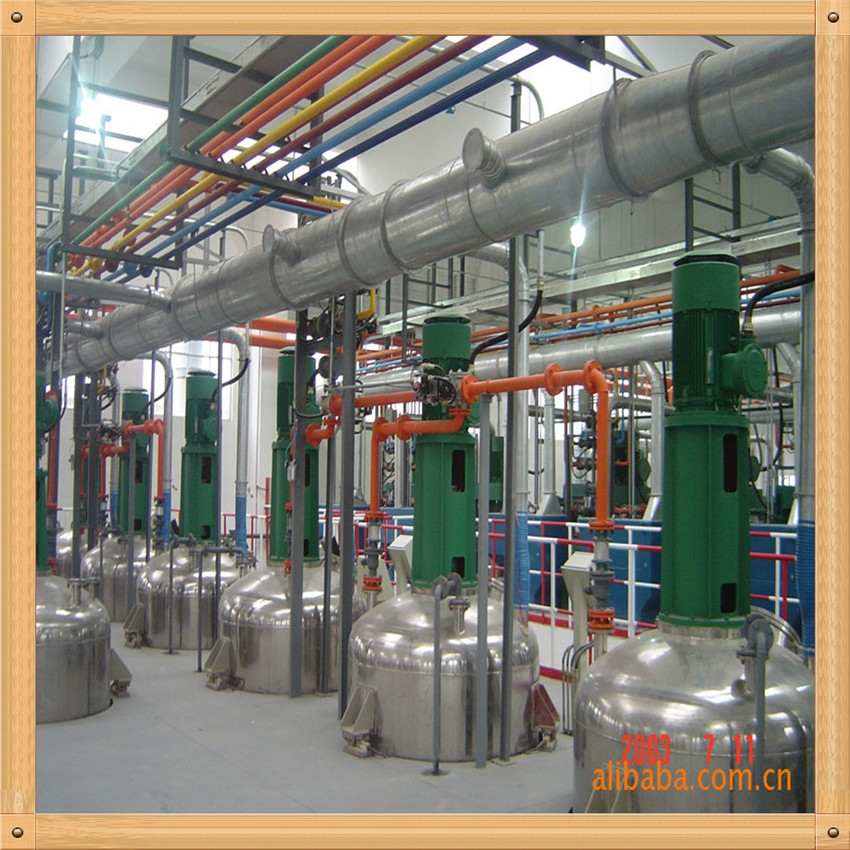
Originating in Shaanxi province—the traditional herbal heartland bordering the Qinling Mountains—Xi'an Sirn Bio-Tech Co., Ltd. marries nature’s raw richness with university-grade analytical technology.
Essential regulatory, technical, and logistics clarifications for QA and procurement managers sourcing plant extract concentrates.
Every batch produced for European export undergoes thorough analytical screening in compliance with Regulation (EC) 1881/2006 for maximum residue limits (heavy metals Pb, Cd, Hg, As), Regulation (EC) 396/2005 for multiresidue pesticides, and zero-tolerance policies for Ethylene Oxide (ETO). Full third-party assay verification and HPLC chromatographic profiles accompany every order alongside our Certificate of Analysis (COA).
Standard standardized powders, fruit purees, and herbal extracts start at an accessible 1 kg MOQ, allowing formulation scientists and QA engineers in Aalborg to conduct pilot testing, shelf-life studies, and organoleptic checks without heavy initial capital outlay. Finished OEM/ODM private label packaging runs (such as functional instant coffee sachets or powder canisters) generally commence at 500 units.
Yes. Depending on your dispersing machinery and tableting or beverage bottling parameters, we can fine-tune mesh sizes between 60 to 300 mesh. We offer spray-drying with low maltodextrin percentages, freeze-drying for sensitive botanicals requiring 100% pure carrier-free status, as well as micro-encapsulation for moisture-sensitive active ingredients.
We supply a comprehensive technical documentation package including: Batch-specific Certificate of Analysis (COA), Technical Specification Sheet, Safety Data Sheet (SDS/MSDS), Detailed Manufacturing Flowchart, Non-GMO Statement, Allergen Declaration, and BSE/TSE Free statements. Phytosanitary certificates and Certificates of Origin are arranged per dispatch.
Urgent pilot batches and active cosmetic peptides (such as GHK-Cu) are dispatched via door-to-door express couriers (DHL, FedEx, UPS) with an average 4–7 business day transit to Aalborg. Bulk commercial shipments are shipped via air freight (Copenhagen CPH / Billund BLL) or sea freight (Aarhus / Aalborg Port). Powders are packed in multi-barrier vacuum-sealed aluminum bags (1 kg) or food-grade 25 kg fiber drums with double internal polyethylene liners.
Yes. Leveraging our collaborative research centers at Xi'an Jiaotong University and Northwest University, we assist corporate partners with comparative fingerprinting, solvent residue identification, antioxidant ORAC testing, and stability simulation curves to de-risk high-stakes commercial product development.