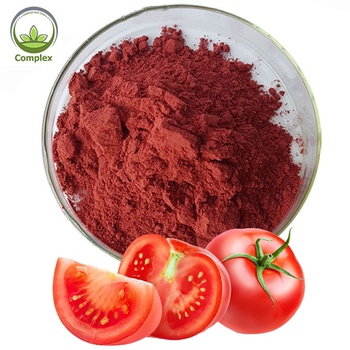
Tomato Extract Lycopene 10% Powder
Solanum lycopersicum L. · Deep Red Powder
- Assay≥10.0% Lycopene (HPLC)
- SolubilityFat-dispersible / Beadlet CWD
- Mesh Size100% through 80 Mesh
- Primary UseTablets, Hard Capsules, Premixes
Global B2B purchasing executives, regulatory compliance directors, and R&D formulators consistently face analytical challenges when sourcing commercial Tomato Extract Lycopene. Below, we address fundamental technical concerns, isomer stabilization, bio-efficacy criteria, and international import compliance parameters.
Tomato Extract Lycopene is an acyclic, highly lipophilic symmetrical carotenoid containing 11 conjugated double bonds, systematically characterized under CAS 502-65-8 and derived predominantly from ripe fruits of Solanum lycopersicum L.. As the most potent physical quencher of singlet molecular oxygen (1O2) among dietary carotenoids—demonstrating quenching rates more than twice that of beta-carotene and ten times that of alpha-tocopherol—natural lycopene operates as a foundational antioxidant in advanced nutraceuticals, food colorants, and anti-photoaging cosmeceuticals.
Procurement teams frequently inquire why botanical tomato extract commands commercial advantages over petroleum-derived synthetic alternatives. Natural tomato extract contains a complete phytonutrient matrix, comprising minor carotenoids like phytoene, phytofluene, and zeta-carotene, alongside naturally occurring vegetable tocopherols. This natural ecosystem prevents auto-oxidation and enhances cellular incorporation in human intestinal enterocytes. At Xi'an Sirn Bio-Tech Co., Ltd., our extraction lines protect these fragile bonds to deliver natural carotenoids that strictly align with European Commission (EC) 231/2012, United States FDA 21 CFR §73.585, and United States Pharmacopeia (USP) monographs.
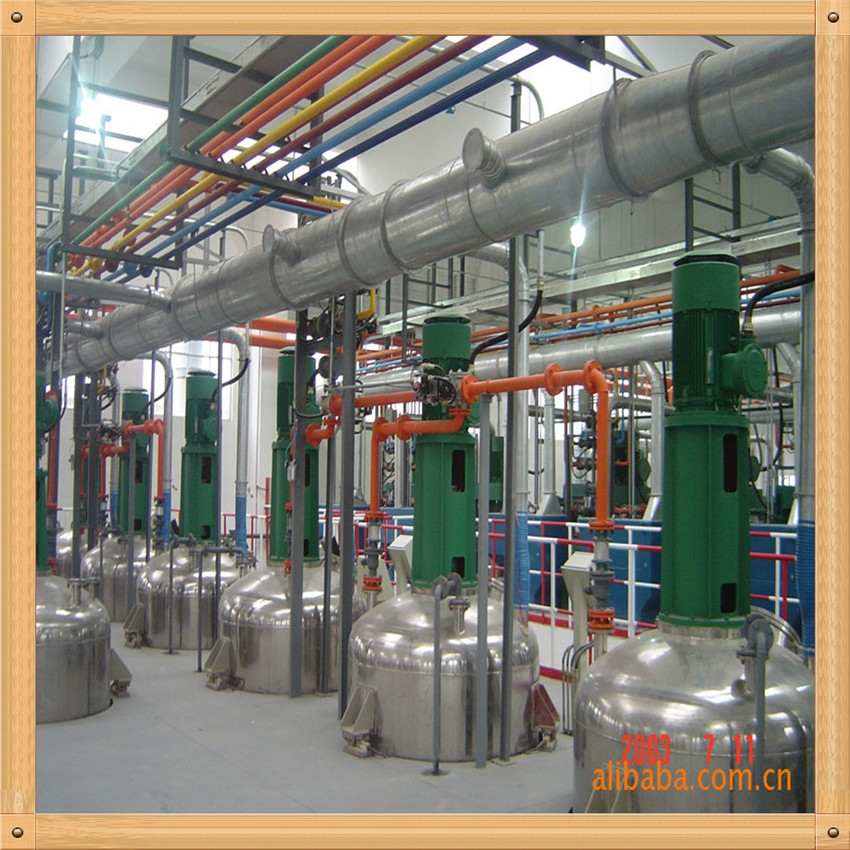
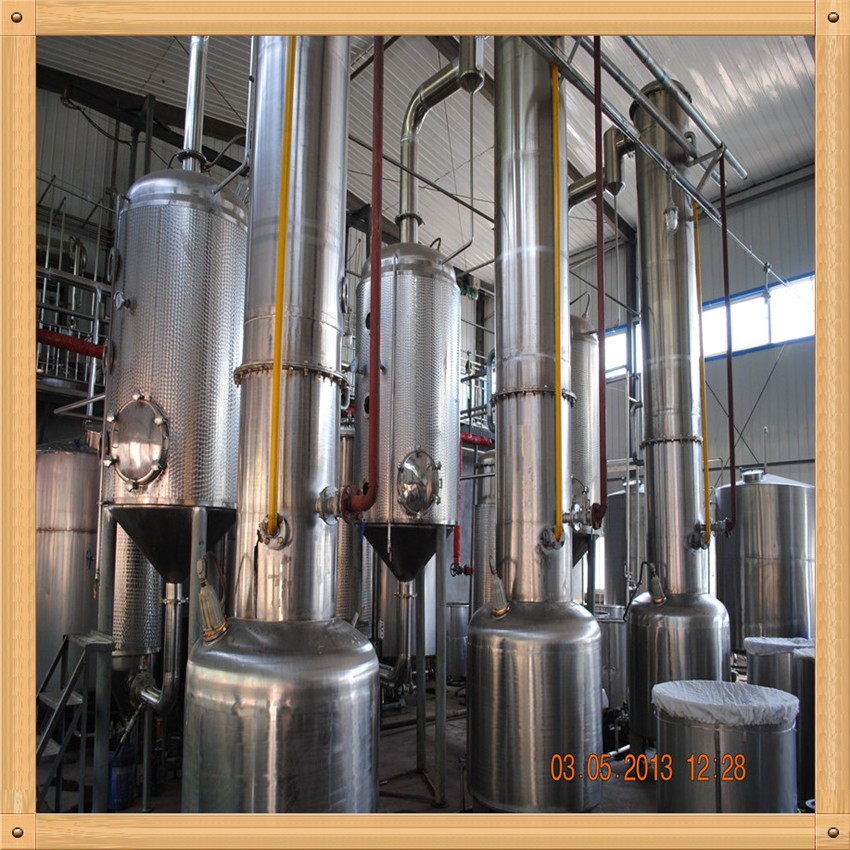
Manufactured inside our GMP-standard workshop and verified via in-house High-Performance Liquid Chromatography (HPLC) to guarantee exact constituent potency without adulteration.
Solanum lycopersicum L. · Deep Red Powder
Cold Water Dispersible Microencapsulation
Carrier: Sunflower Oil or Extra Virgin Olive Oil
Ultra-pure isolated crystalline compound
Strategic analysis for contract manufacturers, procurement officers, and functional food innovators navigating the next five years of carotenoid development.
Industrial demand for Tomato Extract Lycopene is undergoing a massive transformation driven by consumer pushback against toxic synthetic colorants like Red 40 (Allura Red AC) and artificial pigments. Enterprise buyers are eliminating conventional petrochemical hydrocarbon extraction methods (such as hexane, benzene, or dichloromethane) in favor of Green Extraction protocols.
Supercritical Fluid CO2 (sCO2) extraction and subcritical ethanol extraction have become dominant buying criteria across Western Europe and North America. Procurement directors prioritize partners who provide verified residual solvent analyses showing levels far below the ICH Q3C limits (<50 ppm or totally undetectable). Furthermore, traceability to certified non-GMO tomato cultivars cultivated under controlled agricultural environments has become mandatory to comply with rigorous FSMA (Food Safety Modernization Act) rules.
Historically, natural tomato extract yielded predominantly all-trans-lycopene, which, although chemically stable in red tomatoes, exhibits relatively low human intestinal absorption compared to cis-isomers. Pioneering physiological research confirms that 5-cis, 9-cis, and 13-cis isomers possess markedly higher bioavailability in human plasma and tissue uptake.
As a result, forward-looking formulators are transitioning to thermo-treated or enzymatic isomerized lycopene, where cis-isomer content is deliberately optimized. Simultaneously, the challenge of lipophilic insolubility is solved through advanced nano-emulsification and double-layer lipid matrix microencapsulation. These CWD (Cold Water Dispersible) technologies shield the vulnerable double bonds against oxidation, UV destruction, and digestive gastric acid, allowing clean dispersibility in ready-to-drink (RTD) functional shots, liquid collagen blends, and clear nutraceutical waters.
Located in Xi'an, where the Silk Road and eastern civilization started—a territory endowed with an abundance of traditional botanical herbs—Xi'an Sirn Bio-Tech Co., Ltd. specializes in the R&D and production of the purest essences of natural biological resources.
By leveraging the formidable scientific capabilities of major academic institutions in Xi'an, our customer-centric and market-oriented operations allow us to custom-synthesize and standardize specialized natural products that meet exacting technical demands from food, health care, cosmetics, pharmaceutical, chemical, and veterinary manufacturers across the globe.
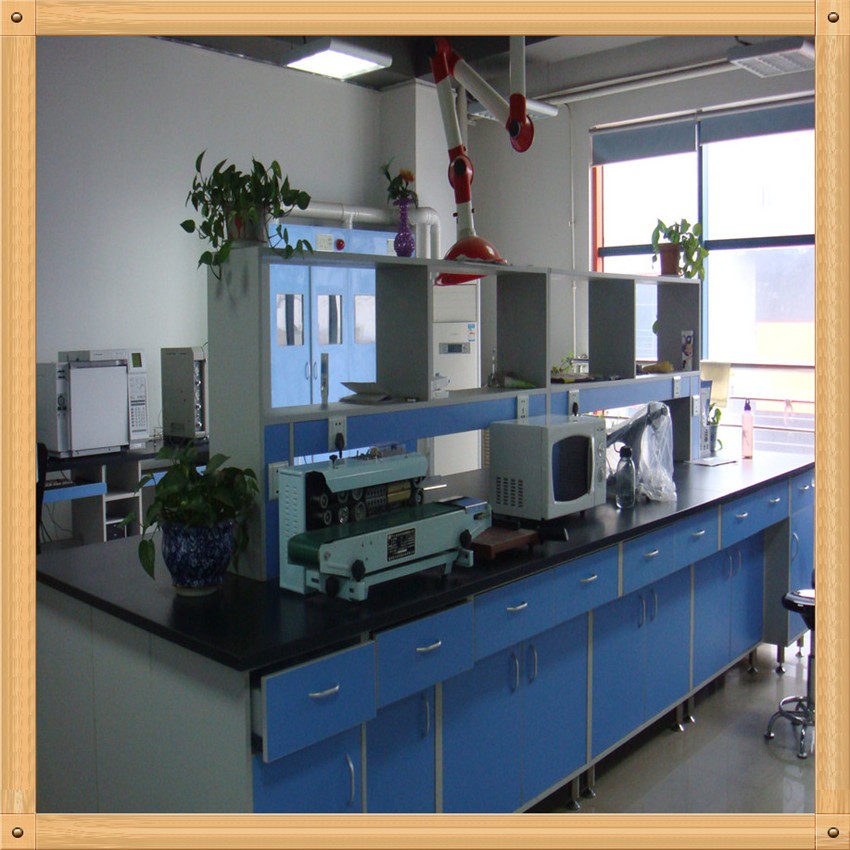
Our analytics suite is equipped with state-of-the-art precision instruments including Gas Chromatography (GC), High-Performance Liquid Chromatography (HPLC), and Ultrasonic Extraction systems. Our primary product ranges span herbal medicine powders, herbal extract products, fruit and vegetable juice powders, dried vegetables, vegetable extracts, vegetable fiber, vegetable enzymes, cereal flour, cereal extract, fiber cereal, cereal protein, and nut protein powders.
Direct technical answers addressing purity, extraction solvents, isomer profiles, biological safety, and logistic compliance for global buyers.
Natural tomato extract lycopene derived from Solanum lycopersicum L. preserves the full synergistic carotenoid matrix, which includes phytoene, phytofluene, beta-carotene, and natural vegetable tocopherols. This natural complex confers superior thermodynamic stability and physiological bioavailability. Synthetic lycopene, chemically produced from petrochemical condensation intermediates, consists purely of isolated trans-lycopene crystals lacking co-factors, which can be prone to rapid degradation upon light and oxygen exposure unless heavily stabilized with artificial antioxidants.
Xi'an Sirn Bio-Tech Co., Ltd. tests every production batch using reversed-phase High-Performance Liquid Chromatography (RP-HPLC) with spectrophotometric DAD detection at 472 nm. Unlike basic UV-Vis spectrophotometry—which cannot separate all-trans-lycopene from degraded cis-isomers or other related carotenoids and frequently leads to false, inflated readings—our HPLC testing provides absolute quantification of pure lycopene isomers adhering strictly to USP and EP monographs.
Because of lycopene's 11 conjugated double bonds, exposure to thermal stress, light, or air triggers isomerization and auto-oxidation into colorless degradation fragments. We protect our powders using microencapsulation technologies, coating the active particles with pharmaceutical-grade modified starch, gelatin, or gum acacia, supplemented with natural mixed tocopherols and ascorbyl palmitate. Finished batches are vacuum-packaged under inert nitrogen flushing in light-blocking multi-ply aluminium foil bags.
Our extraction facilities operate under strict clean chemistry standards. When extraction utilizes food-grade solvents, we deploy vacuum dynamic desolventization and multi-stage crystallization to ensure that residual solvents (such as ethanol, ethyl acetate, or heptane) remain well below strict international statutory limits (USP <467> and EP 5.4 Class 3 limits <50 ppm). For ultra-sensitive markets, we provide 100% solvent-free Supercritical Fluid CO2 extracted tomato oleoresin.
Standard tomato lycopene is highly lipophilic and completely insoluble in water. To address functional beverage manufacturing requirements, Xi'an Sirn Bio-Tech Co., Ltd. supplies a specialized Cold Water Dispersible (CWD) 5% and 10% microencapsulated powder. When added to ambient or chilled water, it rapidly hydrates and disperses completely into a homogeneous, bright-red solution without surface oil rings, precipitation, or sedimentation over shelf life.
When stored in its original, unopened aluminum packaging in a cool, dry place away from direct sunlight at temperatures below 15°C (preferably refrigerated at 2°C–8°C for oil suspensions), our Tomato Extract Lycopene possesses a verified shelf life of 24 months. Re-testing of assay and peroxide value is recommended every 12 months after primary opening.
We provide 20g to 50g complimentary evaluation samples to qualified procurement and technical departments for identity and assay testing. For bulk commercial operations, our MOQ is 1 kg for trial runs, scaling to metric tons for ongoing contract manufacturing. Standard in-stock orders are packed and dispatched within 3 to 5 business days, backed by our guaranteed reply time of ≤2 hours across all customer inquiries.