Clean Topical
Manufactured under cGMP conditions with validated spectrophotometric and chromatographic assays. All lots feature complete Certificate of Analysis (COA), full heavy-metal clearance, and customized extraction ratios.
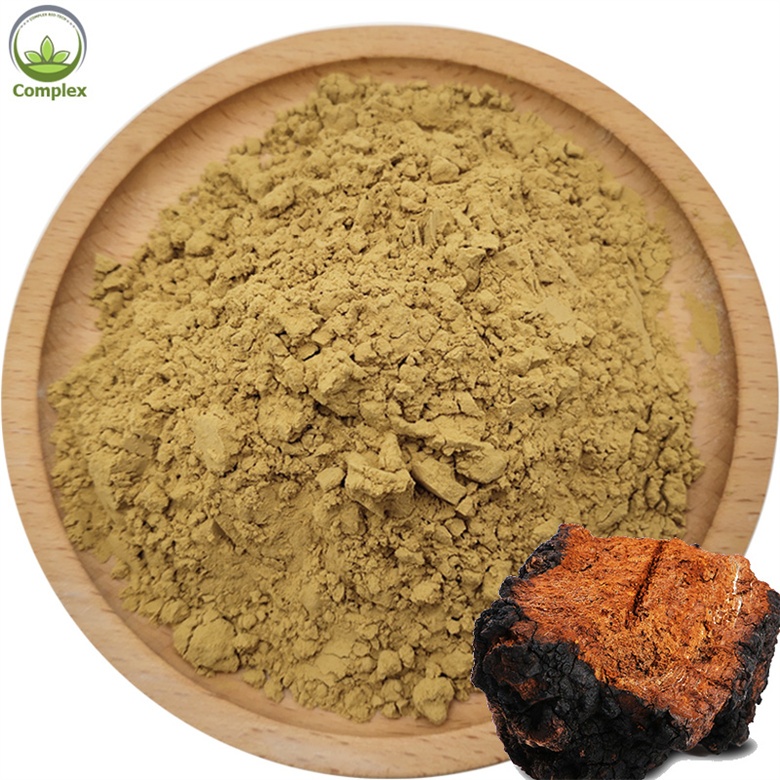
Overcoming the extraction barrier of fungal chitin matrices through pressurized multi-stage aqueous infusion, hydro-ethanolic percolation, and ultrafiltration chromatography.
The therapeutic efficacy and commercial reproducibility of medicinal mushroom extracts—including Ganoderma lucidum (Reishi), Inonotus obliquus (Chaga), Hericium erinaceus (Lion's Mane), and Cordyceps militaris—depend entirely on the chemical liberation of intracellular bio-compounds encapsulated within the non-digestible fungal chitin matrix. Unlike typical soft plant leaves or aerial herbs, fungal cell walls consist of structurally dense, highly cross-linked β-glucan-chitin complexes that remain insoluble and biologically unabsorbable in conventional raw powder forms.
At our Shaanxi extraction manufacturing facility, our bioprocess design centers on precision-controlled differential thermal breakdown and ultrasonic-assisted solvent flow. By breaking hydrogen bonding between cross-linked polysaccharide chains without cleaving the biologically active β-(1,3)-(1,6) branching configurations, we yield pure mushroom extracts characterized by authentic molecular weights, superior water dissolution, and validated physiological bioavailability.
Procurement teams require transparent marker compound quantification rather than crude, unverifiable ratio claims (e.g., generic 10:1 or 50:1 assertions). The table below outlines our standardized analytical specifications assayed via HPLC, UV-Vis, and enzymatic β-glucan kits:
| Fungal Species | Standardized Active Compounds | Testing Protocol | Extraction Solvent | Primary Therapeutic Class |
|---|---|---|---|---|
| Chaga (Inonotus obliquus) | Polysaccharides 10%–50%, Betulinic Acid ≥2.0%, Polyphenols ≥15% | HPLC & UV-Vis (Megazyme Validated) | Purified Hot Water / Subcritical Ethanol | Oxidative Balance / Immunomodulation |
| Reishi (Ganoderma lucidum) | Total Triterpenes 2%–10% (Ganoderic Acids A-F), β-Glucan ≥25% | HPLC Fingerprint Chromatography | Dual Phase: Hydro-Ethanolic & Aqueous | Endocrine / Adaptogenic Homeostasis |
| Lion's Mane (Hericium erinaceus) | Hericenones (Fruiting Body) / Erinacines (Mycelium) ≥0.5%, β-Glucan ≥30% | Reverse Phase HPLC / UV Assay | Targeted Organic Solvent Separation | Nerve Growth Factor (NGF) / Cognition |
| Cordyceps (Cordyceps militaris) | Cordycepin ≥1.0%, Adenosine ≥0.2%, Polysaccharides ≥30% | HPLC (Isocratic & Gradient Elution) | Enzyme-Assisted Aqueous Hydrolysis | Cellular ATP Resynthesis / Lung Health |
| Turkey Tail (Trametes versicolor) | PSK / PSP Complexes, Protein-Bound Polysaccharides ≥40% | Spectrophotometric / Size-Exclusion SEC | Cyclic Pressurized Reflux | Oncological Adjuvant / Gut Microbiota |
A prevalent challenge within global botanical supply chains is the intentional or accidental adulteration of mushroom powders with high-starch agricultural substrates. When medicinal fungi are grown on cereal grains (such as oats, rice, or rye) and harvested prior to fruiting body maturation, the resulting biomass contains large proportions of residual α-glucans (maltodextrin, starch, glycogen) rather than immunologically active fungal β-glucans.
Our Quality Assurance framework eliminates this ambiguity. Using the internationally recognized enzymatic assay protocol (Megazyme methodology), our testing lab determines both Total Glucan and Alpha-Glucan fractions. By enzymatically hydrolyzing α-glucans to D-glucose with amyloglucosidase and invertase, followed by specific acid hydrolysis of insoluble β-glucans, we mathematically isolate the genuine fungal β-(1,3)-(1,6)-D-glucan concentration. Every certificate of analysis explicitly reports both values, ensuring formulators obtain pure bioactive fungal extracts that pass the strictest regulatory inspections in North America and the European Union.
Bridging Xi'an's historic botanical herbal abundance with academic analytical instrumentation and large-scale industrial extraction facilities.
Equipped with class-100,000 clean air filtration systems, closed-loop stainless steel extraction tanks, and vacuum low-temperature spray/freeze drying machinery to prevent active compound denaturation.
In-house high-performance liquid chromatography (HPLC), gas chromatography (GC), UV-Vis spectrophotometers, and atomic absorption spectrometers verify assay potency, heavy metals, and residual solvents batch-by-batch.
Strategic academic R&D partnerships with Xi'an Jiaotong University, Northwest University, and Xi'an University of Science and Technology drive breakthroughs in targeted active isolation and stability enhancement.
Two specialized pilot production lines enable quick formulation adjustments from initial 1 kg sample testing to full multi-ton industrial campaigns without altering physical powder flowability or bulk density.
Key structural shifts reshaping global B2B procurement strategies, quality standards, and regulatory oversight across North American and European nutraceutical markets.
Procurement directors are phasing out generic UV total polysaccharide assays in favor of HPLC and HPTLC fingerprint chromatographic mapping. Modern buyers demand quantitative proofs of active ergosterol, cordycepin, and specific triterpenic profiles to prevent supplier adulteration with cornstarch or microcrystalline cellulose.
The premium functional food sector is moving decisively toward 100% pure mushroom powders free from carrier agents such as maltodextrin. Spray-drying technological upgrades now allow sticky, polysaccharide-rich extracts to dry under controlled humidity without carrier aids, fulfilling strict consumer demand for single-ingredient declarations.
Monolithic water extraction is no longer sufficient for complex functional mushrooms like Reishi and Chaga. Sourcing contracts prioritize dual-extraction processes where water-soluble β-glucans and alcohol-soluble triterpenoids/betulinic acid are isolated concurrently, combined in verified stoichiometric ratios, and agglomerated for superior beverage solubility.
From subcritical fluid processing to targeted enzymatic digestion: how factory technology is maximizing active component yields and absorption kinetics.
The global medicinal mushroom extract market is transitioning from basic commodity supply toward sophisticated biochemical engineering. Several breakthrough processing paradigms are transforming commercial manufacturing:
By pressurizing water between 100°C and 250°C below its critical point, the dielectric constant (ε) of water is reduced to mimic organic solvents like ethanol. This eco-friendly green technique completely avoids toxic petrochemical solvents while dramatically increasing the extraction yield of high-molecular-weight polysaccharides and delicate phenolic antioxidants.
Large-chain fungal β-glucans (often exceeding 500 kDa) can present viscosity barriers and diminished intestinal uptake. Utilizing targeted food-grade endo-β-glucanase enzymes, forward-looking facilities cleave broad molecular polymers into standardized 50–150 kDa fragments, optimizing receptor binding with Dectin-1 on human macrophages without altering safety profiles.
Medicinal mushroom active powders are branching beyond hard capsules. Water-dispersible micro-granules are specifically calibrated for zero-sediment ready-to-mix mushroom coffee sachets, functional liquid elixirs, functional chocolates, and topical transdermal cosmetic hydrogels.
Transparent answers covering batch validation, testing methodologies, logistics compliance, and customized OEM processing parameters.
Connect directly with our senior botanical extraction engineers. Receive customized batch Certificates of Analysis, chromatographic fingerprint data, regulatory documentation, and competitive tiered factory pricing within 2 hours.