SirnBIO-TECH Talk to Us
Search by product name, Latin name or CAS number.
Rigorous origin selection, low-temperature vacuum condensation, and ultrasonic extraction technology guarantee maximum bio-retention and international pharmacopeia compliance.
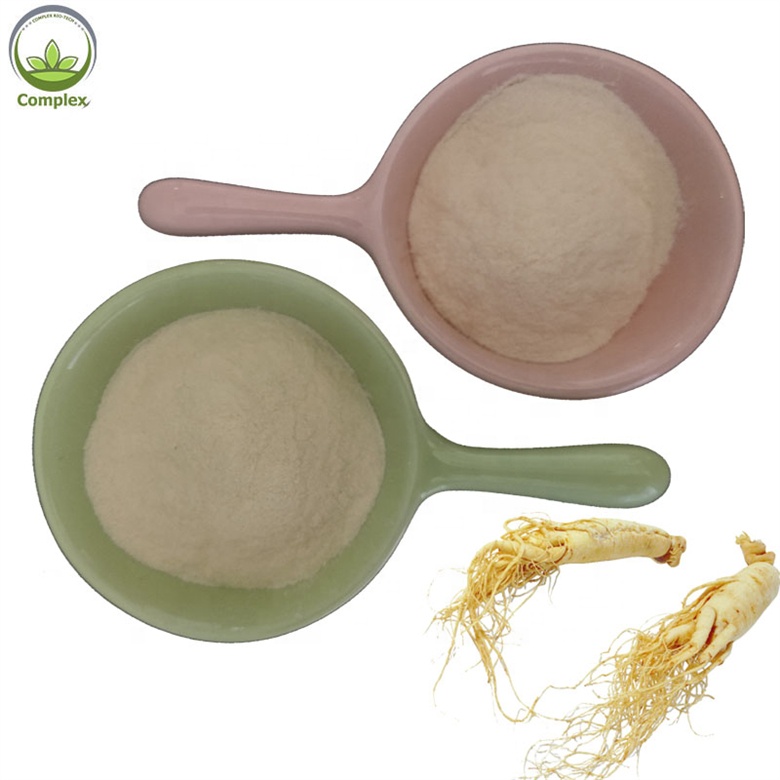
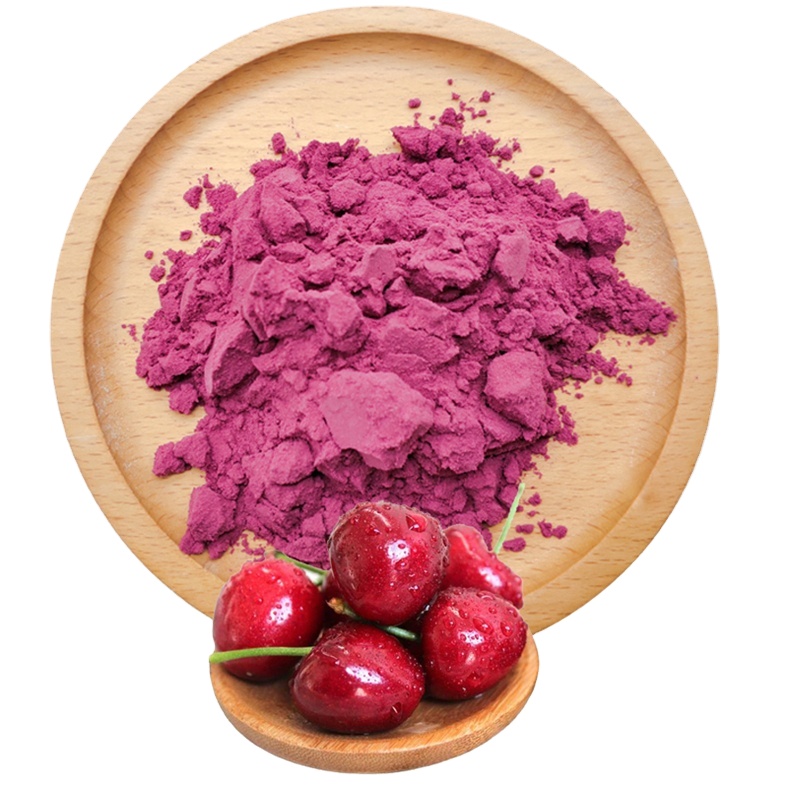
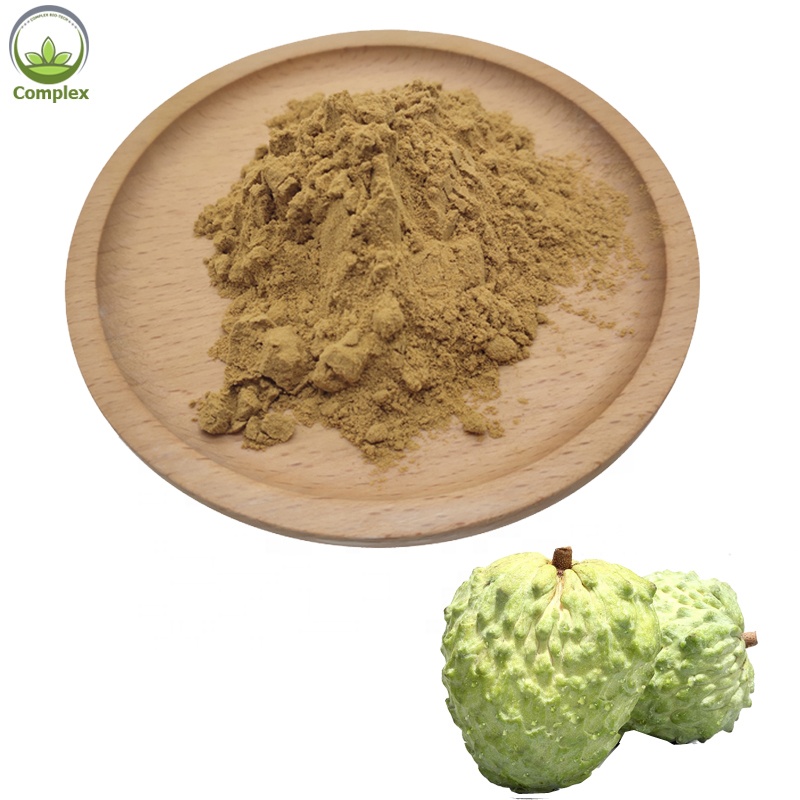
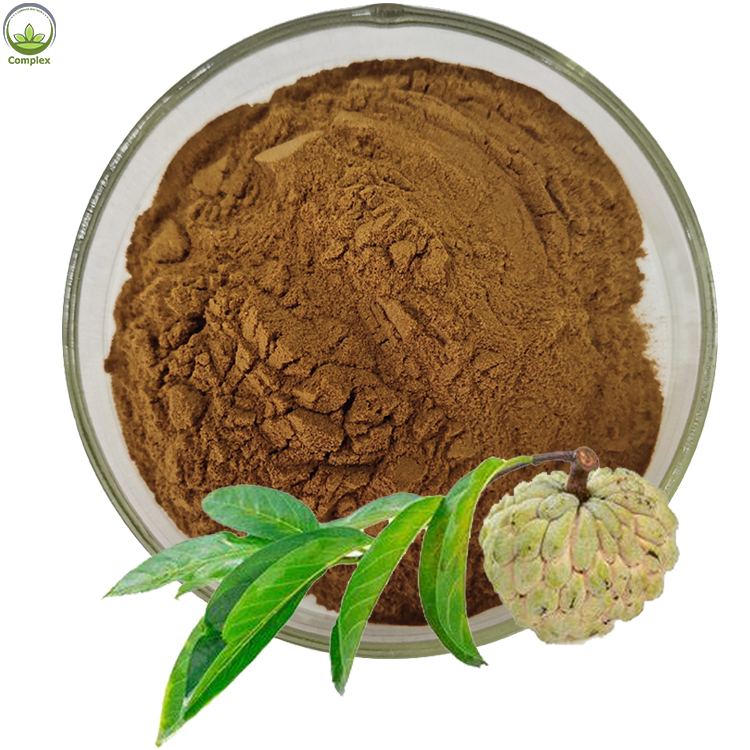
Modern international procurement has evolved from generic price-per-kilogram shopping into an intricate matrix of regulatory compliance, bioactive standardization, pesticide limits, and ESG traceability.
Global brand owners are aggressively transitioning towards maltodextrin-free and excipient-free powders. Procurement protocols now prioritize pure spray-dried and freeze-dried botanicals where the botanical itself acts as the self-carrier, avoiding hidden allergens and synthetic anti-caking silica additives.
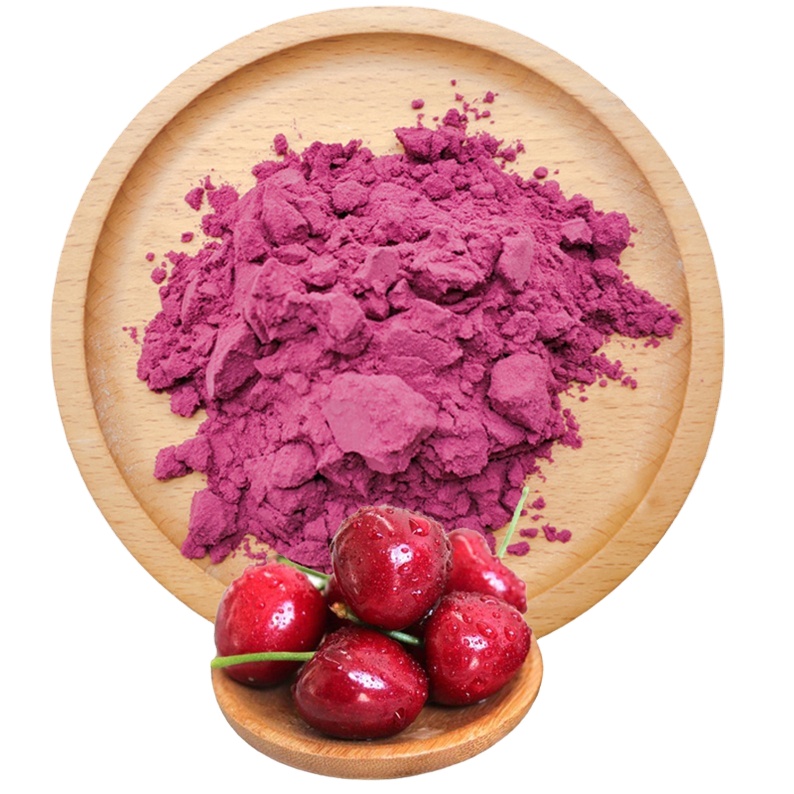
Crude UV-Vis testing is no longer acceptable for premium markets. International buyers demand High-Performance Liquid Chromatography (HPLC) and Gas Chromatography (GC) fingerprinting to identify exact active isomers—such as differentiating active Ginsenoside fractions (Rg1, Rb1) or verifying natural vs. synthetic L-ascorbic acid in Acerola Cherry.
Strict adherence to the European Pharmacopoeia (EP) and USP chapters on heavy metals (Pb < 3.0 ppm, As < 1.0 ppm, Cd < 1.0 ppm, Hg < 0.1 ppm), polycyclic aromatic hydrocarbons (PAH4), and multi-residue pesticide screenings (over 450 compounds) has become non-negotiable for enterprise cross-border procurement.
How technological convergence—from supercritical fluid extraction to targeted bio-fermentation—is reshaping the quality benchmarks of exported Chinese botanical powders.
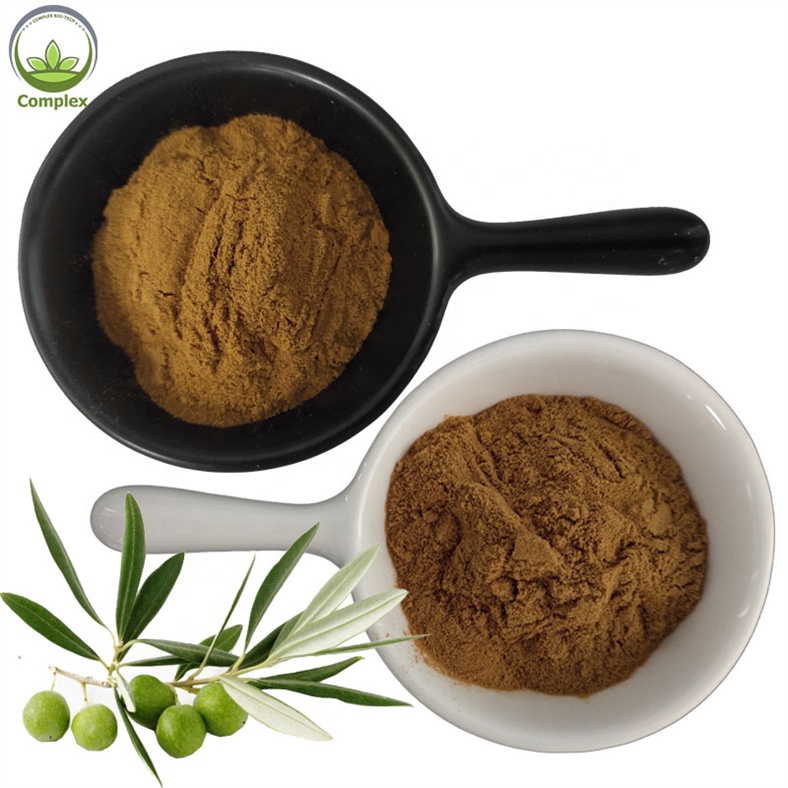
To overcome bioavailability bottlenecks and bitter organoleptic profiles, manufacturers are embedding natural phytocompounds into micro-phospholipid liposomes. This enhances gastrointestinal absorption for polyphenol-dense powders like Olive Leaf extract and Graviola leaves while retaining active molecular stability over 24-month shelf lives.
Moving beyond conventional boiling and reflux, modern plants in Shaanxi employ gentle pectinase/cellulase digestion coupled with ultrasonic cavitation. This cold-extraction paradigm prevents thermolabile degradation of volatile esters, natural cherry vitamins, and delicate floral flavonoids.
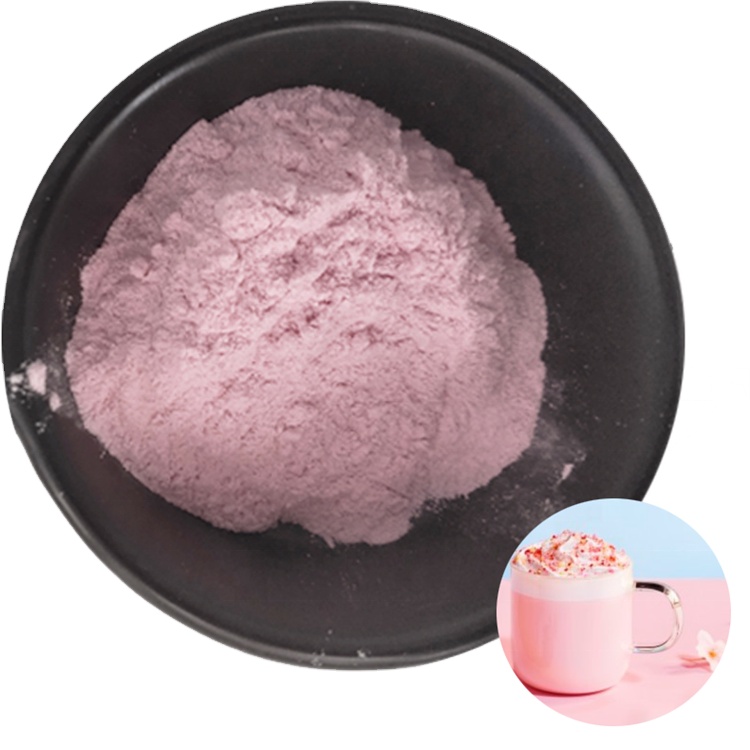
Modern functional stick-packs and RTD beverages require botanical powders capable of instant dispersibility without sedimentation. Ultrasonic jet-milling down to sub-micron and cell-broken grades (e.g., 200–500 mesh) ensures high bulk density, improved surface energy, and uniform dissolution in cold liquids.
Headquartered in Xi'an, Shaanxi Province, our manufacturing facilities harness the unparalleled biodiversity of the Qinling Mountain herbal corridor—frequently documented as the natural repository of Traditional Chinese Medicine herbs.
We operate two standard industrial factories equipped with 4 automated continuous extraction lines and 2 scale-up pilot lines within a validated GMP-compliant workshop. This engineering footprint allows formulations to scale smoothly from benchtop grams directly into multi-ton commercial consignments without changing extraction solvent mechanics or thermal profiles.
Through ongoing joint academic research laboratories with Xi'an Jiaotong University, Northwest University, and Xi'an University of Science and Technology, we provide our global clients with unprecedented analytical depth—including HPLC, GC-MS, and ICP-MS testing alongside certified TCM licensed pharmacists.
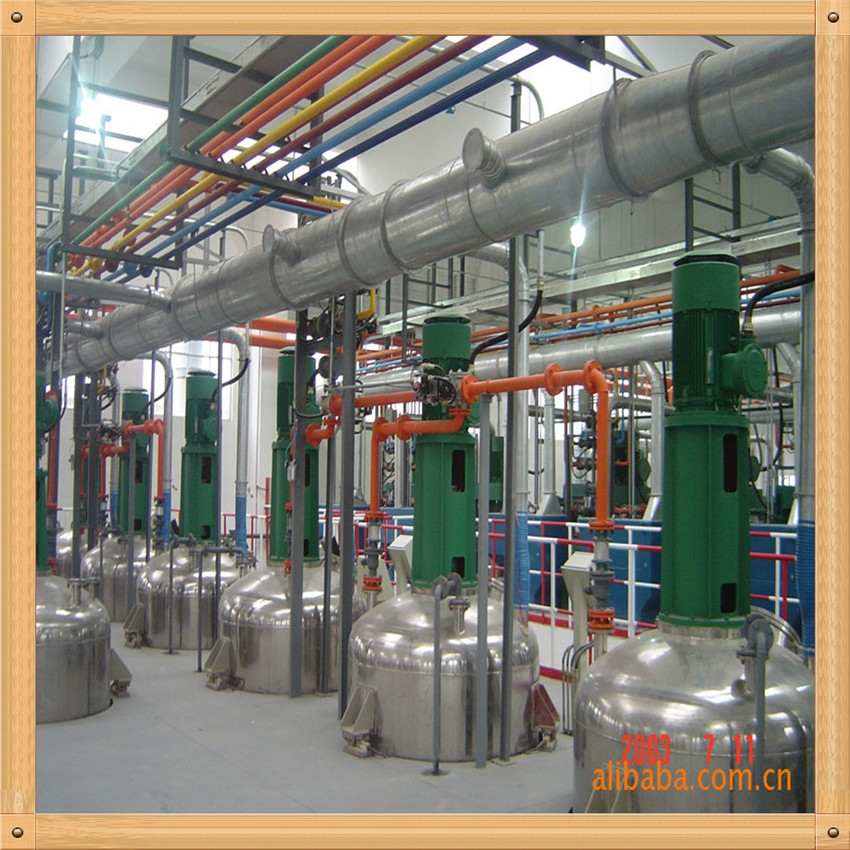
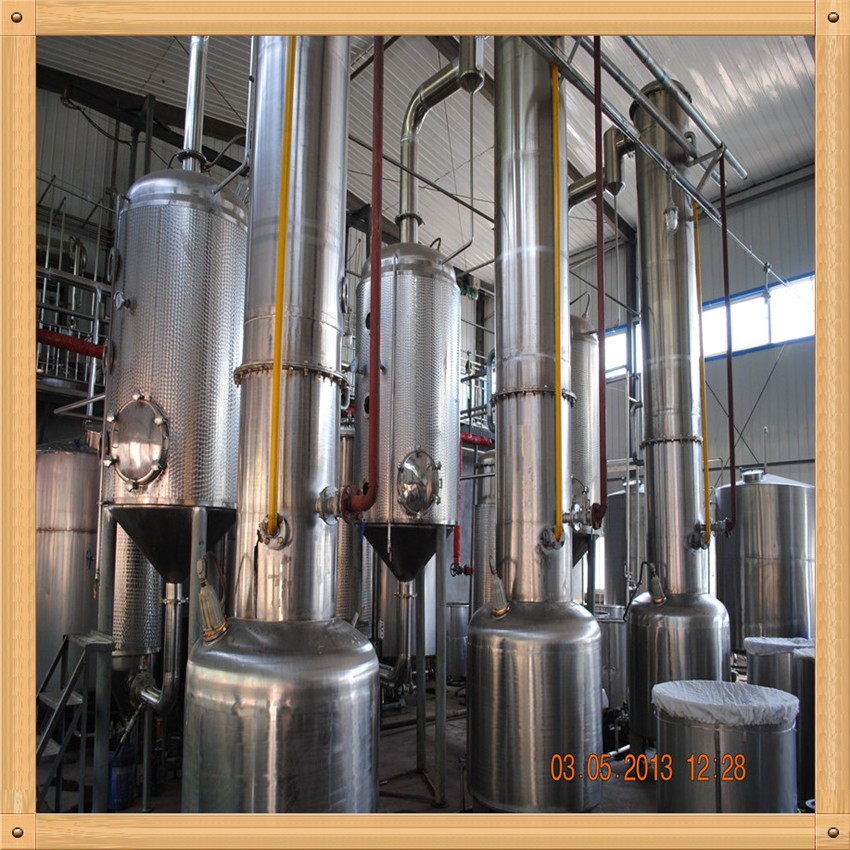
Unlike trading intermediaries, every drum leaving our docks undergoes mandatory pre-shipment quarantine. In-house analytical chemists inspect active fractions against internationally recognized reference standards:
Complete regulatory portfolios—including Batch COA, Material Safety Data Sheets (MSDS), Technical Specification Sheets, Allergen Statements, and Process Flow Charts—are provided prior to commercial shipping.
Key considerations covering supply security, minimum test parameters, sample availability, and international trade compliance.