Lipid Soluble Active
Batch-Specific HPLC/GC COA
University Joint R&D Centers
Commercial & Pilot Extraction
Technical Inquiry SLA
Direct supply from our certified manufacturing base in Xi'an, Shaanxi. Each SKU is engineered for optimal bioavailability, analytical traceability, and seamless blend stability across dietary capsules, softgels, functional beverages, and topical cosmeceuticals.
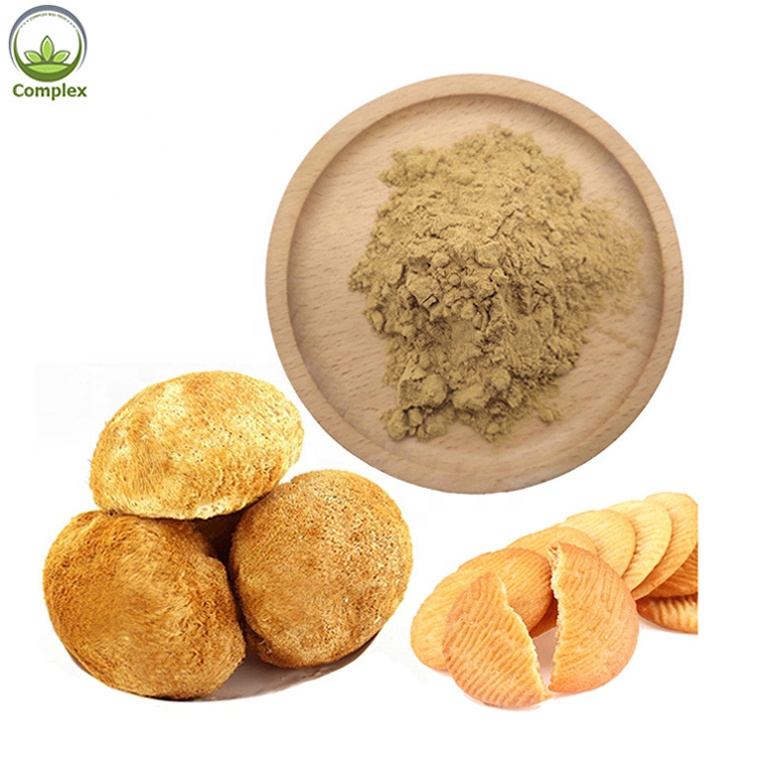
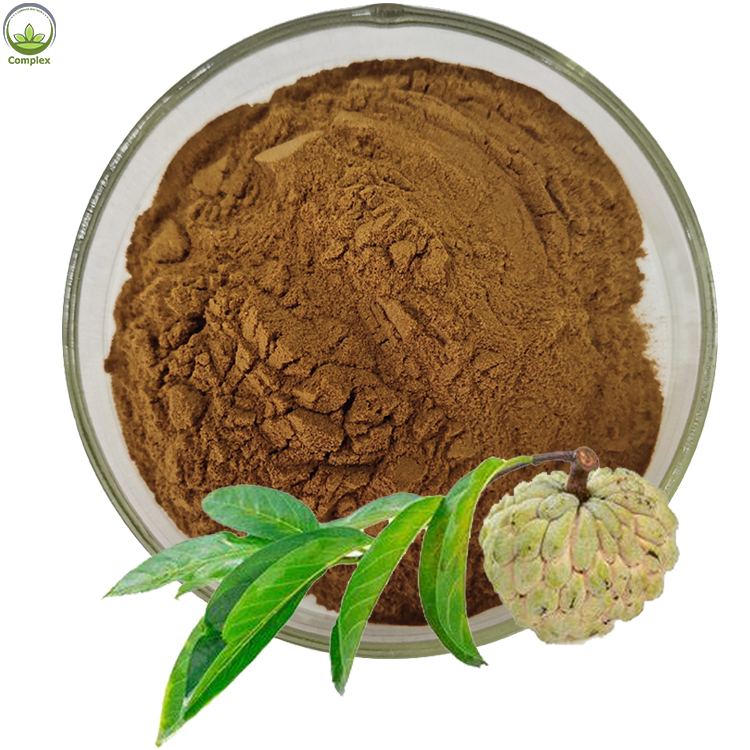
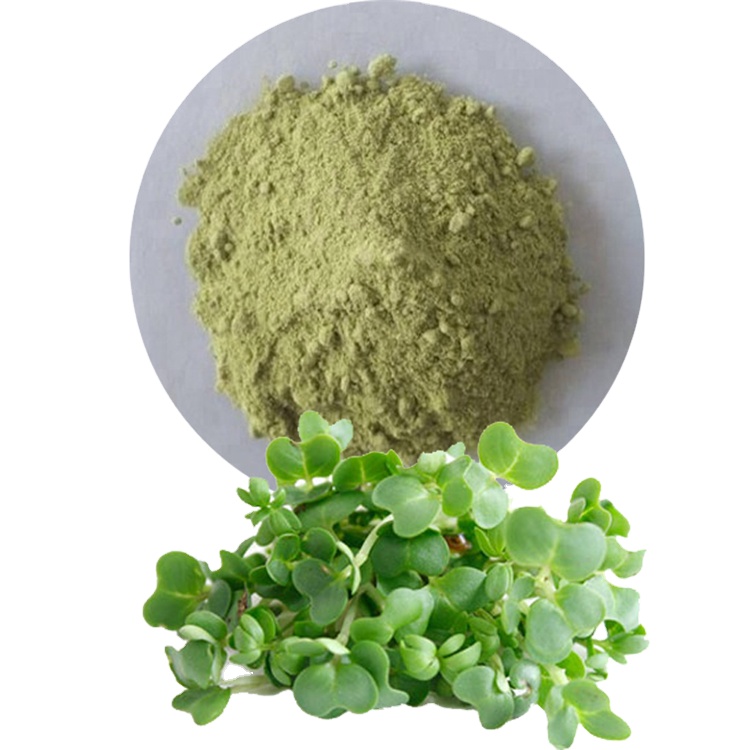
Formulation trends are moving decisively toward validated bioavailability, clean chemistry extraction, and transparent molecular traceability. Procurement leaders must align raw material sourcing with tightening global regulatory standards.
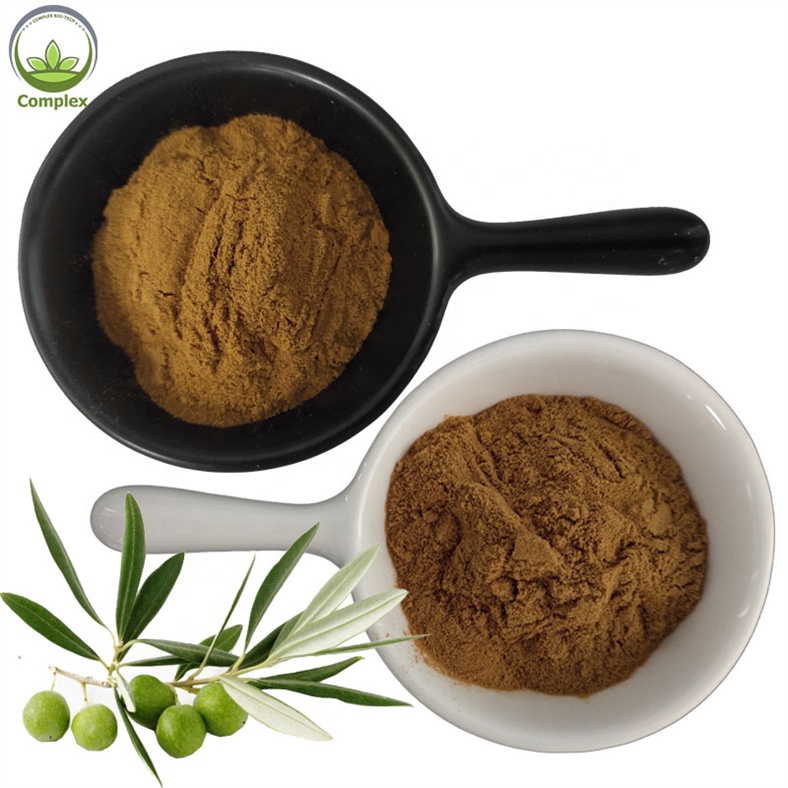
In previous market cycles, commercial botanical sourcing relied heavily on generic dry-weight extraction ratios (e.g., 4:1 or 10:1), which inherently lack chromatographic consistency due to seasonal biomass variability. Today, tier-one global brands demand definitive spectroscopic or chromatographic guarantees. Whether quantifying the oleuropein and hydroxytyrosol fraction in Olea europaea or guaranteeing pure beta-1,3/1,6-D-glucan percentages in Hericium erinaceus, procurement directors are removing ratio-based ambiguity in favor of verifiable HPLC/UV assay validation.
Furthermore, consumer aversion to synthetic additives has made carrier-free botanical processing a mandatory standard. Conventional spray-drying processes historically utilized 20% to 40% maltodextrin or silicon dioxide as process aids. Advanced processing facilities now utilize continuous low-temperature vacuum belt drying and multi-stage cryogenic separation, allowing 100% pure botanical powders to retain natural organoleptic stability and instant water dispersibility without artificial bulking carriers.
Global regulatory bodies are severely reducing permissible thresholds for class 1 and class 2 extraction solvents under USP <467>. Clean extraction utilizing supercritical CO2, ultrasonic cavitation, and pure food-grade hydroethanolic matrices has transitioned from a premium niche to a foundational baseline for tier-one supplement contract manufacturers.
Poor gut permeability and rapid metabolic clearance have historically constrained hydrophobic active ingredients like astaxanthin, curcumin, and resveratrol. Current B2B procurement is heavily favoring specialized micro-encapsulated powders and self-emulsifying liquids designed to spontaneously form uniform micellar droplets upon ingestion.
Geopolitical tariffs and logistics volatility have compelled international vitamin and nutraceutical companies to migrate toward integrated manufacturers capable of delivering both raw ingredients and turnkey OEM/ODM finished packaging with end-to-end provenance verification down to botanical farm cooperatives.
Bridging traditional botanical medicine with contemporary pharmacology through multi-stage physical separation, molecular stabilization, and analytical instrumentation.
The industrial extraction of thermolabile phytochemicals—such as glucosinolates in Nasturtium officinale, catechins and L-theanine in Camellia sinensis, and delicate polysaccharides in functional basidiomycete fungi—suffers significant structural degradation under standard boiling evaporation. Thermal exposure induces hydrolytic cleavage, ring opening, and oxidation, drastically lowering the biological efficacy of the finished bulk powder.
To overcome this, modern processing utilizes multi-effect falling film continuous evaporation operated under intense negative pressure (-0.085 to -0.095 MPa). By dropping the boiling transition threshold of aqueous and hydroethanolic solvents down to 42°C – 48°C, target bioactive isomers remain biochemically intact while preserving initial color values and natural volatile aromatic profiles.
Headquartered in Xi'an, Shaanxi—the epicenter of China's Qinling mountain botanical bio-cluster—we integrate academic research rigor with full-scale GMP commercial manufacturing capacity.
Established research alliances with Xi'an Jiaotong University, Northwest University, and Xi'an University of Science and Technology, driving continuous novel ingredient characterization and bioavailability studies.
Supported by 18 senior and mid-level chemical technicians and 5 nationally certified licensed pharmacists who rigorously audit botanical species identification before raw biomass enters our wash silos.
Equipped with 4 commercial continuous production lines and 2 specialized pilot scale lines. Our dedicated GMP-standard workshop guarantees zero cross-contamination and reliable scale-up from lab gram to metric ton.
We actively reduce technical formulation friction by offering 1 kg low minimum order quantities on standardized powders, enabling rapid bench trials, pilot encapsulation, and stress testing before commercial production.
Clear, uncompromised technical answers to critical compliance, analytical qualification, logistics, and private-label customization questions.
Every commercial delivery undergoes dual botanical identity verification: botanical TLC/HPTLC fingerprinting against official reference pharmacopeia standards, combined with microscopic cellular morphology verification conducted by our licensed TCM pharmacists. For vulnerable commodities like Lion's Mane or Astaxanthin, DNA barcoding validation is available on a project basis to unequivocally confirm taxonomy.
Every shipment is dispatched with an authentic, lot-traceable Certificate of Analysis (COA) detailing physical appearance, particle mesh size, tapped/bulk density, Karl Fischer moisture, heavy metal ICP-MS quantification (Pb, As, Cd, Hg), microbiological assay, and marker assay (HPLC/UV). Furthermore, full Technical Specification Sheets (TDS), Safety Data Sheets (MSDS), Process Flowcharts, Allergen Disclosures, and Non-GMO Statements are provided immediately upon sampling.
Yes. Utilizing modern jet milling and fluid-bed granulation equipment, we adjust mechanical mesh sizing from coarse free-flowing granulations (40–60 mesh for high-speed tablet compression and direct capsule filling) down to superfine micronized powders (800–1200 mesh for maximum suspension in RTD functional beverages and cosmetics). Bulk density can be custom-matched to your specific capsule dosing volume.
Our QC laboratory runs daily Agilent gas chromatography with flame ionization and mass spectrometry detectors (GC-MS/MS) capable of screening over 450 individual pesticide residues in strict accordance with European Pharmacopoeia (EP 2.8.13) and United States Pharmacopeia (USP <561>) thresholds. Residual solvents are monitored under USP <467> guidelines to assure zero detectable Class 1 toxic solvents.
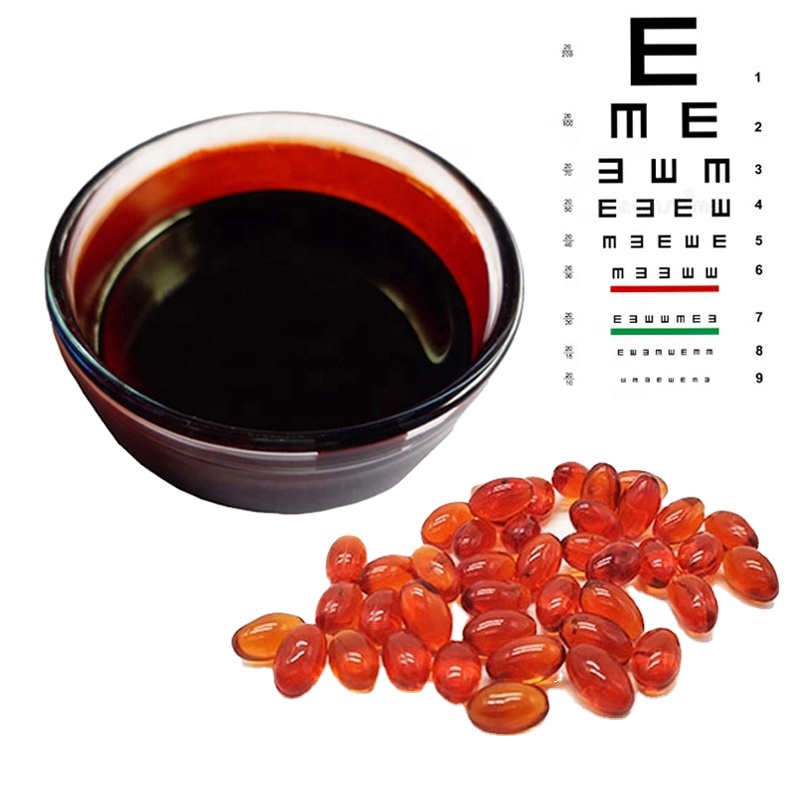
Standard export orders are packaged in heavy-gauge 1 kg heat-sealed multi-layer aluminum barrier foil bags (packed 20 bags per outer carton) or commercial 25 kg fiberboard drums containing food-grade double low-density polyethylene (LDPE) inner liners with desiccants. For light-sensitive liquids like Astaxanthin oil, nitrogen-blanketed fluorinated HDPE bottles or food-grade epoxy-coated steel drums are deployed.
In addition to bulk API and powder supply, we operate automated blending, tableting, hard encapsulation, and single-serve stick-pack / sachet packaging lines. OEM products such as functional mushroom instant coffees, berry antioxidant stick packs, and private-label botanical blends feature low minimum runs starting from just 500 retail units with full custom-printed packaging support.
Request lot-specific certificates of analysis, high-purity laboratory bench samples, or an immediate quotation customized to your mesh, assay, and delivery destination. Our technical sales engineers respond within 2 hours across all global business hours.