SirnBIO-TECH Talk to Us
Search by product name, Latin name or CAS number.
Engineered for global nutraceutical formulators, functional beverage innovators, and cosmeceutical laboratories. Fully assayed via HPLC, UV, and GC with certified batch traceability.
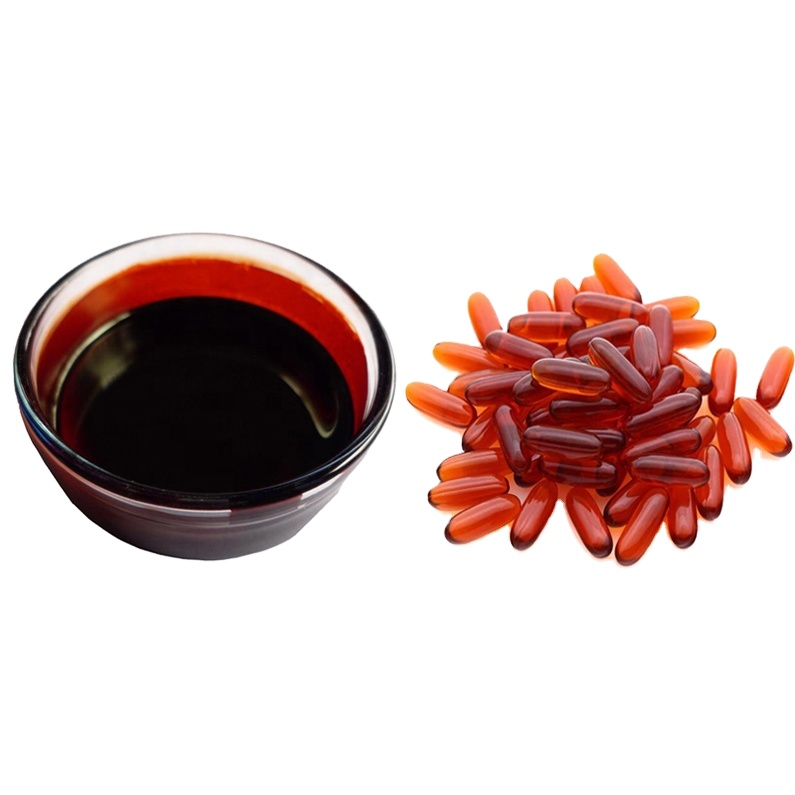
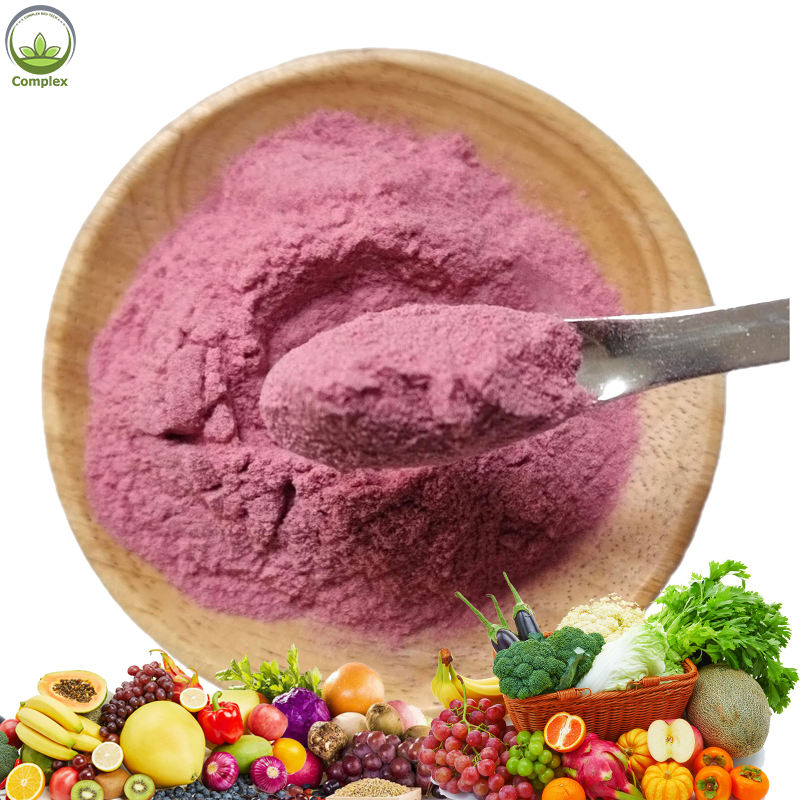
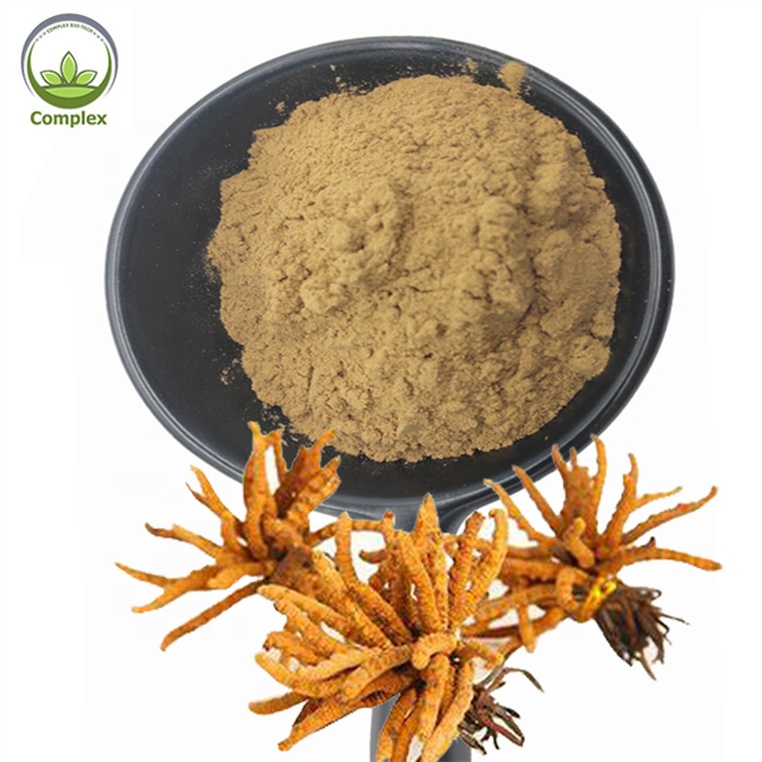
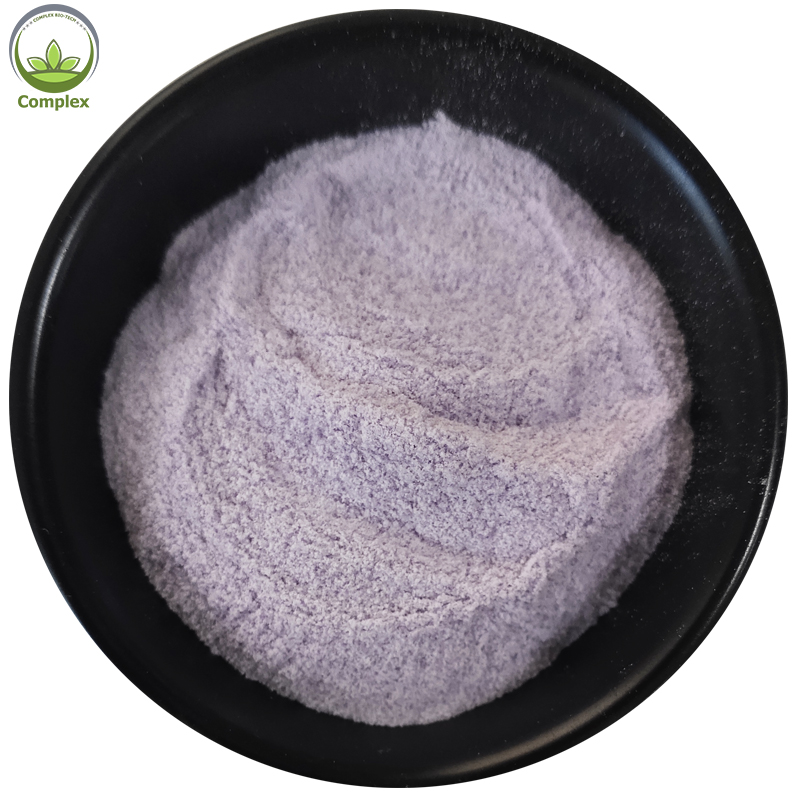
The global trade in botanical raw materials has progressed beyond generic ratio extracts toward rigorous phytochemical quantification. Historically, broad metrics like a "10:1" concentration ratio left buyers vulnerable to variations in native biomass potency, seasonal deviations, and solvent selectivity. Modern compliance frameworks—such as USP, Ph. Eur., and Food Chemicals Codex (FCC)—demand empirical proof through High-Performance Liquid Chromatography (HPLC) and Gas Chromatography (GC). At Xi'an Sirn Bio-Tech Co., Ltd., our industrial processing is calibrated to stabilize thermolabile bioactive molecules, systematically eliminate exogenous contaminants, and deliver lot-to-lot homogeneity across every metric ton exported.
Our extraction facilities deploy low-temperature dynamic countercurrent extraction coupled with dual-membrane separation technology. When working with complex botanical matrices—such as annonaceous acetogenins from Annona muricata, xanthones, catechins from high-grade green tea, or keto-carotenoids like natural astaxanthin from Haematococcus pluvialis—elevated thermal gradients can induce oxidative cleavage, ring-opening isomerization, and degradation of therapeutic active sites. By maintaining processing temperatures between 38°C and 55°C under controlled vacuum parameters, our closed-loop extraction train isolates targeted fractions while minimizing solvent residue to levels well below the 50 ppm threshold mandated by stringent international standards.
Every commercial batch is screened with calibrated HPLC-DAD/UV and GC-MS systems. Marker compounds (such as Icariin, Cordycepin, and EGCG) are quantitatively indexed with reference standards from the National Institutes for Food and Drug Control (NIFDC).
We deploy High-Performance Thin-Layer Chromatography (HPTLC) fingerprinting to eliminate the risk of botanical substitution, spiking with unlisted synthetic active pharmaceutical ingredients (APIs), or unapproved maltodextrin bulking agents.
ICP-MS testing verifies elemental purity (Lead <0.5 ppm, Arsenic <0.5 ppm, Cadmium <0.2 ppm, Mercury <0.1 ppm). Residual pesticides are systematically quantified against the strict limits set by USP <561> and EC 396/2005.
Procurement directors and Chief Scientific Officers face structural shifts driven by regulatory realignments, consumer clean-label scrutiny, and geopolitical compliance mandates. Sourcing botanical actives from China requires understanding four macro-developments transforming industrial botanical supply chains:
Hexane and halogenated organic solvents face aggressive regulatory restrictions in North America and the EU. B2B procurement is transitioning decisively toward subcritical and supercritical fluid extraction (SFE-CO2) platforms. These methods yield lipophilic compounds—such as astaxanthin oleoresin—free of petroleum residue, preserving fragile double bonds and delivering an authentic chemical profile without thermal degradation.
Generic dry-weight declarations are being replaced by chromatographic fingerprint validation. Regulatory authorities increasingly audit whole-plant chemical profiles rather than single isolated target markers. This shift eliminates synthetic spike spiking (e.g., adding synthetic caffeine to botanical tea extracts) and prevents the blending of spent botanical biomass into finished export drums.
Functional food, beverage, and RTD formulators are requiring advanced functional modification of raw botanical extracts. Technologies such as ultrasonic wet micronization, fluid-bed microencapsulation with natural prebiotics (acacia fiber), and liposomal spray-drying protect oxygen-sensitive polyphenols from gastric degradation, markedly increasing cellular bioavailability in final formulations.
To help formulation chemists and procurement managers evaluate active raw materials efficiently, the following table details our baseline manufacturing parameters against industry standards:
| Phytochemical Matrix | Botanical Source | Standardized Marker | Extraction Vehicle | Industrial Quality Metric |
|---|---|---|---|---|
| Natural Astaxanthin | Haematococcus pluvialis | 3.0% - 10.0% Astaxanthin (HPLC) | Supercritical CO2 (Solvent-Free) | Zero residual solvent; trans-isomer dominant (>85%) |
| Cordyceps Extract | Cordyceps militaris / sinensis | Polysaccharides ≥40%, Cordycepin ≥1.0% | Ultra-pure Purified Water | Beta-glucan verified via Enzymatic Megazyme Assay |
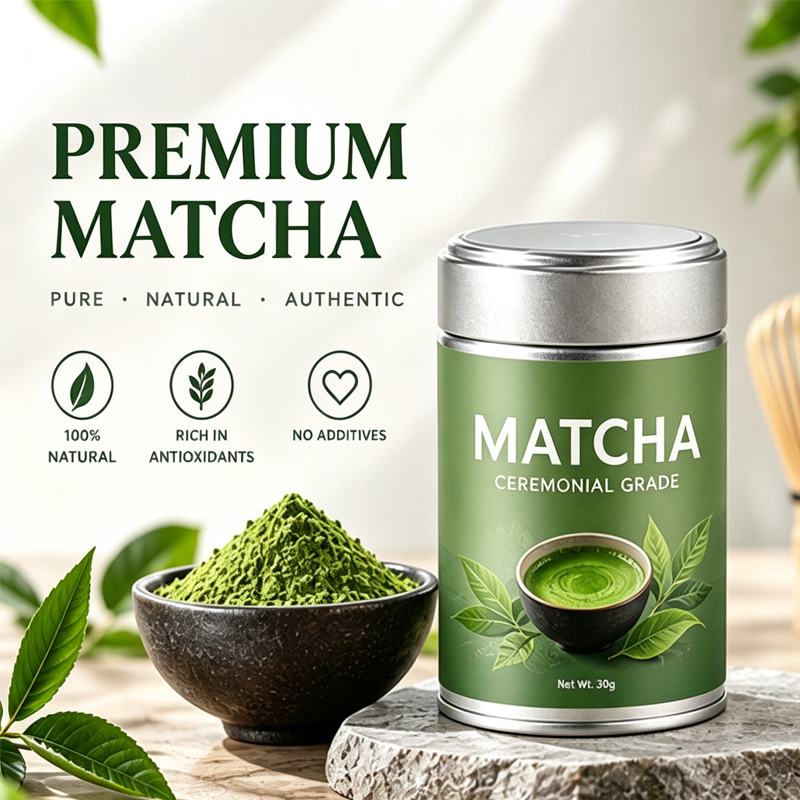
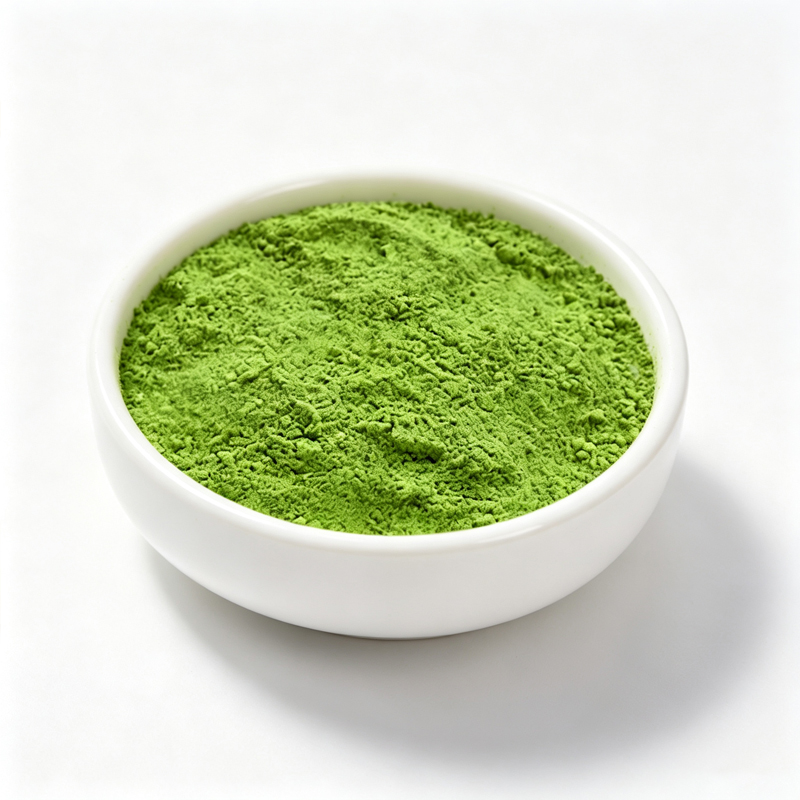
| Ceremonial Grade Matcha | Camellia sinensis (Tencha) | L-Theanine ≥2.5%, Polyphenols ≥18% | Non-Solvent Mechanical Milling | Granulometry <18 μm (Laser Diffraction); >800 Mesh |
| Graviola / Soursop Extract | Annona muricata L. | Standardized 10:1 / 20:1 / Acetogenins | Hydroethanolic (Ethanol/H2O) | Screened for target acetogenins; total heavy metals <10 ppm |
| Hydrolyzed Pearl Powder | Hyriopsis cumingii | Calcium Carbonate ≥90%, 17 Amino Acids | Enzymatic Hydrolysis | 100% Water-Soluble, Zero precipitate in aqueous systems |
Headquartered in Xi'an, Shaanxi—adjacent to the Qinling Mountains, an epicenter of East Asian medicinal botanicals—Xi'an Sirn Bio-Tech Co., Ltd. integrates geographic supply access with industrial engineering. Our manufacturing network addresses common operational risks in international botanical sourcing, including batch inconsistency, documentation delays, and intellectual property exposure.
We operate 2 standard manufacturing sites featuring 4 high-capacity commercial production lines and 2 pilot development lines. This infrastructure lets us scale novel custom formulas smoothly from 1 kg pilot batches to multi-ton commercial runs.
In strategic partnership with Xi'an Jiaotong University, Northwest University, and Xi'an University of Science and Technology, our molecular research programs support targeted isolation of bioactive compounds, stability testing, and novel enzymatic biotransformations.
Our 30-person production and QA team is led by 5 licensed Traditional Chinese Medicine (TCM) pharmacists and 18 certified chemical engineers, enforcing strict quality oversight from incoming raw materials to drum departure.
Exporting through international trade hubs for over 6 years with a 99% inquiry response rate (under 2 hours), we ship standard 1 kg aluminum barrier pouches and 25 kg fiber drums with full customs documentation across 40+ countries.
Direct answers addressing the operational, analytical, and supply-chain requirements of global sourcing managers, contract manufacturers, and quality compliance specialists:
Contact our technical sales team for tailored specification sheets, pilot sample requests, and competitive direct-factory pricing for your target formulation.