Fibrinolytic Active
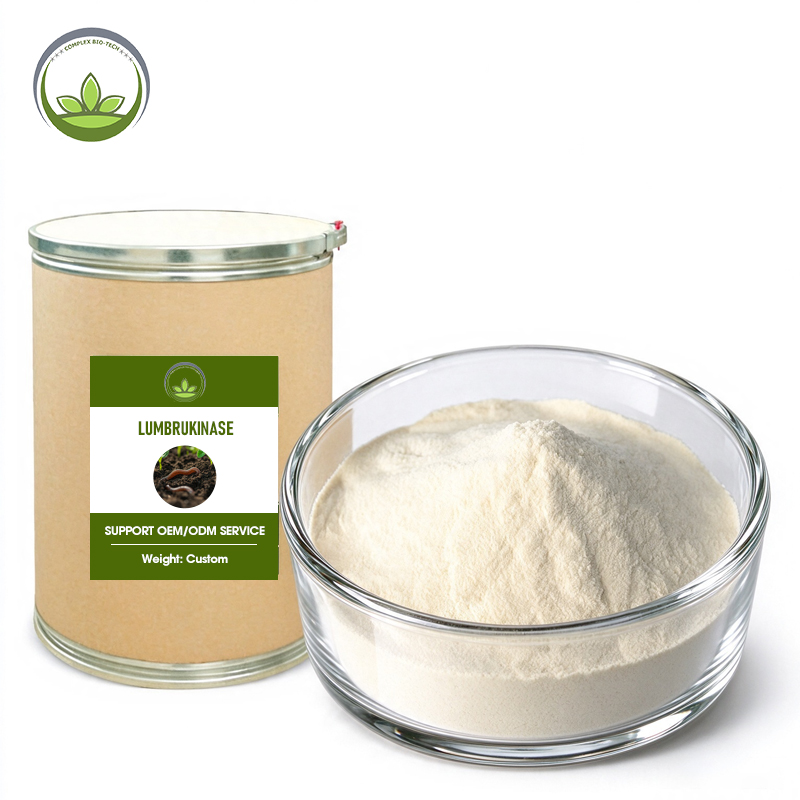
Lumbrokinase Earthworm Extract Powder
- Assay / Bioactivity: Enzymatic Unit Verified
- Form: Light Yellow Powder
- Packaging: Vacuum Cans / Drums
Selected for batch-to-batch chromatographic consistency, biological bioavailability, and multi-market regulatory compliance for nutraceutical, dietary, and functional formulation.
Headquartered in the historic herbal corridor of Xi'an, Shaanxi, Xi'an Sirn Bio-Tech Co., Ltd. bridges high-altitude Qinling Mountain botanical resources with cGMP contract manufacturing excellence.
We maintain active cooperative R&D facilities with Xi'an Jiaotong University, Northwest University, and Xi'an University of Science and Technology. This alliance allows direct access to nuclear magnetic resonance (NMR), high-resolution LC-MS/MS fingerprinting, and bio-guided active fractionation for custom client monographs.
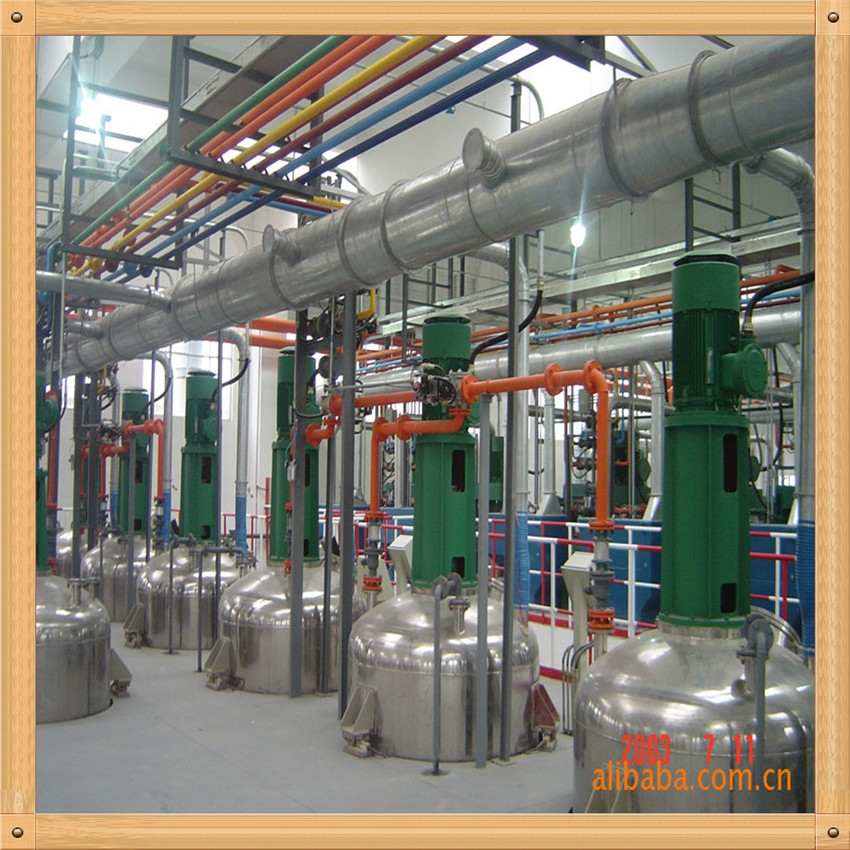
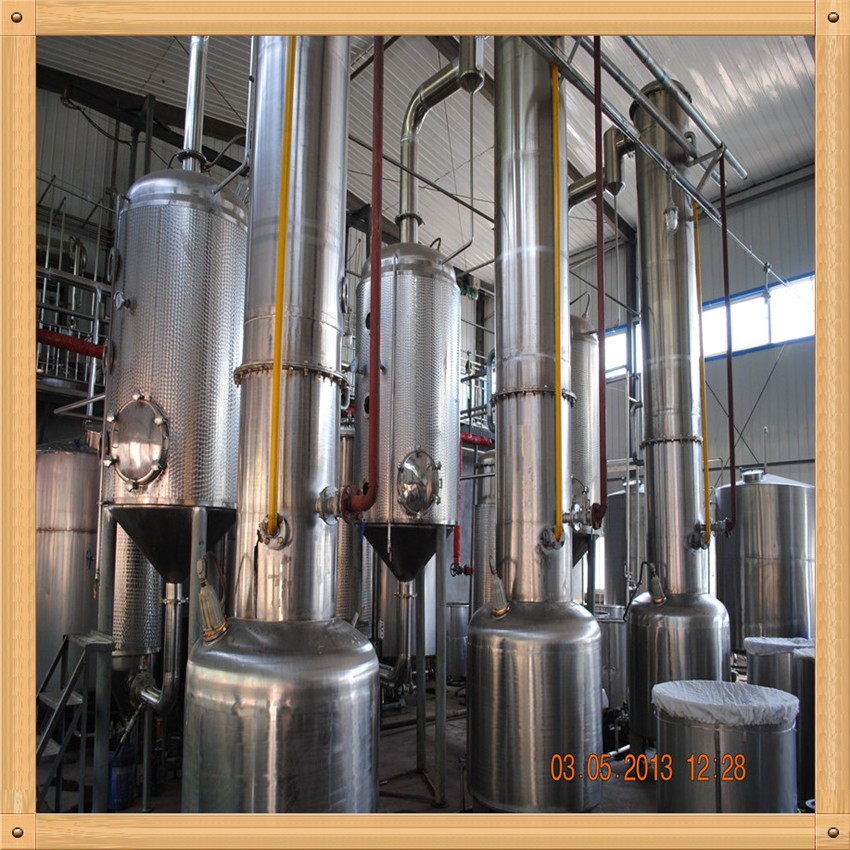
Our extraction facilities house both micro-pilot equipment and multi-ton vacuum concentration cascades. Whether scaling 500 grams of an uncommon botanical seed fraction or manufacturing 20 metric tons of standardized polyphenol extracts, the thermal coefficient, hydrodynamic shear, and resin adsorption curves remain strictly consistent.
Guided by our on-site team of 18 mid-to-senior technical specialists and 5 licensed Traditional Chinese Medicine (TCM) pharmacists, every raw herb lot undergoes macroscopic, microscopic, and thin-layer chromatographic (TLC) botanical identification before release into the extraction stream.
An analytical forecast on supply chain traceability, green extraction metrics, clean-label stabilization, and regulatory stringency across North American, European, and Asia-Pacific markets.
Historically, commercial seed processing was restricted to cold-pressed oil recovery or basic defatted seed meal discard. Over the past five years, the global dietary supplement and cosmeceutical sectors have recognized that the true bio-efficacy of seeds resides within the endosperm, aleurone layer, and seed coat matrices. These structures harbor rich concentrations of condensed tannins, oligomeric proanthocyanidins (OPCs), sesquiterpene lactones, and specialized lipophilic lignans.
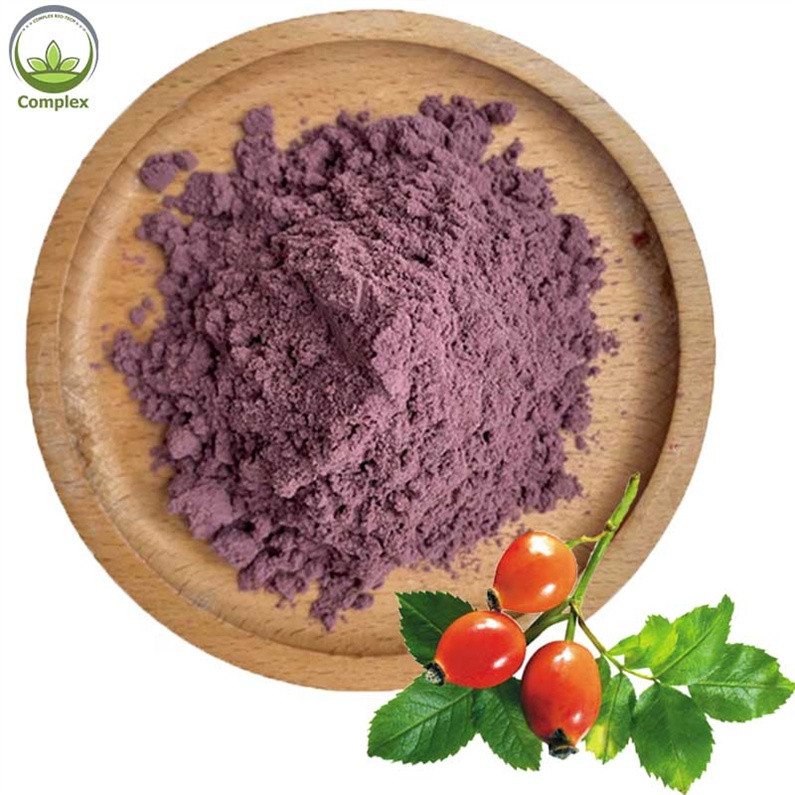
Modern procurement demands are no longer satisfied by generic "seed powder" commodities. B2B buyers now mandate targeted, enriched fractions—such as standardized dihydroquercetin extracted from coniferous species, high-antioxidant proanthocyanidins from wild berry and rosehip seeds, and high-bioavailability enzymatic fractions like lumbrokinase. Sourcing directors must transition toward manufacturers operating continuous multi-stage purification lines capable of segregating toxic anti-nutritional factors (such as phytic acid or cyanogenic glycosides) while isolating desired phytochemical markers with pinpoint accuracy.
Core Procurement Insight: Leading global nutraceutical conglomerates are shifting contract manufacturing specifications away from "extract ratios" (e.g., 10:1, 20:1) toward quantified, chromatographically verified active marker compounds. An HPLC assay reflecting 98% pure taxifolin or spectrophotometrically validated polyphenol fractions eliminates raw material batch variance and defends final retail product label claims.
International regulatory oversight is intensifying worldwide. Under European Pharmacopoeia (EP) 5.4, United States Pharmacopeia (USP) <467>, and California Proposition 65, permissible solvent residue thresholds have tightened dramatically. The era of low-cost hexane or chlorinated hydrocarbon solvent extraction has effectively ended for human-grade botanicals.
In response, tier-1 contract manufacturers have adopted closed-loop hydro-ethanolic dynamic countercurrent extraction, supercritical carbon dioxide (scCO2) fluid fraction systems, and ultrasonic acoustic cavitational extraction. These advanced green platforms lower processing temperatures, prevent thermal degradation of heat-sensitive polyphenols, minimize carbon footprints, and guarantee residual solvent levels well below the 50 ppm threshold. Clean-label product development teams now insist that their OEM suppliers provide comprehensive Gas Chromatography (GC-FID/HS-GC) reports documenting solvent clearance per production campaign.
| Extraction Methodology | Target Phytochemicals | Thermal Exposure | Solvent Residue Risk | Regulatory & Clean-Label Rating |
|---|---|---|---|---|
| Hydro-Ethanolic Countercurrent | Flavonoids, Polyphenols, Glycosides | Controlled (45°C – 60°C) | Near-Zero (Ethanol < 500 ppm) | Class-Leading (Global Supplement Standard) |
| Supercritical CO2 (Fluid) | Lipids, Seed Oils, Tocopherols, Terpenes | Very Low (31°C – 40°C) | Zero (Solvent-Free Phase Change) | Ultra-Premium (Organic / Cosmetic Active) |
| Ultrasonic-Assisted Cavitation | Intracellular Peptides, Enzymes, Insoluble Actives | Ambient to Mild (25°C – 40°C) | Zero (Pure Aqueous or Bio-Ethanol) | High Innovation / High Yield |
| Conventional Reflux (Petroleum Ether) | Crude Oils, Non-polar Lipids | High (70°C – 100°C) | High (Class 2 / Class 3 Residues) | Declining / Non-Compliant for Modern Dietary Use |
Adulteration remains a persistent vulnerability in international botanical trade. In response to global supply chain disruptions and raw material price volatility, substandard brokers have frequently diluted high-value seed and herbal extracts with non-disclosed carriers (such as maltodextrin without disclosure), synthetic dyes, or cheaper botanical alternatives. In our testing protocols, high-performance thin-layer chromatography (HPTLC) fingerprinting paired with genomic DNA barcoding allows absolute taxonomic validation of raw herb species at the warehouse receiving stage. For brands marketing high-margin SKUs in the US, EU, and Australasian jurisdictions, partnering directly with an integrated manufacturer operating documented chain-of-custody tracking from cultivation farm to pallet dispatch is essential for mitigating liability and brand exposure.
Consumer scrutiny regarding excipients has reached an all-time high. Traditional spray drying technologies frequently required up to 30% to 50% maltodextrin, gum arabic, or silicon dioxide to prevent hygroscopic powders from adhering to drying tower walls. Today, progressive OEM/ODM contract manufacturers utilize advanced low-temperature spray drying with specialized atomizers, cyclonic chill collection, and vacuum freeze-drying (lyophilization). This engineering enables the production of 100% pure botanical seed and herbal extracts without synthetic carriers. These free-flowing powders feature uniform bulk density, rapid cold-water wettability, and optimal compressibility for direct-compression tableting or high-speed two-piece capsule filling.
From raw botanical characterization through dynamic extraction, column enrichment, and private-label packaging—our documented 8-stage manufacturing cycle delivers absolute traceability.
Botanical source authentication via HPTLC and macroscopic histology. Full-panel screening for moisture content, heavy metals (Pb, As, Cd, Hg via ICP-MS), multi-residue pesticide screens (>500 compounds), and aflatoxin assays before batch release.
Multi-stage countercurrent extraction tailored to botanical chemistry: pharmaceutical ethanol, pure aqueous extraction, or ultrasonic cavitational enrichment. Low-temperature vacuum concentration protects labile polyphenols and bioactive enzymes.
Enrichment across industrial adsorption resin columns to separate target active molecules (e.g., taxifolin, icariin, lumbrokinase fractions) from sugars and inactive ballast matter. Concentration gradients verified continuously via analytical flow lines.
Dehydration operated within class 100,000 cleanrooms. High-velocity centrifugal spray drying for water-soluble powders and deep vacuum freeze-drying for heat-sensitive botanicals, guaranteeing superior rehydration characteristics and aroma retention.
Custom particle size calibration from 60 mesh to ultra-fine 300 mesh. Fluid-bed agglomeration for instant-dispersible drink mixes, effervescent powders, and microencapsulated beadlets designed for targeted enteric release.
Nitrogen-flushed high-barrier foil pouches (1 kg to 5 kg) or pharmaceutical fiber drums (25 kg) with dual polyethylene hermetic liners. Finished retail formats including sachet packing, stick packs, and capsule bottling ready for global commercial distribution.
Direct answers addressing technical parameters, testing documentation, MOQ thresholds, and regulatory compliance protocols for international procurement teams.
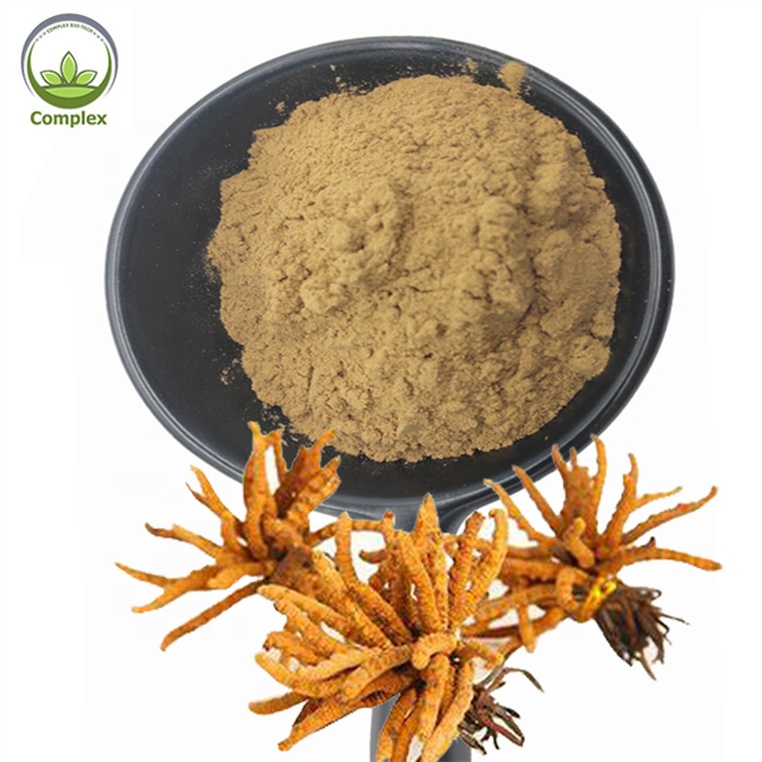
Assay validation is compound-specific: High-Performance Liquid Chromatography (HPLC) coupled with DAD or UV detectors for dihydroquercetin, icariin, cordycepin, and taxifolin; Gas Chromatography (GC-FID/MS) for volatile terpenes, fatty acid profiles, and residual solvents; and UV-Vis spectrophotometry for total anthocyanins and polyphenols. Every batch includes a comprehensive Certificate of Analysis (COA) specifying the test method, reference standards, and precision limits.
For standard in-stock botanical extracts and fruit/seed powders, our baseline MOQ is 1 kg, specifically established to accommodate analytical validation, bench-top formulation trials, and pilot stability studies. For customized contract manufacturing projects involving specialized extraction solvents, proprietary marker concentrations, or custom particle milling, the production MOQ typically starts at 25 kg to 100 kg. For private-label finished stick-packs or sachets, our minimum run begins at 500 units.
Every commercial production run is tested in accordance with USP <232>/<233> and EP 2.4.8 for elemental impurities via Inductively Coupled Plasma Mass Spectrometry (ICP-MS), strictly verifying Lead (<0.5 ppm), Arsenic (<0.5 ppm), Cadmium (<0.2 ppm), and Mercury (<0.1 ppm). Residual solvents are tested via headspace gas chromatography per USP <467> Class 1, 2, and 3 criteria, with all Class 1 solvents strictly prohibited from our facility.
Yes. We routinely supply our global partners with complete documentation packages, including batch-specific COAs, Technical Data Sheets (TDS), Safety Data Sheets (SDS per GHS format), manufacturing process flowcharts, non-GMO declarations, TSE/BSE-free statements, allergen declarations, and irradiation-free certificates. Where required, third-party lab verification (e.g., SGS, Eurofins) can be arranged prior to vessel dispatch.
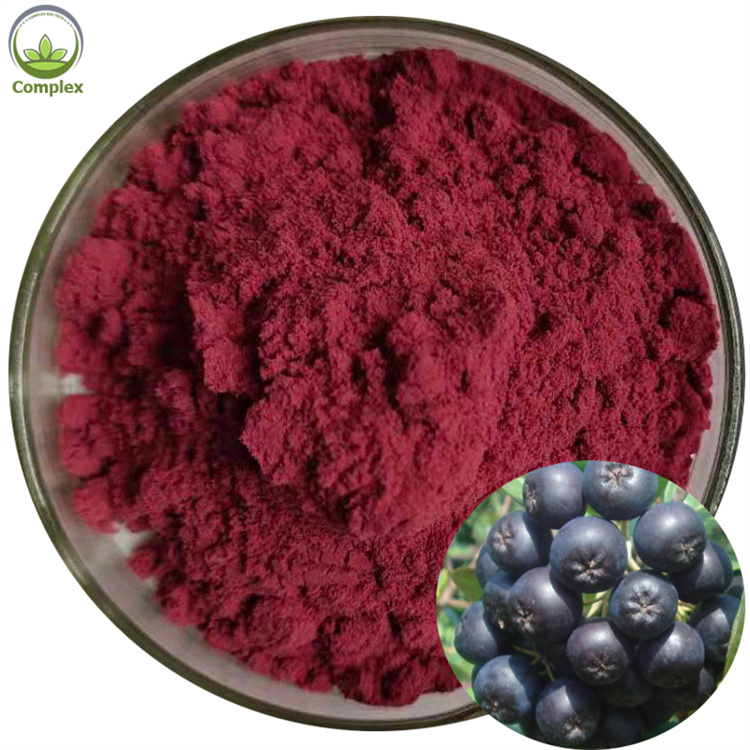
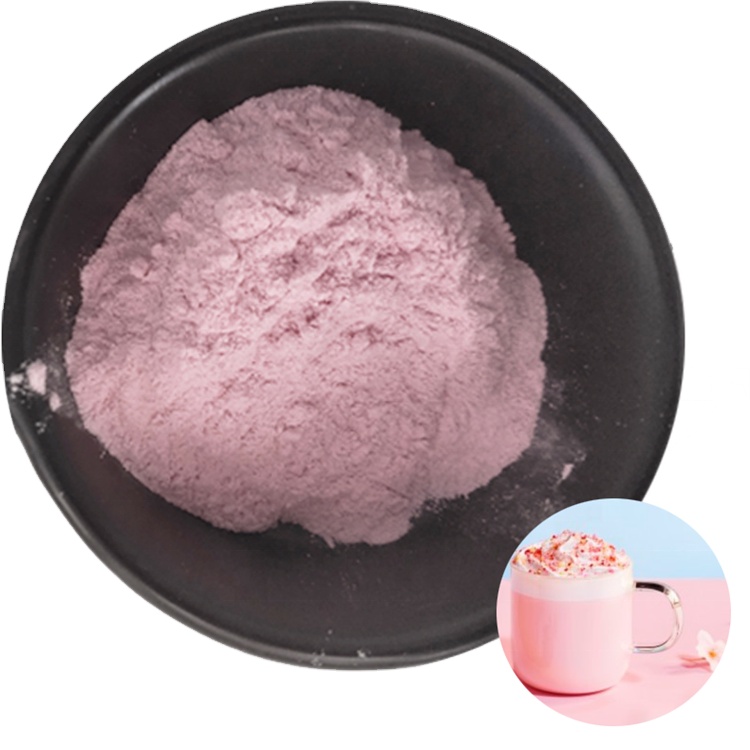
Extracts with high natural sugar or organic acid contents (such as aronia berry, rosehip, or cherry blossom) are packaged inside nitrogen-purged pharmaceutical-grade aluminum foil barrier bags with dual Food-Grade PE inner liners. In extreme maritime humidity routes, food-safe molecular sieve desiccant canisters are integrated into the primary barrier packaging. Fiber drums are secured with tamper-evident seals to ensure integrity throughout international multimodal freight.
Catalog items held in stock ship within 48 to 72 hours following commercial invoice confirmation. Custom contract extraction runs generally require 10 to 18 business days, depending on botanical raw material procurement, extraction cycles, and full micro-testing quarantine. We dispatch globally via temperature-monitored air express (DHL/FedEx/UPS), bonded air cargo, or ocean freight (FCL/LCL) through major export hubs including Shanghai, Qingdao, and Beijing.
Whether optimizing an active marker percentage, seeking carrier-free clean label solutions, or securing a scalable contract supply chain for global distribution—our technical engineers and TCM pharmacists are ready to review your monograph specifications.