Nutraceutical
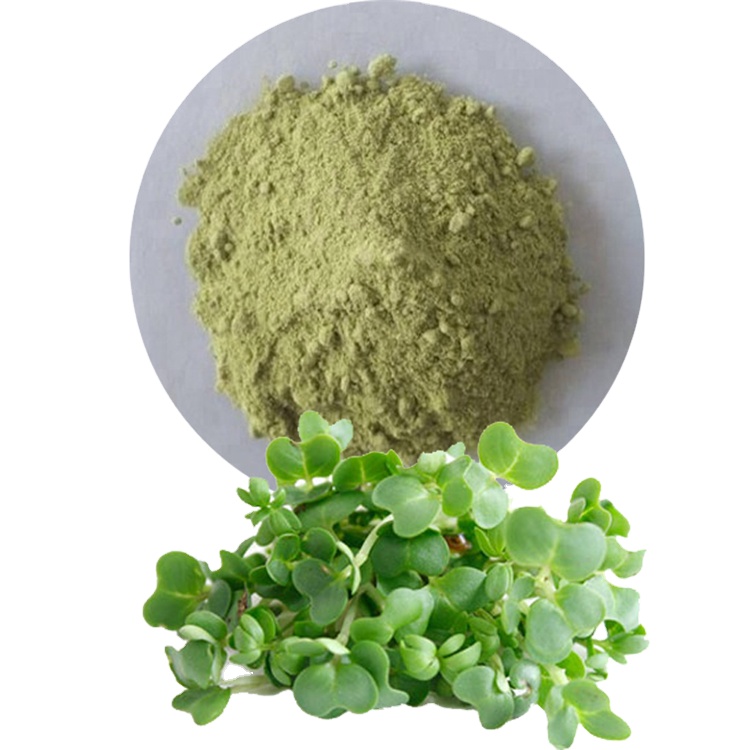
Phytochemically characterized botanical raw materials validated via HPLC, GC, and UV-Vis spectrophotometry to ensure lot-to-lot bioequivalence and strict pharmacopeial compliance.
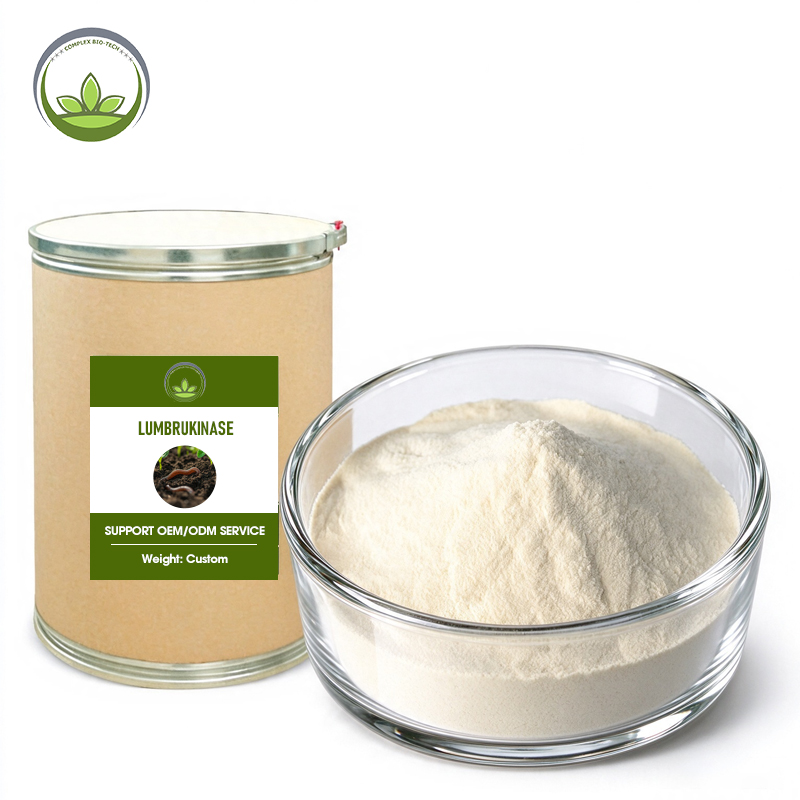

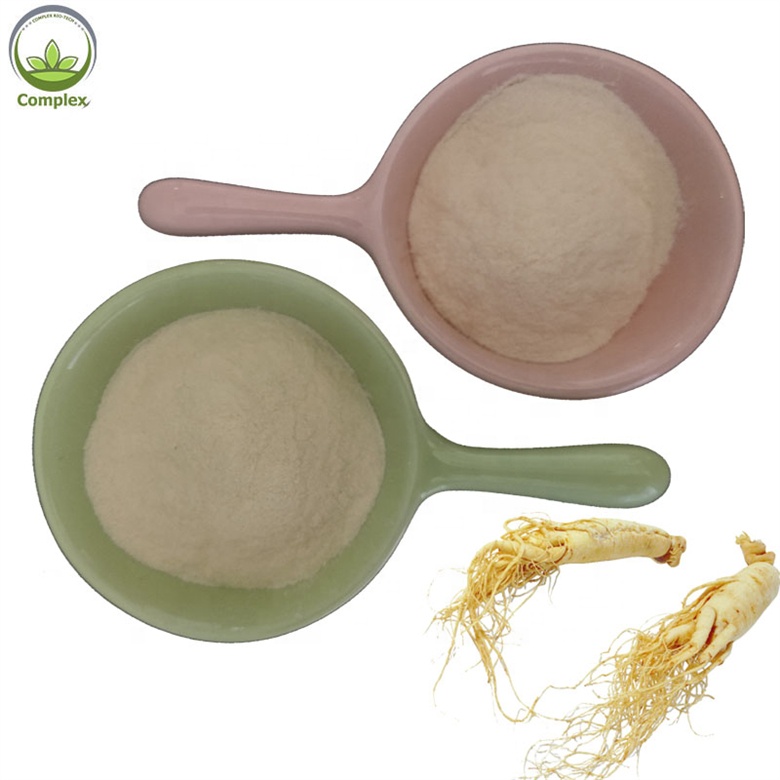
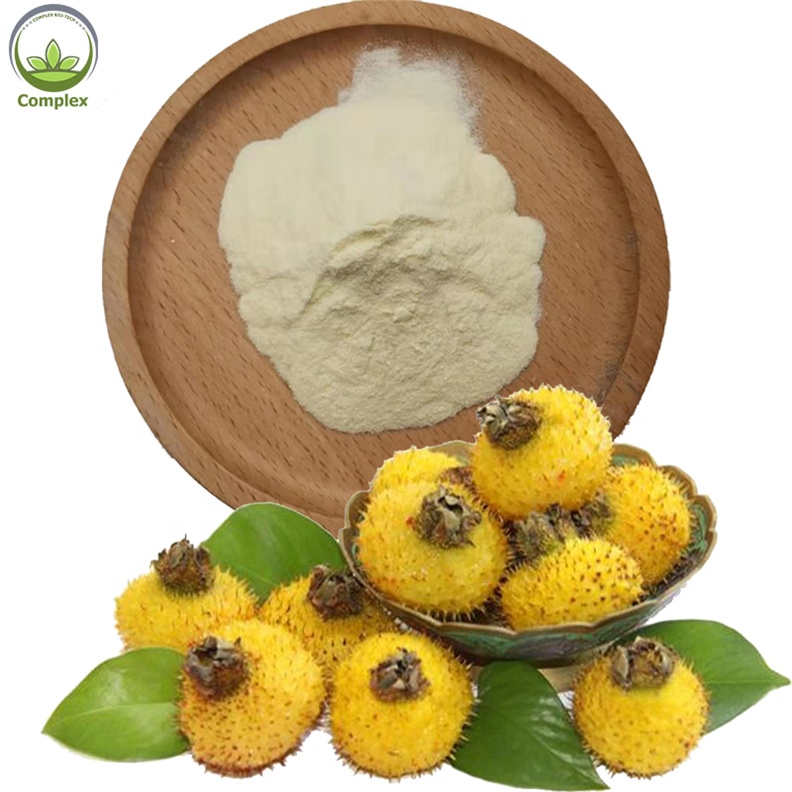
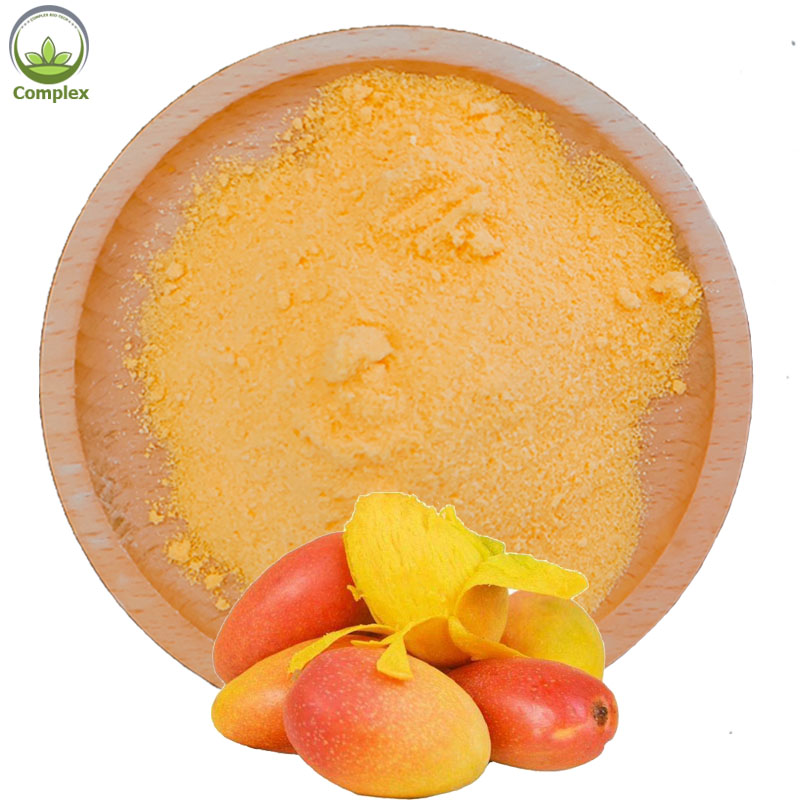
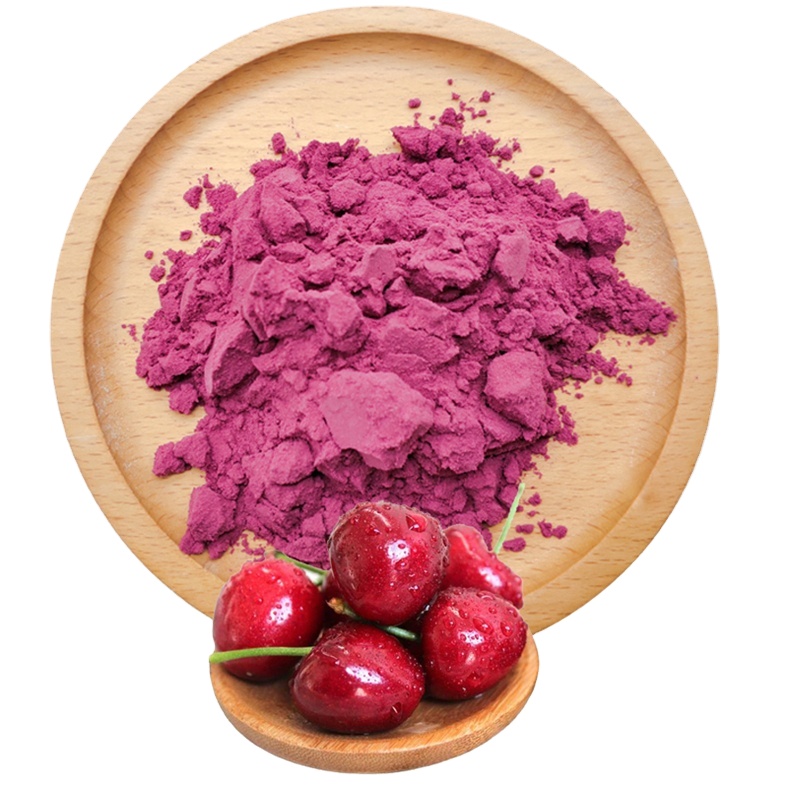
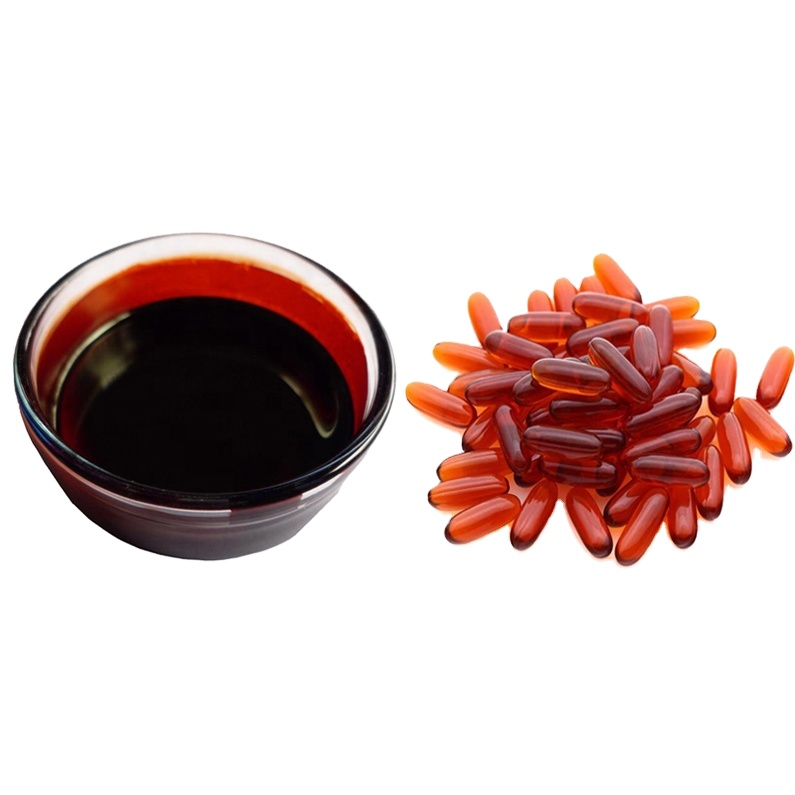
A rigorous industrial perspective on the technical transformations driving active pharmaceutical ingredients (API), dietary supplements, and clean-label cosmetic formulations toward 2030.
Global regulatory bodies (FDA, EFSA, NMPA) are moving beyond non-specific testing such as gravimetric or single-wavelength UV analysis. Procurement must now mandate High-Performance Liquid Chromatography (HPLC), High-Performance Thin-Layer Chromatography (HPTLC), and Liquid Chromatography-Mass Spectrometry (LC-MS/MS).
Supply resilience relies on direct agrarian vertical integration. Today’s major contract manufacturers demand transparent chain of custody protocols starting from regional wildcrafting or GAP-certified agricultural bases down to the secondary extraction hub.
Thermal degradation of sensitive polyphenols, enzymes, and carotenoids has rendered antiquated high-heat decoction obsolete. The state of the art demands non-thermal kinetic techniques to preserve biological efficacy.
| Critical Technical Parameter | Traditional Crude Extracts | Sirn Bio-Tech Standardized Engineering (OEM/ODM) |
|---|---|---|
| Assay Specificity | Non-specific extraction ratios (e.g., 10:1, 20:1) with high variance | Defined marker concentration quantified strictly via HPLC/UV (e.g., Ginsenosides 80%, Icariin 98%) |
| Solvent Integrity & Residues | Crude industrial ethanol/hydrocarbons; inconsistent degassing | Supercritical CO2, pure ethanol, or pure deionized aqueous systems; complies with USP <467> Class 2/3 limits |
| Bioavailability Enhancement | Standard coarse particulates with limited intestinal dissolution | Precision micro-milling, cellular-wall disruption (≥99%), and nano-liposomal carrier adaptations |
| Heavy Metal Limits | Broad regional compliance, variable ICP-MS verification | ICP-MS verified: Lead (Pb) < 0.5ppm, Arsenic (As) < 0.5ppm, Cadmium (Cd) < 0.2ppm, Mercury (Hg) < 0.1ppm |
| Documentation Delivery | Generic specification sheet often missing raw chromatography | Complete batch dossier: Original Chromatogram, MSDS, Allergen Matrix, Non-GMO, and Flowchart documentation |
Xi'an sits at the origin of the ancient Silk Road—a geographic epicenter for Qinling Mountain botanicals. Xi'an Sirn Bio-Tech Co., Ltd. synergizes this unique raw-material supply with an academic infrastructure that transforms natural biological substances into consistent, export-grade bulk materials.
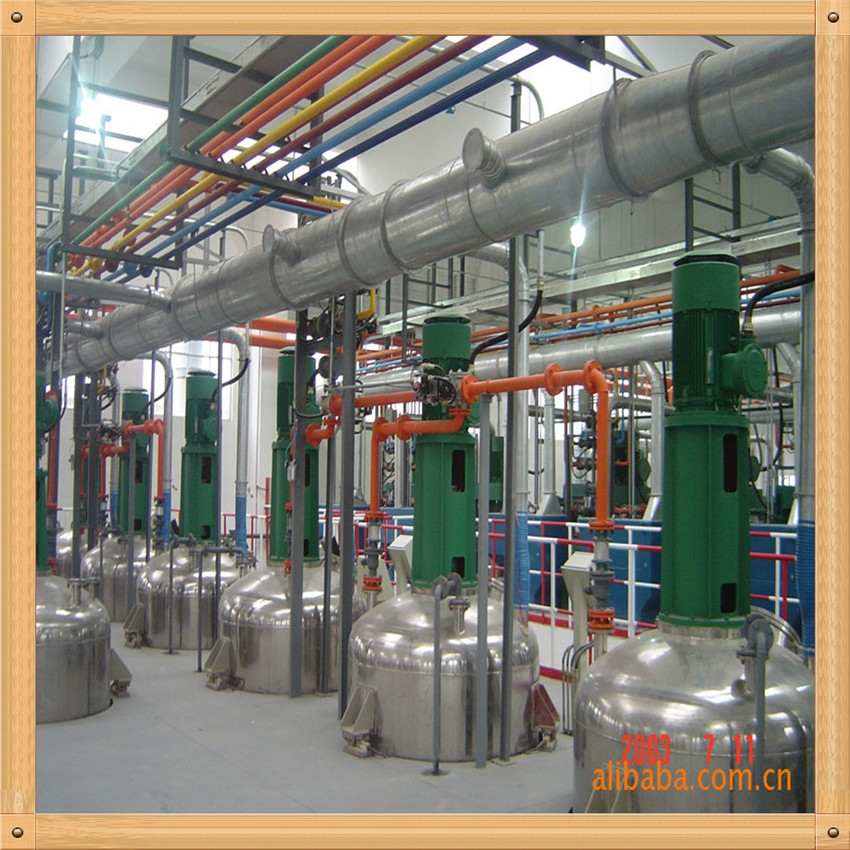
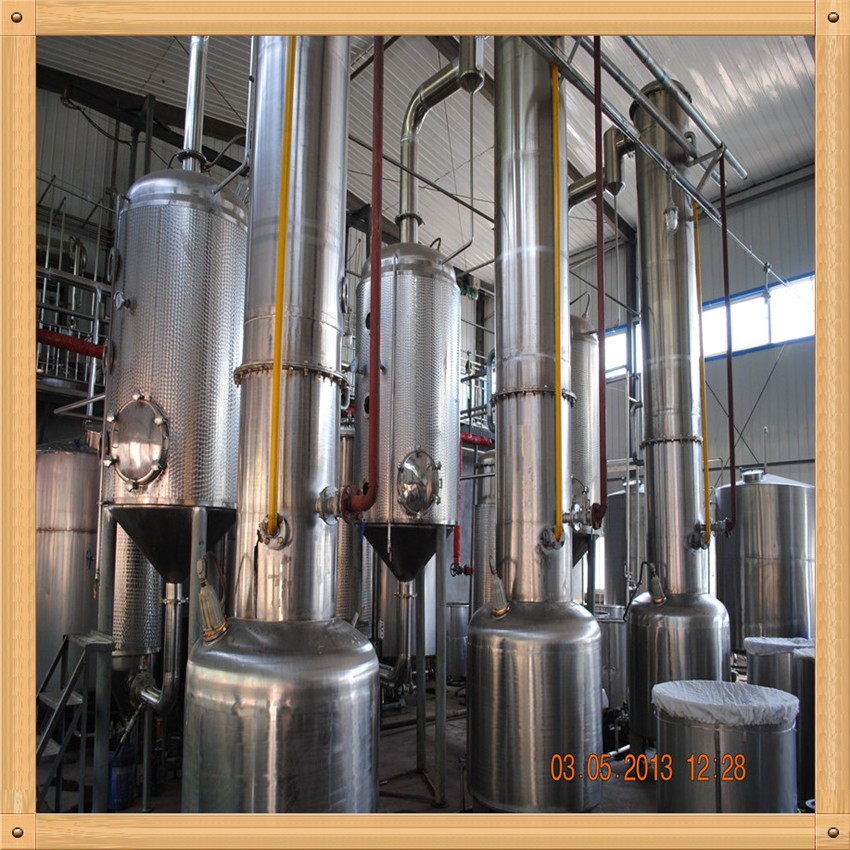
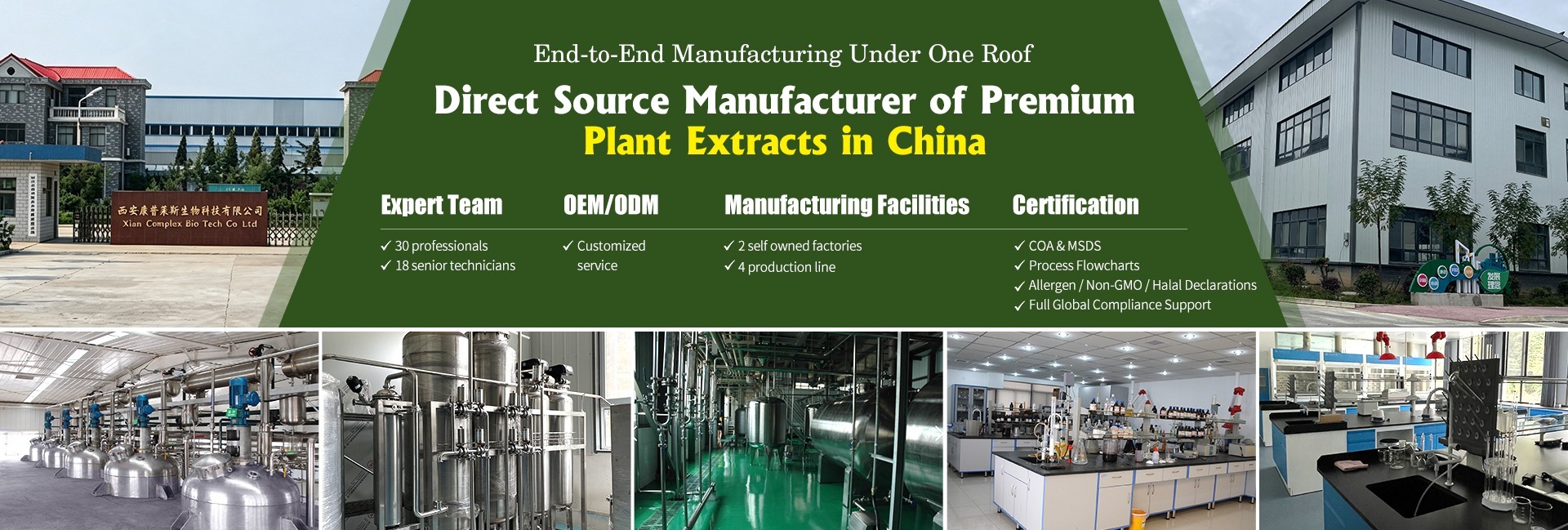
Operating two modern manufacturing facilities equipped with 4 standard industrial extraction lines and 2 pilot development lines, we facilitate the scale-up journey from trial laboratory batches to continuous multi-ton export shipments without process variability.
Direct Joint Academic R&D Infrastructure: Maintained in active collaboration with Xi'an Jiaotong University, Northwest University, and Xi'an University of Science and Technology.
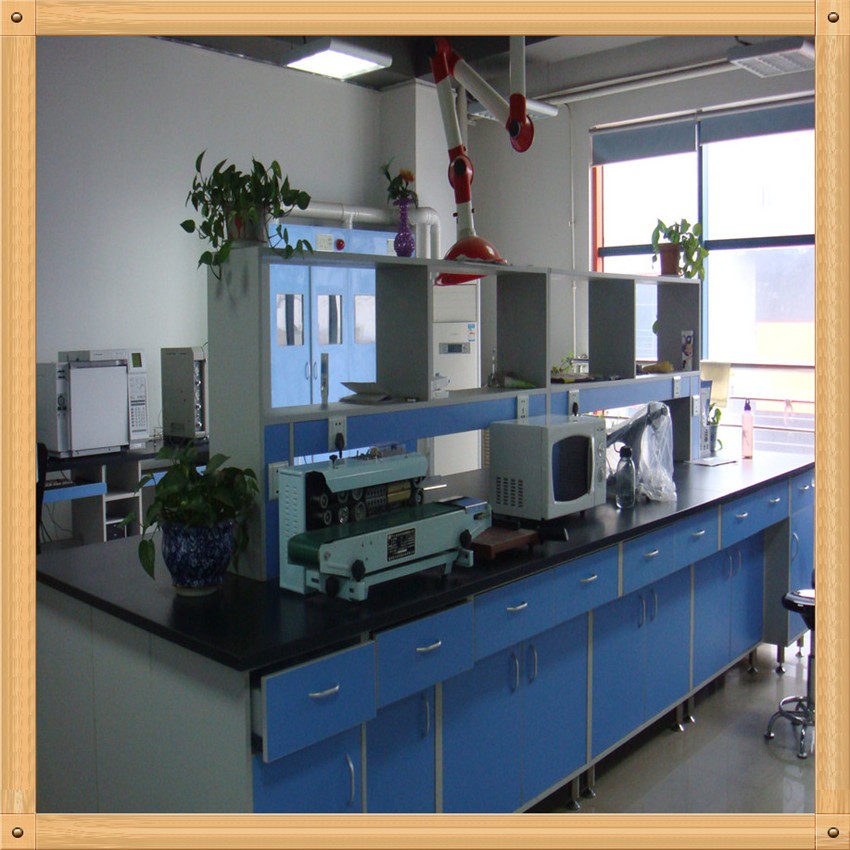
Our multidisciplinary team includes 18 senior engineering technicians and 5 licensed Traditional Chinese Medicine (TCM) pharmacists. This enables in-house testing for moisture, ash, microbiological burdens, active compounds, and pesticide screens before release, maintaining an export delivery re-order rate above 35%.
Direct answers for quality assurance officers, formulators, and supply chain managers assessing botanical extracts for export.
UV-Vis measures broad light absorption across a specific wavelength and is susceptible to interference from structurally similar compounds, plant pigments, or artificial spiking. In contrast, High-Performance Liquid Chromatography (HPLC) physically separates individual molecular constituents through a pressurized chemical column, isolating and quantifying the exact target marker (e.g., differentiating Ginsenoside Rg1, Re, and Rb1) with indisputable specificity.
Recognizing the rigorous pilot evaluation protocols demanded by commercial R&D pipelines, our standard pure powders and standardized plant extracts feature an accessible entry MOQ of 1.0 Kilogram. For custom private-label or finished OEM packaging formats (such as functional mushroom coffee sachets or sachet sticks), production minimums begin flexibly at 500 units.
We use green, pharmacopeia-compliant extraction systems based primarily on deionized water, food-grade grain ethanol, and non-polar supercritical CO2. In compliance with USP <467> and EP 5.4 guidelines, every production batch is screened using Headspace Gas Chromatography (GC-FID/MS) to confirm residual solvents remain well below international safety limits.
Yes. Active powders can be custom-milled to tight specifications ranging from standard 80–100 mesh up to ultra-fine 300+ mesh, as well as micronized or broken-cell structures (≥99% broken cell rate for ingredients like pine pollen). We also engineer micro-encapsulated, spray-agglomerated, or granulate formats designed for direct tablet compression or instant, clump-free beverage dissolution.
Each commercial consignment ships with a comprehensive lot-specific dossier containing: the signed Certificate of Analysis (COA) displaying analytical results against clear release criteria, Safety Data Sheets (SDS/MSDS) aligned to GHS standards, detailed process flowcharts, non-irradiation statements, TSE/BSE certifications, and allergen matrices.
Our capabilities span every stage of development: from sourcing and bench-scale laboratory matching to our 2 pilot production lines, ensuring smooth transition to commercial runs. We manage customized active compounding, ratio variations, color tone standardization, carrier modifications (e.g., maltodextrin-free tapioca or acacia bases), and private-label stick-pack, sachet, or drum packaging.