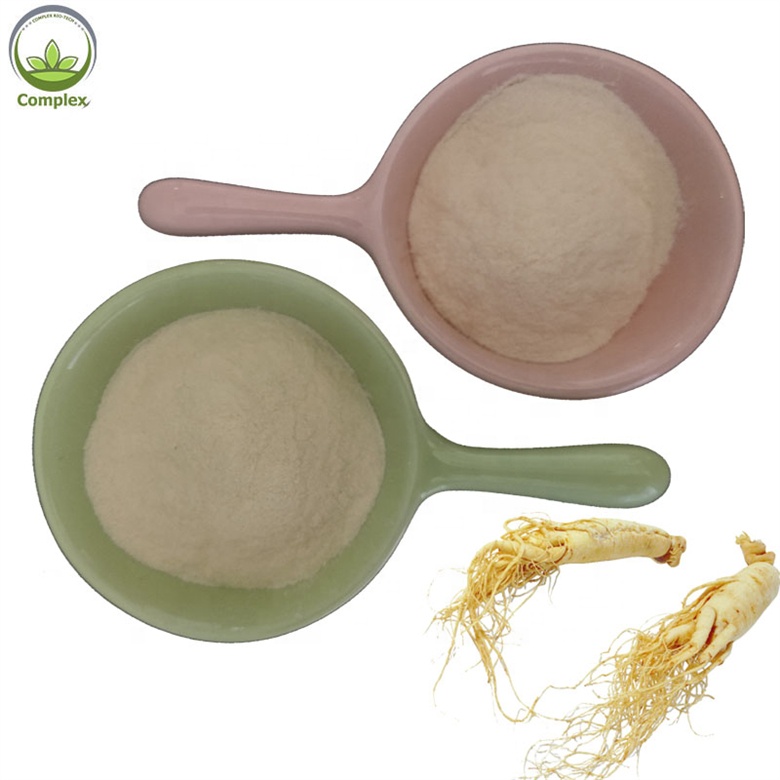
Red Ginseng Extract (Ginsenosides)
Panax ginseng C.A. Mey. Standardized root/bark assay quantified via HPLC. Adaptogenic support with rigorous residual solvent clearance.
Precision-tested bioactive complexes engineered for nutraceutical, dietary formulation, and cosmeceutical applications.
Panax ginseng C.A. Mey. Standardized root/bark assay quantified via HPLC. Adaptogenic support with rigorous residual solvent clearance.
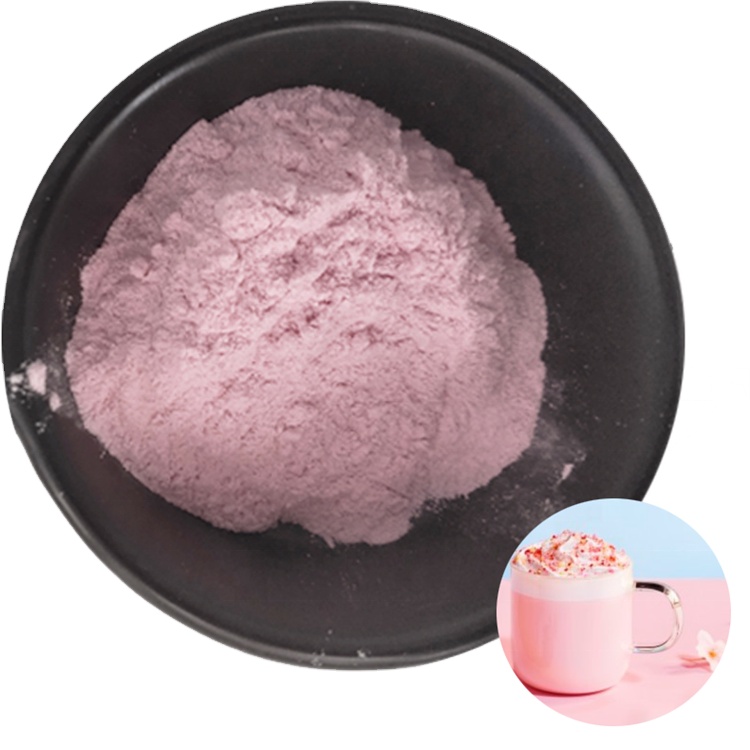
Prunus lannesiana floral & inner-bark fractions. 10:1 to 20:1 concentrated polyphenolic matrix for advanced skin-brightening matrices.
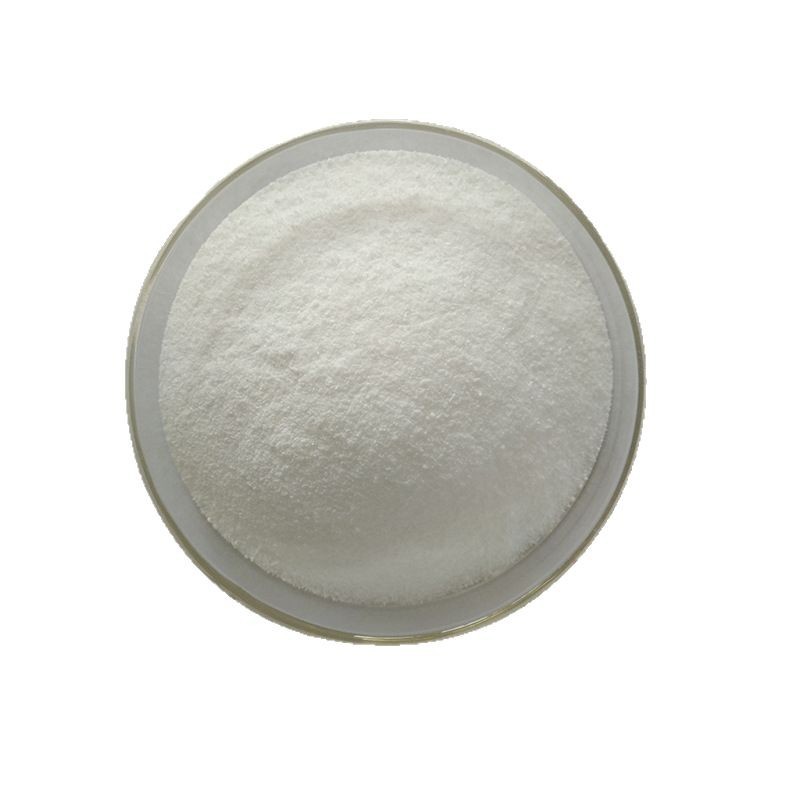
Larix gmelinii (Larch bark) purified active. Bioflavonoid monomer verified ≥98% via HPLC. Unsurpassed anti-glycation and radical-quenching capacity.
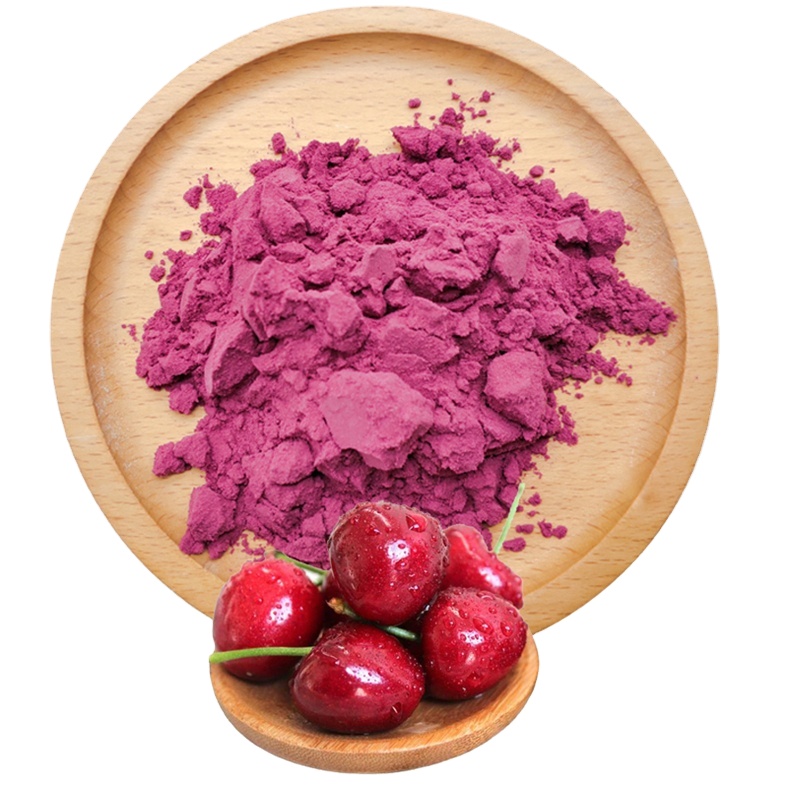
Malpighia glabra L. Naturally occurring, non-synthetic L-ascorbic acid 17%–25% (HPLC), integrated with co-factor bioflavonoids.
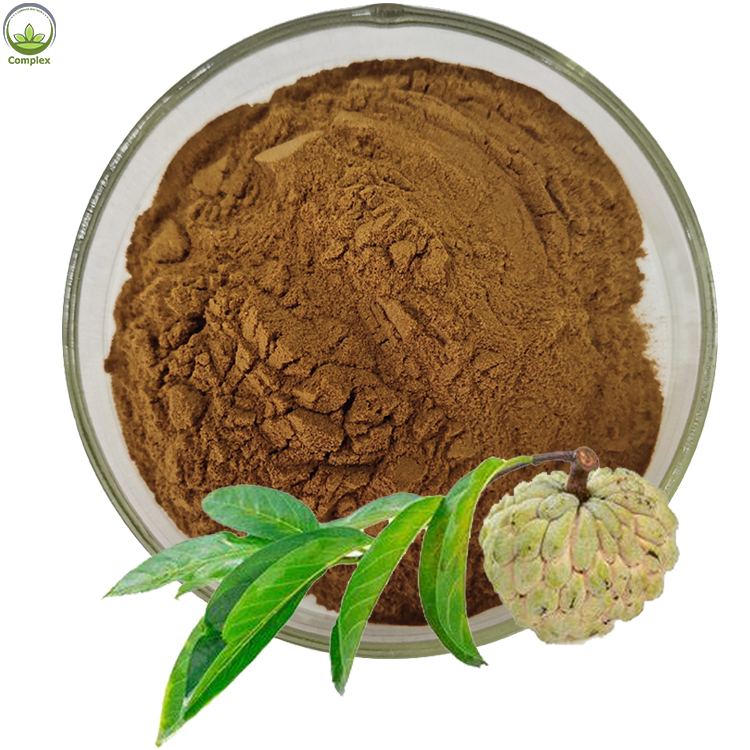
Annona muricata phytocomplex enriched with acetogenins. Clean aqueous/ethanolic extraction providing validated bioactivity.
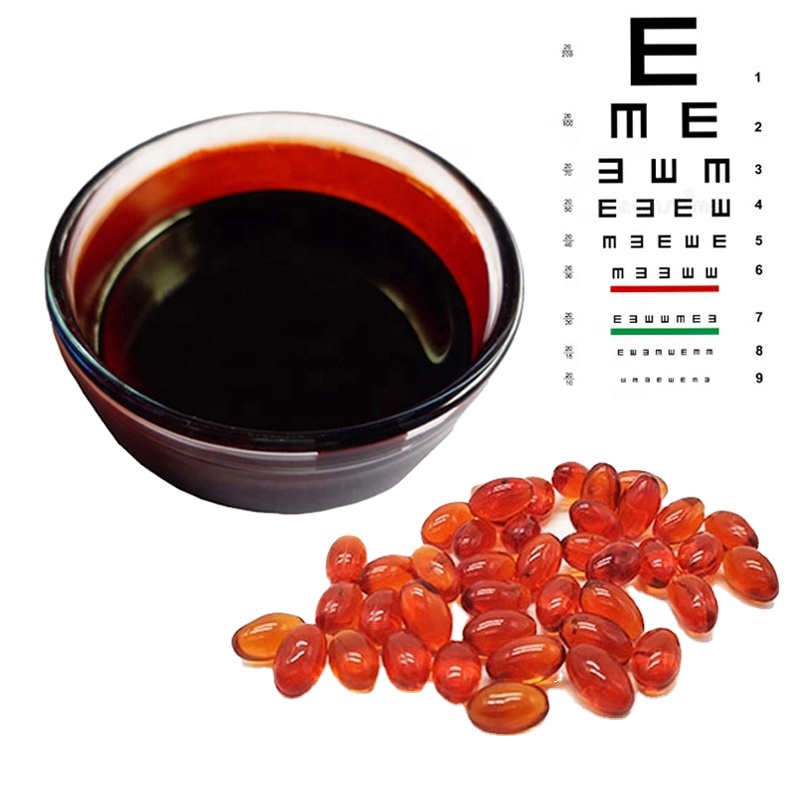
Haematococcus pluvialis supercritical CO2 extract. Superpotent antioxidant oil standardized from 5% to 10% natural astaxanthin.
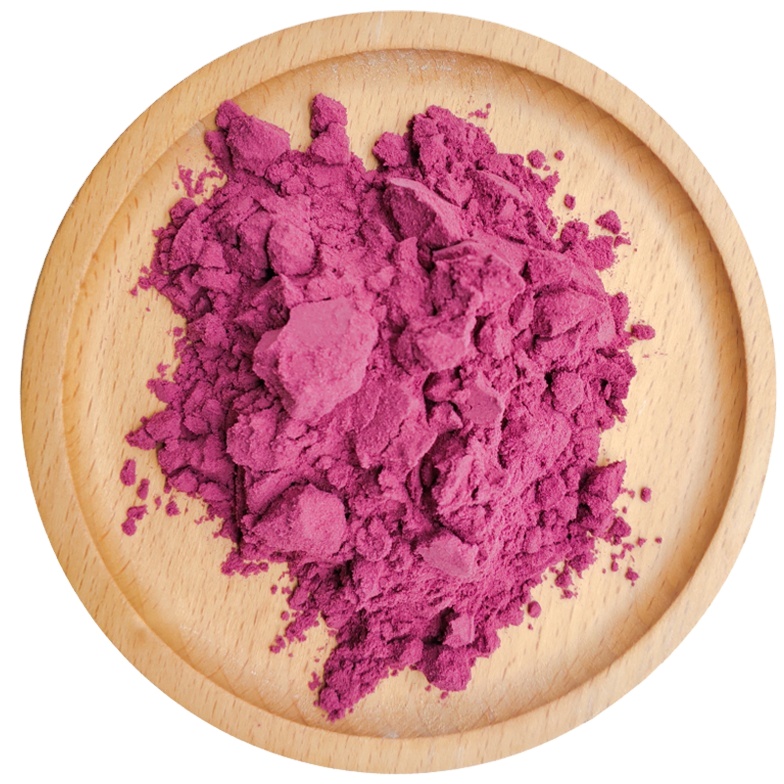
Prunus cerasus concentrate. Instant water dispersibility, optimized for recovery formulations, functional powders, and effervescent delivery.
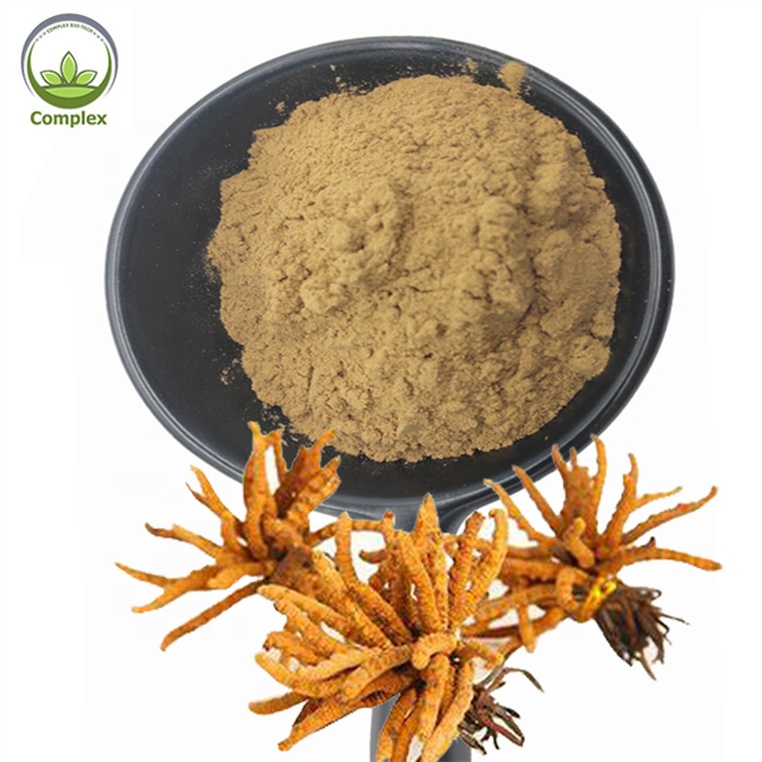
Standardized Cordycepin and bio-polysaccharides. Triple-tested by liquid chromatography for energy metabolism formulations.
Botanical bark-derived extracts represent one of the most chemically complex frontiers in natural ingredient engineering. From French Maritime Pine Bark (Pinus pinaster) and Dahurian Larch (Larix gmelinii) yielding oligomeric proanthocyanidins (OPCs) and Taxifolin (Dihydroquercetin), to White Willow Bark (Salix alba) providing natural salicin matrices, tree barks function as trees' defensive shields, creating a hyper-dense concentration of secondary polyphenols, lignans, tannins, and bioflavonoids.
However, procuring high-assay, sustainably harvested bark extracts presents immense technical barriers for enterprise QA teams. Bark harvesting cycles demand rigorous provenance verification to avoid deforesting pressures, while the cellular density of suberized and lignified tissue requires advanced dynamic mass-transfer technologies, including countercurrent ultrasonic-assisted extraction and dual-resin chromatographic columns, to liberate intact bioactive rings without thermal degradation.
When procuring botanical bark derivatives at commercial scales, sourcing managers must look beyond superficial pricing metrics. A global top-tier bark extraction facility is evaluated against five deterministic pillars of manufacturing competence:
| Evaluation Metric | Tier-1 Factory Benchmark | Standard Trader / Secondary Mill | Procurement Risk Factor |
|---|---|---|---|
| Assay Methodology | HPLC / GC Marker Standardized (e.g., Taxifolin ≥98%, Salicin ≥98%) | Generic UV-Vis testing (non-specific, prone to dye/tannin inflation) | High: Inaccurate assay, batch failures in finished formulation |
| Traceability & Forest Stewardship | FSC certified origins, wildcraft harvesting quotas, zero strip-girdling | Unverified open market regional procurement without forestry audit | Critical: Supply interruption, regulatory import confiscation |
| Residual Solvent Limits | Supercritical CO2 / Pure Ethanol Extraction (USP <467> Class 3 compliant) | Methanol or non-food grade solvent mixtures used for cost reduction | High: Cytotoxicity issues, safety recall liabilities |
| Heavy Metal & Microbe Defense | ICP-MS (Pb <0.5ppm, As <0.2ppm, Cd <0.1ppm, Hg <0.05ppm), Irradiation-free | Basic wet chemistry limits, ETO treatment residues remaining | Severe: International customs rejection, consumer exposure |
| Pilot-to-Production Scalability | Integrated pilot test loops reproducing production thermodynamics | Fixed monolithic tanks incapable of intermediate pilot batching | Moderate: Formulation breakdown when scaling from R&D to tons |
The industrial procurement landscape for tree bark extracts and high-purity polyphenols is undergoing several structural paradigm shifts:
1. The Supremacy of Pure Monomer Taxifolin (Dihydroquercetin): While pine bark extract (standardized to 95% proanthocyanidins) has long dominated the circulatory supplement segment, market data reveals an exponential pivot toward pure Dihydroquercetin (DHQ ≥98%). As an unpolymerized flavonoid monomer isolated predominantly from larch bark, DHQ exhibits dramatically superior aqueous solubility, cellular bioavailability, and stability against oxidative discolouration in cosmetic serums and longevity elixirs.
2. Upcycling and Forestry Circularity: In response to stringent ESG directives in Europe and North America, leading extraction facilities are forming deep partnerships with sustainable timber and paper processors. Utilizing industrial by-product bark rather than harvesting live stands significantly reduces the carbon footprint and guarantees multi-year price stability.
3. Elimination of Non-Specific UV-Testing: Sourcing authorities are systematically eliminating generic UV-Vis absorbance assays for polyphenols and anthocyanins, which can be easily masked by exogenous adulterants or synthetic dyes. Supply agreements are now exclusively locked onto reverse-phase HPLC chromatograms confirming chemical identity against traceable reference standards.
Bridging natural regional botanical resources with academic joint laboratory precision.
Operating two modern production plants equipped with 4 continuous extraction lines and 2 flexible pilot-scale facilities. We de-risk formulation scale-up from 1 kg bench trials to multi-ton commercial manufacturing campaigns seamlessly.
In strategic alliance with Xi'an Jiaotong University, Northwest University, and Xi'an University of Science and Technology, our molecular research teams continuously drive chromatographic purity advancements and novel separation technologies.
Complete in-house instrumental analysis suite, including Agilent HPLC, Gas Chromatography (GC), and UV-Vis spectrophotometers. Full batch COA, heavy metal screen, microbiological profiles, and allergen/non-GMO declarations ship with every lot.
Staffed by 18 senior and intermediate chemical process engineers and 5 licensed Traditional Chinese Medicine (TCM) pharmacists, ensuring precise raw botanical species identification before biomass undergoes thermal processing.
Eliminate inventory holding burdens. We support pilot runs and emerging clean-label formulations with flexible 1 kg pilot order minimums, backed by consistent stock of core functional powders and rapid door-to-door cold-chain logistics.
With an audited 99% buyer communication response rate, our dedicated technical support team provides custom mesh adaptations, granular agglomerations, COA reconciliations, and regulatory compliance documents within two business hours.
Direct answers addressing botanical identification, regulatory compliance, and formulation stability.
Every commercial batch begins with raw botanical macroscopic and microscopic verification supervised by our licensed TCM pharmacists. This is followed by thin-layer chromatography (TLC) identification tests against pharmacopoeial reference herbs. For high-purity isolates such as Dihydroquercetin (Taxifolin) or Epimedium-derived flavonoids, reverse-phase HPLC with photodiode array detection (PDA) ensures the chromatographic peak spectrum matches our verified reference standard without foreign flavonoid interference.
Pine bark extract (traditionally standardized to 95% OPCs) consists primarily of condensed proanthocyanidin oligomers and polymers of varying chain lengths. While highly potent, its polymeric nature can present solubility issues and coloration variance across varying pH values. In contrast, Dihydroquercetin (isolated to 98% purity from Larix gmelinii) is a monomeric flavanonol. It demonstrates superior thermodynamic stability, high water clarity, and precise stoichiometric predictability in cosmetic emulsions and clear beverage matrices.
All shipments are accompanied by a lot-specific Certificate of Analysis (COA) detailing physical parameters (loss on drying, bulk density, mesh particle size), active assay (HPLC/UV/GC), heavy metals (ICP-MS testing for Pb, Cd, As, Hg), microbiological limits (total plate count, yeast/mold, E. coli, Salmonella), and residual solvents. Full regulatory packages including Safety Data Sheets (MSDS), Flow Charts, Non-GMO declarations, and TSE/BSE statements are provided on demand.
Yes. Fine powders often cause flowability, bridging, or dusting challenges on high-speed encapsulators and tableting presses. We provide customized micronization from 80 mesh up to 200 mesh, as well as fluid-bed wet granulation or dry compaction to produce free-flowing, dust-free granules with standardized tap density tailored to your production equipment.
Active bioflavonoids and polyphenolic extracts are prone to oxidative degradation and moisture uptake. Our standard bulk export packing utilizes food-grade double polyethylene liner bags vacuum-sealed inside heat-sealed aluminium foil barrier bags, packed within reinforced 25 kg fibre drums. Storage under dry, ambient conditions shielded from light guarantees a verified 24-month minimum shelf stability.
Connect with our technical sales engineers to request lot-specific HPLC chromatograms, order free qualification samples, or discuss custom pilot-scale extraction projects.
Send an Inquiry