Top China Organic Vegetable Powder Manufacturers & Supplier
A comprehensive procurement white paper covering full-spectrum botanical extraction, freeze-drying kinetics, clean-label supply architectures, and international QA protocols.
Engineered for functional food formulators, beverage pioneers, nutraceutical manufacturers, and cosmetic innovators. Complete analytical traceabilities including HPLC, GC, and UV testing per individual commercial lot.
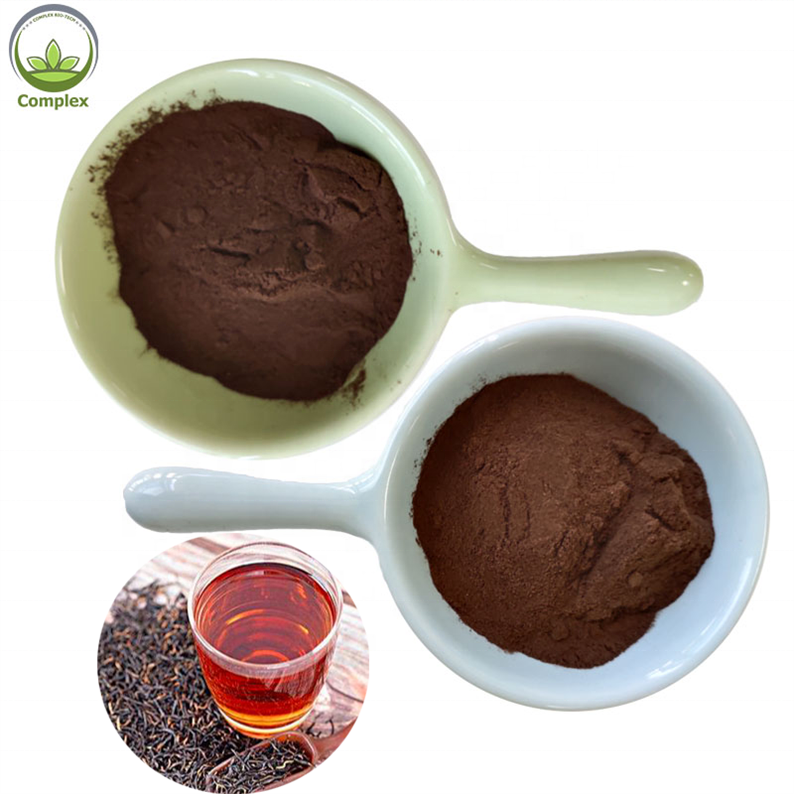
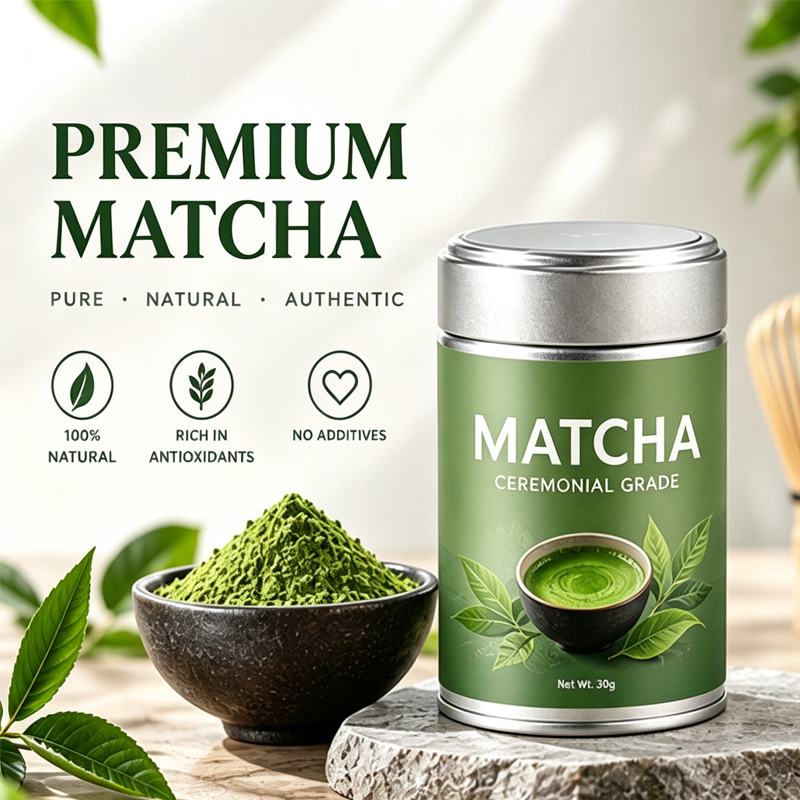
Ultra-refined instant tea powder processed through low-temperature membrane filtration. Zero sedimentation, crystal clarity in cold water, and high polyphenol retention.
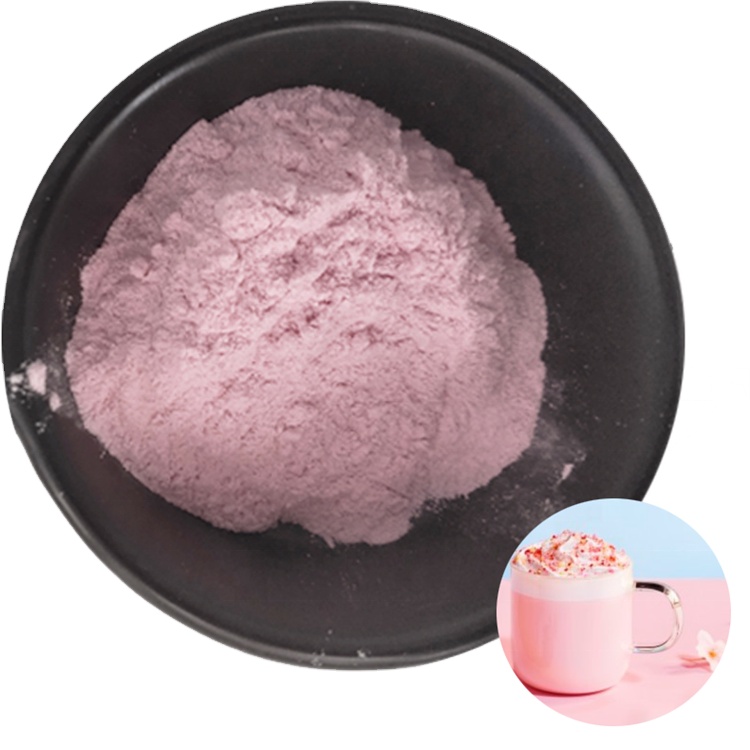
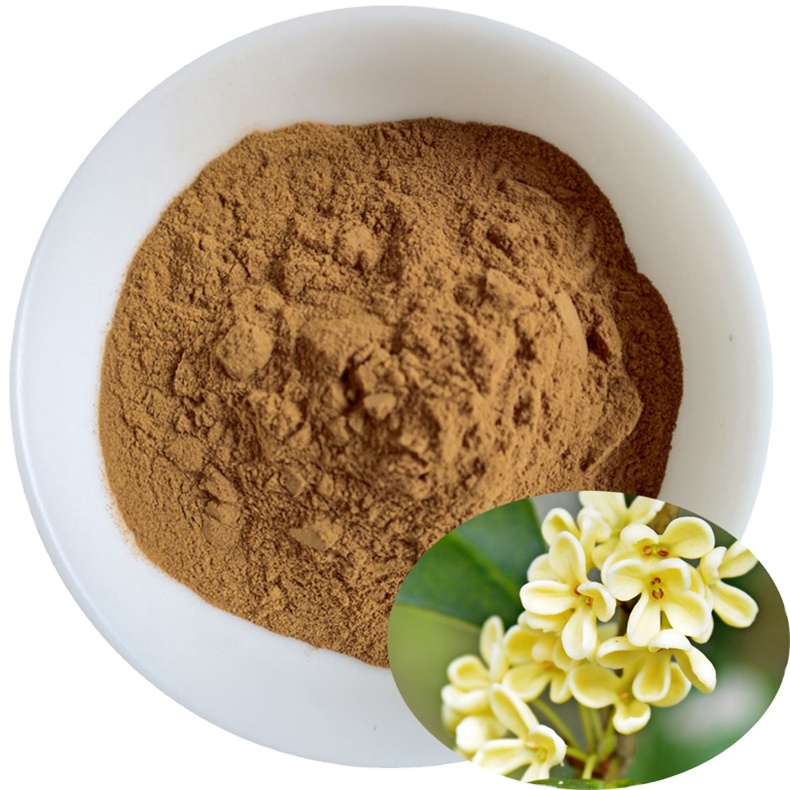
Pure Prunus lannesiana floral extract rich in sakura glycosides and flavonoids. Ideal for brightening cosmetic formulations, nutricosmetics, and premium functional teas.
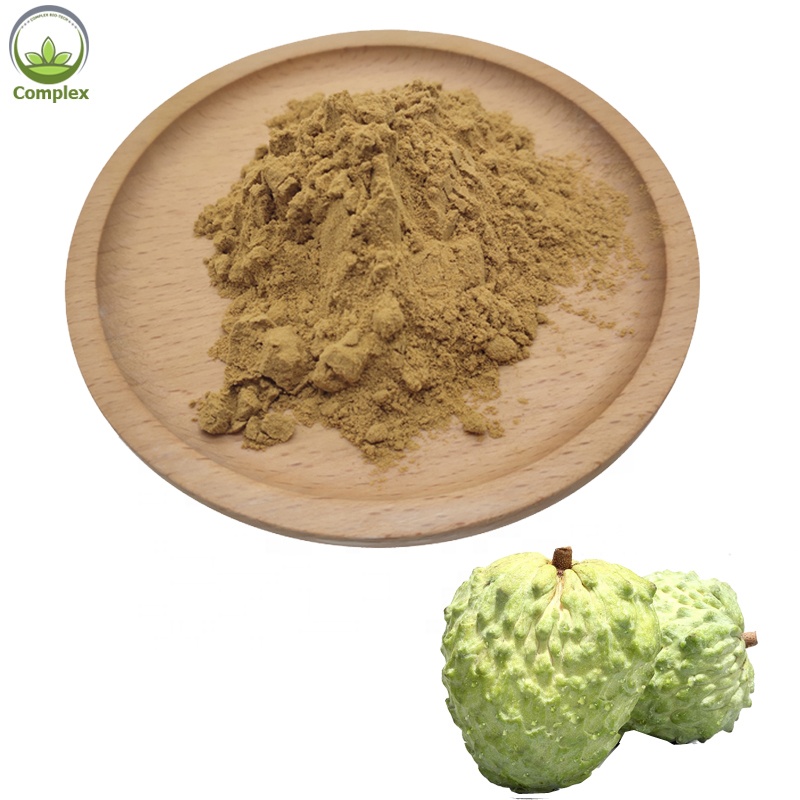
Standardized Annona muricata leaf active concentrate. Processed under low-temperature vacuum evaporation to preserve vulnerable annonaceous acetogenins and bioflavonoids.
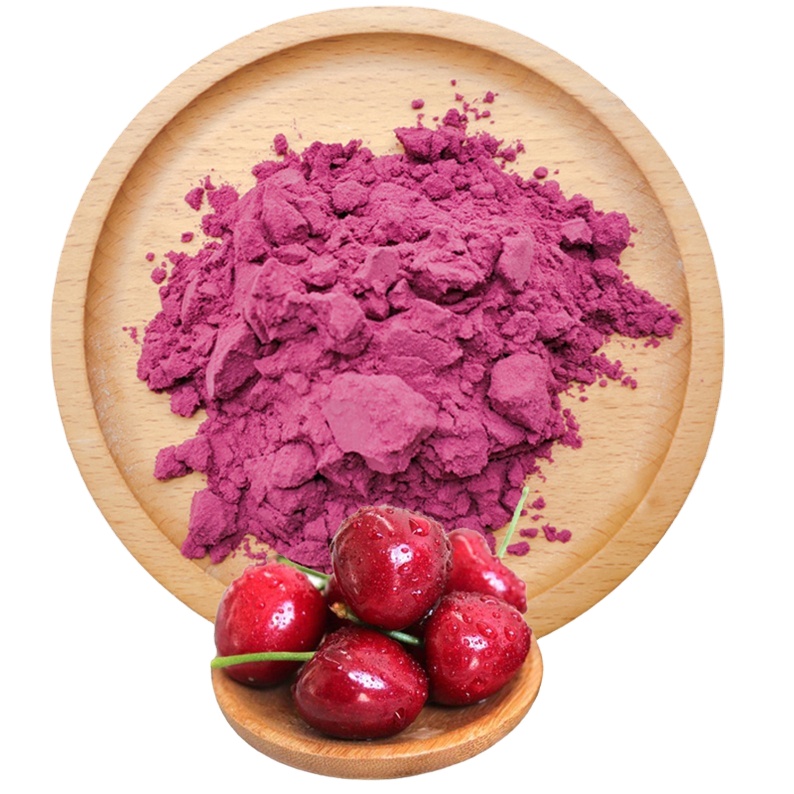
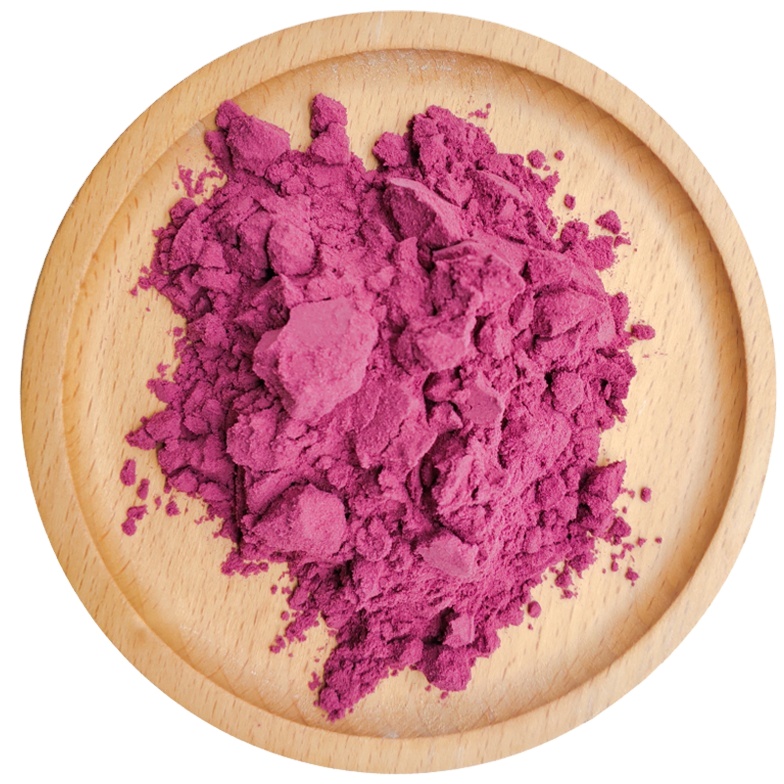
Micro-pulverized 100% whole fruit juice powder. Instant dispersion rate, vivid natural red hues, and balanced brix-to-acidity ratio for clean-label confectionery and smoothies.
Processing:Gentle Atomization Spray Drying
Mesh Density:80–120 Mesh Uniform Particle
Additive Status:No Artificial Colors or Preservatives
Strategically headquartered in Xi'an, Shaanxi—the geopolitical crossroads of China's botanical heritage and the Qinling Mountain bio-reserve—Xi'an Sirn Bio-Tech Co., Ltd. bridges traditional herbal science with contemporary chromatographic analytical validation.
2
Standard Factories
4+2
Prod & Pilot Lines
18
Senior Tech Specialists
5
Licensed TCM Pharmacists
≤ 2h
Technical Response Rate
Academic Research Partnerships & Certified GMP Workflows
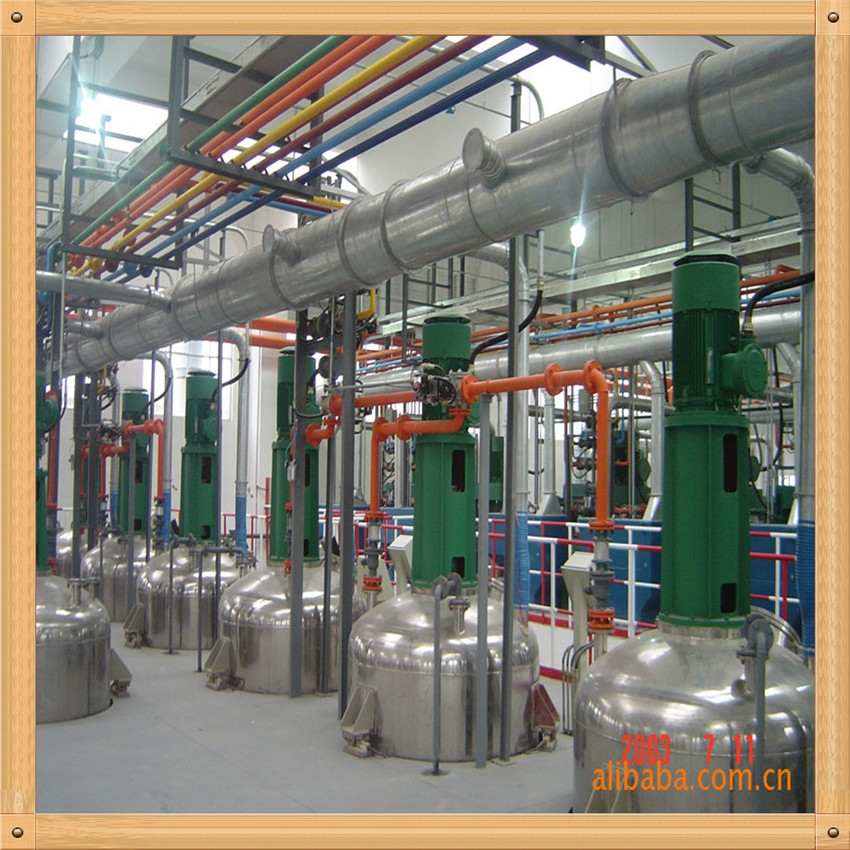
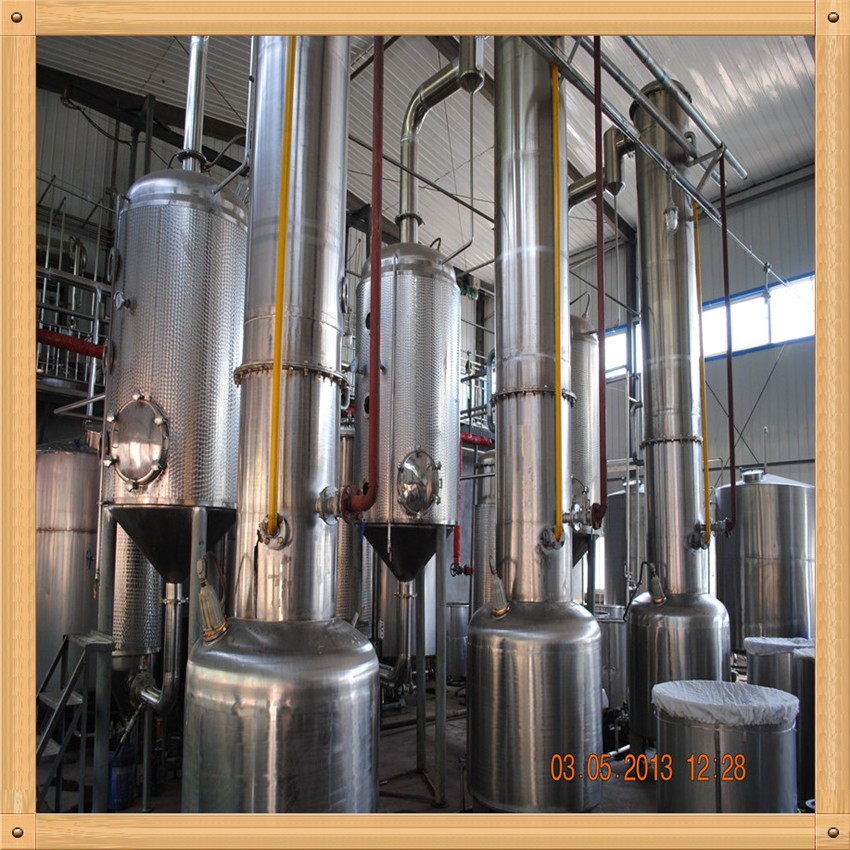
Unlike simple traders, our manufacturing base features comprehensive end-to-end processing lines ranging from countercurrent dynamic water/ethanol extractors, resin separation columns, and low-temperature falling film vacuum concentrators, to specialized sterile spray towers and vacuum freeze-drying suites.
We maintain active joint research laboratories with three leading scientific institutions: Xi'an Jiaotong University, Northwest University, and Xi'an University of Science and Technology. These collaborations drive our continuous innovations in molecular isolation, polysaccharide purification, and botanical bio-availability enhancement.
Pilot-Scale Scalability: 2 dedicated pilot lines eliminate reformulating hazards when scaling formulations from 1 kg bench samples to multi-ton industrial outputs.
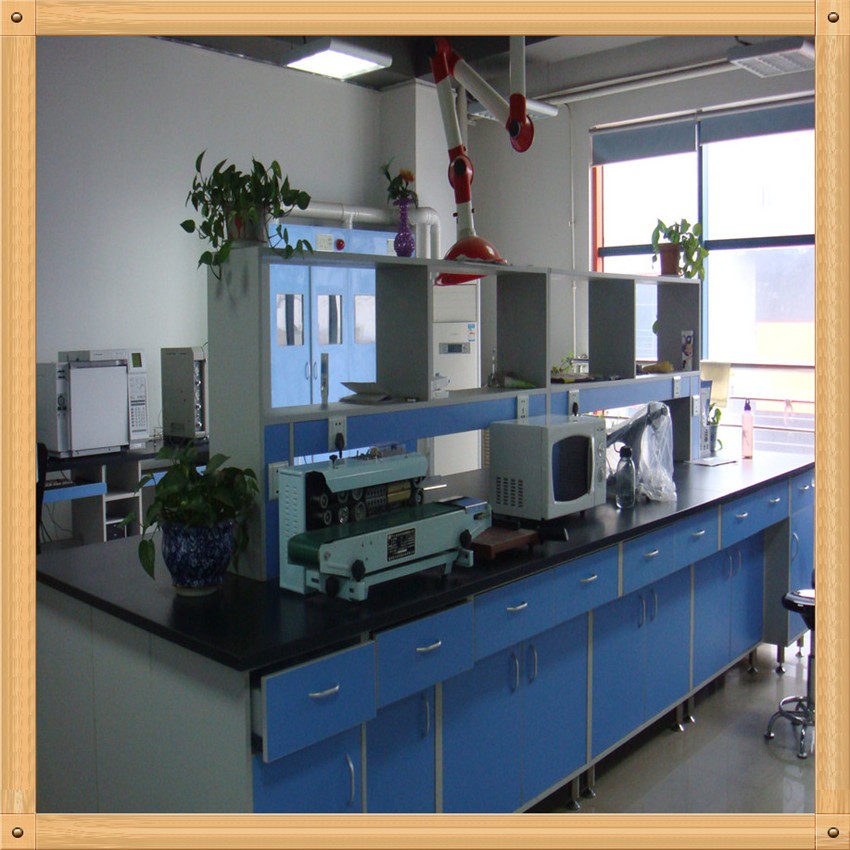
In-House Analytical Center: High Performance Liquid Chromatography (HPLC), Gas Chromatography (GC), Atomic Absorption Spectroscopy, and UV-Vis Spectrophotometers on site.
Low-Barrier Procurement: 1 kg minimum order quantity (MOQ) on stock powders, enabling agile R&D without burdensome inventory liability.
Drying Kinetics & Cellular Integrity in Organic Vegetable Powder
The organoleptic quality, enzymatic retention, and rehydration thermodynamics of vegetable powders are fundamentally governed by thermal exposure profiles and particle micronization dynamics.
Evaluation Parameter
Vacuum Freeze-Drying (FD / Lyophilization)
Advanced Spray Drying (SD)
Superfine Jet-Milling (Micro-Pulverization)
Operating Temperature
Sub-zero sublimation (-30°C to -45°C primary freeze)
Fiber supplements, bakery doughs, extruded pasta matrices
Carrier-Free Micro-Encapsulation
By eliminating synthetic anticaking agents and artificial silicon dioxide, our proprietary low-temperature air-drying technology enables pure organic beetroot, spinach, purple sweet potato, and kale powders with water activity levels (aw) controlled below 0.28 to prevent moisture-induced caking.
Cell-Wall Breaking Efficiency
For refractory plant materials such as cell-broken pine pollen and fibrous green vegetables, our cryogenic jet mills deploy high-velocity supersonic airflow to disintegrate resilient cellulose microfibrils, elevating the bioavailability of bound trace nutrients and carotenes by more than 300%.
Spectrophotometric Color Stability
Vegetable pigments—particularly anthocyanins in purple sweet potato and betacyanins in red beet—suffer rapid oxidative browning under improper processing. Our nitrogen-purged processing loops isolate botanical pigments against thermal degradation, yielding exceptionally vibrant natural chromaticity.
Strategic enterprise procurement requires forward-looking analysis of shifting regulatory boundaries, supply chain traceability protocols, and emergent clean-label formulation paradigms.
1. Total Clean-Label & Carrier Elimination
Global FMCG developers are aggressively phasing out synthetic maltodextrin, modified starches, and silicon dioxide from ingredient decks. Leading Western buyers now demand 100% pure organic vegetable solids with zero drying aids, accelerating factory migration toward specialized low-temperature vacuum-belt and lyophilization technologies.
2. Upcycled Superfood Agriculture
Environmental, Social, and Governance (ESG) mandates have spurred intense commercial interest in upcycling cosmetically imperfect organic vegetables into premium, shelf-stable functional powders. This circular-economy model shields international brands against raw material harvest volatility while lowering life-cycle greenhouse emissions.
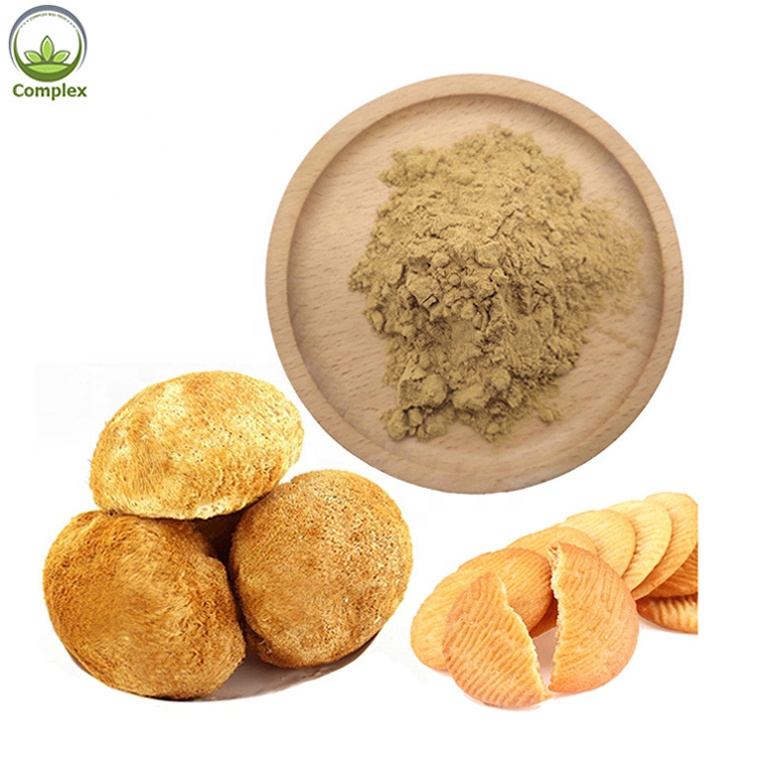
Single-note vegetable powders are evolving into multi-target functional systems. Brands increasingly specify custom co-processed matrices combining nutrient-dense greens (spinach, kale, wheatgrass) with adaptogenic mushroom extracts (Lion's Mane, Cordyceps) and digestive bio-ferments for convenient daily sachet packaging.
4. Stringent Heavy Metal & Pesticide Traceability
With tightening European Commission thresholds (EU 2023/915 for heavy metals and Regulation 396/2005 for pesticide residues) alongside California Proposition 65 enforcement, China's export-tier manufacturers must substantiate every batch with Inductively Coupled Plasma Mass Spectrometry (ICP-MS) and GC-MS/MS documentation.
Procurement Due Diligence
Frequently Asked Questions for B2B Vegetable Powder Buyers
Key technical, regulatory, and logistics inquiries answered directly by our factory QA engineering staff.
What analytical testing documentation accompanies each export batch?
Every shipment leaves our Xi'an facility with an authentic Certificate of Analysis (COA) containing batch-specific testing metrics: botanical identification (TLC/microscopic), active compound assay (HPLC/UV), moisture content (≤ 5.0%), ash content, bulk density, mesh particle size verification, microbial counts (Total Plate Count, Yeast & Mold, E. coli, Salmonella), and heavy metal assays (Lead, Arsenic, Cadmium, Mercury via ICP-MS). Material Safety Data Sheets (MSDS), allergen statements, non-irradiation declarations, and process flowcharts are provided upon request.
How do you ensure organic integrity and eliminate cross-contamination?
Our raw materials are sourced from contract agricultural bases operating under strict organic cultivation disciplines without synthetic pesticides or chemical fertilizers. During manufacturing, production runs follow validated clean-in-place (CIP) protocols within GMP-compliant workshops. Production lots are completely isolated, physically segregated in temperature-controlled warehouses, and tested against multi-residue pesticide screens covering over 500 chemical compounds.
Can Xi'an Sirn Bio-Tech produce 100% carrier-free spray-dried vegetable powders?
Yes. While conventional spray drying utilizes 10%–20% maltodextrin as a processing carrier to prevent nozzle sticking and sugar caramelization, our advanced low-temperature spray towers and specialized dehumidified collection chambers allow us to formulate 100% pure, carrier-free fruit and vegetable powders. For clients preferring complete zero-heat preservation, our vacuum freeze-drying lines yield 100% pure vegetable crystals with no carrier additives whatsoever.
What are the standard packaging standards and protective moisture barriers?
Bulk vegetable and plant powders are sealed inside pharmaceutical-grade, food-contact double-layer polyethylene inner bags, vacuum-nitrogen flushed to prevent oxidative degradation, and encased in tamper-evident 25 kg fiberboard export drums. For smaller pilot batches, sensitive peptide actives, or premium extracts, we utilize multi-laminated aluminum foil bags (1 kg to 5 kg) with oxygen/moisture transmission barriers near zero. Custom private-label packaging—including stand-up pouches, rigid containers, and single-serve stick packs—is fully supported via our OEM department.
What is your minimum order quantity (MOQ) and production lead time?
For catalog items maintained in our domestic stock, our standard MOQ is just 1 kg, enabling formulators to conduct laboratory bench trials and clinical pilot testing without excess capital outlay. For customized OEM extraction ratios, specialized particle milling (down to 500–1000 mesh), or bespoke formula blending, standard production runs start at 50 kg to 100 kg. Standard lead times for in-stock powders are 3–5 business days, while custom contracted production typically dispatches within 12–18 business days via air freight, ocean vessel, or international express couriers.
Accelerate Your Clean-Label Formulation Pipeline
Consult directly with our technical pharmacists and chemical extraction engineers. Request full COA documentation, verify batch inventories, and secure custom formulation quotes today.