Standardized
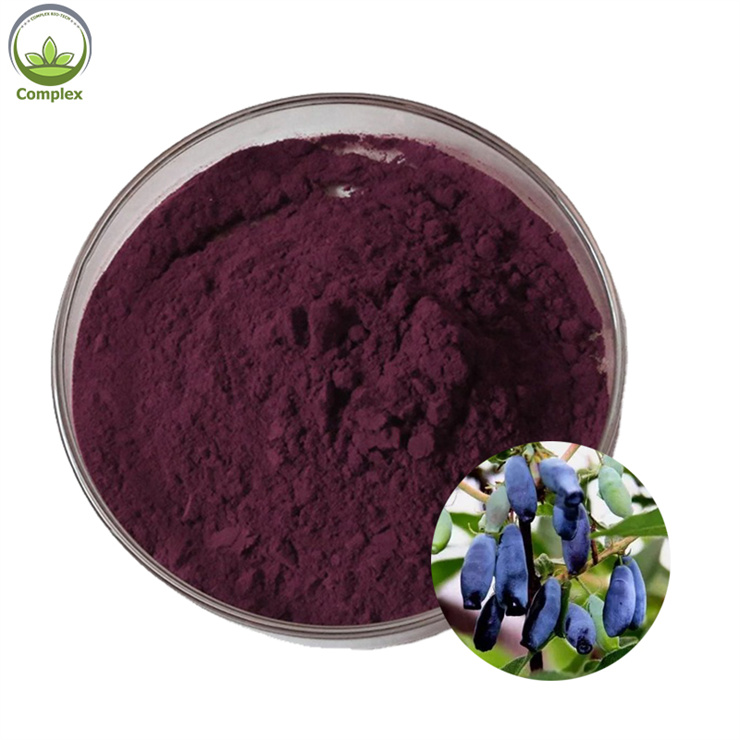
Factory Supply Best Quality Natural Ionicera Edulis
Botanical Marker
Anthocyanins / Polyphenols (UV/HPLC)
Laboratory-inspected active extracts, instant soluble powders, and functional cosmeceuticals manufactured under GMP conditions in Xi'an, China.
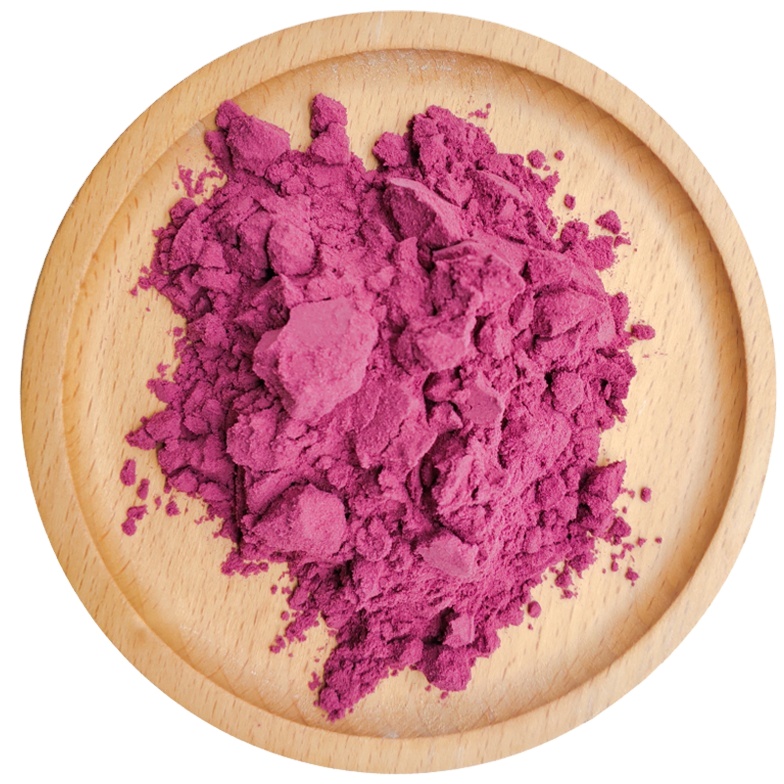
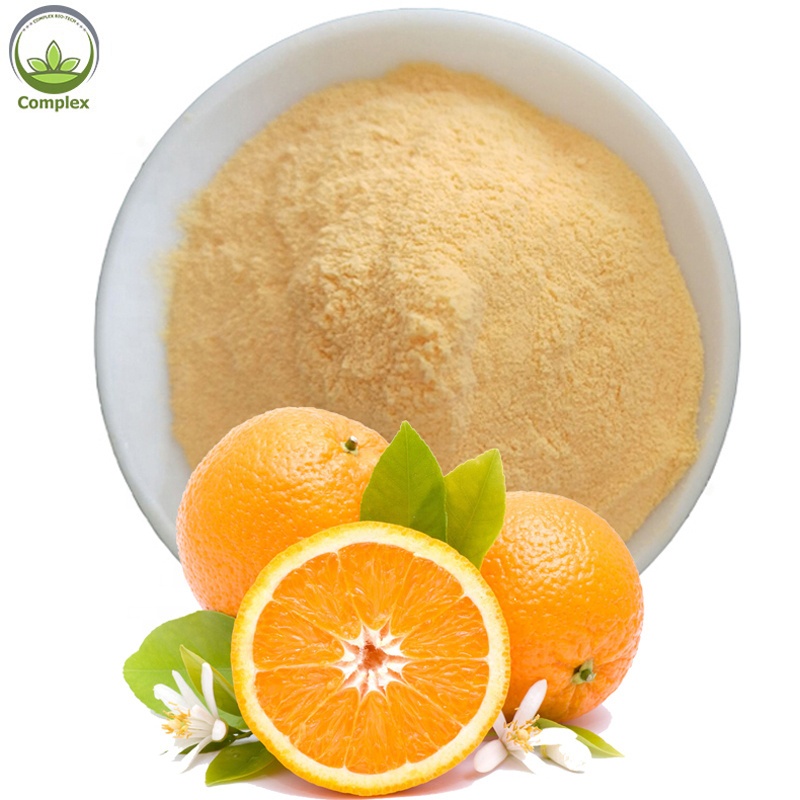
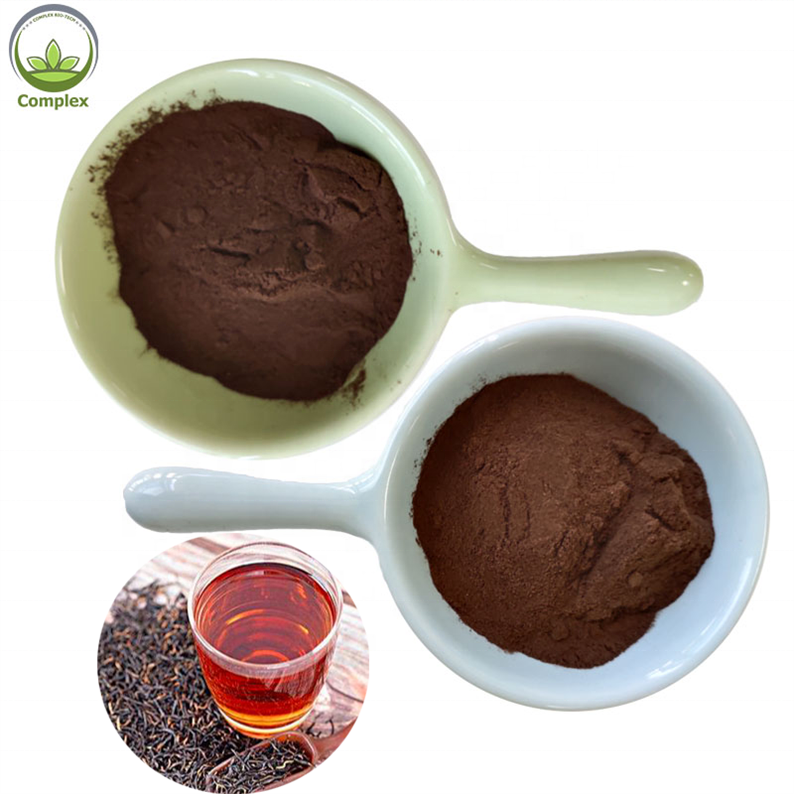
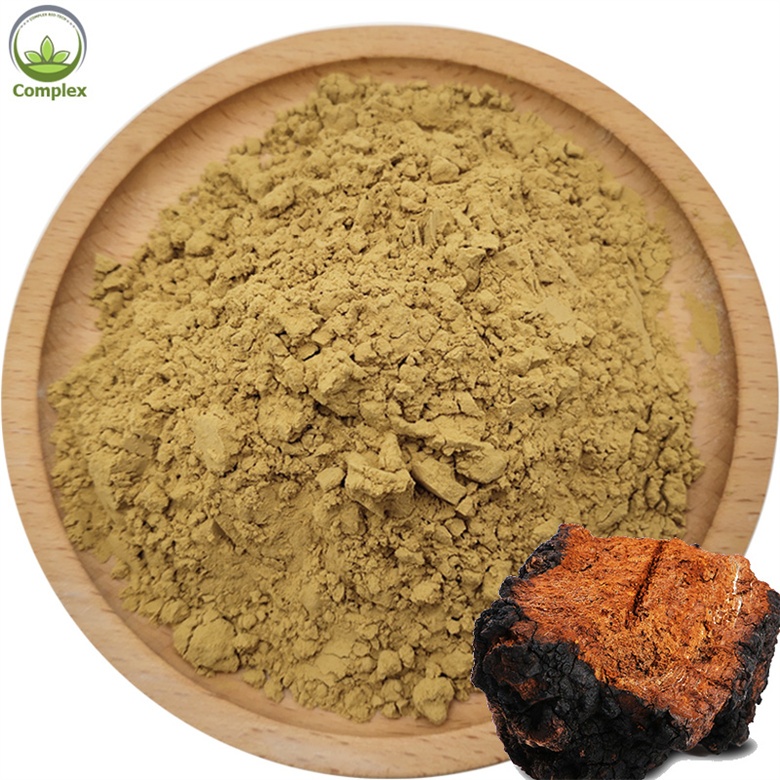
In the global health ingredients and phyto-pharmaceutical sectors, root and rhizome botanical derivatives constitute the foundational baseline for therapeutic formulations. From adaptogenic ginsenosides and immune-modulating astragalosides to anti-inflammatory curcuminoids and icariin extracted from Epimedium rhizomes, subterranean plant biomass holds dense secondary metabolite concentrations. However, sourcing high-assay root extracts out of China has evolved from basic price-per-kilogram bargaining to a complex scientific discipline requiring full transparency across agro-chemical residues, botanical adulteration prevention, high-performance liquid chromatography (HPLC) peak fingerprinting, and heavy metal mitigation.
Xi'an Sirn Bio-Tech Co., Ltd., based strategically in the Qinling Mountain bio-geographical corridor of Shaanxi, China, operates at the intersection of traditional ethnobotanical agro-resources and advanced bio-separation technology. With ancient trade routes initiating from Xi'an, the province houses over 70% of China's primary herbal extraction capacity. As modern regulatory standards under US FDA 21 CFR Part 111, European Pharmacopoeia (Ph. Eur.), and Health Canada ramp up testing stringency, choosing an experienced root extract supplier requires evaluating technical capabilities across pilot-scale testing, university-backed isolation patents, and rigorous analytical batch control.
Historically, market buyers imported basic ratio extracts (such as 4:1, 10:1, or 20:1), which were frequently adulterated with maltodextrin carriers or unverified native root starches. Modern botanical formulation demands molecular specificity. Leading manufacturers operate multi-stage extraction processes governed by precision chromatographic separation. Below is an engineering comparison of standard extraction methods currently deployed across China's leading extraction facilities:
| Extraction Methodology | Primary Solvents Utilized | Target Bioactive Compounds | Yield Efficiency | Regulatory Compliance Status |
|---|---|---|---|---|
| Dynamic Countercurrent Hydro-Ethanolic | Purified Deionized Water, USP Ethanol (30-95%) | Ginsenosides, Flavonoids, Icariin, Polyphenols | 12% – 28% | Complies with Ph. Eur., USP, Clean Label Non-GMO |
| Supercritical Fluid CO2 Extraction | Supercritical Carbon Dioxide with Ethanol Entrainer | Lipophilic actives, Gingerols, Essential oils, Terpenes | 4% – 9% | Zero solvent residue, Zero thermal degradation |
| Ultrasonic & Microwave-Assisted Isolation | Aqueous and Hydro-organic phase blends | Polysaccharides, Glycosides, Berberine, Curcuminoids | 18% – 34% | High energy efficiency, Preserves heat-sensitive chains |
| Macroporous Adsorption Resin Columns | Ethanol elution over synthetic polymeric styrene beds | Enriched single molecules: Icariin ≥98%, GHK-Cu, Astragaloside IV | 2% – 6% | Requires GC monitoring for residual styrene monomers |
How progressive nutraceutical, cosmeceutical, and functional beverage procurement teams are reshaping their global supply chain contracts.
Global regulators no longer accept simple thin-layer chromatography (TLC) alone. Procurement teams are mandating ITS2/rbcL DNA sequence barcoding to confirm that raw root stocks (such as Panax ginseng vs. Panax quinquefolius) are 100% authentic before commercial milling.
European and American brand owners are rejecting spray-dried extracts cut with 15-30% maltodextrin. Procurement contracts now specify native spray-drying techniques or water-soluble natural plant fibers as binders to maintain completely transparent clean-label ingredient panels.
Stringent compliance with California Proposition 65 (Lead < 0.5 mcg/day) has forced brand procurers to require ICP-MS lot certificates detailing Pb < 0.5 ppm, Cd < 0.2 ppm, As < 0.5 ppm, and Hg < 0.1 ppm—well below standard national food pharmacopoeia ceilings.
Advancements driving bioavailability, kinetic dispersion, and molecule stability in modern production lines.
Traditional water-soluble glycosides in root extracts often exhibit low human intestinal absorption. By applying food-grade beta-glucosidases in pilot reactors, major ginsenosides (Rb1, Rg1) and epimedium glycosides are converted into high-permeability rare aglycones (such as Compound K and Icaritin).
Hydrophobic active principles derived from roots, such as curcuminoids and resveratrol, face solubility walls in functional beverages. Industrial spray-chilling and phospholipid complexation generate water-dispersible, micro-encapsulated powders with 4x-9x higher Cmax absorption kinetics.
Replacing volatile organic solvents with high-pressure subcritical liquid water (100°C–250°C, 10–50 bar) alters water's dielectric constant to mimic organic solvents. This extracts semi-polar polyphenols with zero environmental effluent penalties and zero organic solvent residues.
Combining the natural botanical wealth of Shaanxi with academic joint laboratories and rigorous quality engineering.
2 Standardized Factories, 4 Industrial Lines, and 2 Agility Pilot Lines for Formula Scaling
Collaboration with Xi'an Jiaotong Univ., Northwest Univ., and Xi'an Univ. of Science & Tech
18 Mid/Senior Biochemical Engineers and 5 Licensed TCM Pharmacists in a Dedicated 30-Person Crew
Instant R&D batch support with complete batch COA, HPLC profiles, and international express dispatch
Xi'an Sirn Bio-Tech Co., Ltd. operates in full compliance with standard Good Manufacturing Practice (GMP) workshop parameters. While conventional brokers trade re-packed powders, Sirn Bio-Tech bridges research-grade separation and bulk manufacturing. The presence of 2 dedicated pilot lines enables client formulation teams to run 5kg to 100kg test trials—analyzing organoleptic properties, solubility, stability, and compatibility—before deploying large-scale multi-ton production batches.
Our in-house analytical infrastructure features advanced Gas Chromatography (GC), High-Performance Liquid Chromatography (HPLC) coupled with Photodiode Array (PDA) detectors, UV-Vis Spectrophotometers, and ultrasonic extraction pilot units. By verifying botanical marker compounds (such as Icariin in Epimedium, Ginsenosides in Ginseng, or GHK-Cu peptide purity ≥98%) internally on every batch, we eliminate shipment rejection risks at destination customs.
Detailed technical answers addressing quality assurance, analytical methods, logistics, and private-label customization.
Access our comprehensive commercial portfolio, complete analytical specifications, and batch COA libraries. Inquire directly with our technical sourcing specialists to initiate your pilot batch evaluation.
Get Catalog