Water Soluble
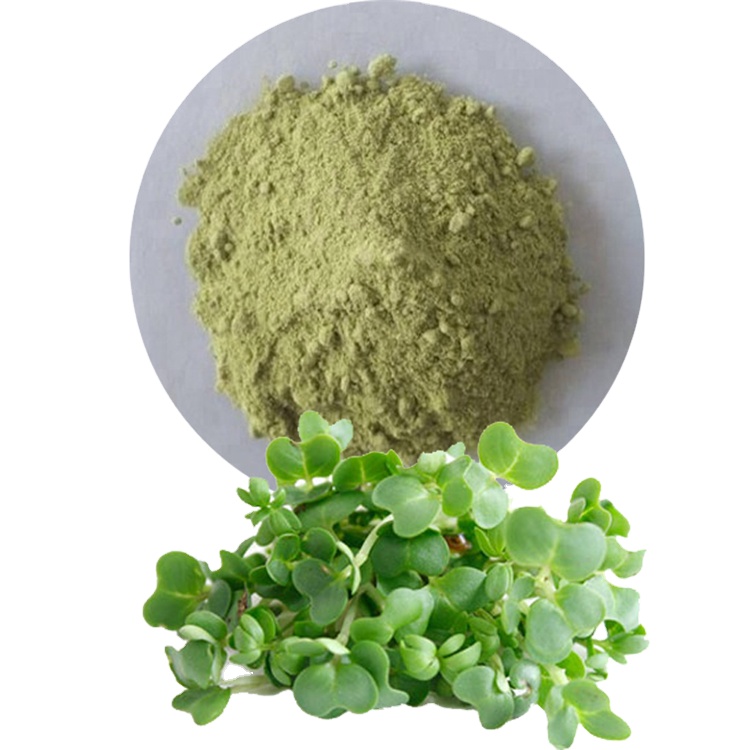
Watercress Extract Powder
- Botanical Source: Nasturtium officinale
- Assay / Ratio: 10:1, 20:1, Glucosinolates
- Mesh Size: 100% through 80 Mesh
Engineered for brand manufacturers requiring complete traceability, validated HPLC/UV/GC test protocols, zero adulteration, and consistent bioactivity in functional food, dietary supplements, and cosmeceuticals.
Navigating regulatory transitions, botanical authenticity testing, micro-encapsulation stability, and sustainable supply-chain integration in global nutraceutical manufacturing.
The international landscape for herbal supplement ingredients sourcing has experienced an unprecedented structural evolution. Brand formulators and enterprise procurement teams are moving rapidly away from generic ratio-based extracts (e.g., simplistic 4:1 or 10:1 claims without chemical fingerprints) toward standardized, assay-verified botanical isolates and high-bioavailability phytocomplexes. As international regulatory bodies such as the US FDA (21 CFR Part 111 cGMP), European EFSA, and Australian TGA intensify their scrutiny regarding adulteration, heavy metal deposition, and ethylene oxide (EtO) residues, partnering with qualified and technology-focused herbal supplement ingredients exporters has become the decisive foundation of product safety and brand equity.
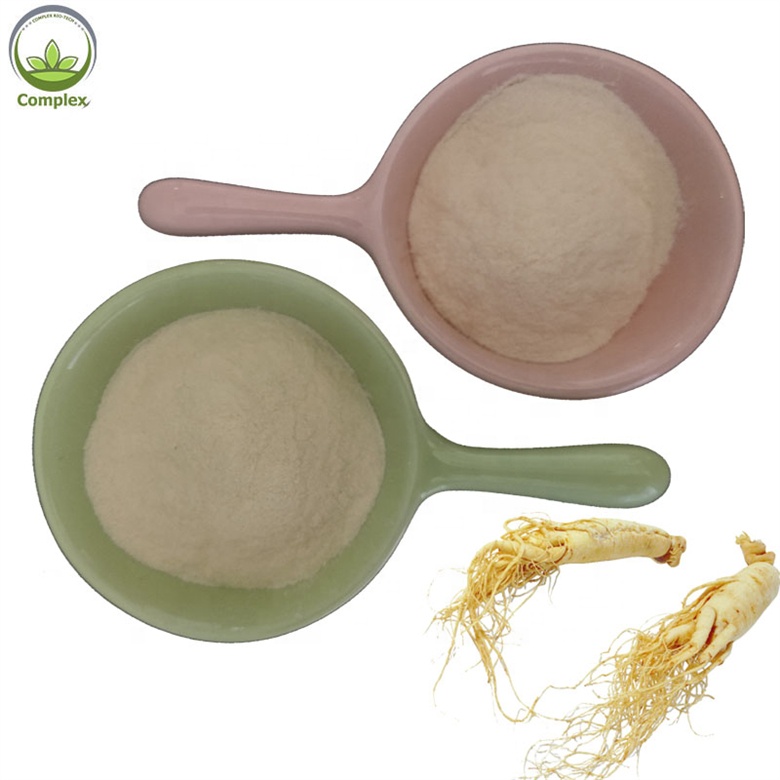
Historically, botanical ingredient trade was vulnerable to economic adulteration, particularly spiking with synthetic markers, maltodextrin dilution, or substitution of related lower-cost species. Modern international standards demand exhaustive chromatographic validation. Reliable exporters must provide multi-dimensional analytical documentation per production run, including High-Performance Liquid Chromatography (HPLC) for non-volatile active compounds (such as ginsenosides in Panax ginseng or icariin in Epimedium), Gas Chromatography-Mass Spectrometry (GC-MS) for volatile aromatic fractions, and Thin-Layer Chromatography (TLC/HPTLC) for holistic phytochemical fingerprinting. By correlating raw botanical harvests to specific reference standards, manufacturers eliminate cross-species contamination risks at source.
Transition toward supercritical fluid extraction (SFE-CO2) and pure enzymatic aqueous processing to ensure zero toxic organic solvent residues (Class 1 & Class 2 solvents eliminated) according to USP <467> guidelines.
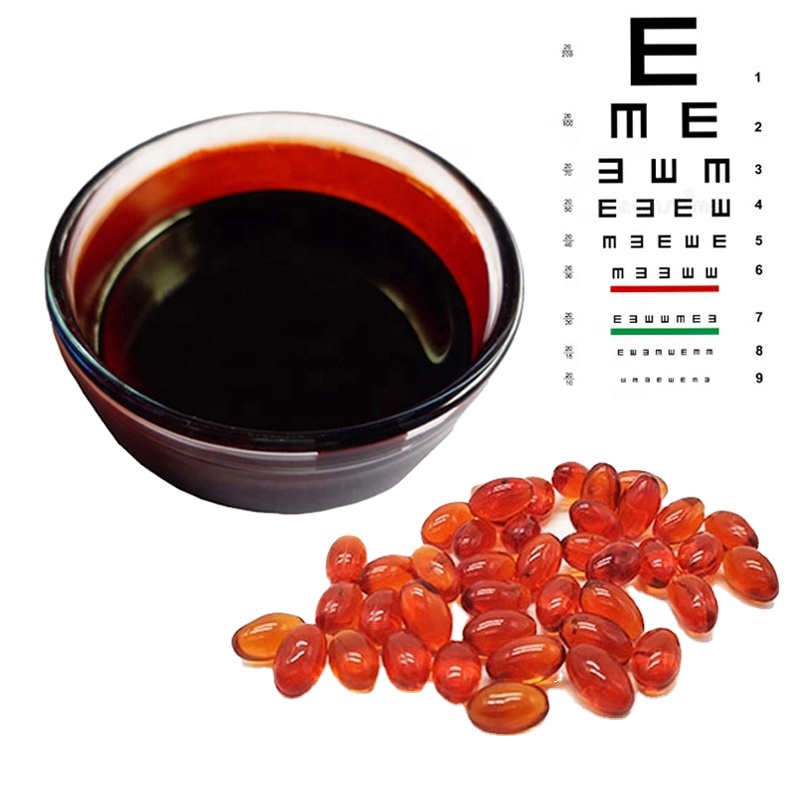
Surging demand for phospholipid-complexed and micro-encapsulated botanicals (e.g., astaxanthin, resveratrol) to dramatically overcome the traditional gastrointestinal breakdown and poor mucosal bioavailability of polyphenols.
Modern brand QA departments require batch-specific GPS farm origin verification under Good Agricultural and Collection Practices (GACP), mitigating heavy metal accumulation from regional soil variations.
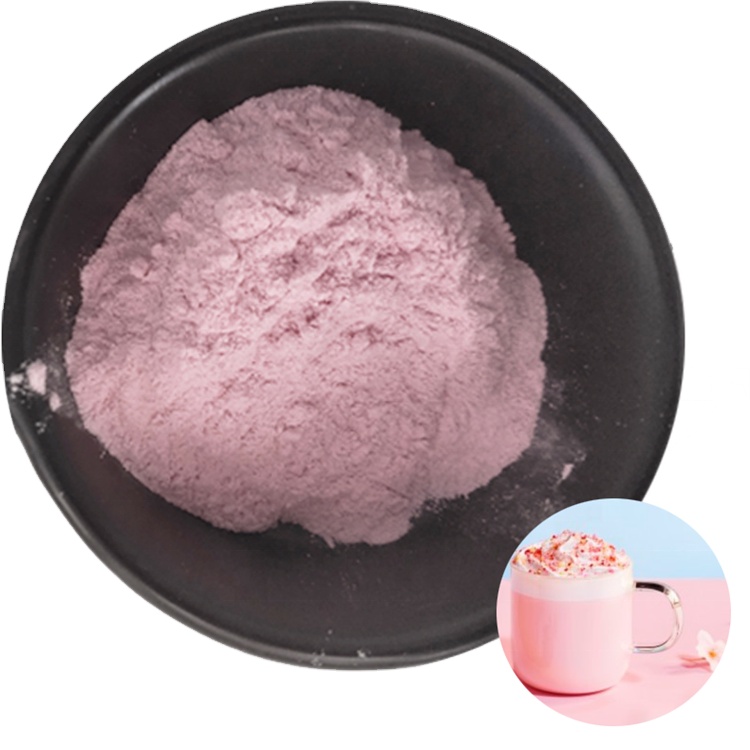
The boundary between nutritional supplementation and cosmetic dermal repair has blurred into the high-growth realm of Ingestible Beauty (Nutricosmetics) and cosmeceutical topical actives. Ingredients such as Hydrangea, Sakura (Cherry Blossom) Extract, Acerola Cherry, and High-Purity Copper Peptides (GHK-Cu) illustrate this convergence. Manufacturers are demanding active raw materials with dual functionalities: cellular anti-glycation (AGEs inhibition) and cellular matrix stimulation. For example, standardizing Acerola extracts to exact natural L-ascorbic acid content ensures thermal resistance during functional beverage and gummy manufacturing, unlike unstable synthetic ascorbic alternatives.
When selecting a reliable long-term exporter for botanical actives, pharmaceutical and nutraceutical manufacturers should mandate rigorous pre-qualification parameters:
Headquartered in Xi'an, the epicentre of traditional Qinba botanical diversity, Xi'an Sirn Bio-Tech integrates raw-material origin mastery with university-grade analytical precision.
Operating 2 standard manufacturing facilities equipped with 4 automated production lines and 2 flexible pilot lines alongside a GMP-standard cleanroom. We bridge the gap from gram-scale R&D trials to multi-ton commercial production without process parameter disruption.
Equipped with internal HPLC, Gas Chromatography, UV-Vis spectrophotometers, and ultrasonic extraction systems. We host joint research laboratories with Xi'an Jiaotong University, Northwest University, and Xi'an University of Science and Technology for isolation and structural characterization.
Our core technical team consists of 18 senior/mid-level technicians and 5 licensed TCM pharmacists. Backed by a verified 35% buyer reorder rate, 99% fast-response rating (≤2h), and source batch-specific documentation accompanying every shipment.
Direct answers to the regulatory, analytical, and supply-chain criteria demanded by enterprise formulators, dietary supplement manufacturers, and global importers.
For standardized herbal powders, plant extracts, and fruit & vegetable powders held in commercial stock, our MOQ starts at just 1 kg in sealed aluminum foil barrier bags. This low threshold enables pilot bench testing, stability testing, and validation batches. For specialized custom-synthesized compounds or OEM/ODM customized sachet blends (e.g., functional mushroom coffees), MOQs typically begin at 500 units.
Every single commercial production batch is accompanied by an authenticated Certificate of Analysis (COA) specifying physical markers (color, mesh size, bulk density, tap density), chemical assay (HPLC/UV/GC assay with comparative overlay chromatograms), residual solvents, heavy metals (ICP-MS), and microbiological status. Upon request, we provide Technical Data Sheets (TDS), Safety Data Sheets (MSDS), Flow Charts, Allergen Statements, and Non-GMO declarations.
Batch homogeneity is achieved through standardized raw botanical collection from GAP-monitored plantations across Shaanxi, followed by strict multi-tank dynamic extraction and low-temperature vacuum evaporation to prevent heat degradation of thermolabile polyphenols or ginsenosides. Our on-site R&D testing center cross-validates active levels before drum sealing to ensure minimal inter-batch assay variance (±2% limit).
Yes. We accommodate micro-pulverization specifications from standard 80 mesh up to ultra-fine 200–500 mesh (e.g., cell-broken pine pollen or cosmetic-grade hydrolyzed pearl powder). Furthermore, while many commercial spray-dried powders rely heavily on maltodextrin (15–30%), our specialized pilot lines allow us to formulate 100% pure carrier-free botanical solids upon formulation request.
Bulk powders are packaged in double food-grade virgin polyethylene liners hermetically vacuum-sealed inside tamper-evident 25 kg fiber drums with desiccants. For sensitive liquid/oil extracts (such as natural astaxanthin oleoresin), we utilize nitrogen-flushed aluminum containers or food-grade IBC totes. Standard shelf-life guarantees 24 to 36 months of guaranteed phytochemical stability when stored in sealed cool, dry environments.
We offer free sample validation dossiers (typically 50g–100g) for qualified corporate buyers. In-stock ingredients are dispatched within 24 to 48 hours via expedited DHL/FedEx courier accompanied by the corresponding lot-specific COA, allowing your laboratory QA team to independently verify TLC identity, solubility, and assay prior to placing commercial purchase orders.