SirnBIO-TECH Talk to Us
Search by product name, Latin name or CAS number.
Integrate HPLC-verified bio-compounds into your cognitive, circulatory, and longevity formulas alongside standardized Ginkgo biloba extracts.
Fukuoka serves as the central commercial and biotechnological gateway to Kyushu, a region internationally recognized for its dense concentration of advanced nutraceutical manufacturing facilities, cosmetic R&D laboratories, and high-standard functional food production lines. In recent years, Fukuoka has transformed into an operational epicenter for contract development and manufacturing organizations (CDMOs) catering to Japan’s rigorous Kenko Shokuhin (health foods) ecosystem, and notably the highly regulated Foods with Function Claims (FFC / 機能性表示食品) segment. Within this stringent regulatory matrix, Ginkgo Biloba Extract (specifically standardized leaves of Ginkgo biloba L.) stands as one of the most commercially critical botanical ingredients approved for cognitive enhancement, memory preservation, and microvascular microcirculation claims.
For industrial procurement directors, formulators, and compliance specialists evaluating Ginkgo biloba extract manufacturers and processing factories across Fukuoka, technical standards extend beyond nominal purity percentages. Sourcing professionals must navigate exact chromatographic profiles, specifically ensuring compliance with the Japanese Pharmacopoeia (JP) and the Japanese Consumer Affairs Agency (CAA) parameters. Standard Ginkgo biloba formulations demand a minimum of 24.0% Ginkgo Flavonol Glycosides (predominantly calculated as quercetin, kaempferol, and isorhamnetin via HPLC following acid hydrolysis) and a minimum of 6.0% Total Terpene Lactones (bilobalide, ginkgolide A, B, and C). Crucially, the removal of cytotoxic and allergenic alkylphenols—specifically ginkgolic acids—to levels below 5 ppm (and increasingly beneath 1 ppm for premium clinical preparations) remains the definitive technical demarcation separating rudimentary extraction units from advanced industrial manufacturing centers.
Multi-stage macroporous resin adsorption and liquid-liquid extraction guarantee targeted isolation of bilobalide and ginkgolides without chemical residue retention.
Proprietary secondary counter-current separation technology consistently drives toxic ginkgolic acid concentrations below detectable baseline thresholds (< 1 ppm).
Pre-validated clinical dossiers, batch stability assessments under climatic zone IV conditions, and full analytical identification conforming to CAA filing mandates.
Detailed comparative matrix examining physical, chemical, and chromatographic testing parameters required by Japanese and international importers.
| Analytical Assay / Parameter | USP / European Pharmacopoeia Standard | Japanese Pharmacopoeia / FFC Premium Grade | Testing Methodology |
|---|---|---|---|
| Flavonol Glycosides (Total) | 22.0% – 27.0% | ≥ 24.0% (Standardized Quercetin/Kaempferol Ratio) | HPLC (Post-Hydrolysis) |
| Terpene Lactones | 5.4% – 12.0% | 6.0% – 10.0% (Bilobalide ≥ 2.6%) | HPLC-ELSD / GC-MS |
| Ginkgolic Acids (Toxic Alkylphenols) | ≤ 5.0 ppm | ≤ 1.0 ppm (Hypoallergenic Guarantee) | LC-MS/MS |
| Heavy Metals (Pb, As, Cd, Hg) | ≤ 10.0 ppm Combined | Pb ≤ 1.0 ppm, As ≤ 0.5 ppm, Cd ≤ 0.2 ppm | ICP-MS (Triple Quadrupole) |
| Radiation Screening (Cs-134, Cs-137, I-131) | Not routinely mandated | Non-Detectable (< 10 Bq/kg) | Gamma Ray Spectrometry |
| Bulk Density & Flowability | Variable (0.35 – 0.55 g/mL) | 0.45 – 0.55 g/mL (Optimized for High-Speed Tablet Presses) | USP <616> Method I |
In the Japanese domestic retail and pharmacy sectors—ranging from regional drug stores across Hakata, Tenjin, and Kitakyushu to multi-tier national e-commerce channels—Ginkgo biloba extract is rarely deployed as an unformulated standalone active. Instead, Fukuoka formulators emphasize multifaceted, scientifically rationalized product architectures targeting distinct demographic pain points:
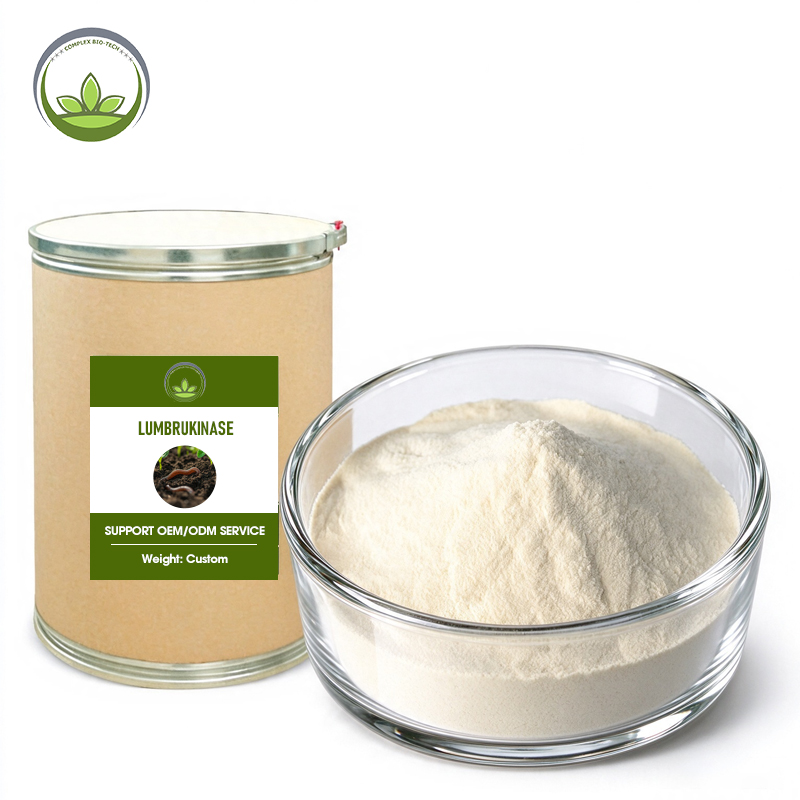
Combined with Pure Earthworm Extract Powder (Lumbrokinase) and Red Ginseng Ginsenosides. Targets cerebral microcirculation, reducing blood viscosity, assisting peripheral capillary flow, and maintaining neurovascular resilience among aging demographics.
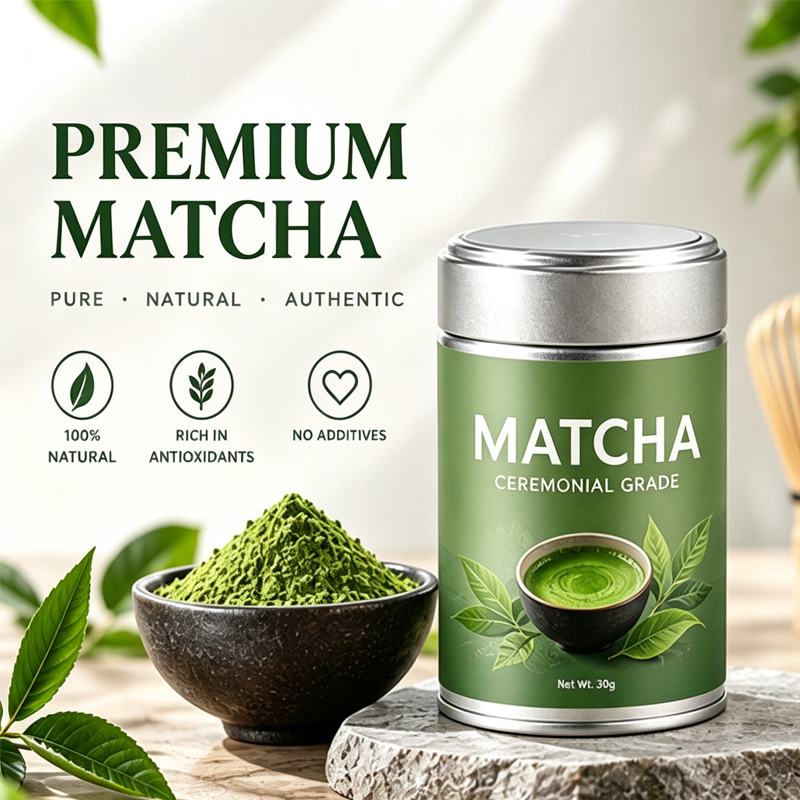
Formulated in combination with Ceremonial Grade Matcha Powder (rich in L-theanine and EGCG) and Anthocyanin-dense Acai Berry powders. Calibrates neuro-electrical focus while mitigating oxidative damage incurred during prolonged visual display terminal (VDT) exposure.
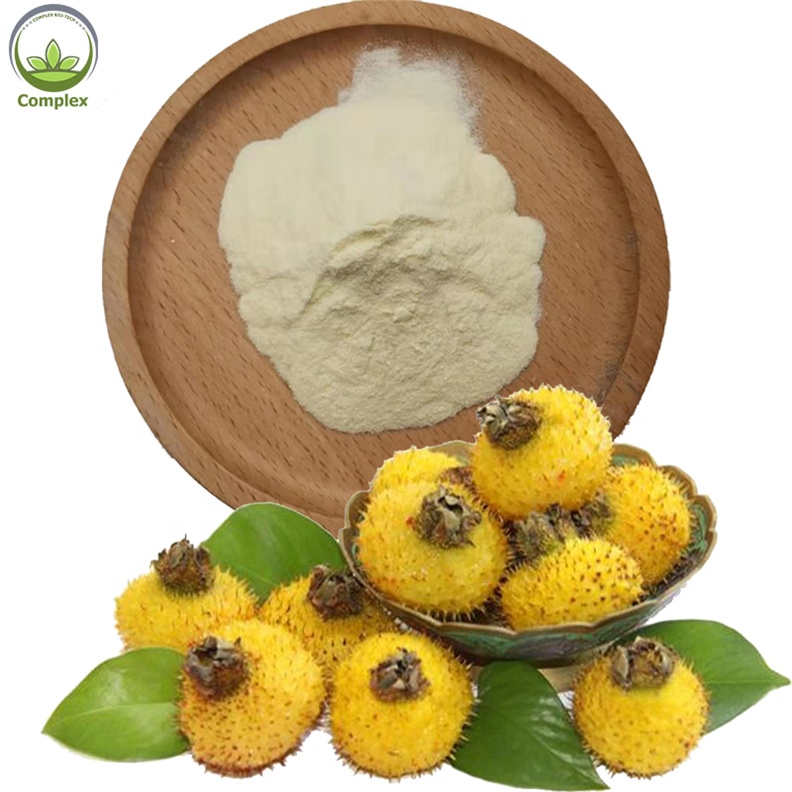
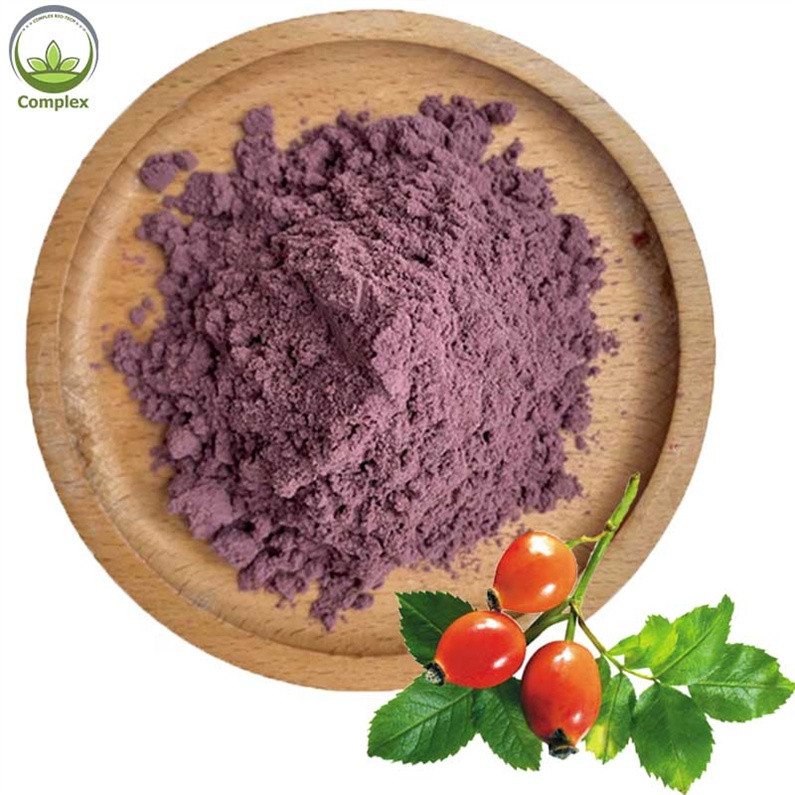
Synergized with Prickly Pear Extract (Rosa Roxburghii) and high-potency Rosehip extracts. Delivers high concentrations of Superoxide Dismutase (SOD) and polyphenols to counteract age-induced endothelial stiffness and micro-circulatory stagnation.
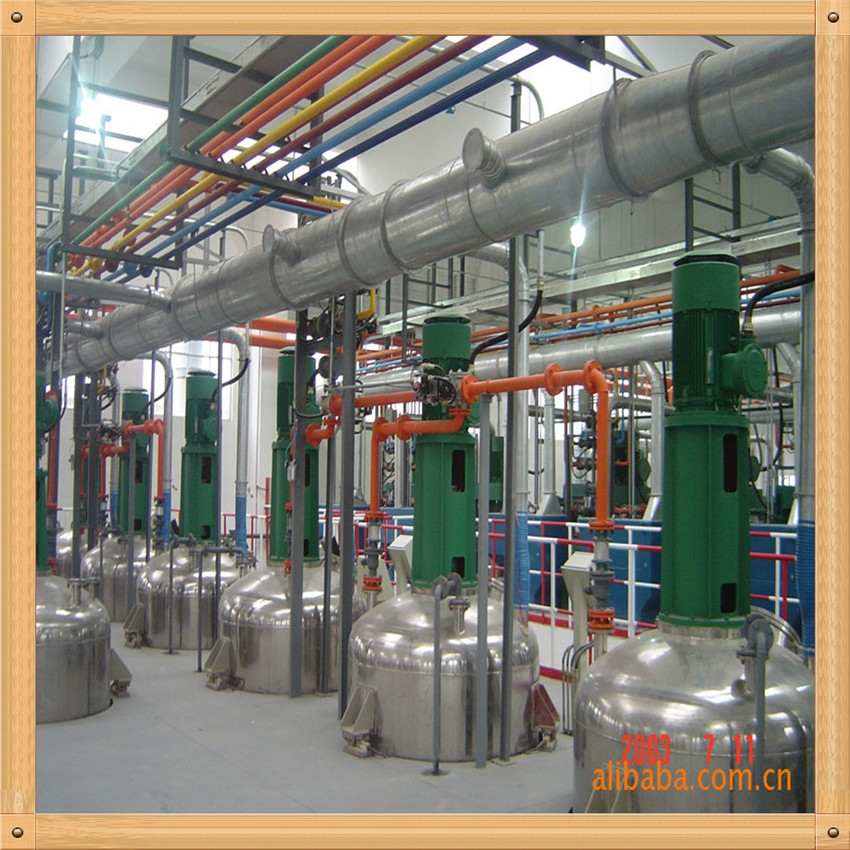
Serving high-demand markets across Japan, South Korea, and Southeast Asia, Xi'an Sirn Bio-Tech operates two standardized modern manufacturing complexes housing 4 high-volume commercial production lines alongside 2 dedicated pilot-scale facilities.
Batch adulteration represents an endemic liability across the global botanical supply chain, notably via the spiking of low-cost flavonol aglycones (such as non-Ginkgo derived free quercetin, kaempferol, or rutin) to falsely elevate spectrophotometric (UV) assay readouts. To protect Japanese brand custodians and regulatory license holders against product recalls or regulatory citations, our quality assurance protocols enforce systematic multi-step verification:
Every shipment destined for Fukuoka or global distribution undergoes exhaustive chromatographic quantification utilizing internal high-performance liquid chromatography (HPLC) equipped with diode array detection (DAD), gas chromatography (GC), and mass spectrometry. The ratio of quercetin to kaempferol is strictly monitored (mandated within an authentic botanical range of 0.8 to 1.2), alongside the verification of minimal peak thresholds for isorhamnetin. Free aglycones are screened prior to hydrolysis; any unhydrolyzed powder displaying elevated free quercetin is rejected instantly. Furthermore, our laboratories maintain fully validated solvent residual screening (ensuring ethanol, acetone, and ethyl acetate levels sit well below ICH limits), pesticide multiresidue screenings (testing over 450 compounds via GC-MS/MS), and full microbiological testing in class 100,000 cleanrooms.
Direct technical and commercial answers addressing Japanese import quarantine, customs procedures, and chemical specifications.
In Japan, under the Ministry of Health, Labour and Welfare (MHLW) classification of non-medical components, dry leaves of Ginkgo biloba L. and their water or hydro-ethanolic extracts are categorized under "Ingredients not considered pharmaceuticals unless making therapeutic claims." We ensure every production run uses strictly compliant extraction solvents (food-grade water and ethanol exclusively), certified 100% free of prohibited industrial solvents like methanol or chlorocarbons, with explicit plant-part provenance verified by botanists to satisfy Japan Quarantine inspection checkpoints.
We utilize a specialized dual-phase purification system involving synthetic macroporous adsorbent resins followed by low-temperature hexane-free fractional extraction. Final verification is executed on LC-MS/MS with a limit of quantification (LOQ) of 0.1 ppm for the six major ginkgolic acids (C13:0, C15:1, C17:1, etc.), systematically guaranteeing that the cumulative concentration is confirmed below 1 ppm, far exceeding the standard 5 ppm European Pharmacopoeia and USP thresholds.
Yes. We deliver comprehensive analytical dossiers including raw HPLC chromatograms, certificate of origins (COO), full manufacturing process flowcharts, validation data for functional components (Ginkgo Flavonol Glycosides and Terpene Lactones), shelf-life stability test reports (24-month accelerated and real-time testing under Climatic Zone IV standards), and non-GMO/allergen declarations necessary for consumer agency filing in Japan.
Our standard commercial packing comprises double-layered pharmaceutical-grade polyethylene bags hermetically heat-sealed inside food-grade cardboard drums (25 kg net weight) with desiccant packs to insulate against ocean-transit humidity. For expedited batches, air transit to Fukuoka Airport (FUK) typically clears within 3 to 5 business days from dispatch, while direct maritime shipments to Hakata Port are fulfilled efficiently with complete customs and quarantine paperwork pre-lodged.
To empower brand innovation and pilot line testing, our MOQ starts at just 1 kg for standardized bulk powder lines. Pre-shipment verification samples (50 g to 100 g) accompanied by full lot-specific Certificates of Analysis (COA) are dispatched via express courier within 24 to 48 hours of request.
Partner directly with a certified primary extraction manufacturer. Connect with our technical formulation team to request complete COAs, method validation protocols, or custom ratio specifications tailored for the Japanese market.