Nutraceutical
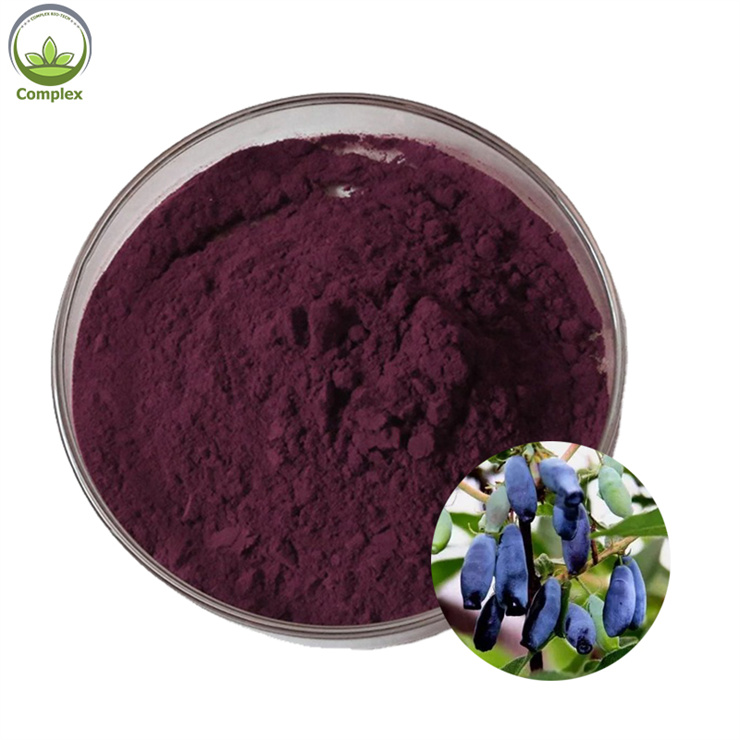
Factory Supply Best Quality Natural Ionicera Edulis
- Botanical Source:Lonicera caerulea
- Active Marker:Anthocyanins / Polyphenols
- Standard:HPLC / UV Tested
Supplying industrial food processors, R&D laboratories, and dietary supplement manufacturers throughout Kawasaki and the Keihin industrial region with complete batch traceability and analytical rigor.
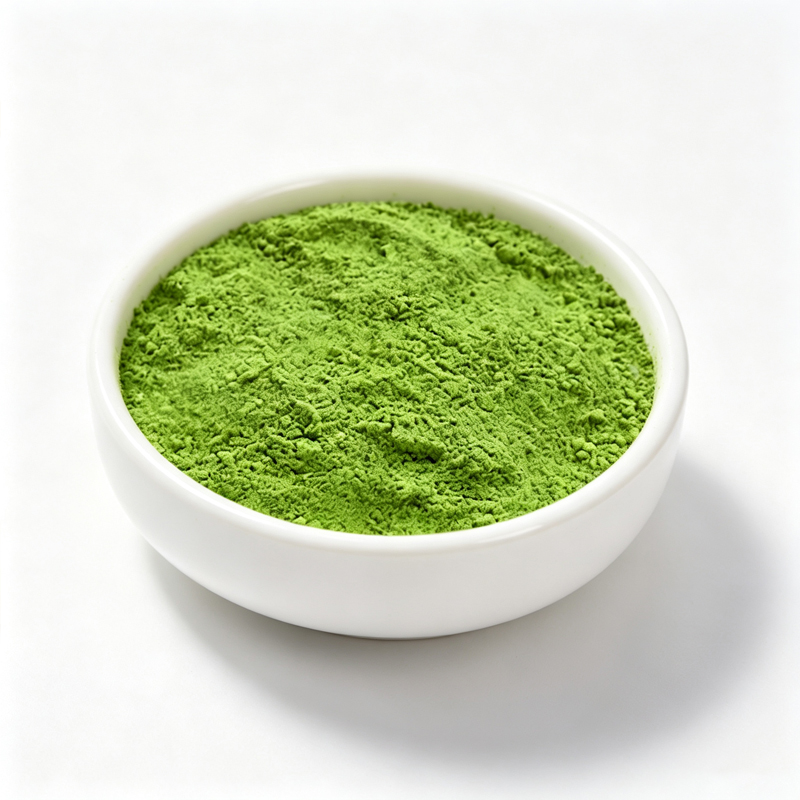
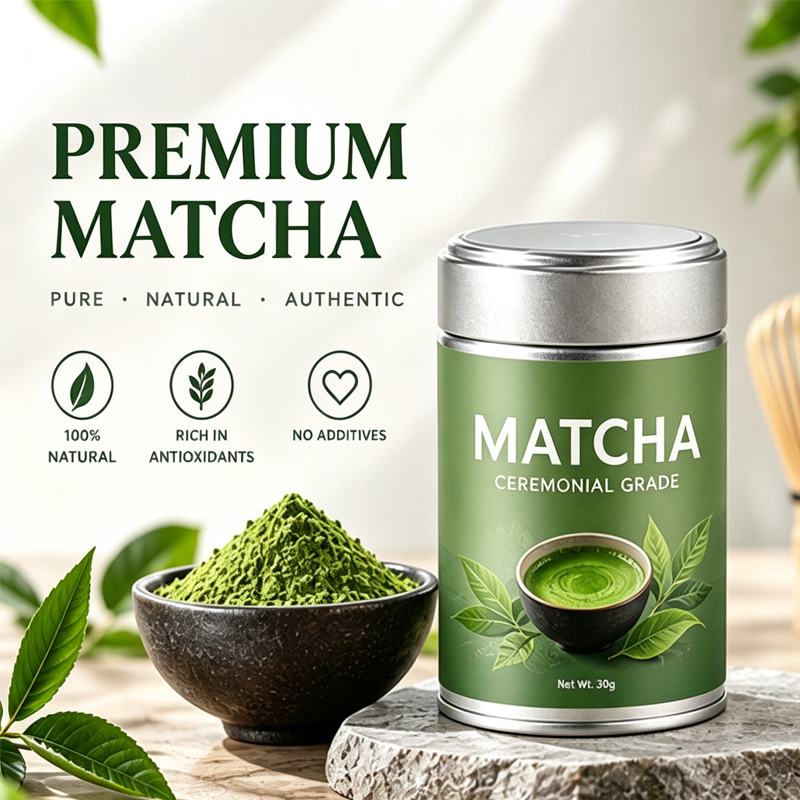
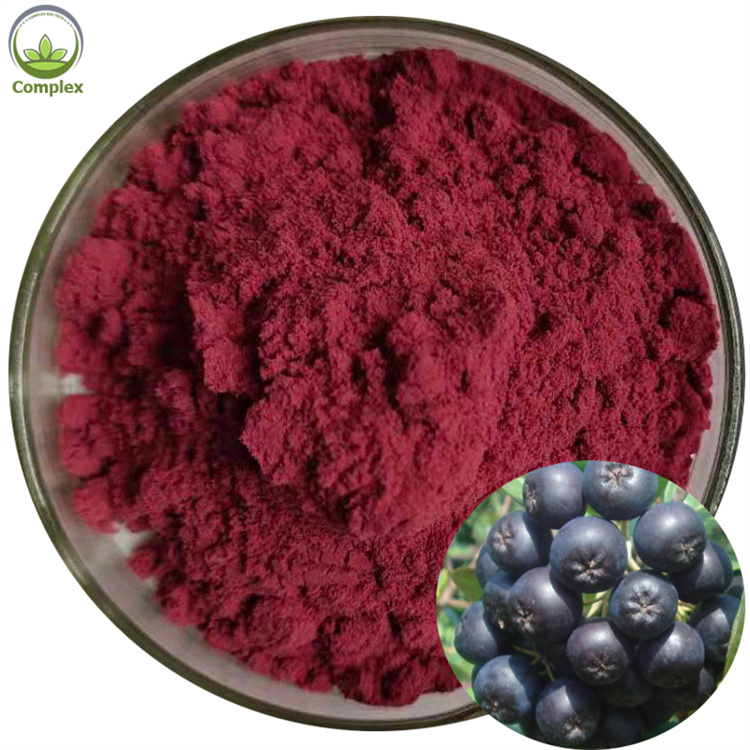
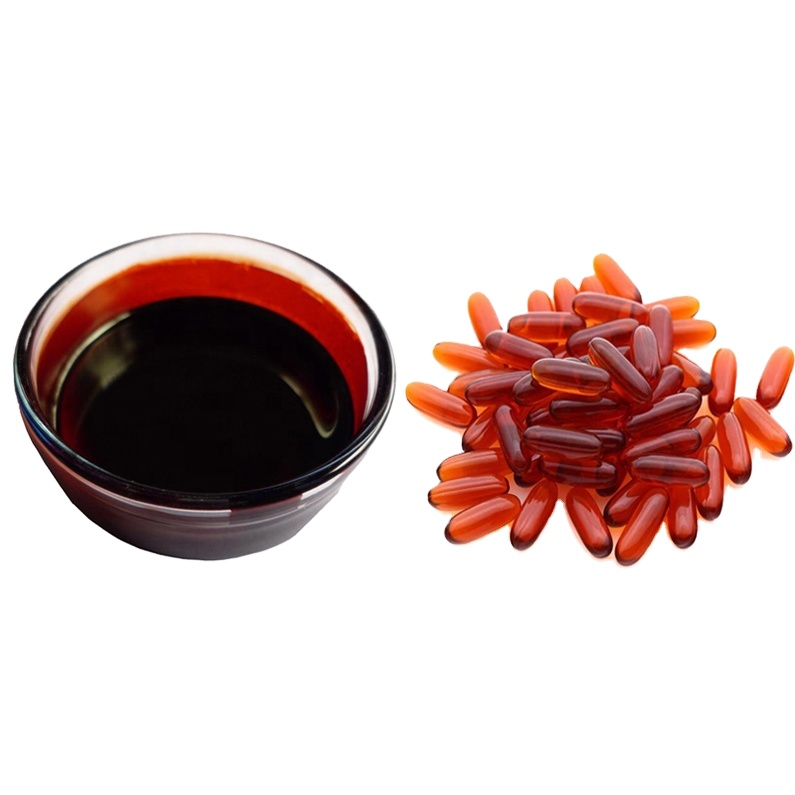
Bridging Qinba Mountain ecological harvests with the biomanufacturing requirements of Kanagawa’s Tokyo Bay innovation corridor.
The municipality of Kawasaki (川崎市) occupies an elite geographic and industrial apex within Japan’s Greater Tokyo Bay metropolitan economic sphere. Strategically sandwiched between Tokyo and Yokohama along the Tamagawa river basin, Kawasaki has transformed from its historic manufacturing base in the Keihin Industrial Zone (京浜工業地帯) into an internationally celebrated bio-science, green technology, and precision functional-material nexus. At the core of this transition sits King SkyFront (キングスカイフロント)—an open innovation precinct located in Tonomachi directly across the Tama River from Haneda International Airport. Within this high-density ecosystem, leading Japanese pharmaceutical research centers, functional food laboratories, contract dietary supplement manufacturers (CDMOs), and advanced cosmetic formulation enterprises demand bio-active botanical ingredients of unparalleled analytical fidelity, microscopic purity, and rigorous regulatory compliance.
For Japanese formulators working in Kawasaki, sourcing Green Tea Extract (Camellia sinensis) transcends conventional commodity buying. It is an exacting engineering calculation involving polyphenolic fingerprinting, chromatographic resolution of individual catechins, residual solvent control, thermal clarity in aqueous matrices, and uncompromising compliance with the Japanese Food Sanitation Act (食品衛生法) and the Ministry of Health, Labour and Welfare (MHLW) positive list system for agricultural chemical residues. Xi'an Sirn Bio-Tech Co., Ltd. serves as an experienced manufacturing and direct export partner for Kawasaki's commercial laboratories and industrial bottling lines, engineering customized polyphenol distributions, zero-solvent supercritical CO2 decaffeinated botanicals, and water-soluble micro-encapsulated extracts designed specifically to conquer the formulation hurdles faced by Kanagawa's premier processors.
Botanical extracts manufactured by Xi'an Sirn Bio-Tech undergo multi-stage resin fractionation to yield verified fractions of catechins, theaflavins, and non-protein amino acids, verified via High-Performance Liquid Chromatography (HPLC) according to Japanese Pharmacopoeia (JP) analytical standards.
| Standardized Grade | Total Polyphenols (UV/HPLC) | EGCG Assay (HPLC) | Caffeine Content | Solubility Profile | Primary Industrial Application in Kawasaki |
|---|---|---|---|---|---|
| Sirn-GTE Poly98 | ≥ 98.0% | ≥ 50.0% - 60.0% | ≤ 1.0% (Decaffeinated) | Instant in ambient H2O | FFC (Foods with Function Claims) capsules, softgels, metabolic tablets |
| Sirn-GTE EGCG95 Pure | ≥ 98.0% | ≥ 95.0% (Phyto-Isolate) | < 0.1% (Ultra-Trace) | Soluble in ethanol/water | King SkyFront dermatological clinical research, anti-glycation serums |
| Sirn-GTE Decaf 60 | ≥ 60.0% | ≥ 30.0% - 35.0% | < 0.5% (Supercritical CO2) | 100% crystal clear in water | RTD bottled green tea beverages, nutritional sachets, relaxation drinks |
| Sirn-Theanine 98 | N/A (L-Theanine Amino Acid) | N/A | Zero Caffeine | Highly water soluble | Nootropic sleep support formulations, cognitive stress-reduction tonics |
| Sirn-Matcha MicroFine | Natural Whole Leaf Matrix | 10.0% - 14.0% Catechins | 2.0% - 3.5% Natural | Suspension / Stone Ground | Kawasaki confectioneries, functional dairy puddings, artisanal bakery OEM |
Addressing the specific technological, biochemical, and shelf-life requirements of Kawasaki’s diverse industrial processors.
A key technological challenge for Japanese canning and PET-bottling plants in Kanagawa is polyphenol oxidation and hazing caused by calcium, magnesium, or protein complexation. Sirn Bio-Tech supplies de-pectinized, cold-water-instant green tea extract powders processed through secondary molecular membrane filtration. These grades maintain a crystal-clear luminescence without sediment fallout across a pH spectrum of 3.2 to 6.2, even through retort sterilization cycles.
Under Japan’s Foods with Function Claims (機能性表示食品 - FFC) system, brands must submit rigorous clinical evidence linking specific marker assays—predominantly (-)-Epigallocatechin Gallate (EGCG)—to claims such as visceral fat reduction and postprandial glucose regulation. Sirn Bio-Tech provides standardized EGCG powders with narrow assay variation (±1.5%), comprehensive stability testing data, and HPLC chromatographic fingerprints for seamless filing.
Collaborating with personal care contract manufacturers in the King SkyFront district, our high-purity EGCG (≥95%) and decaffeinated green tea polyphenols serve as active anti-aging components. By attenuating matrix metalloproteinase-1 (MMP-1) transcription induced by UVA irradiation, inhibiting elastase activity, and preventing lipid peroxidation in delicate emulsions, our cosmetic-grade powders meet Japan's Quasi-Drug and clean cosmetic purity criteria.
Importing botanical raw materials through the Port of Kawasaki or the neighboring Port of Yokohama mandates exhaustive compliance with the Positive List System (ポジティブリスト制度) administered by the Ministry of Health, Labour and Welfare (MHLW). This regulatory framework enforces uniform maximum residue limits (MRL) of 0.01 ppm for all pesticides, fungicides, and defoliants not explicitly assigned a specific tolerance. Japanese QA teams in Kawasaki are renowned globally for analytical precision; an unverified shipment can trigger extensive Quarantine Station (検疫所) detention or mandatory customs rejection.
Xi'an Sirn Bio-Tech removes this procurement risk through rigorous preventive agricultural controls at our Shaanxi harvesting origins. Nestled along the northern slopes of the Qinling Mountain range, our contract tea cultivation bases avoid heavy agricultural chemical inputs. Every export batch intended for our Japanese clientele is subjected to comprehensive multi-residue GC-MS/MS and LC-MS/MS screening for over 480 agricultural chemicals, confirming total absence or sub-threshold compliance. Furthermore, our heavy metal specifications conform strictly to the standard Japanese parameters: Lead (Pb) < 2.0 ppm, Arsenic (As) < 1.0 ppm, Cadmium (Cd) < 1.0 ppm, and Mercury (Hg) < 0.1 ppm, with micro-biological total viable counts held strictly beneath 1,000 CFU/g without radiation exposure.
Combining Shaanxi's centuries-old herbal botanical riches with state-of-the-art university-grade testing infrastructure.
Operating two standardized industrial extraction facilities housing 4 commercial production lines and 2 dedicated pilot lines within a certified GMP workshop. Our pilot capacity allows Japanese formulation chemists to commission custom runs (from 1 kg to 500 kg) without changing extraction kinetics or thermal concentration parameters.
Our R&D center maintains established joint research agreements with Xi'an Jiaotong University, Northwest University, and Xi'an University of Science and Technology. This collaborative infrastructure grants our clients direct access to nuclear magnetic resonance (NMR), LC-TOF-MS mass spectrometry, and enzymatic bio-transformation tech.
Our 30-person on-site technical team includes 18 senior & mid-level engineering specialists and 5 licensed Traditional Chinese Medicine (TCM) pharmacists. From botanical identity confirmation to final drum sealing with food-grade double polyethylene liners, every phase follows traceable batch execution records.
Detailed answers addressing regulatory clearance, analytical testing, sample validation, and logistics for Kawasaki businesses.
Connect directly with our senior application technicians to request batch Certificates of Analysis, technical dossiers, or quote inquiries for your Kawasaki production schedule.
Direct manufacturer support · Responses typically within 2 hours · Complete regulatory documentation