SirnBIO-TECH Talk to Us
Search by product name, Latin name or CAS number.
Standardized raw botanical active ingredients engineered for The Hague's clinical research facilities, nutraceutical formulators, and functional clean-label drink production lines.
The Hague, serving as an administrative hub and neighbor to South Holland's life-sciences corridor, demands clean-label ingredients, clear analytical records, and rapid logistical transit.
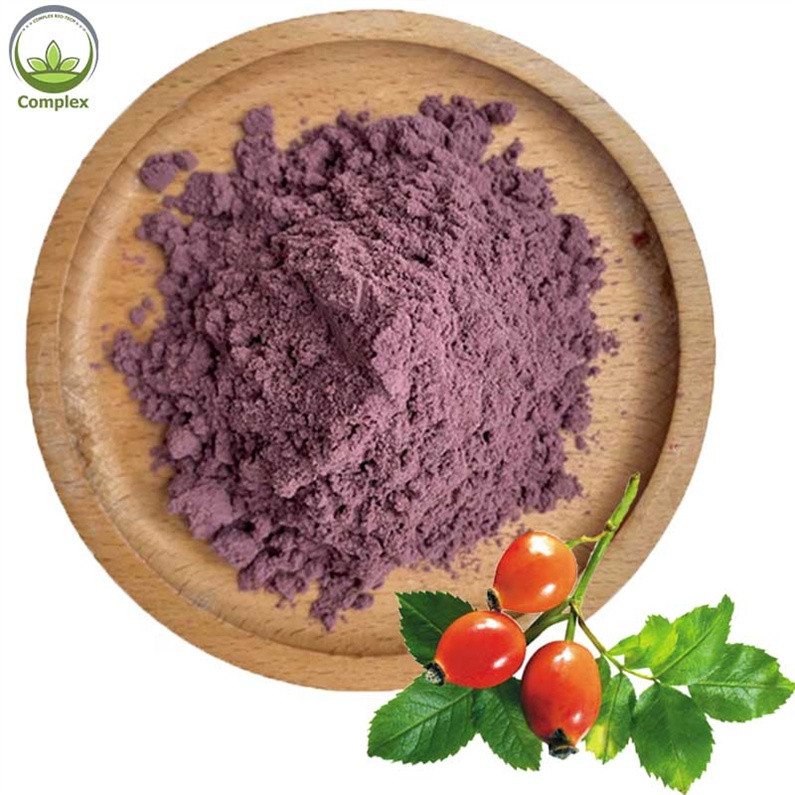
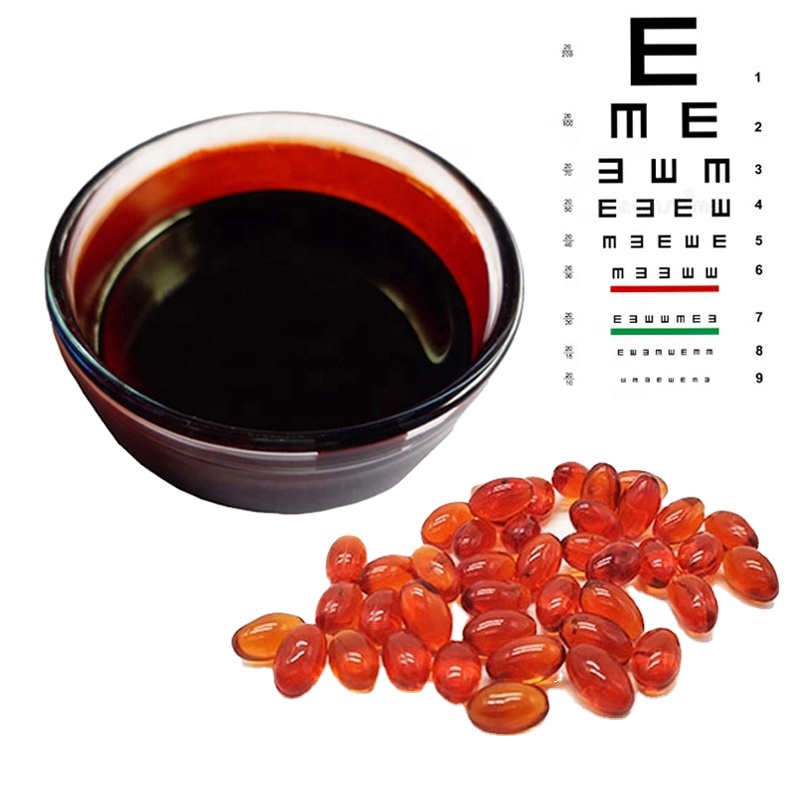
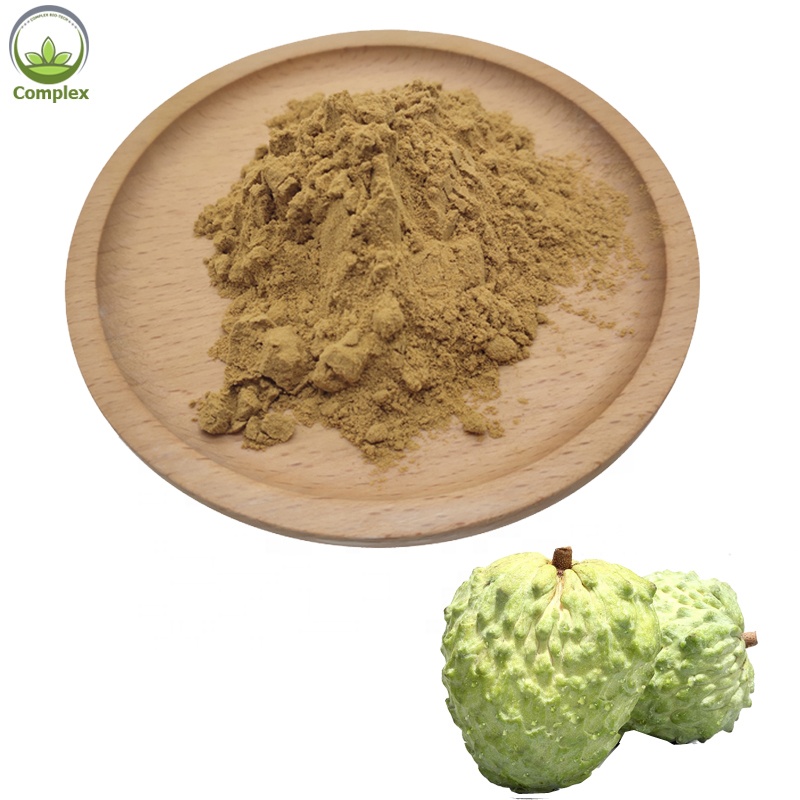
Local contract manufacturers in South Holland use high-potency Rosehip polyphenols, Graviola, and Astaxanthin liquids to create capsules, two-piece hard shells, and liquid liposomal suspensions that meet EFSA safety frameworks.
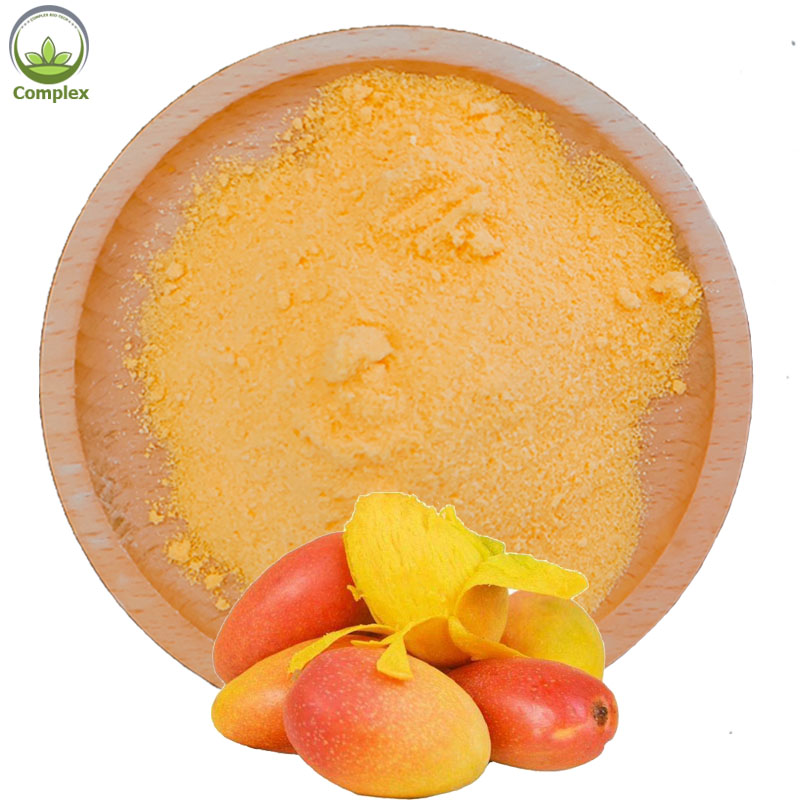
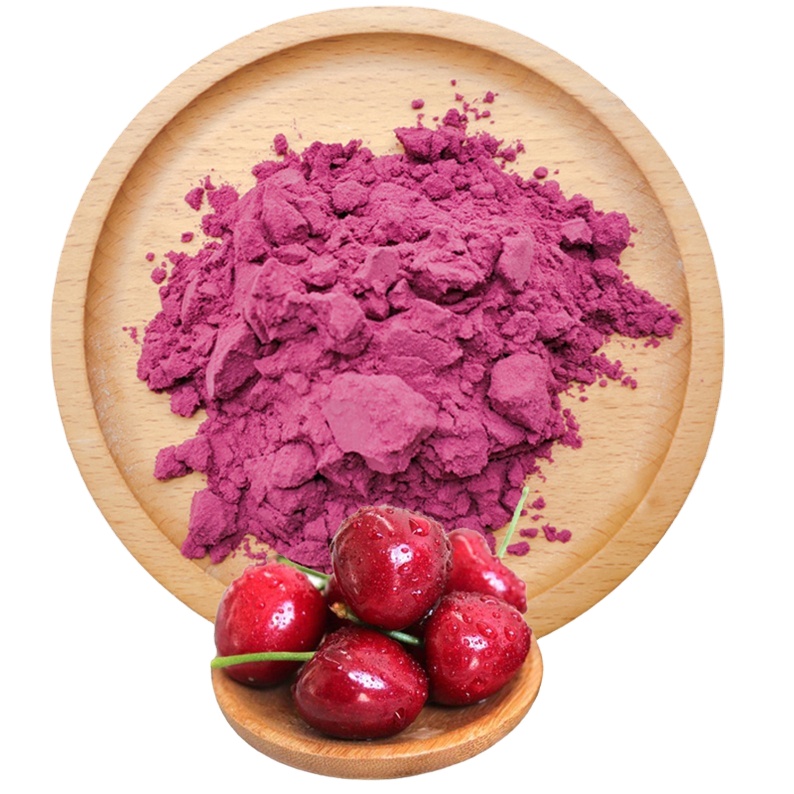
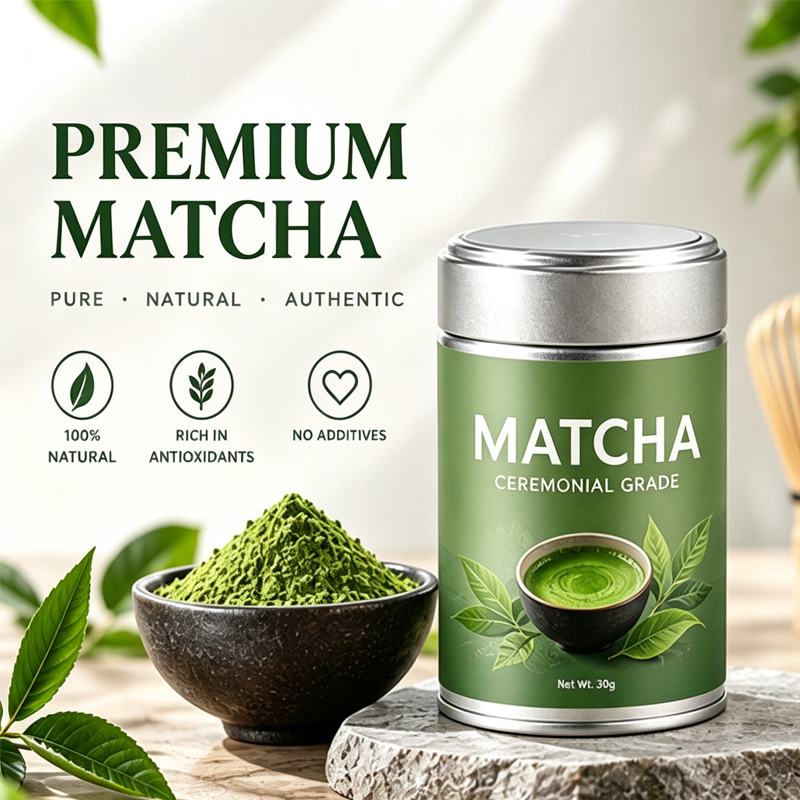
Dutch consumer packaged goods brands utilize micro-milled matcha and water-soluble fruit powders like instant mango and cherry to formulate antioxidant drinks without artificial colorings, clouding agents, or preservatives.
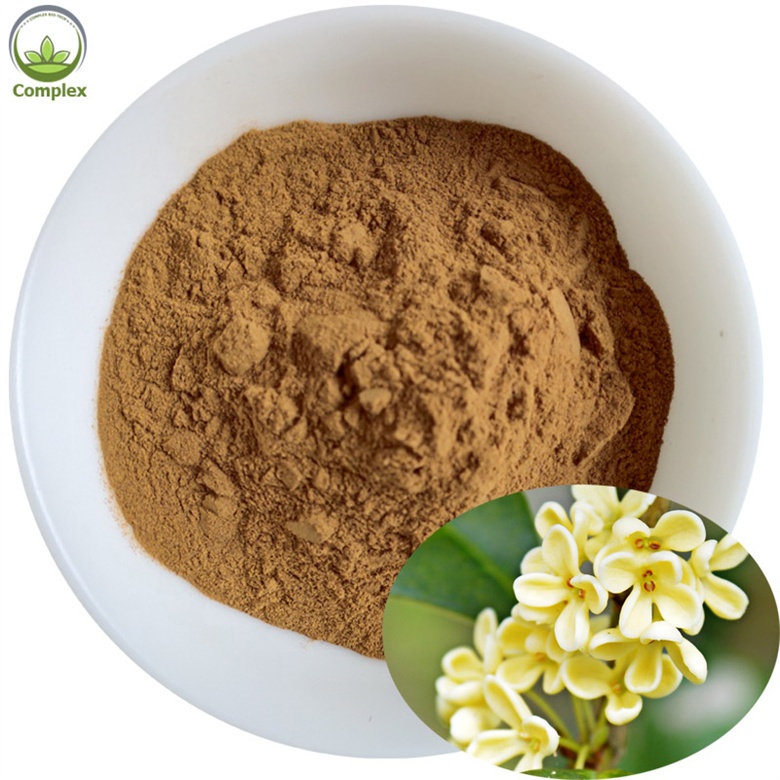
Regional clean-beauty labs across Scheveningen and Zuid-Holland combine water-soluble Osmanthus extract, micro-filtered pearl peptides, and astaxanthin into barrier-supporting serums and oral beauty supplements.
Procurement criteria have shifted from price-per-kilogram purchasing to verifiable bioactivity, supply chain transparency, and sustainable handling.
The Hague's quality managers verify polycyclic aromatic hydrocarbons (PAH4), ethylene oxide (EtO), pesticide levels, and heavy metal counts under Regulation (EC) 1881/2006 before accepting imported lots.
Formulators avoid harsh petrochemical solvents. Extraction processes rely on superheated water, food-grade ethanol, or ultrasonic-assisted separation to safeguard natural phytochemical profiles.
Given The Hague's access to the Port of Rotterdam and Schiphol distribution corridors, procurement teams require batch consistency and pre-cleared customs documentation to avoid shipping bottlenecks.
Combining botanical raw materials from Shaanxi's Qinling mountain reserves with modern analytical testing and university-backed research.
Our extraction lines work alongside Xi'an Jiaotong University, Northwest University, and Xi'an University of Science and Technology, providing accurate marker profiling and reproducible extraction ratios.
Every single batch undergoes testing via high-performance liquid chromatography (HPLC), gas chromatography (GC), and UV spectrophotometry before dispatch. Batches ship with a traceable Certificate of Analysis.
Our infrastructure operates 4 standard production lines, 2 pilot lines, and a dedicated GMP workshop. This setup supports small 1 kg R&D trials through to multi-ton commercial production runs without process shifts.
Essential details on sampling, minimum orders, customs compliance, and supply operations.
Each batch is checked against Regulation (EC) 396/2005 (pesticides) and Regulation (EC) 1881/2006 (heavy metals like Lead, Cadmium, Arsenic, and Mercury). We verify values in-house using atomic absorption and HPLC, with validation from third-party labs like Eurofins and SGS upon request.
Shipments include a batch-specific Certificate of Analysis (COA), safety data sheet (MSDS), technical specification sheet, production flow chart, BSE/TSE-free declaration, and non-GMO statement. Custom EU import documentation is assembled based on your broker's requirements.
Yes. Our minimum order quantity for standardized powders and botanical extracts is 1 kg. This lets R&D teams and testing facilities check assay values, run solubility trials, and verify sensory traits before placing commercial orders.
Air shipments via Amsterdam Airport Schiphol (AMS) arrive within 4 to 7 business days. Full container loads and LCL consignments routed through the Port of Rotterdam generally clear transit in 28 to 35 calendar days with pre-cleared customs documents.