SirnBIO-TECH Talk to Us
Search by product name, Latin name or CAS number.
Direct-from-factory ingredients assayed via HPLC, UV-Vis, and Gas Chromatography. Each batch is supplied with full analytical documentation, low heavy metal profiles, and guaranteed chromophoric consistency tailored for UK industrial processors.
Portsmouth has long served as a vital international trade gateway on the south coast of England, anchoring a highly diversified manufacturing and product distribution basin spanning Hampshire and the wider South East. The regional industrial landscape encompasses high-value artisanal distilleries, marine-derived functional cosmetics, automated clean-label beverage copackers, and specialty sports nutrition producers. Across these categories, formulators face an uncompromising consumer demand: the total elimination of synthetic artificial colorants (specifically the notorious "Southampton Six" colorants, such as Allura Red AC (E129), Tartrazine (E102), and Sunset Yellow FCF (E110)) and the phase-out of opacifying agents like Titanium Dioxide (E171).
However, replacing petroleum-derived colorants with plant-based alternatives is an engineering challenge. Natural pigments derived from plants, fruits, and marine microorganisms—predominantly anthocyanins, betalains, carotenoids, chlorophyllins, and theaflavins—are complex biological polymers susceptible to degradation when exposed to variations in pH, thermal shear, ultraviolet radiation, and metallic ions. For manufacturing engineers and quality assurance directors across Portsmouth, sourcing cannot rely on secondary trade intermediaries who supply variable, non-standardized food powders. Sourcing requires an authentic raw material manufacturer possessing independent HPLC/UV laboratories, dedicated pilot scale-up facilities, and standardized botanical origins to ensure that chromatic coordinates (L*a*b* values) remain uniform from initial pilot runs to metric-ton packaging schedules.
Natural colorants do not function as single chemical isolates; their shade intensity, water miscibility, and physical stability depend strictly on their primary phytochemical class and molecular carrier matrix. At Xi'an Sirn Bio-Tech, extraction protocols are tailored to the distinct chemical behaviors of each pigment category:
| Pigment Family | Source Botanicals | Target Chromophore | Optimal Operating pH | Industrial Application in UK Processing |
|---|---|---|---|---|
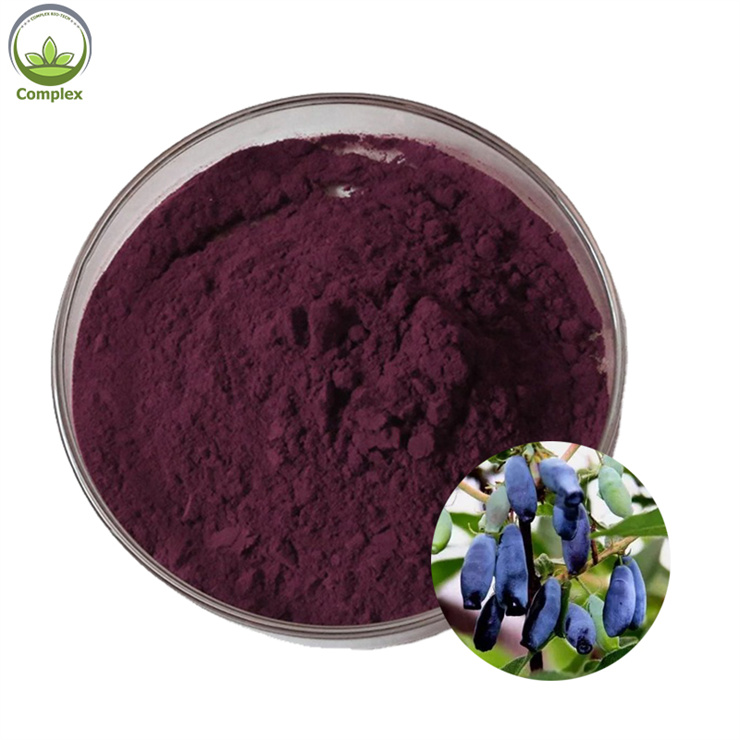
| Anthocyanins | Lonicera caerulea (Edulis), Purple Sweet Potato, Black Tea | Cyanidin-3-glucoside, Peonidin derivatives | pH 2.5 – 4.2 (Vivid Red to Violet) | RTD carbonated beverages, ciders, functional water, high-acid confections |
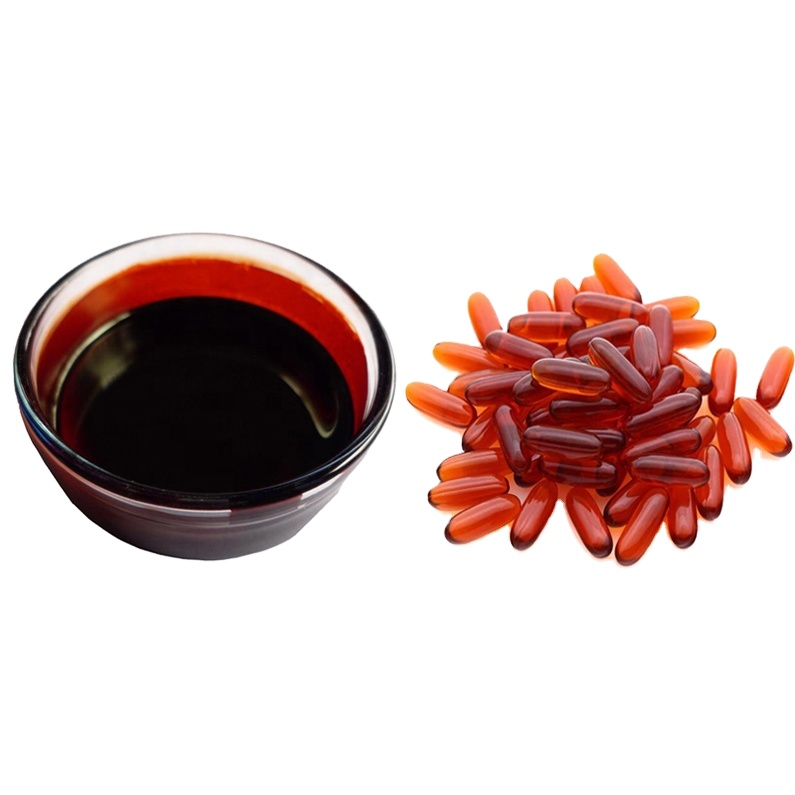
| Carotenoids | Haematococcus pluvialis (Astaxanthin), Tomato (Lycopene) | Astaxanthin, Lycopene, beta-carotene | pH 3.0 – 8.0 (Lipid/Emulsion stable) | Encapsulated softgels, functional sports beverages, salad dressings, baked fillings |
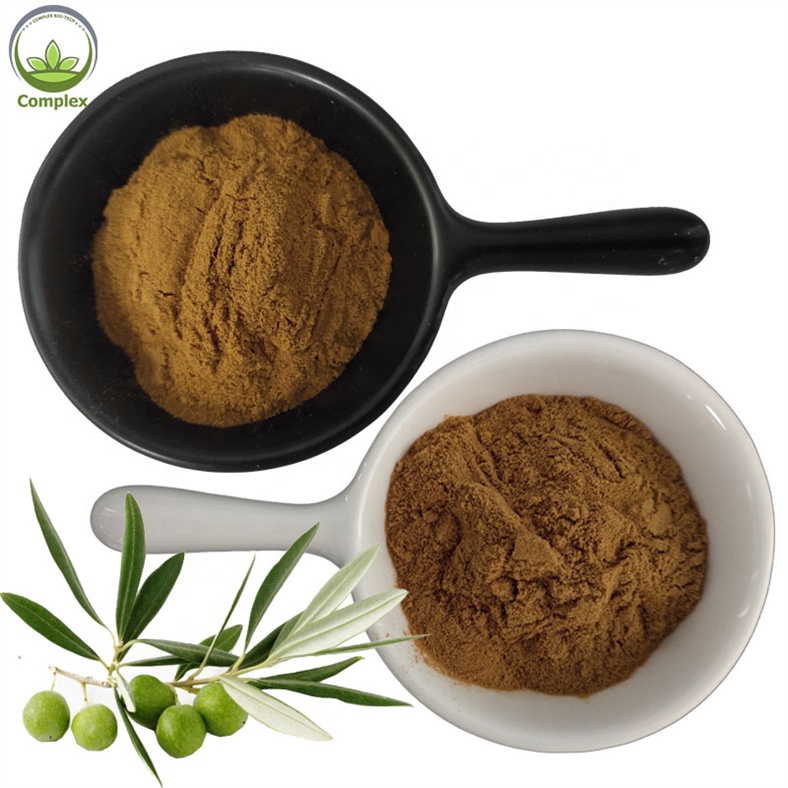
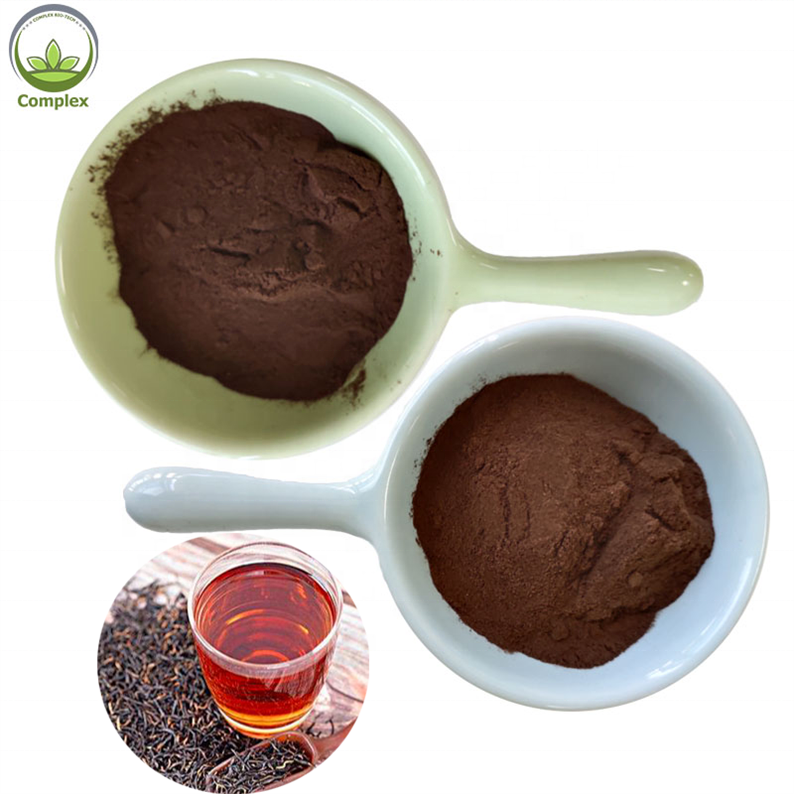
| Polyphenols & Flavones | Olive Leaf, Instant Fermented Black Tea, Dihydroquercetin | Hydroxytyrosol, Theaflavins, Taxifolin | pH 3.5 – 7.5 (Broad buffering range) | Nutraceutical tablets, clean-label caramel shade replacement, cosmetic serums |
| Chlorophyllins | Mulberry leaf, Chlorella biomass | Sodium Copper Chlorophyllin | pH 6.5 – 8.5 (Avoid unbuffered strong acids) | Plant-based dairy, confectionery gummies, oral wellness, topical marine skin formulations |
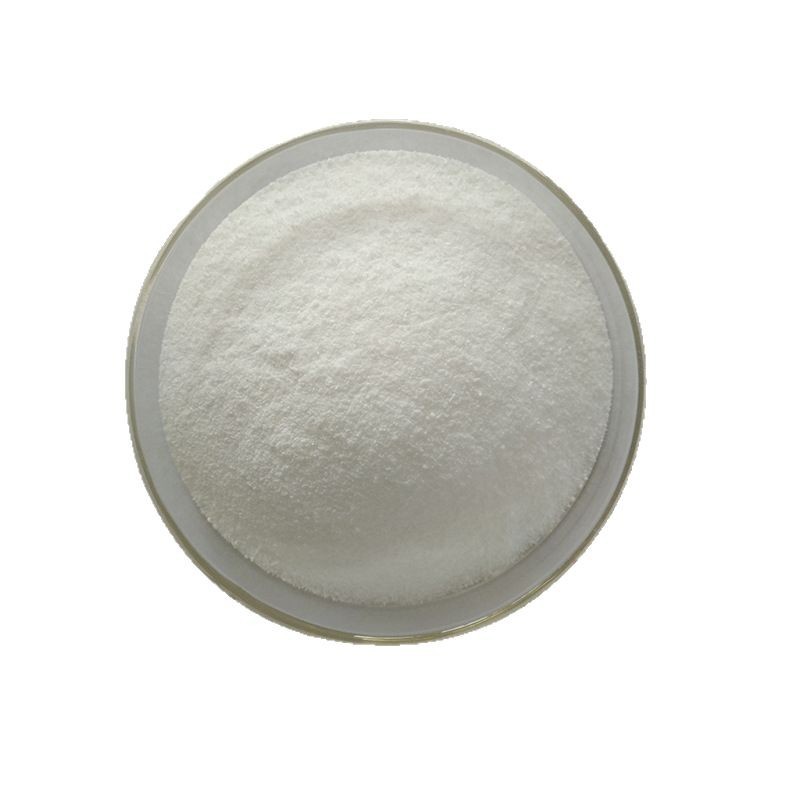
To control the bathochromic shift common in anthocyanin pigments—where a change in process pH causes the color to fluctuate from bright red through mauve to dull blue-green—our factory technicians standardize extract titrations to predictable molecular weights. By coupling anthocyanins with endogenous co-pigments like pure Dihydroquercetin (Taxifolin ≥98%), we improve steric hindrance around the flavylium cation, preventing nucleophilic attack by water molecules and substantially reducing bleaching under typical ambient light conditions in UK retail display chillers.
Portsmouth and the surrounding Hampshire manufacturing belt operate distinct sub-sectors with specific formulation criteria:
The Solent region supports a high concentration of award-winning gin distilleries, cider houses, and non-alcoholic functional beverage copackers. Utilizing our 100% water-soluble instant black tea powder and freeze-dried Lonicera Edulis extract enables formulators to impart deep amber hues and ruby-tinted botanical profiles that remain free of sediment, haze, or secondary ring-out during ambient shelf life.
Leveraging Portsmouth's maritime identity, regional cosmetic formulators focus on ocean-inspired clean skincare. Our water-soluble astaxanthin oils, hydrolyzed pearl powders, and blue copper peptide (GHK-Cu ≥98%) serve dual purposes: delivering rich natural coral-red or soft pearlescent visual appeal while supplying proven clinical actives for collagen synthesis and cellular photoprotection.
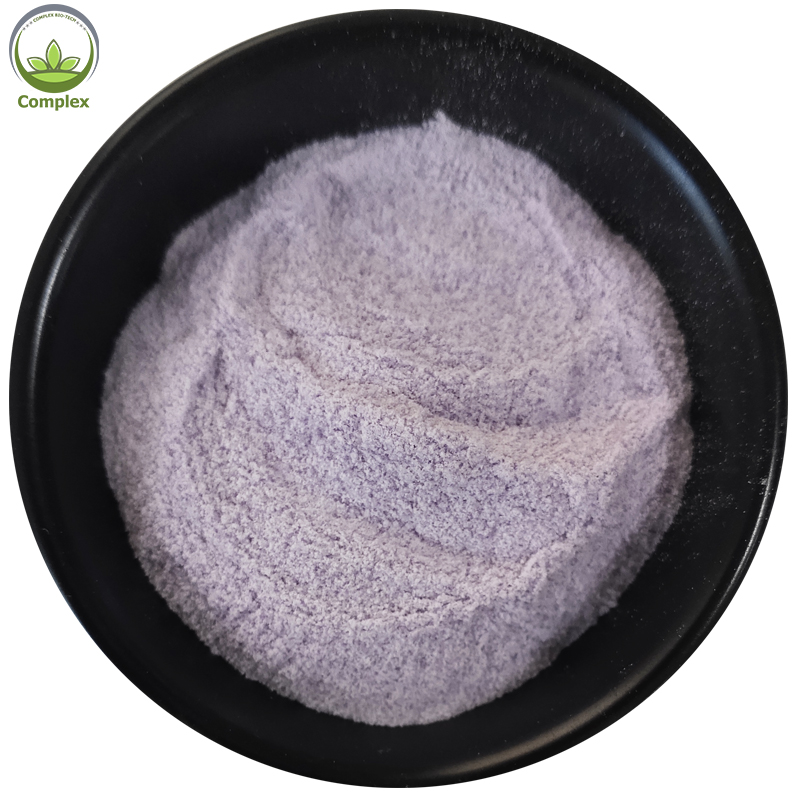
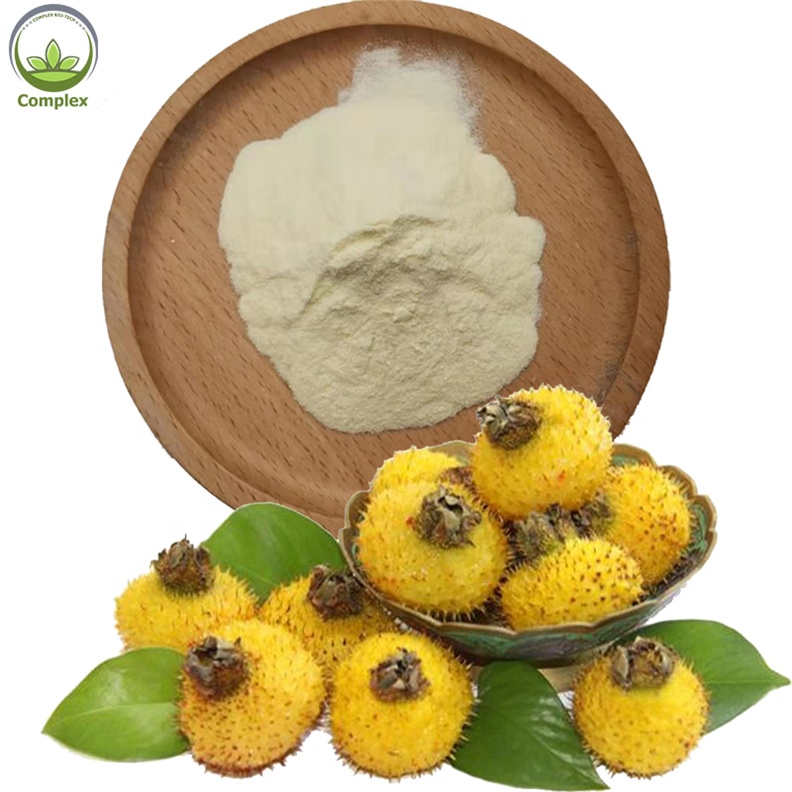
Commercial bakeries and gummy manufacturers supplying major UK grocery chains face strict restrictions against synthetic reds and greens. Spray-dried purple sweet potato powder and standardized prickly pear (Rosa Roxburghii) provide high tinctorial strength capable of surviving high-shear extrusion and high-temperature pectin boiling cycles without structural inversion.
A persistent obstacle faced by Portsmouth procurement managers is the fragility of extended international supply chains. Stock-outs or batch-to-batch color shifts can shut down automated production lines. Xi'an Sirn Bio-Tech operates at the origin of herbal abundance in Shaanxi, China—the gateway to the Qinling Mountain botanical corridor. We control every stage from biomass sourcing to intermediate extraction, vacuum concentration, column chromatography, and packaging under a single quality system:
We operate 2 standardized manufacturing plants featuring 4 industrial-scale automated extraction lines and 2 flexible pilot lines. This allows seamless transitions from 1 kg pilot R&D batches to multi-ton commercial consignments without changing the extraction chemistry.
Our analytical suites house Gas Chromatography (GC), High-Performance Liquid Chromatography (HPLC), and UV-Vis spectrophotometers. We test every single lot for heavy metals (Pb, As, Cd, Hg), pesticide residues, solvent residues, and active marker purity before releasing goods.
We maintain joint laboratories with Xi'an Jiaotong University, Northwest University, and Xi'an University of Science and Technology. These collaborations give our clients access to cutting-edge research in microencapsulation, spray-drying kinetics, and natural color stability.
To serve the Portsmouth market effectively, our logistics workflows interface directly with major UK customs clearance hubs at Southampton Port, Felixstowe, and London Heathrow. By maintaining complete technical dossiers—including Certificates of Analysis (COA), Technical Data Sheets (TDS), Safety Data Sheets (MSDS), non-GMO verifications, and allergen declarations—we eliminate customs delays, allowing local manufacturers to maintain lean, just-in-time inventories.
Formulation engineers evaluating natural colorants in the South East should account for several key regulatory and consumer shifts:
1. Ultra-Processed Food (UPF) Scrutiny: Public health discourse in the United Kingdom is intensely focused on the UPF classification. Consumers increasingly cross-reference ingredient decks for identifiable plant materials rather than synthetic E-numbers. Formulating with spray-dried fruit extracts (e.g., pear, Rosa roxburghii, or freeze-dried strawberry powder) allows product developers to list "Concentrated Fruit Extract" on labels rather than artificial additives, earning clean-label approval from major UK supermarket buyers.
2. Decarbonization and Lightweight Cargo: Liquid botanical concentrates carry significant freight penalties and require chilled storage to prevent fermentation. Transitioning to high-potency, vacuum spray-dried or freeze-dried powders reduces shipping weight by up to 85%, cutting shipping carbon footprints through Solent maritime channels while ensuring dry-state microbiological stability for up to 24 months.
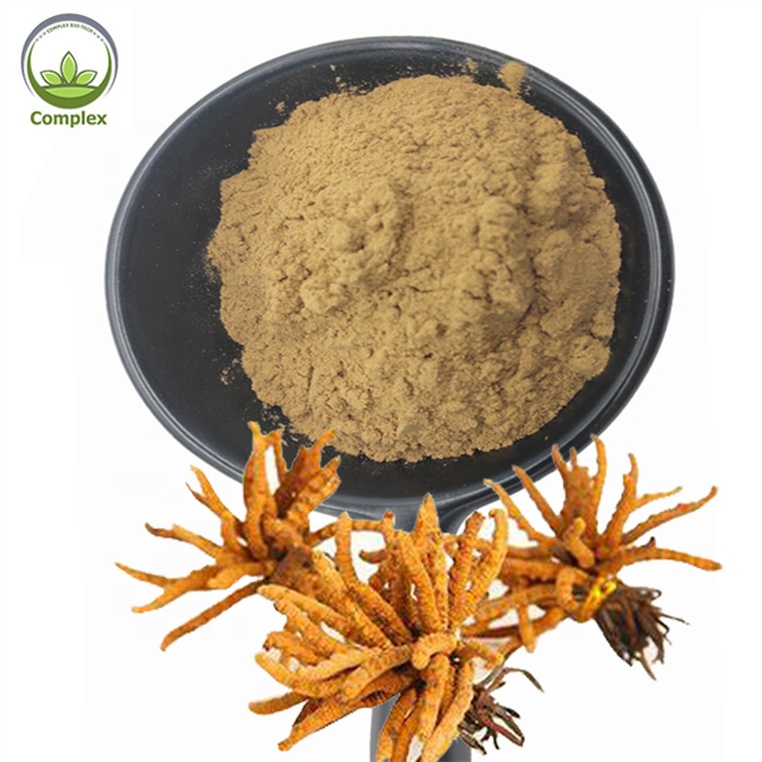
3. Dual-Functionality Ingredients: In modern product design, color is rarely just visual. Modern buyers demand bioactive functional benefits. For example, our Astaxanthin oil and Cordyceps extracts supply vibrant chromatic tones (coral red and warm ochre) while enabling front-of-pack claims for antioxidant capacity, cellular defense, and adaptogenic wellness.
Direct answers to the most common quality assurance, regulatory, and logistics questions raised by UK operations directors prior to issuing purchase orders.
Every ingredient supplied by Xi'an Sirn Bio-Tech complies with relevant UK Great Britain (GB) Retained Food Regulations. Assays, heavy metals (Lead ≤ 3.0 mg/kg, Arsenic ≤ 1.0 mg/kg, Cadmium ≤ 1.0 mg/kg, Mercury ≤ 0.1 mg/kg), microbiological limits (total plate count ≤ 1,000 cfu/g, Salmonella absent/25g, E. coli absent/10g), and solvent residues comply with UK statutory instruments. Full COAs and allergen/non-GMO declarations ship with every consignment.
We support product development and trial batches with an R&D MOQ starting at just 1 kg for most standardized plant extracts, fruit powders, and cosmetic actives (such as GHK-Cu and Pearl Powder). For scaled commercial production runs, we provide 25 kg fiber drums lined with food-grade double polyethylene bags, supporting automated multi-drum pallet orders for commercial manufacturing plants in Portsmouth and Hampshire.
Anthocyanin and carotenoid photodegradation is typically mitigated through two primary approaches: First, our laboratory assists formulators in establishing co-pigmentation systems by blending small percentages of natural bioflavonoids, such as our 98% pure Dihydroquercetin (Taxifolin), which forms stable stacks with anthocyanin chromophores to resist light bleaching. Second, we can tailor mesh sizes (80–120 mesh) or supply pre-emulsified lipophilic extracts (e.g., Astaxanthin oil) that remain evenly dispersed in emulsions without settling.
Our quality assurance protocol includes High-Performance Liquid Chromatography (HPLC) for quantification of marker compounds (such as Icariin, Taxifolin, and GHK-Cu), Gas Chromatography (GC) for volatile components and residual extraction solvents, UV-Vis Spectrophotometry for total anthocyanin and polysaccharide fractions, and Atomic Absorption Spectrometry (AAS) for trace heavy metals. We do not rely on generic third-party certificates; our 18 senior technicians and 5 licensed TCM pharmacists audit and approve every batch in-house.
For urgent R&D and pilot validation quantities (1 kg to 50 kg), dispatch occurs within 48 hours of order confirmation via expedited express couriers (DHL/FedEx/UPS), reaching Portsmouth within 4 to 6 business days. For bulk commercial tonnage (25 kg drums to multi-ton containers), shipments are routed through the Southampton or Felixstowe container ports, with an ocean transit time generally ranging between 26 to 32 days, complete with pre-cleared customs documentation.
Yes. Our 2 pilot lines and dedicated formulation staff can engineer customized blends (e.g., tailoring purple sweet potato with instant black tea to yield specific Pantone/Hunter L*a*b* coordinates). Furthermore, for functional nutrition and instant drink brands, we offer full private-label manufacturing, blending, sachet filling, and customized drum labeling to fit your brand specifications.
Request batch-specific Certificates of Analysis, order trial verification samples, or discuss custom color-matching specifications for your Portsmouth manufacturing line. Our technical support team replies within 2 hours across global time zones.