SirnBIO-TECH Talk to Us
Search by product name, Latin name or CAS number.
Direct-from-factory ingredients assayed via HPLC, GC, and UV-Vis spectroscopy. Full analytical COA, batch traceability, and rapid European multimodal logistics forwarding via Düsseldorf and Antwerp ports.
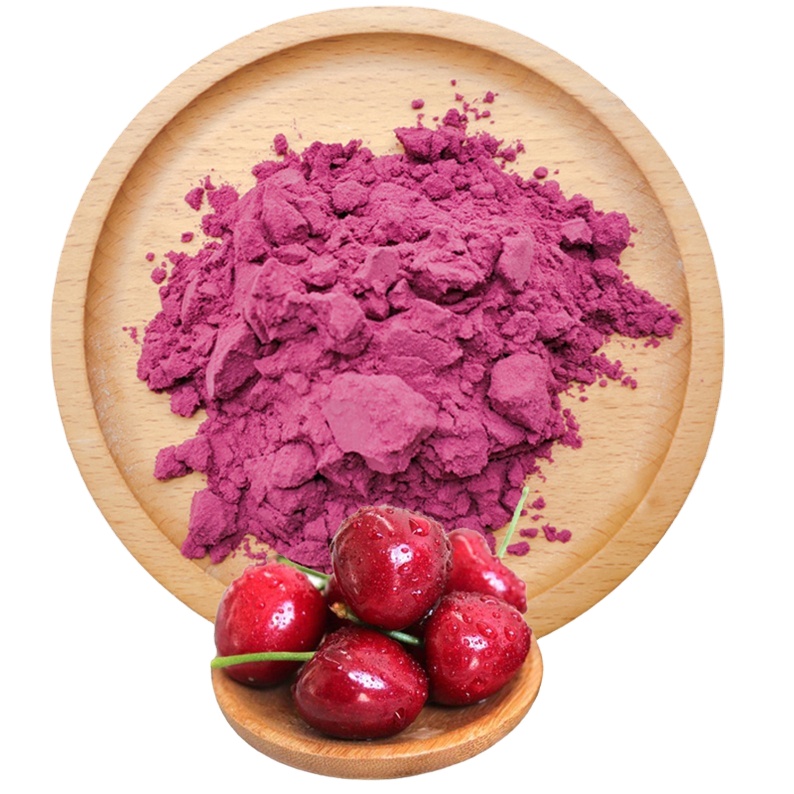
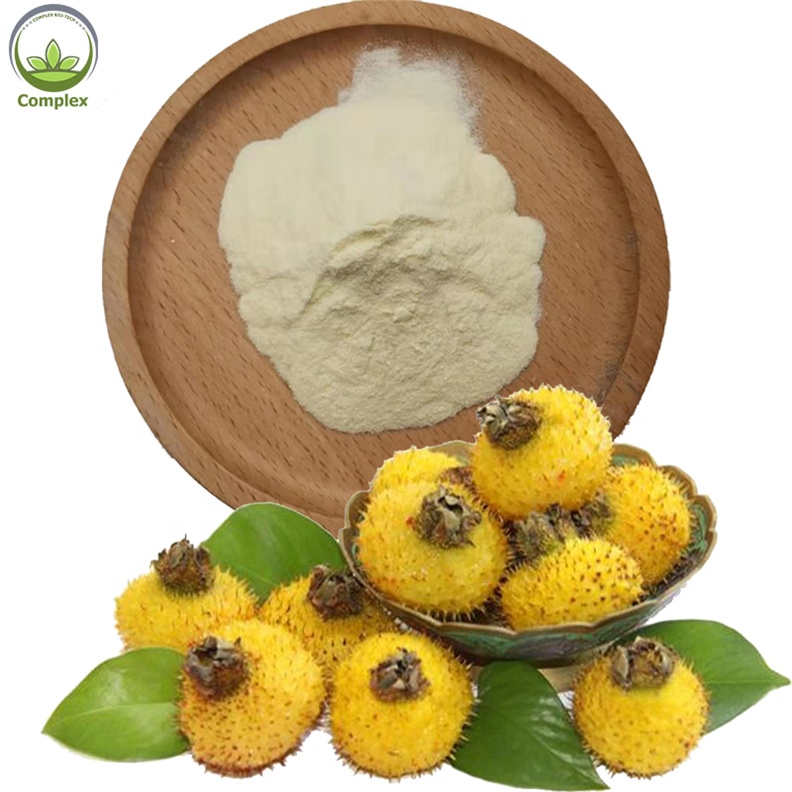
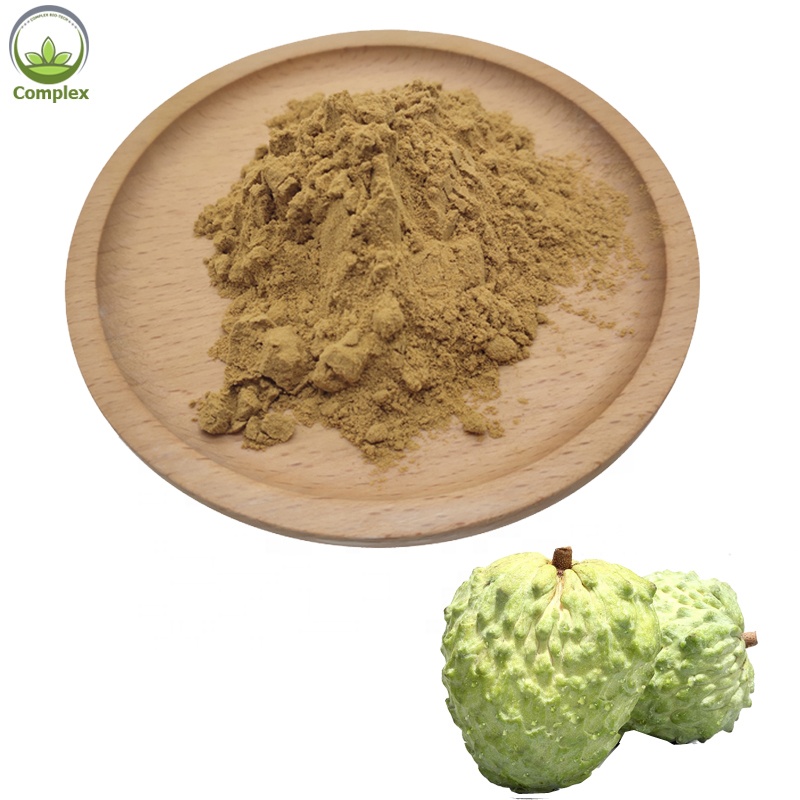
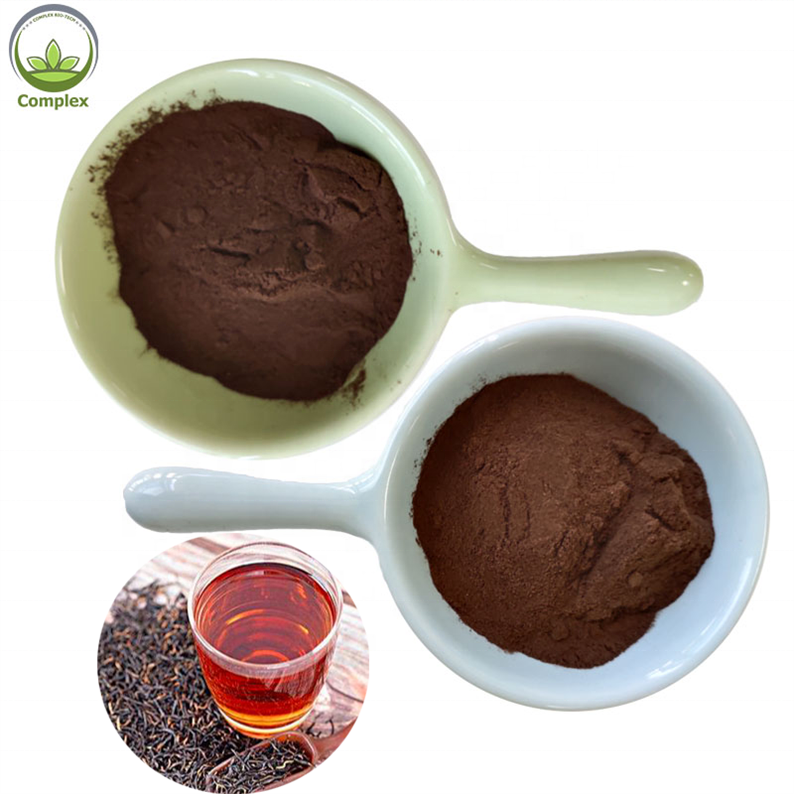
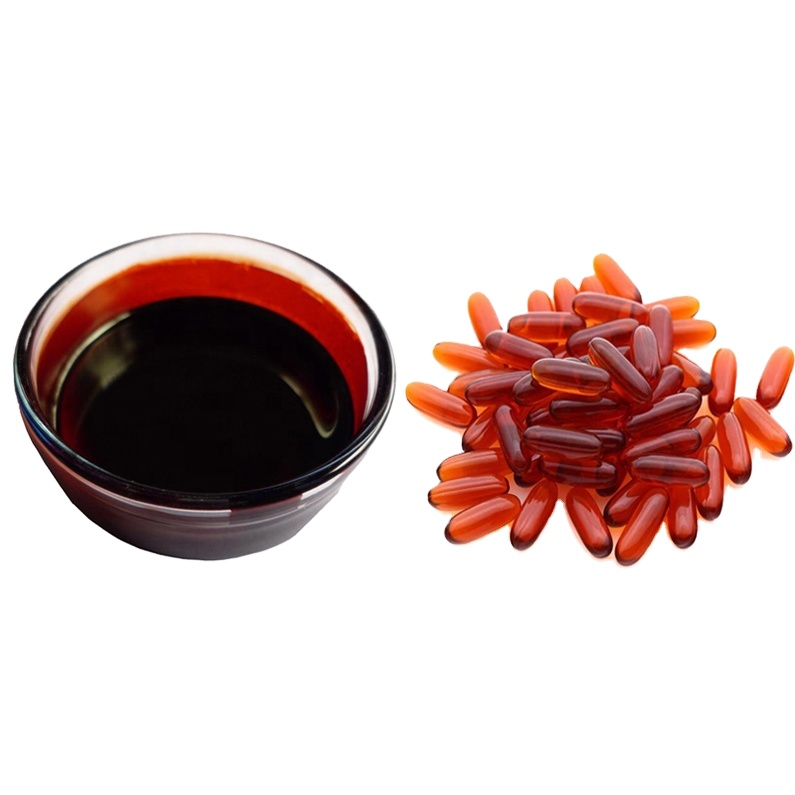
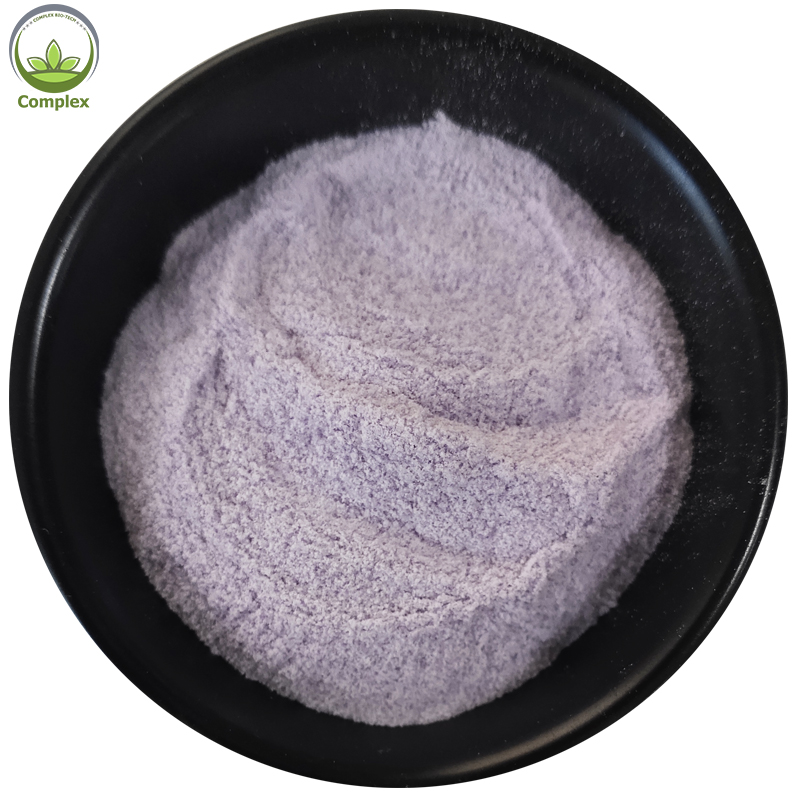
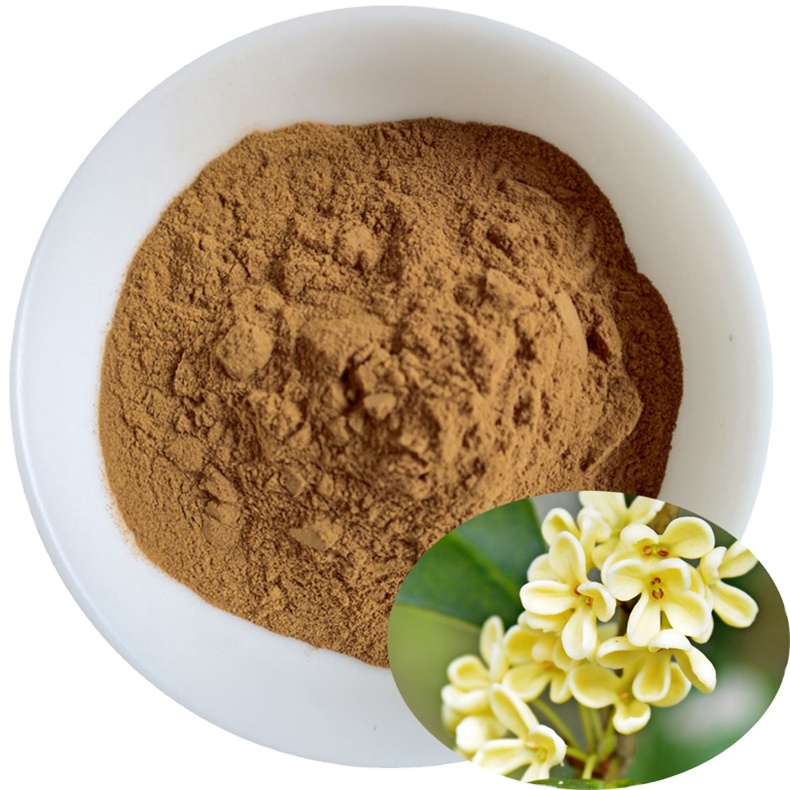
In modern industrial food science and clinical nutrition, the demand for authentic, carrier-free, and high-potency dehydrated botanicals has reached unprecedented heights. Düsseldorf, serving as the commercial capital of North Rhine-Westphalia (NRW) and the heart of the Rhine-Ruhr economic agglomeration, stands as Germany’s central node for food innovation, contract packaging (Lohnherstellung), and organic retail distribution. From the bustling artisan bakeries and plant-based gastronomic laboratories along the MedienHafen to multinational FMCG corporate headquarters in the Lower Rhine region, food technologists require organic vegetable powders and standardized plant extracts that satisfy the most stringent requirements of European food law.
Procuring raw botanical ingredients across international borders requires technical transparency, precise physical properties (such as bulk density, particle granulometry, and reconstitution kinetics), and rigorous analytical validation. Xi'an Sirn Bio-Tech Co., Ltd. provides direct manufacturer support, operating multi-tier extraction lines and advanced lyophilization (freeze-drying) infrastructure. By engineering plant powders specifically compliant with the European Union Regulation (EU) 2018/848 and Commission Regulation (EU) 2023/915 on contaminants, our team bridges the gap between botanical agriculture at origin and precision blending facilities in Düsseldorf, Krefeld, Neuss, and Mönchengladbach.
All botanical fractions and concentrated vegetable powders supplied to industrial clients in North Rhine-Westphalia undergo exhaustive chromatographic verification. We ensure complete absence of ethylene oxide (EtO), 2-chloroethanol, unauthorized synthetic carriers, and irradiation, aligning directly with the monitoring programs of the North Rhine-Westphalian State Agency for Nature, Environment and Consumer Protection (LANUV NRW).
The manufacturing and processing landscape within a 50-kilometer radius of Düsseldorf exhibits distinct technical demands across specialized sub-sectors:
Düsseldorf’s historic brewing heritage and premium artisanal baking sectors increasingly utilize spray-dried purple sweet potato, beet, and roasted barley fractions. Natural anthocyanin and betalain concentrations provide stable, thermo-resistant natural pigmentation without synthetic E-numbers (such as E120 or E129), ensuring visual appeal in functional craft beverages and sourdough goods.
Specialized contract blenders situated in industrial parks around Neuss and Ratingen require free-flowing, non-hygroscopic powders for stick-pack single-dosing and direct hard-gel encapsulation. Standardized mesh sizes (80–120 mesh) prevent machine bridging and electrostatic agglomeration during high-speed rotary tableting and pouch filling.
From the Carlsplatz wholesale markets to vegan convenience producers, manufacturers utilize our enzyme-stabilized, spray-dried organic vegetable juices and soluble powders. Neutralized astringency and optimized dispersibility allow effortless integration into plant-based yogurts, instant dry soup bases, and functional dressings.
The German Federal Ministry of Food and Agriculture (BMEL) continues to spearhead the "Zukunftsstrategie ökologischer Landbau", targeting 30% organic agricultural acreage and consumption by 2030. In Düsseldorf and surrounding metropolitan regions like Cologne and Dortmund, organic market shares have expanded significantly beyond basic kitchen stables into functional foods, sports nutrition, and ready-to-mix health formulations.
Three primary macro trends dominate B2B procurement across the region:
1. Hyper-Focus on Heavy Metal Compliance (Regulation EU 2023/915): German corporate buyers enforce zero-tolerance buffers for lead (Pb), cadmium (Cd), mercury (Hg), and inorganic arsenic (As), particularly in concentrated root vegetable powders like carrots, beets, and ginger. Because plants naturally bio-accumulate soil minerals, source control and batch-specific ICP-MS (Inductively Coupled Plasma Mass Spectrometry) analytics are mandatory prerequisites for goods crossing into German borders.
2. Carrier Transparency & Native Reconstitution: Traditional spray drying often relies on 30% to 50% maltodextrin as an anti-caking or carrying agent. Düsseldorf’s demanding "Bio-Siegel" and clean-label sectors reject high glycemic carriers. The market strongly shifts toward carrier-free vacuum freeze-dried botanical matrices or organic acacia gum/native starch alternatives that maintain physiological integrity and lower osmotic loads.
3. Supply Chain Redundancy and Rapid Customs Dispatch: Operating via Just-In-Time (JIT) manufacturing paradigms, NRW facilities cannot tolerate dock demurrage. Raw material suppliers must issue proactive import clearance packages, including TRACES NT certificate of inspection (COI) filings for organic lots, phytosanitary certificates, non-GMO statements, and accredited third-party lab documentation before maritime or air shipments touch German hubs.
To eliminate variability between pilot formulation and full-scale factory production runs, our manufacturing protocols operate under standardized parameter controls:
| Analytical / Physical Parameter | Standard Commercial Specification | Testing Methodology | Relevance for German Processors |
|---|---|---|---|
| Moisture Content (Loss on Drying) | ≤ 5.0% - 7.0% w/w | Vacuum Oven at 105°C (USP ⟨731⟩) | Inhibits caking; prevents fungal proliferation in silos. |
| Particle Granulometry (Mesh Size) | 80 - 120 Mesh (> 98% pass) | Vibratory Sieve Analysis (EP 2.9.12) | Uniform suspension in beverage mixes; prevents nozzle clog. |
| Heavy Metal Limits (Pb, Cd, As, Hg) | Pb ≤ 0.5 mg/kg, Cd ≤ 0.2 mg/kg, As ≤ 0.5 mg/kg, Hg ≤ 0.05 mg/kg | ICP-MS (DIN EN 15763) | Guarantees legal retail clearance under EU 2023/915. |
| Pesticide Residue Limits | Below LOQ (< 0.01 mg/kg per residue) | LC-MS/MS & GC-MS/MS (Multi-method) | Ensures adherence to EU Organic and BNN guidelines. |
| Microbiological Criteria | Total Plate Count < 10,000 CFU/g, Yeast/Mold < 100 CFU/g, Salmonella absent in 25g | Plate Count / PCR (ISO 4833, ISO 6579) | Fulfills HACCP standards for ready-to-eat dry blends. |
| Water Activity ($a_w$) | ≤ 0.25 - 0.35 | Chilled Mirror Dew Point | Crucial for preserving natural enzymatic and antioxidant activity. |
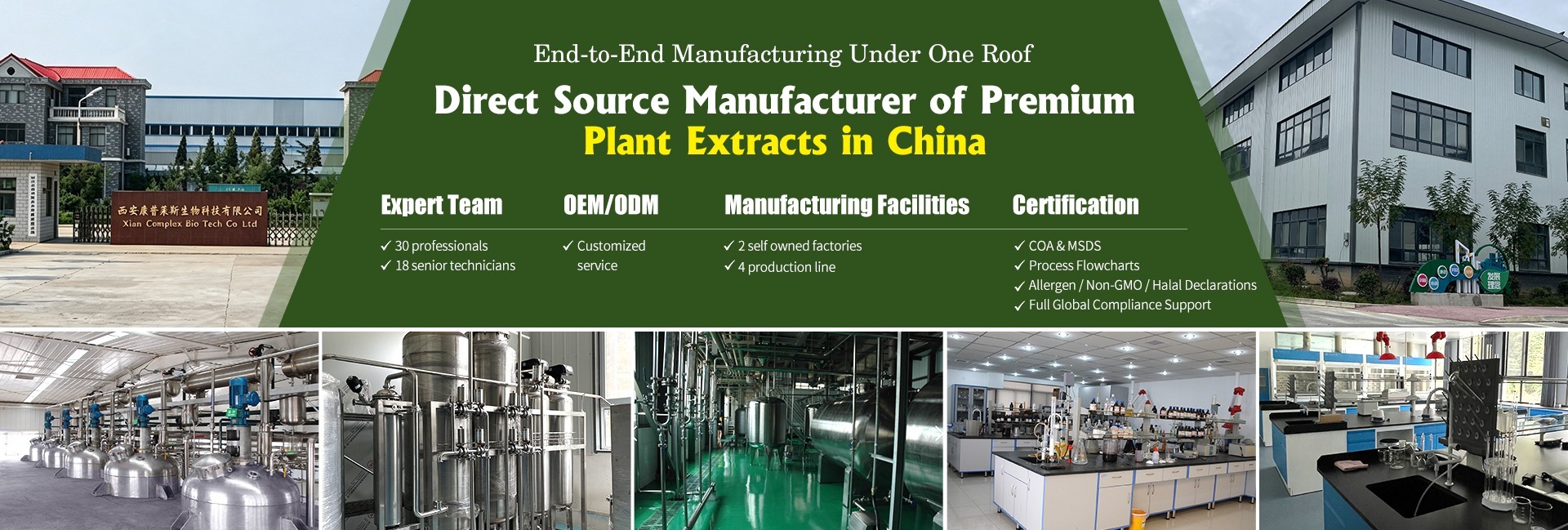
Situated in the heart of China’s premier herbal extraction region in Shaanxi, Xi'an Sirn Bio-Tech Co., Ltd. integrates research-backed botanical extraction with large-scale industrial drying infrastructure. We operate two standardized manufacturing hubs featuring 4 complete automated production lines and 2 flexible pilot scale units, backed by an ISO/GMP certified clean workshop.
Our collaborative research laboratories operated jointly with Xi'an Jiaotong University, Northwest University, and Xi'an University of Science and Technology empower global customers to develop bespoke active ratios, tailored molecular fractions, and custom moisture profiles.
Clear, direct answers addressing the compliance, laboratory, and import questions most frequently raised by German quality assurance teams and supply chain leads.
We operate traceable farming cooperatives under rigorous organic management systems. Every organic batch intended for the German market is issued an electronic Certificate of Inspection (COI) through TRACES NT, validated by accredited certification bodies. Complete testing guarantees zero chemical synthetic fertilization, zero GMO inputs, and no prohibited post-harvest fumigation.
In addition to our in-house HPLC, GC, and atomic absorption verification, we routinely validate composite batch samples with independent ISO 17025 accredited third-party laboratories (such as Eurofins, SGS, or Bilacon in Germany). We verify pesticide screens covering over 500 active compounds to meet strict German BNN (Bundesverband Naturkost Naturwaren) action levels.
For trial orders and urgent R&D batches (1 kg to 50 kg), express air courier delivery to Düsseldorf Airport (DUS) or Cologne Bonn Airport (CGN) typically clears customs within 4 to 7 business days. Commercial volume orders (FCL/LCL) are routed via Rotterdam or Antwerp sea terminals or the direct rail corridor (Chongqing/Xi’an to Duisburg DIT), reaching regional warehouses smoothly.
Yes. We specialize in both vacuum freeze-drying and low-temperature spray drying without synthetic aids. When technological carriers are essential for highly hygroscopic fruit or vegetable fractions, we offer EU-compliant certified organic acacia gum (Gum Arabic) or native organic rice starch as natural alternatives.
Every single shipment arrives with an exhaustive quality documentation pack: Batch-specific Certificate of Analysis (COA), Technical Data Sheet (TDS), Material Safety Data Sheet (MSDS), Process Flow Chart, Allergen Status Declaration, Non-GMO Statement, TSE/BSE Free Certification, and Irradiation-Free Statement.
Yes. Beyond supplying raw bulk powders in 25 kg fiber drums or food-grade vacuum foil bags, our GMP facility supports custom premixes, dry blending, instant beverage granulations, and finished packaging formats including private label stick-packs and sachets with customized fill weights.
Whether you are reformulating a clean-label bakery mix in Düsseldorf, engineering an encapsulated nutraceutical in Neuss, or seeking consistent organic bulk supply, our technical formulation team provides prompt samples and batch COAs within 24 hours.