SirnBIO-TECH Talk to Us
Search by product name, Latin name or CAS number.
Laboratory-verified bio-actives featuring fully auditable HPLC/UV assay data, heavy metal traceability, and technical compatibility tailored for Japanese industrial specifications.
Analyzing procurement dynamics, regional compliance, and why pharmaceutical and functional food producers in Aichi Prefecture prioritize standardized mycological ingredients.
Nagoya serves as the logistical and research epicenter of the Chubu industrial region. Local manufacturers require raw functional mycological inputs that integrate seamlessly into high-throughput encapsulation, sterile bottling, and instant beverage packaging lines without clogging automated machinery or fluctuating across lots.
Japan’s Ministry of Health, Labour and Welfare (MHLW) strictly dictates maximum residue levels for agricultural chemicals, radiation limits, and microbial tolerances. Exporters must provide comprehensive analytical assays confirming zero adulteration, carrier traceability, and absence of heavy metals like Arsenic, Cadmium, and Lead.
The Japanese functional beverage sector relies on clinically measurable efficacy. Whether targeting adaptogenic immune balance via Polysaccharides ≥30% or stress relief through bioactive beta-glucans, formulators demand transparent testing sheets verified via high-performance liquid chromatography (HPLC).
A rigorous comparative analysis of supply-chain capabilities, testing transparency, extraction technology, and localization support for Aichi and Kansai-adjacent manufacturers.
Specialization: Standardized Fungal Extracts (Cordyceps, Reishi, Chaga, Lion's Mane), Cosmetic Blue Peptides, Spray-Dried Synergistic Fruit Matrices.
Operating from the Qinling herbal hub in Shaanxi, Sirn Bio-Tech pairs source-direct harvest operations with joint university laboratories (Xi'an Jiaotong University, Northwest University). The facility operates 4 continuous production lines, 2 specialized pilot lines, and an integrated GMP extraction workshop. With verified in-house HPLC, UV, and GC analytical hardware, the company tests every shipment for identity, heavy metals, residual solvents, and precise active compound assays. Standardized low minimum orders (1 kg pilot volume) and rapid sample dispatches uniquely cater to Nagoya formulators moving from lab testing to high-volume commercial runs.
Competitive Advantage: Source transparency, 2-hour technical consultation turnaround, customized mesh tailoring (80–120 mesh), fully compliant export documentation for Japan Customs and MHLW quarantine.
Specialization: Certified organic mushroom extracts derived exclusively from 100% pure fruiting bodies.
Known globally for strict mycelium vs. fruiting body definitions, providing validated ergosterol and beta-D-glucan testing using Megazyme assays. Favored by high-end Japanese dietary supplement brands focusing strictly on pure fruiting body claims, though price points and trans-Pacific freight schedules represent operational variables for quick-turnaround Nagoya production.
Specialization: Large-scale traditional herbal extracts and active pharmaceutical ingredients (APIs).
Leverages extensive historical trade relationships with Japanese pharmaceutical giants. Well-equipped with automated manufacturing pipelines suitable for container-load botanical imports into Nagoya and Osaka ports, though rigid multi-ton batch thresholds frequently restrict smaller R&D trials.
Specialization: Myceliated grain biomass, specialized fungal genetics, and eco-centric mycelial formulations.
Renowned in Western functional lifestyle channels, supplying custom multi-strain mycelium blends. However, Japanese regulatory requirements surrounding starch fillers and polysaccharide definitions often necessitate specific testing protocols prior to clearing customs in Aichi.
Specialization: Botanical tea blends, standardized herbal compounds, and functional extracts.
Offers pristine European QA/QC infrastructure and sustainability tracing. Their botanicals are heavily featured in premium Japanese ready-to-drink (RTD) teas, with mushroom extract lines providing high solubility, supported by comprehensive pesticide multi-residue analysis screens.
Specialization: High-yield standardized polysaccharides, bulk Chaga, and Reishi concentrates.
Serves commercial contract packers throughout East Asia with flexible ingredient solutions. Operates well in bulk delivery channels, offering standard ratio extracts suited for generalized encapsulation and tableting applications.
Specialization: Water-soluble adaptogenic extracts designed specifically for functional RTD beverages.
Specializes in clean-label botanical ingredients engineered for clarity, sensory neutrality, and instant cold-water dispersion. Well-matched for Nagoya beverage innovators, backed by thorough shelf-stability analytics.
Specialization: Ocean-freight bulk distribution of edible and medicinal fungi powder.
Focuses on port-to-port maritime shipping efficiency from Northern China to Nagoya Port. Primarily handles large volume Shiitake, Maitake, and Auricularia raw powders aimed at industrial seasoning and food processing processors.
Specialization: Patented Maitake fraction extracts (D-fraction, MD-fraction).
Recognized for clinical human studies focused on specialized immunological fractions. Provides proprietary, research-dense fungal extracts favored by medical practitioners and institutional clinics across Tokyo and Nagoya.
Specialization: Polyphenol and polysaccharide isolation through industrial chromatography.
Strong technical engineering capacity focusing on natural polyphenol fractions and mushroom triterpenoids. Meets technical requirements for high-purity functional supplements across global industrial accounts.
How raw medicinal mushroom extracts integrate directly into Aichi's leading production lines—from instant functional drinks to dermocosmetics.
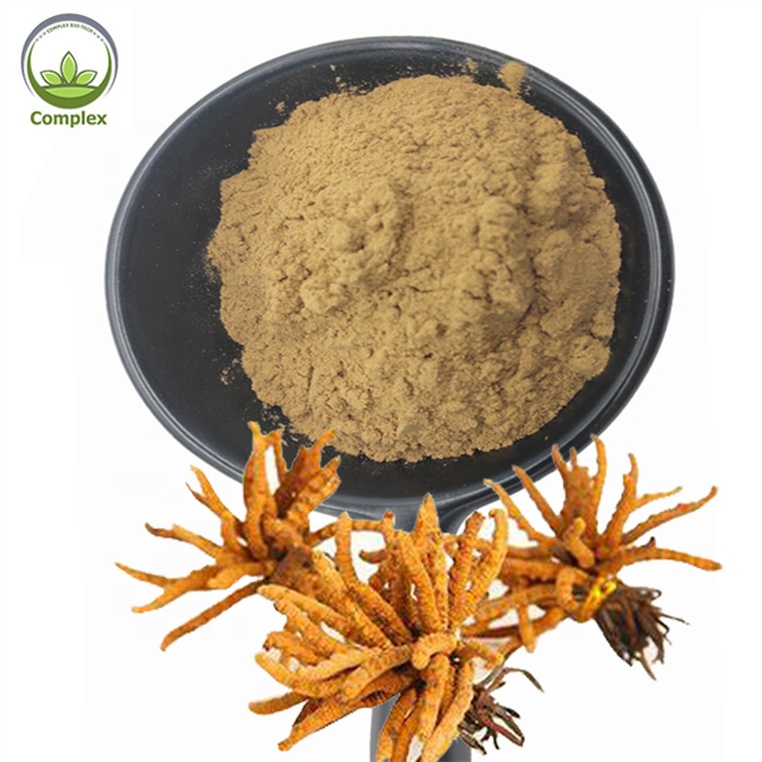
Chubu consumer lifestyles drive significant demand for instant functional beverages. Utilizing spray-dried Cordyceps sinensis & Chaga extract powders yields instant water solubility with zero gritty residue or cloudiness. These active matrices seamlessly blend into micro-ground roasted coffee and hojicha powders, providing anti-fatigue benefits without altering the delicate flavor profiles expected by local consumers.
Cosmetics laboratories in the Nagoya region increasingly harness high-purity Tremella fuciformis and Inonotus obliquus (Chaga) for hydrating essences and barrier-repair creams. Tremella’s high-molecular polysaccharides mimic hyaluronic acid's water retention while delivering natural polyphenols. When combined with peptide actives such as Blue Copper Peptide GHK-Cu, formulators achieve dual skin regeneration and cellular defense.
With Japan leading global demographic aging, preventative cognitive supplements occupy major retail space. Standardized Lion’s Mane (Hericium erinaceus) extracts containing concentrated hericenones and erinacines are encapsulated in hard vegetarian capsules to stimulate nerve growth factor (NGF) synthesis, providing transparent clinical positioning under national health food frameworks.
Critical macro patterns and technological developments shaping botanical procurement through 2026 and beyond.
Japanese consumers display unmatched vigilance regarding chemical additives. Modern production lines are replacing traditional chemical solvent extraction with ultrasonic-assisted and multi-stage enzymatic water extraction. This preserves delicate polysaccharides and beta-glucan structural integrity while guaranteeing completely clean label declarations free from detectable solvent residues.
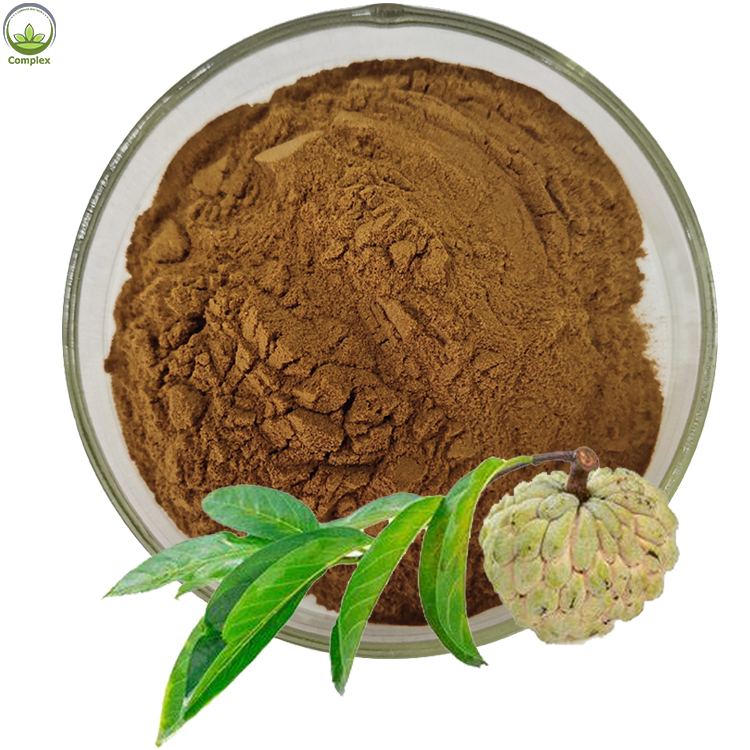
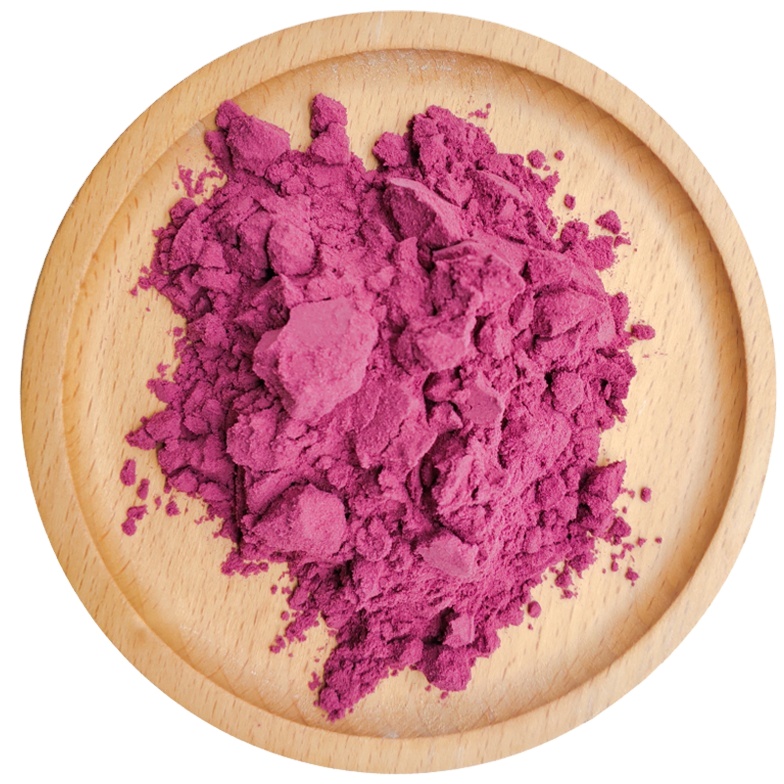
Product development engineers across Aichi are turning away from single-ingredient formulations toward multi-botanical synergies. Combining functional mushrooms (e.g., Cordyceps) with anthocyanin-dense carriers like Organic Purple Sweet Potato Powder or Pure Natural Graviola/Guava Leaf Extracts stabilizes active ingredients while naturally improving dispersion and visual presentation.
Stringent regulatory scrutiny by Japanese import quarantine offices requires verifiable field-to-extract audit trails. Importers demand traceable sourcing down to the specific substrate medium (e.g., wild birch vs. cultivated wood logs), requiring comprehensive documentation for species authentication, spore harvesting, and drying protocols.
Combining the ecological wealth of the Qinling Mountains with university-grade analytical research to serve discerning Japanese manufacturing hubs.
Through direct partnerships with Xi'an Jiaotong University, Northwest University, and Xi'an University of Science and Technology, Sirn Bio-Tech maintains cutting-edge extraction yields and rigorous molecular identification protocols, ensuring steady advancement from preliminary lab testing to pilot scale runs.
Our testing center houses state-of-the-art HPLC, Gas Chromatography (GC), and UV-Vis spectrophotometers. We quantify active markers like cordycepin, polysaccharides, and icariin while verifying zero contamination from pesticide residues, residual solvents, or microbiological pathogens before issuing batch COAs.
With an accessible 1 kg MOQ for standard raw powders, 18 dedicated mid-to-senior technical personnel, and a 99% inquiry response rate (typically under two hours), we remove supply friction for R&D teams navigating tight product launch timelines.
Addressing core technical, regulatory, and logistical considerations for exporting to Japanese industrial destinations.
Every commercial batch is screened against the MHLW Positive List System for multi-pesticide residues. By controlling our botanical raw supply chains in the Qinling region and implementing clean-water dynamic extraction without toxic additives, our powders consistently pass standard quarantine border inspections at Nagoya Port (Chubu Centrair/Nagoya Port terminals).
We deploy High-Performance Liquid Chromatography (HPLC) for specific low-molecular marker quantification (such as cordycepin in Cordyceps militaris/sinensis) and enzymatic UV-Vis spectrophotometry for total polysaccharide assay determinations. Certificates of Analysis (COA) specifying instrument conditions accompany every shipment.
Yes. Automated Japanese processing lines require free-flowing, non-clumping powder characteristics. We can engineer mesh sizing from standard 80 mesh up to ultra-fine 120–200 mesh through micro-milling and vacuum drying, ensuring seamless dispersion in ready-to-drink formulations or high-speed capsule fillers.
To support formulator trial batches and quality stability validation, our baseline MOQ for standard in-stock extract powders starts at just 1 kg, packaged in double-lined PE food-grade aluminium foil barrier bags. Commercial production runs are packed in 25 kg fibre drums, with custom OEM/ODM packaging (such as private-label instant drink sachets) typically starting at 500 units.
We provide full regulatory packages including Batch-Specific Certificate of Analysis (COA), Technical Specification Sheets, Material Safety Data Sheets (MSDS), Manufacturing Flow Charts, Non-GMO & Allergen Declarations, and BSE/TSE-Free Certificates. Certified third-party testing (e.g., heavy metal screens via ICP-MS) can also be arranged upon request.