100% Water Soluble
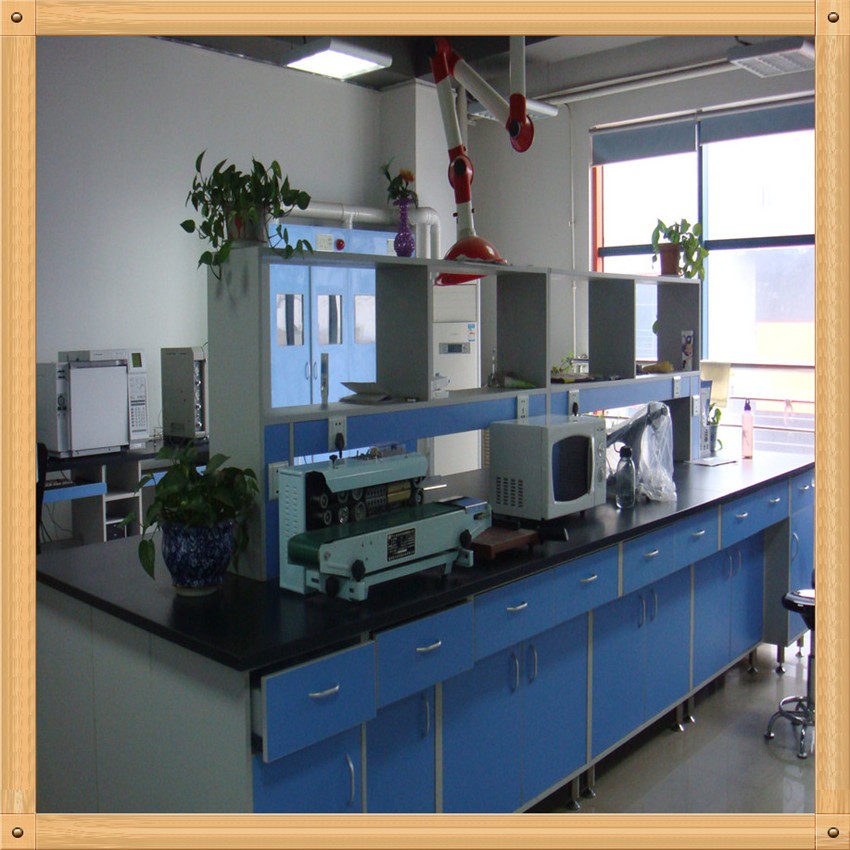
Every batch is verified through in-house HPLC/GC/UV testing, fully compliant with EU pesticide regulations, heavy metal limits, and microbiological standards.
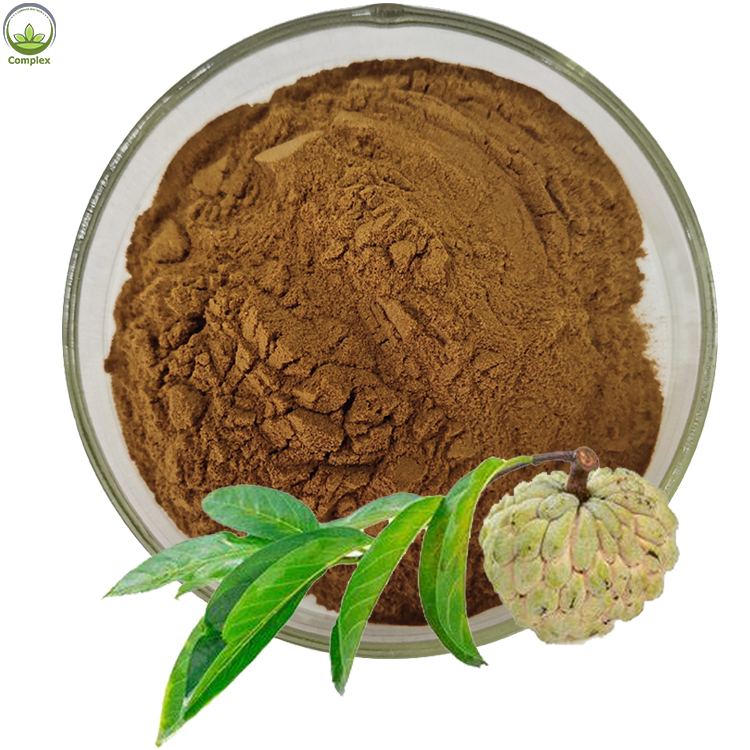
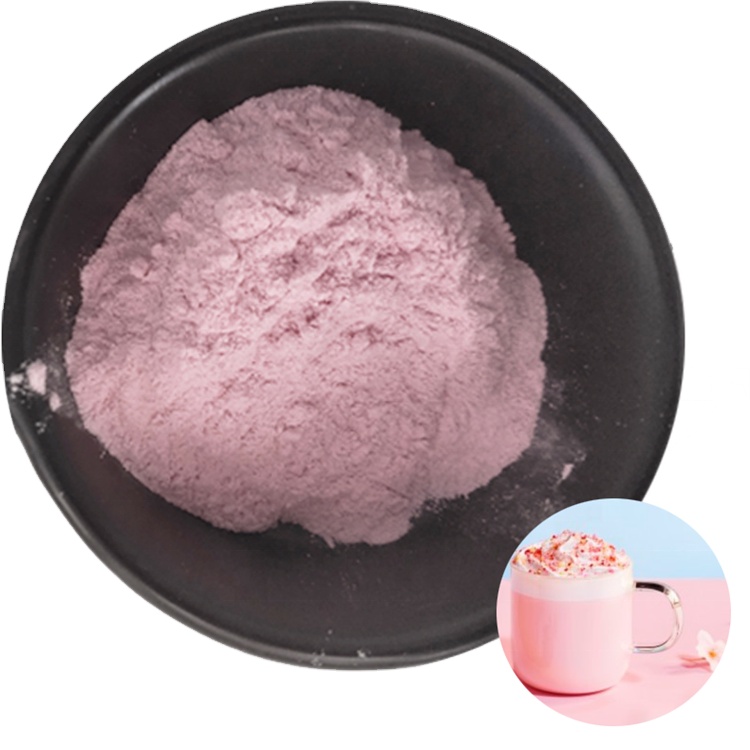
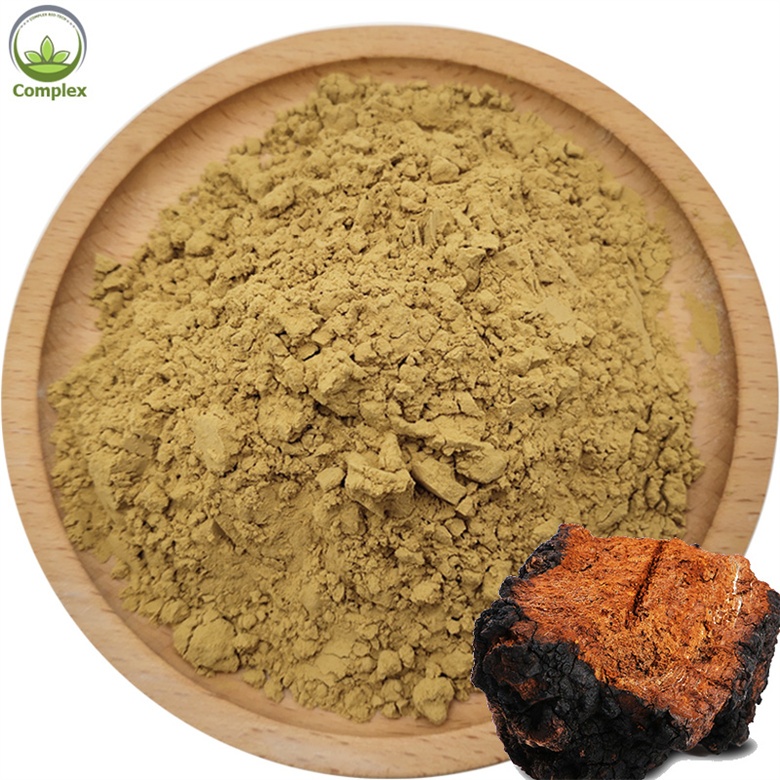
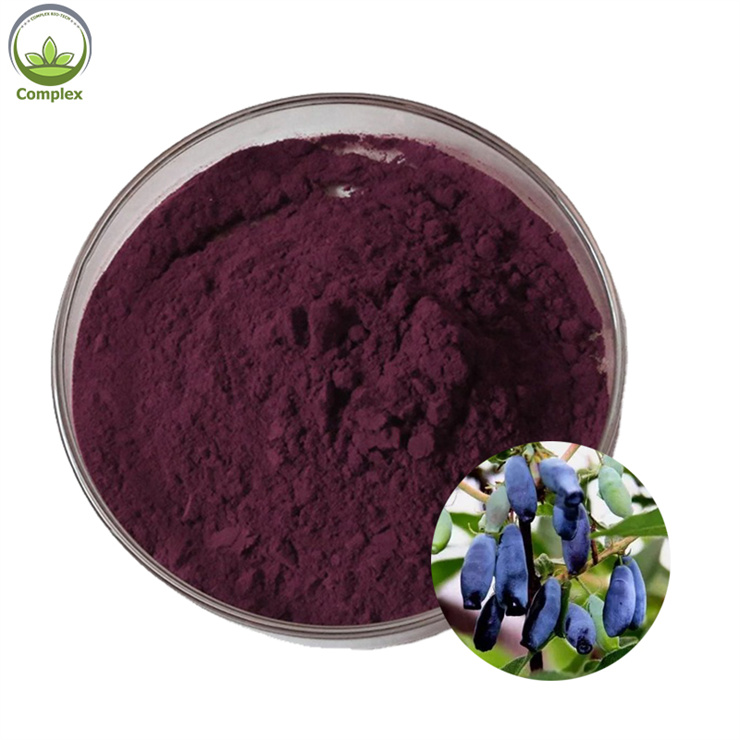
An analytical overview for French procurement directors, plant managers, and R&D formulators across Brittany, Nouvelle-Aquitaine, and the Île-de-France agro-industrial corridors.
The demand for high-density, nutrient-preserved vegetable and botanical powders across France has experienced an unprecedented structural surge. While domestic agricultural processors in regions such as Brittany and Auvergne-Rhône-Alpes provide regional dehydrated bases, French manufacturers are increasingly relying on specialized primary extraction and dehydration factories capable of delivering precision particle sizing (80 to 200 mesh), verified active phytochemical levels (e.g., standardized polyphenols, natural carotenoids, betalains), and ultra-low moisture parameters (≤ 5.0%) without microbiological degradation.
Procuring vegetable powders for the French market requires deep navigation of strict national and European Union frameworks. French authorities—notably the DGCCRF (Direction générale de la concurrence, de la consommation et de la répression des fraudes) and ANSES (Agence nationale de sécurité sanitaire de l'alimentation, de l'environnement et du travail)—enforce some of the world's most stringent thresholds regarding pesticide residues (Regulation EC No 396/2005), heavy metals (lead, cadmium, mercury under EC No 1881/2006), polycyclic aromatic hydrocarbons (PAH4), and the complete absence of unauthorized sterilizing agents such as Ethylene Oxide (EtO). Consequently, leading French food brands, nutricosmetic labs, and functional soup blenders require global primary processors that combine raw agro-asset scale with pharmaceutical-grade university analytics.
How spray-dried and freeze-dried vegetable and botanical powders drive product development across France's core manufacturing sectors.
French industrial soup and bouillon producers demand 80-mesh, cold-water-dispersible dehydrated carrot, spinach, pumpkin, and purple sweet potato powders that retain natural aroma and visual brilliance without synthetic thickening agents, enabling clean labels and high Nutri-Score rankings (A & B ratings).
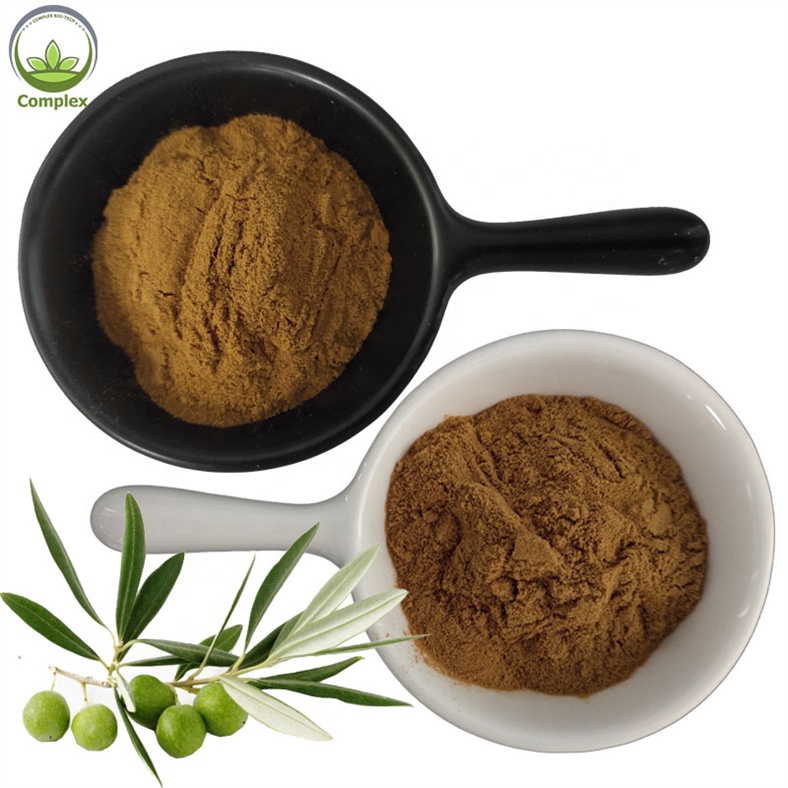
Formulators in the Vendée and Lyon pharmaceutical corridors utilize high-potency standardized botanical and vegetable extracts (e.g., olive leaf oleuropein, dihydroquercetin, chaga beta-glucans) for stick packs, two-piece hard capsules, and effervescent tablets compliant with the French Synadiet regulatory guide.
Parisian and regional industrial bakeries replace synthetic food colorants (E-numbers) with micronized botanical pigments: purple sweet potato for rich violets, beetroot for vibrant pinks, and butterfly pea or spinach for vivid greens that endure high oven temperatures without browning or off-flavors.
Laboratories across the French Cosmetic Valley (Chartres, Orléans, Paris) integrate ultra-micronized botanicals (rose powder, olive extract, cosmetic-grade pearl) into clay masks, waterless powder cleansers, and organic face serums complying with ISO 16128 natural origin indexes and COSMOS standard audits.
French premium veterinary and pet food formulators in western France incorporate cold-processed vegetable fibers, honeysuckle flavonoids, and adaptogenic mushroom powders to replace synthetic antibiotics and boost the gut immunity of livestock and companion animals naturally.
Anticipating regulatory updates, customer expectations, and technical benchmarks across the French Republic.
With France updating its Nutri-Score calculation algorithms to penalize hidden sugars and ultra-processed additives, food processors utilize nutrient-dense vegetable powders as fiber-rich functional bulkers that improve front-of-pack nutritional grades.
Following major European recalls regarding Ethylene Oxide contamination, French QA auditors enforce strict gas chromatography testing (LOD < 0.01 mg/kg) on every imported botanical container to guarantee safety and full traceability.
French consumers avoid titanium dioxide and artificial colorants. Exporters that provide stable, heat-tolerant, freeze-dried vegetable pigments are replacing synthetic food dyes across dairy desserts, plant yogurts, and extruded snacks.
French pilot projects and artisanal labs require rapid sample validation with commercial MOQs starting at 1 kg, backed by pilot plant scaling capability that scales up to 25 kg fiber drums and full container loads (FCL) without quality variation.
| Drying / Extraction Technology | Moisture Range | Nutrient & Thermolabile Retention | Solubility / Reconstitution | Primary Industrial Use in France |
|---|---|---|---|---|
| Freeze-Drying (Lyophilization) | ≤ 3.0% | > 96% Bioactives preserved | Instant porosity, cold water | Premium infant nutrition, gourmet pastry, high-end serums |
| Low-Temp Vacuum Spray Drying | ≤ 5.0% | 85% – 92% Bioactives preserved | Complete dissolution (80–100 mesh) | Instant soup blends, beverage mixes, sauce seasoning bases |
| Dynamic Ultrasonic / Hydro-Ethanolic | ≤ 5.0% | Standardized marker molecules (HPLC) | Custom polarity (water or oil soluble) | Capsules, phytotherapy galenics, anti-aging active cosmetics |
Headquartered in Xi'an—the origin of China's botanical trade routes and proximate to the Qinling Mountains' immense herbal reservoir—Xi'an Sirn Bio-Tech Co., Ltd. bridges pristine natural harvesting with cutting-edge university research.
Clear, compliance-backed answers covering customs tariffs, safety documentation, minimum order quantities, and quality assurance.
Partner directly with an R&D-driven primary manufacturer. Send us your target vegetable powder specification, active assay criteria, or pilot volume requirement, and receive a formal technical quotation with batch COA within 2 hours.