SirnBIO-TECH Talk to Us
Search by product name, Latin name or CAS number.
Precision-extracted botanical active ingredients backed by HPLC/UV/GC validation, GMP manufacturing, and batch-specific Certificates of Analysis.
Bridging traditional botanical resources with state-of-the-art separation science to solve dissolution, bioavailability, and assay stability challenges.
Our in-house analytics suite eliminates supply vulnerability. Every batch is rigorously fingerprinted for marker assay content, volatile compounds, residual solvents, and polycyclic aromatic hydrocarbons (PAHs).
In strategic alliance with Xi'an Jiaotong University, Northwest University, and Xi'an University of Science and Technology, we develop proprietary targeted extraction algorithms, solvent recycling protocols, and novel stabilization carriers.
From customizable mesh sizing (80 to 200 mesh) to spray drying, freeze drying, and instant granulation, we engineer formulas tailored directly to hard capsules, ready-to-drink premixes, functional tablets, and cosmetic emulsions.
The global botanical extracts landscape is undergoing a structural paradigm shift. Where legacy supply chains prioritized bulk volume and basic TLC (thin-layer chromatography) identification, the modern phytopharmaceutical and nutraceutical industries demand strict chemical characterization, clear pharmacological mechanism validation, and sustainable green manufacturing practices. Sourcing directors and formulation scientists increasingly look toward certified OEM/ODM manufacturers capable of delivering batch-to-batch chemical equivalence.
Historically, botanical extracts were traded as generalized ratio products (e.g., 4:1, 10:1, or 20:1). While useful for basic concentrating effects, crude ratios fail to quantify active pharmacological markers and often allow significant batch variance due to harvest seasons, soil composition, and geographical phenotypes. Modern regulatory landscapes, dictated by the USP, European Pharmacopoeia (Ph. Eur.), and FDA 21 CFR Part 111, mandate standardized active compound percentages.
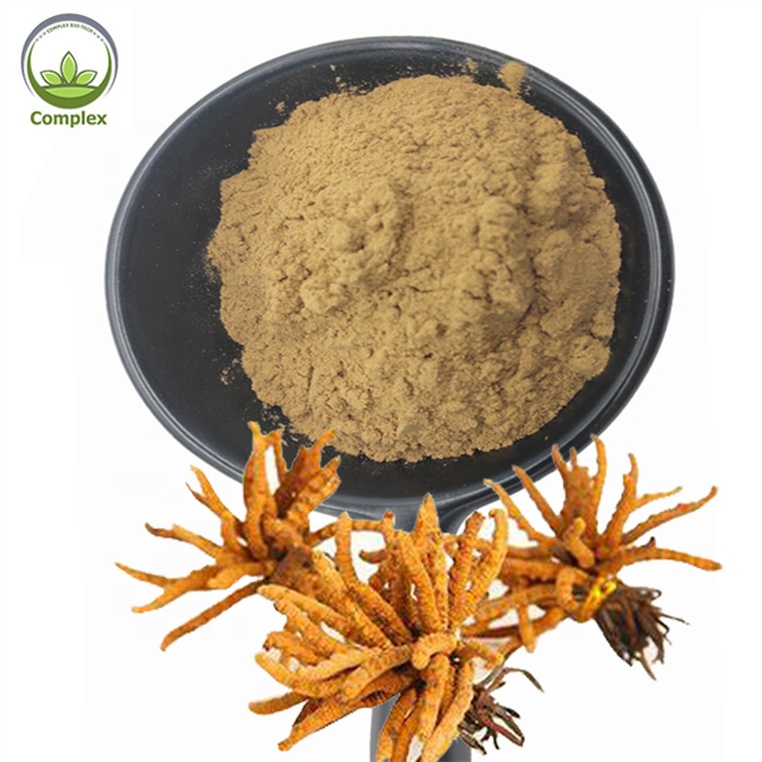
Whether measuring icariin in Epimedium, cordycepin and polysaccharides in medicinal fungi, polyphenols in Rosa canina, or anthocyanins in Vaccinium species, our standard manufacturing protocols deploy high-performance liquid chromatography (HPLC) and gas chromatography (GC) to guarantee exact constituent profiles. This molecular control directly reduces production variance for contract manufacturers and brand owners.
Thermal degradation has historically been the primary obstacle in processing heat-sensitive botanicals such as Vitamin C from Acerola or delicate pigment-antioxidants like Astaxanthin. Standard thermal boiling extraction compromises bioactivity, yields oxidized fractions, and alters the natural sensory profile.
To overcome this, modern production facilities leverage low-temperature vacuum continuous countercurrent extraction, ultrasonic-assisted cavitation, and supercritical CO2 technologies. Ultrasonic extraction disrupts cellular plant matrices within milliseconds under ambient temperatures, dramatically enhancing solute mass transfer while preserving thermolabile structures. Concurrently, vacuum membrane concentration and advanced macroporous resin adsorption isolate active constituents without leaving persistent organic solvent residues.
Procuring raw botanical ingredients involves complex supply chains vulnerable to geopolitical tensions, climate events, and regulatory audits. Savvy procurement teams have shifted from spot-market transactional buying toward direct strategic manufacturer alliances that offer verifiable upstream traceability. Key procurement requirements now include:
Market demand is expanding rapidly beyond single-herb supplements into cross-category hybrid formulations. Functional mushroom extracts (Chaga, Reishi, Cordyceps, Lion's Mane) are widely integrated into functional roasted coffee powders, adaptogenic drink sachets, and nootropic drink mixes. In the personal care domain, cosmeceutical developers combine natural bio-ferments and standardized botanicals with synthetic biomimetic peptides, such as Copper Tripeptide-1 (GHK-Cu), creating high-performance hybrid skincare lines. As an integrated OEM/ODM partner, our facility supports customized matrix blending, micronization, and private-label packaging to meet these evolving consumer preferences.
Answers to technical, regulatory, and supply-chain inquiries commonly addressed by our analytical laboratory and export compliance department.
Every commercial order is dispatched with a lot-specific Certificate of Analysis (COA) reflecting testing conducted via HPLC, UV, or GC. Additional documentation—including Material Safety Data Sheets (MSDS), Technical Data Sheets (TDS), Process Flowcharts, Allergen Disclosures, and Non-GMO statements—is provided prior to delivery to support your regulatory dossiers.
Transitioning from a 500g pilot sample to a 10-ton production run frequently exposes dissolution, bulk density, and compressibility differences. Our plant operates 4 full-scale lines alongside 2 specialized pilot lines. This configuration enables us to replicate commercial temperature profiles, vacuum pressures, and spray-drying spray-nozzle geometries on a trial basis, ensuring formulation stability.
Yes. As a primary OEM/ODM manufacturer, we can standardize markers to precise customer specifications (e.g., Epimedium 10% to 98% Icariin). Furthermore, while maltodextrin is common across the sector, we supply carrier-free extracts, organic maltodextrin, or specialized alternatives like acacia gum and tapioca starch upon request.
To support ongoing R&D and pilot programs, our MOQ for catalog botanical extracts starts at 1 kg, packaged in double-sealed aluminum foil bags. Bulk industrial supply is delivered in 25 kg fiber drums with food-grade double polyethylene inner linings. Custom sachet packaging and customized bulk containers are also supported for turnkey OEM projects.
Whether formulating a standardized dietary supplement, an instant functional adaptogenic blend, or high-potency cosmetic actives, our analytical chemists and formulation engineers are ready to support your technical specifications.
Get a Quote