Active Phenolics
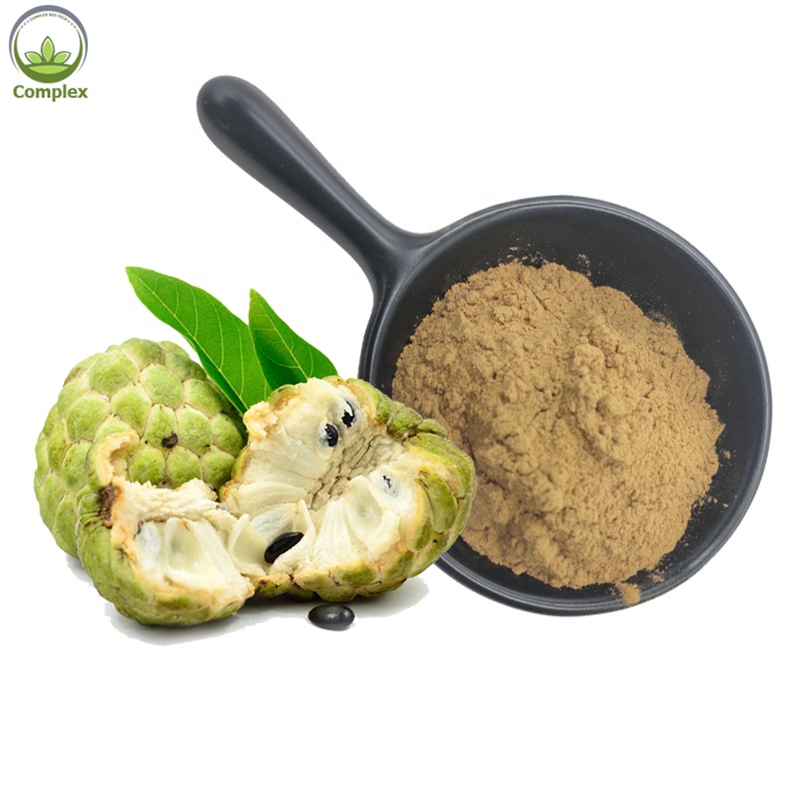
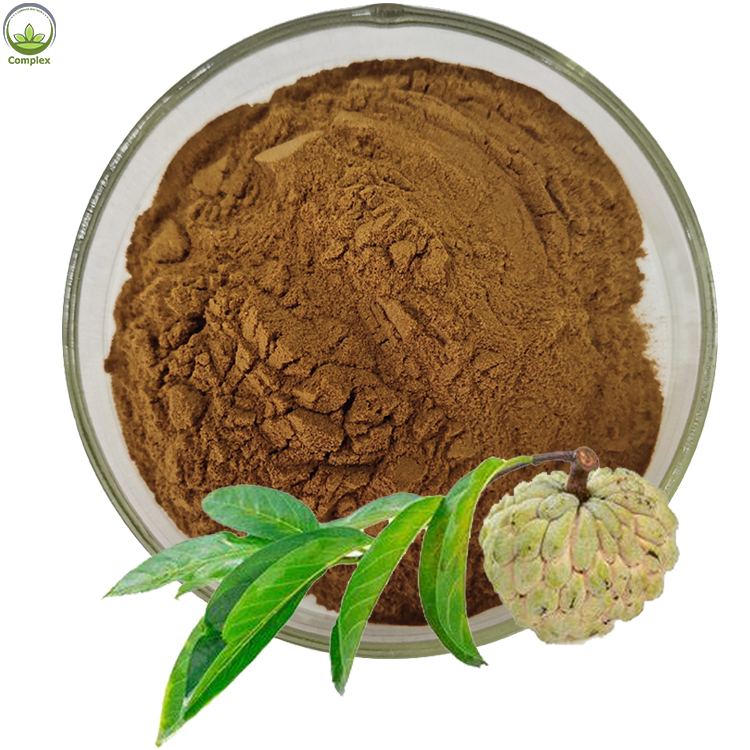
Factory Supply Pure Natural Graviola Leaf Extract Guava Leaf Extract
- Marker: Annonaceous Acetogenins
- Specification: 10:1 / 20:1 / Custom
- Mesh Size: 80–100 Mesh Fineness
Direct extraction, certified batch tracking, and full analytical testing (HPLC/UV/GC). Select an ingredient profile below or submit custom specifications for OEM contract development.
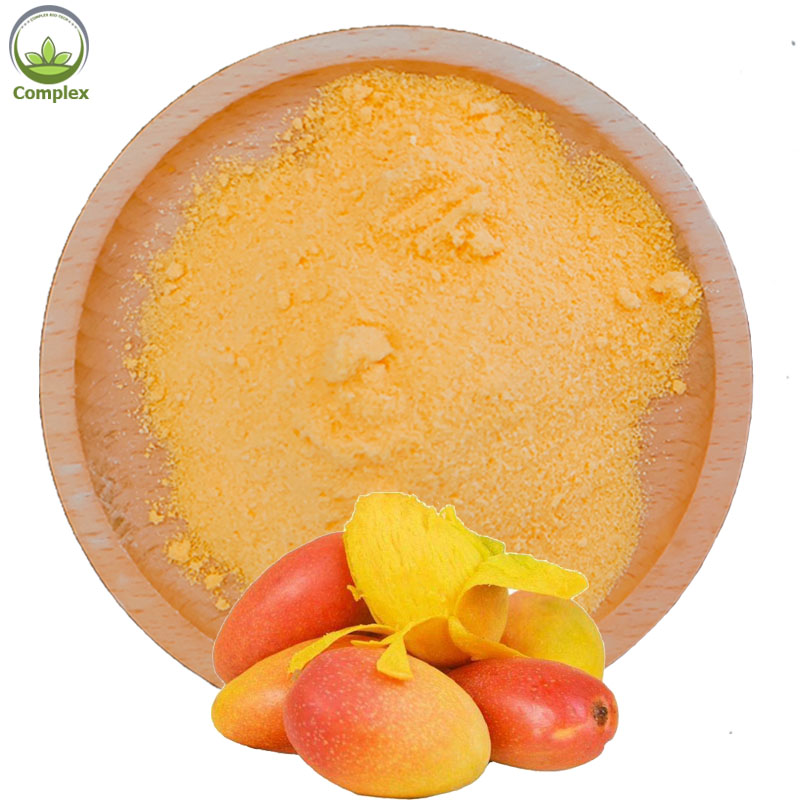
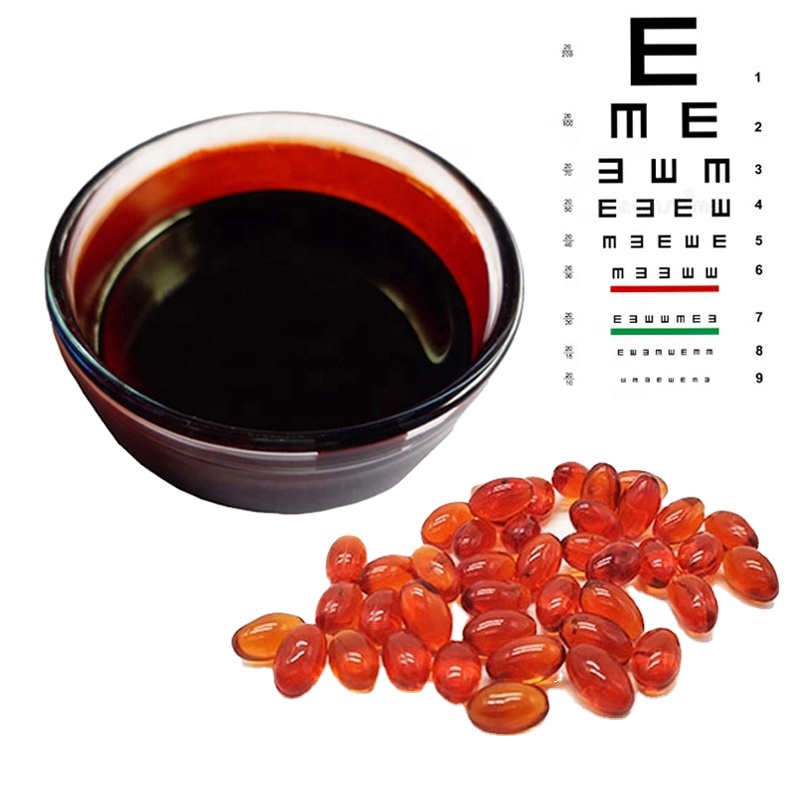
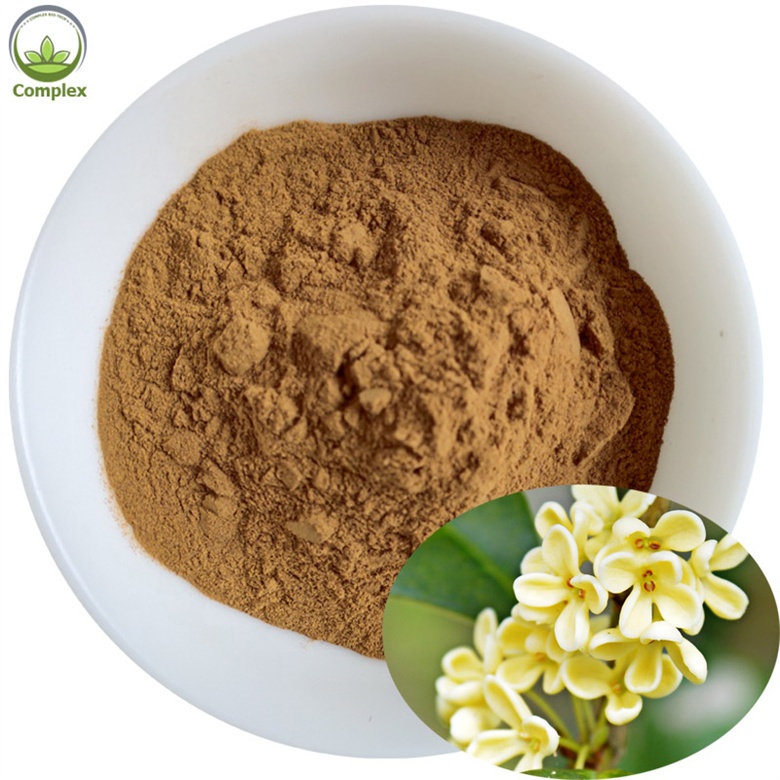
The global market for food-grade plant extracts has evolved beyond rudimentary extraction ratios into an exacting discipline of phytochemistry, metabolic profiling, and validated safety dossiers. Valued at over $38 billion in 2024 and expanding at an annual CAGR exceeding 8.4%, this shift is governed by clean-label mandates, non-synthetic nutraceutical regulations (such as FSMA Title 21 CFR Part 111 and EFSA Article 13.1), and consumer pressure for authentic functional ingredients.
Enterprise procurement executives no longer base vendor qualification merely on price-per-kilogram. Quality assurance directors demand validated fingerprinting techniques (High-Performance Liquid Chromatography - HPLC, Gas Chromatography-Mass Spectrometry - GC-MS, and Quadrupole Time-of-Flight mass detectors) to verify phytochemical fidelity and exclude synthetic spiking, adulteration, or residual solvents like chlorinated hydrocarbons.
| Manufacturer / Regional Cluster | Core Botanical Specializations | Standard Testing Protocol | Production Throughput | Regulatory Compliance |
|---|---|---|---|---|
| Xi'an Sirn Bio-Tech Co., Ltd. (China) | Standardized Active Extracts, Polyphenols, Fruit/Veg Powders | In-house HPLC, GC, UV, ICP-MS (Heavy Metals) | 2 Factories, 4 Industrial Lines, 2 Pilot Lines | GMP, COA/Batch, Halal, Kosher |
| Indena S.p.A. (Italy) | Pharmaceutical & Food Grade Standardized Phytocomplexes | NMR Fingerprinting, HPLC-MS/MS | Multi-ton European extraction hubs | EU cGMP, US-FDA Audited |
| Naturex (Givaudan Group, France) | Natural Coloring, Rosemary Antioxidants, Specialty Actives | Spectrophotometry, High-Resolution GC | Global multi-continental plants | FSSC 22000, ISO 9001 |
| Martin Bauer Group (Germany) | Herbal Infusions, Botanicals, Decaffeinated Teas | Pesticide Screening (>500 analytes), HPLC | Over 40,000 MT raw botanical processing | GMP Certified, Non-GMO Verified |
| Sabinsa Corporation (India/USA) | Curcuminoids, Black Pepper Actives, Standardized Glycosides | LC-MS/MS, Microbiological Validation | R&D Centers across USA, India, Japan | USP-NF Monograph Compliant |
| Shaanxi Regional Production Cluster (China) | Epimedium, Graviola, Tea Extracts, Aronia, Polysaccharides | University-joint labs (Jiaotong, Northwest Univ) | High-volume industrial spray/freeze drying | ISO, Clean Room GMP Standard |
| Kemin Industries (USA) | Lutein, Zeaxanthin, Rosemary Extract Preservatives | HPLC, Chiral Assays, Photostability Testing | North American & Asian distribution | FSMA Compliant, FSSC 22000 |
| Frutarom Health (IFF, Israel) | Mediterranean Botanicals, Citrus Bioflavonoids | Thin Layer Chromatography (HPTLC), GC | Global flavor & extraction network | ISO 22000, Halal/Kosher |
| Nexira (France) | Acacia Fibers, Bio-Botanicals, Natural Hydrocolloids | Near-Infrared (NIR) Spectroscopy, HPLC | Specialized African & European extraction | Organic Certified, EcoVadis |
| Bionorica SE (Germany) | Phytoneering-grade extracts, Respiratory Actives | Patented DNA barcoding, HPLC | Ultra-automated European bioreactors | Pharma GMP, WHO Guidelines |
How bioprocessing innovations, sustainable extraction techniques, and strict carbon-index accounting are redefining global botanical ingredient sourcing.
Global food regulators are accelerating the phase-out of traditional hydrocarbon solvents like hexane and ethyl acetate. Next-generation manufacturers are pivoting toward Supercritical CO2, pressurized subcritical liquid extraction, and ultrasonic-assisted mass transfer. This preserves delicate thermosensitive terpenes and phenolics while guaranteeing zero petrochemical solvent residue in the finished certificate of analysis.
Vague 10:1 or 20:1 concentration claims are falling out of favor among enterprise brand developers. The market is aggressively standardizing toward quantified marker chemicals (e.g., specific icariin percentages, anthocyanidin profiles, or gingerol fractions). Suppliers must back deliveries with genomic DNA barcoding to eliminate accidental botanical adulteration at the harvest stage.
Bioactive compounds such as natural astaxanthin oleoresins, curcuminoids, and polyphenolic extracts exhibit low intrinsic aqueous solubility. Advanced procurement workflows favor liposomal encapsulation, spray freeze-drying, and micro-fluidized emulsion systems that render lipophilic phytonutrients entirely water-dispersible for ready-to-drink (RTD) functional beverages and stick packs.
Headquartered in Xi'an, Shaanxi—the hub of China’s botanical heritage—Xi'an Sirn Bio-Tech Co., Ltd. bridges university-backed phytochemistry with industrial-scale GMP manufacturing.
With a dedicated team of 30 specialists including 5 licensed TCM pharmacists and 18 mid-to-senior technical research fellows, Sirn Bio-Tech eliminates formulation guesswork. Our pilot lines allow brand partners to run trial batches from 1 kg for pilot evaluation before scaling seamlessly to 50-metric-ton bulk campaigns without altering physical density, color profiles, or active retention rates.
Crucial commercial and analytical guidelines for sourcing directors, quality engineers, and regulatory affairs teams.