Beverage Grade
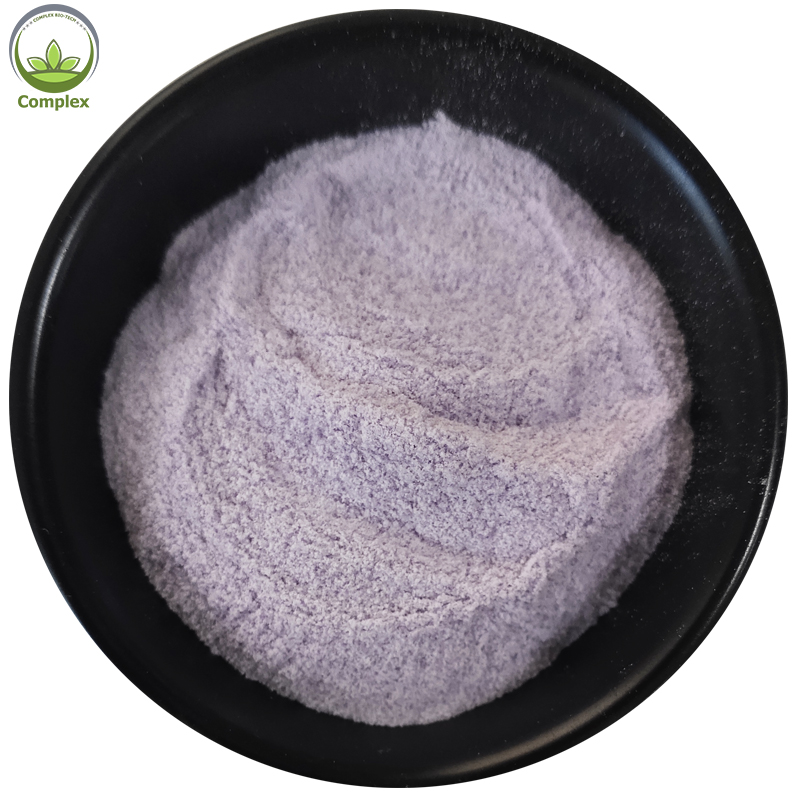
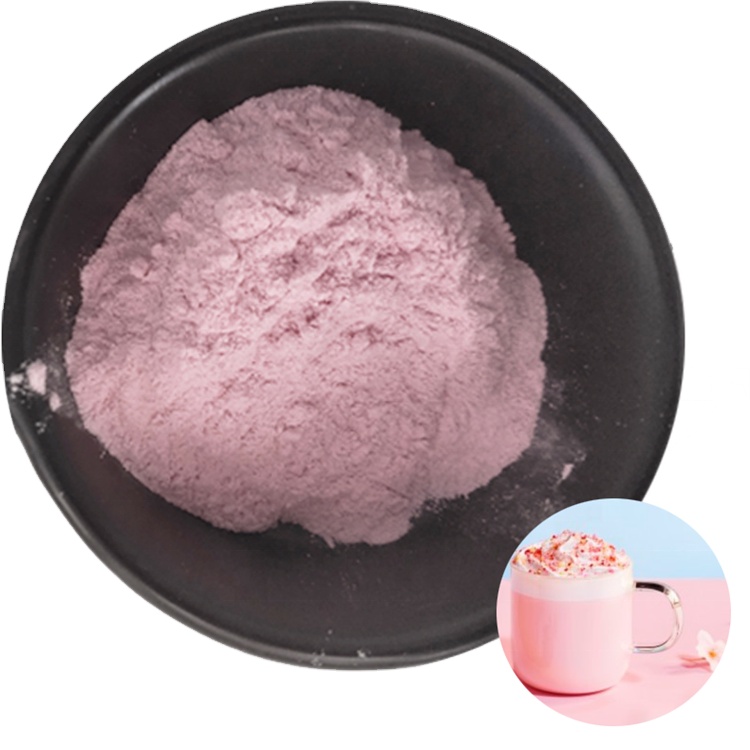
Natural Taro Milk Tea Coconut Powder
- Mesh Profile80–100 Mesh
- SolubilityInstant Dispersion
- Assay / Base100% Botanical Base
Manufactured strictly in accordance with GMP guidelines, ensuring low-temperature processing, zero thermal degradation of heat-labile polyphenols, and complete analytical batch traceability.
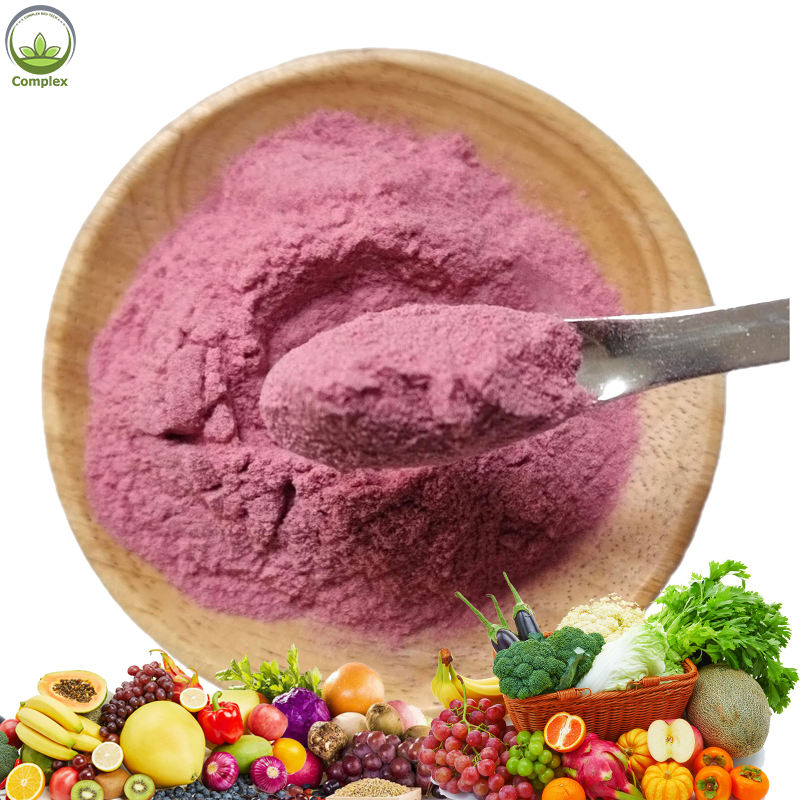
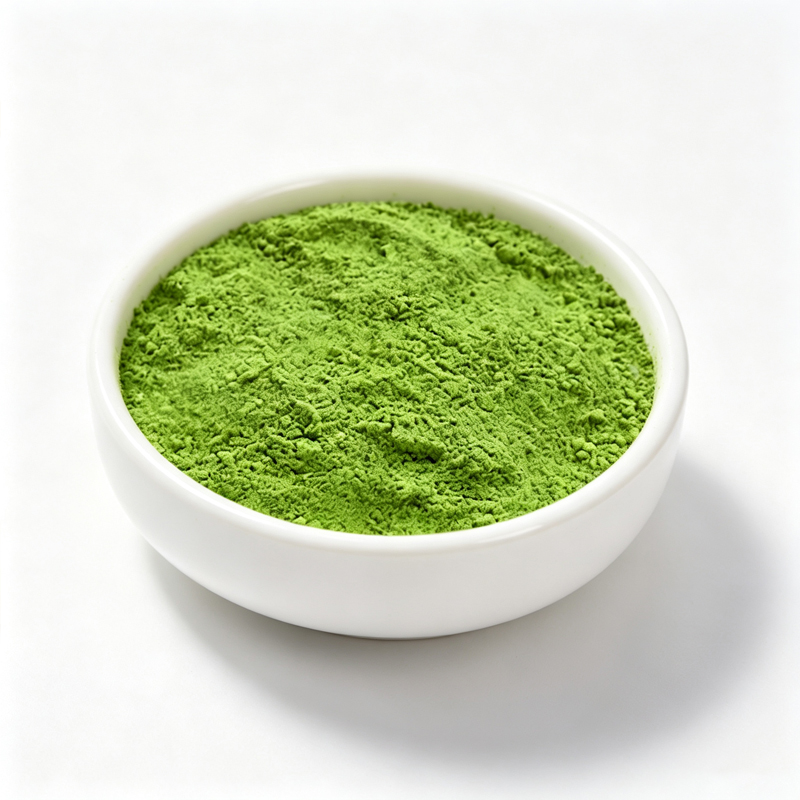
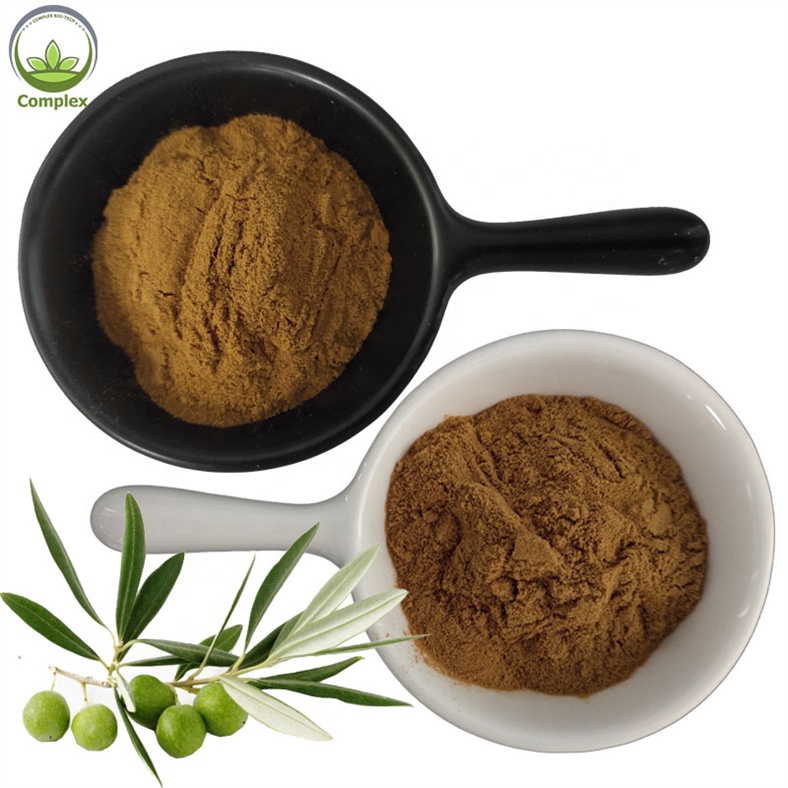
Operating at the nexus of Qinling Mountain botanical flora and Xi'an's university scientific corridor, our manufacturing infrastructure bridges raw agricultural harvest with pharmaceutical-grade consistency.
Equipped with 4 mass-production lines and 2 dedicated pilot lines. Formulations prototyped at 1 kg scale transition seamlessly to 10-metric-ton output without altering thermal history, particle geometry, or molecular retention.
Strategic technical alliances with Xi'an Jiaotong University, Northwest University, and Xi'an University of Science and Technology ensure access to continuous mass spectrometry, structural validation, and enzymology data.
Batch-specific Certificates of Analysis (COA) generated via calibrated HPLC, UV, and GC analytical tools. Standard shipments include full Heavy Metal Screenings (Pb, As, Cd, Hg) and European Pharmacopoeia compliant microbiological profiling.
Procurement engineers must weigh functional retention against cold-water reconstitution velocity. The technical matrix below defines physical properties and commercial trade-offs across drying paradigms.
| Analytical Parameter | Freeze-Dried (FD) Organic Fruit Powder | Spray-Dried (SD) Fruit Extract Powder | Vacuum Belt Dried (VBD) Powder |
|---|---|---|---|
| Operating Processing Temp | Sublimation at -40°C to -20°C | Inlet: 160°C–190°C | Outlet: 75°C–85°C | Continuous low-temp 35°C–60°C |
| Thermally-Labile Nutrient Retention | > 92% (Anthocyanins, Phenolics, Vit C) | 65% – 78% (Depends on contact duration) | 80% – 88% (Intermediate retention) |
| Carrier Requirement (Maltodextrin/Acacia) | 0% (100% Pure Fruit Flesh Available) | 5% – 30% typically needed to prevent stickiness | 0% – 10% dependent on natural sugar content |
| Bulk Density (g/mL) | 0.25 – 0.42 g/mL (Spongy, cellular matrix) | 0.45 – 0.68 g/mL (Dense microspheres) | 0.38 – 0.52 g/mL (Granular platelets) |
| Cold-Water Dissolution Dynamic | Forms natural suspension / Cellular turbidity | Rapid clarity / Instant dispersion | Moderate dissolution rate |
| Industrial Sourcing Target | Clean-label functional bars, premium tablets | Instant drink mixes, RTD beverages, dairy | Nutraceutical gummy cores, confectionery |
Formulation landscapes are migrating rapidly from commodity sweeteners to functional, clean-label bioactive botanical bases. Anticipating these procurement vector shifts protects supply-chain continuity.
Regulatory pressure in the European Union and strict clean-label consumer mandates across North America have rendered silicon dioxide (E551) and elevated synthetic maltodextrin profiles problematic. Global buyers increasingly specify organic acacia gum, native tapioca starch, or 100% whole-fruit freeze-dried single-ingredient powders equipped with vacuum-barrier packaging.
The market is pivoting away from simplistic botanical extract ratios (such as 10:1 or 20:1), which carry ambiguity regarding active concentrations. Sourcing managers now enforce quantified marker compounds assayed via validated HPLC methods—such as anthocyanins in purple sweet potato, oleuropein in olive leaf, and polyphenolic integrity in matcha.
Zero-waste manufacturing standards have elevated pomace, peel, and whole-fruit processing. Industrial facilities are adopting ultrasonic-assisted extraction and ultra-fine mechanical pulverization to harness bioflavonoids, dietary fibers, and micronutrients concentrated in the botanical hypodermis and seeds that were previously discarded.
With modern cross-border customs exercising stringent HPLC-MS/MS testing for multi-residue pesticide screens, pyrrolizidine alkaloids (PAs), and heavy metals, top-tier factories must possess raw agricultural tracking with end-to-end batch lot identification back to regional farming cooperatives.
Direct insights address common QA parameters, commercial freight policies, and private-label customization standards.
Every dispatch batch is delivered with an authentic, lot-matched Certificate of Analysis (COA). Standard laboratory verifications include organoleptic evaluation (color, odor, mesh retention), physicochemical properties (moisture content ≤5.0%, ash ≤5.0%, tap density), quantitative assays (HPLC or UV marker identification), heavy metal panels (Lead, Arsenic, Cadmium, Mercury via ICP-MS), and comprehensive microbiological screens (Total Plate Count, Yeast & Mold, Salmonella, E. Coli).
Because pure fruit powders naturally possess elevated levels of fructose, glucose, and organic acids with low glass transition temperatures (Tg), hygroscopic clumping is an industry challenge. We pack bulk orders in double-lined medical-grade polyethylene bags hermetically heat-sealed inside moisture-proof aluminum foil barrier shielding, finally encased within rigid 25 kg fiber drums. Desiccant packs and temperature-controlled palletizing are available upon contract request.
To accommodate pilot-scale formulations and R&D trials, in-stock standard botanical and fruit powders start at an MOQ of only 1 kg. Custom spray-drying profiles, client-specific mesh requirements (e.g., 200–500 mesh ultrafine), or tailored carrier matrices generally require a 25 kg to 100 kg pilot run. Pre-shipment laboratory samples (50 g to 100 g) are shipped worldwide via express air courier for internal physical and dissolution validation.
Yes. Through advanced vacuum belt and freeze-drying technology, we formulate pure fruit and plant powders without added carriers like maltodextrin, starches, or silica. For certain high-sugar fruits intended for rapid instant-drink dissolution in spray dryers, clean-label carrier substitutes such as organic certified acacia gum or tapioca maltodextrin can be utilized per formula specifications.
Beyond raw drum supply, our automated cleanroom facilities provide finished turnkey contract packing. Formats include high-speed flexible pouch packaging (sachets from 3 g to 30 g), multi-ingredient functional blends (fruit powder infused with nootropics, peptides, or medicinal mushrooms), rigid PET/glass canister filling, induction sealing, and bespoke labeling under international compliance guidelines.