B2B Ingredient Dossier · West Midlands Supply

Natural Colorants Manufacturer & Suppliers in Birmingham

Providing UK-compliant botanical pigments, anthocyanin extracts, and clean-label plant powders for West Midlands food, beverage, and personal care manufacturers.

Standardized Pigment & Botanical Portfolio

Industrial Food & Cosmetic Color Solutions for Birmingham Formulators

Engineered for thermal stability, pH resistance, and clean-label compliance across commercial canning, extrusion, beverage blending, and skincare manufacturing lines.

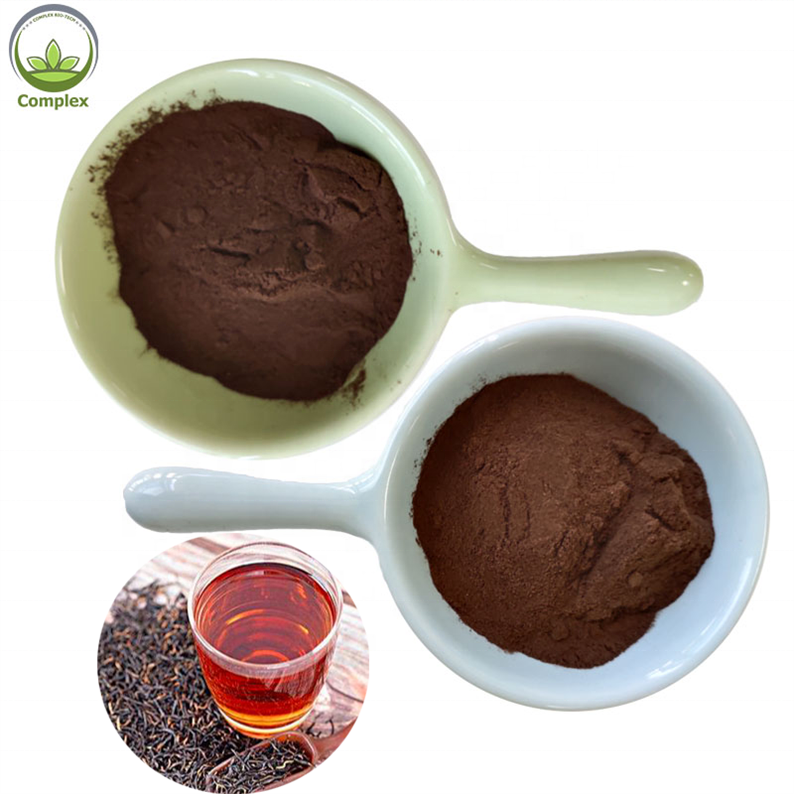
Dark Amber · Brown High Purity 100% Water Soluble Instant Black Tea Powder

High Purity 100% Water Soluble Instant Black Tea Powder

Chromatographic Class: Theaflavins / Thearubigins Assay / Extraction: 100% Cold-Water Soluble Typical Matrix: RTD Iced Teas, Confectionery

A clear-dissolving natural tan-to-deep-amber coloring agent derived from fermentation-matured Camellia sinensis. Delivers consistent hue stability without colloidal sedimentation.

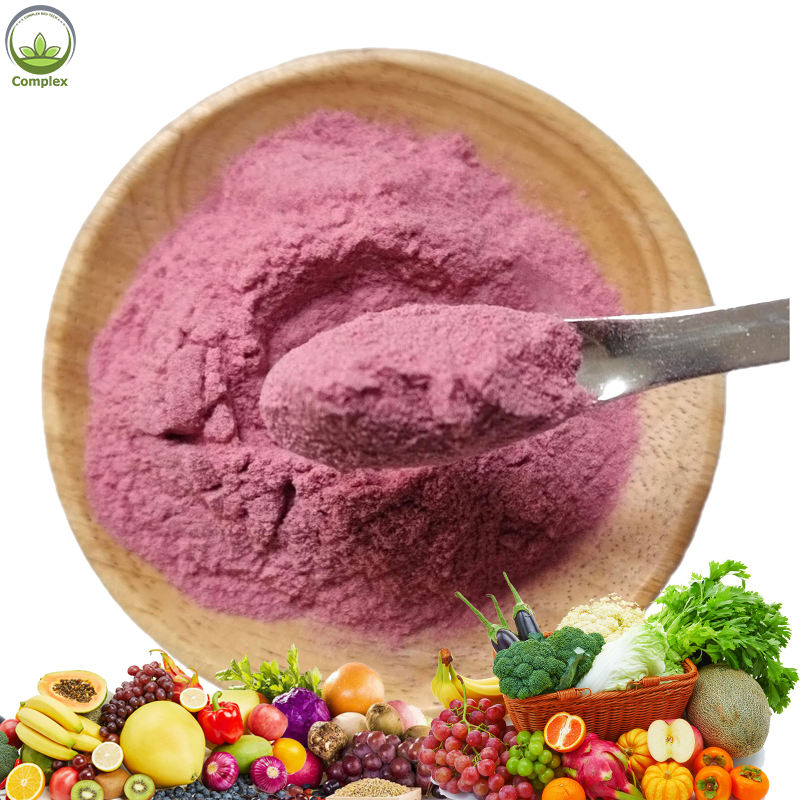
Multicolor Fruit Tint Custom Drink Mix Fruit Powder Dried Mixed Fruit Powder

Custom Drink Mix Fruit Powder Dried Mixed Fruit Powder

Chromatographic Class: Carotenoid / Flavonoid Blend Mesh Fineness: 80–120 Mesh Homogeneity Typical Matrix: Dry Mixes, Nutraceutical Sachets

Versatile fruit-derived pigment system delivering natural pastel shades and organic fruit solids for Birmingham artisan cordial, dry beverage premix, and bakery glazes.

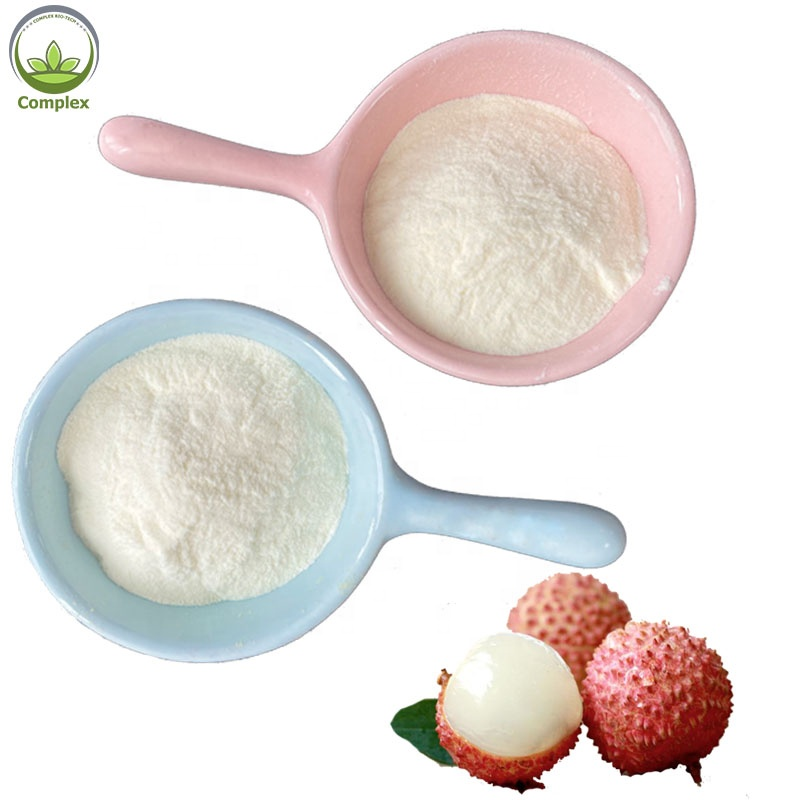
Translucent Rose Opal Top Selling Litchi Chinensis Fruit Extract Powder Lychee Powder

Top Selling Litchi Chinensis Fruit Extract Powder (Lychee)

Active Marker: Bio-Polyphenols & Flavonoids Drying Method: Low-Temperature Vacuum Spray Typical Matrix: Gin Distillates, Functional Seltzers

Offers high clarification and delicate natural turbidity modulation with subtle light-refractive properties. Ideal for premium spirits, tonic waters, and clear electrolyte solutions.

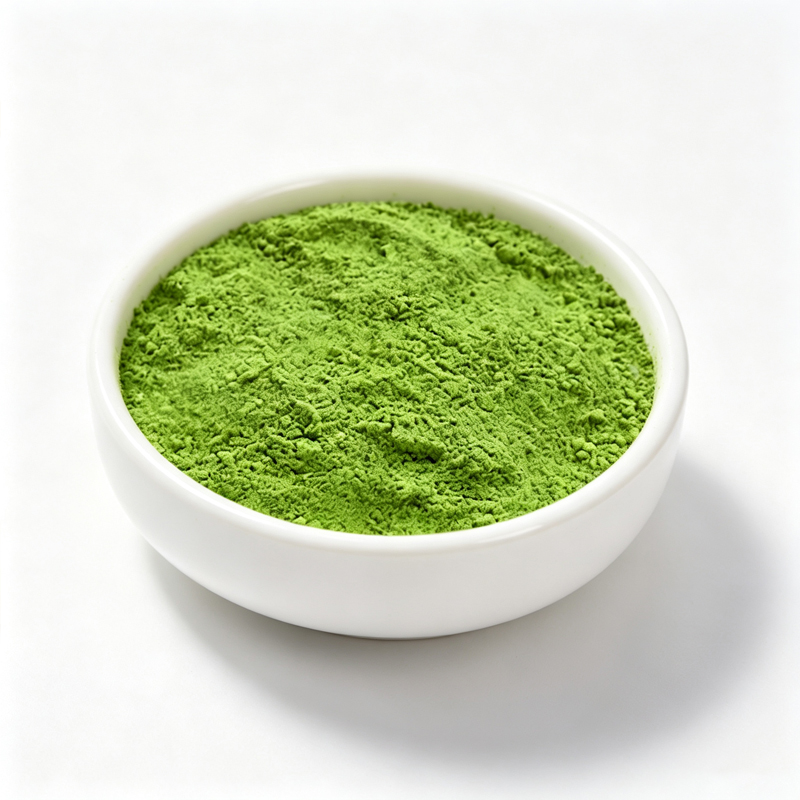
Vibrant Chlorophyll Green Wholesale OEM Private Label Natural Green Tea Matcha Powder

OEM Private Label Green Tea Matcha Powder (Ceremonial/Culinary)

Chromatographic Class: Unadulterated Chlorophyll a/b Particle Size: >800 Mesh Micro-Milled Typical Matrix: Dairy, Gelato, Bakery Extrusions

Stone-ground botanical powder producing rich jade pigmentation. Exceptional anti-oxidative stability prevents thermal browning when formulated within alkaline dairy matrices.

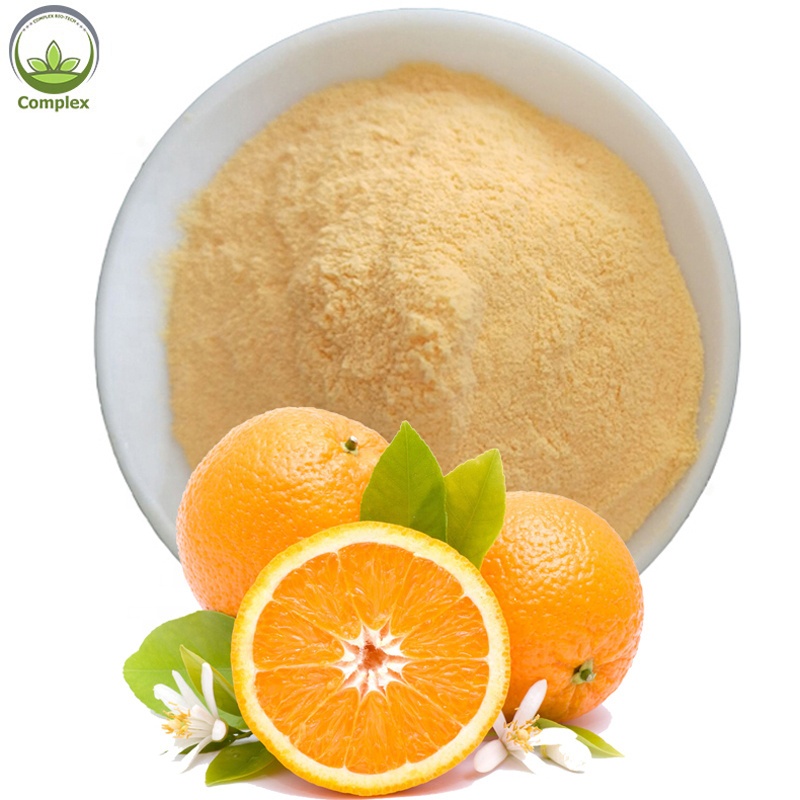
Coral Pink & Earth Tones Top Selling Dried Rose Powder Neem Powder Orange Peel Powder

Dried Rose Petal, Neem & Citrus Peel Botanical Micro-Powder

Application: Topical Cosmetics & Clean Color Microbiological Control: Irradiation / Steam Sterilized Typical Matrix: Mineral Foundations, Clay Masks

Botanical cosmetic pigment line providing soft pinks, earthen olive tones, and warm carotenoid oranges. Certified for anhydrous cosmetic bars and organic body scrubs.

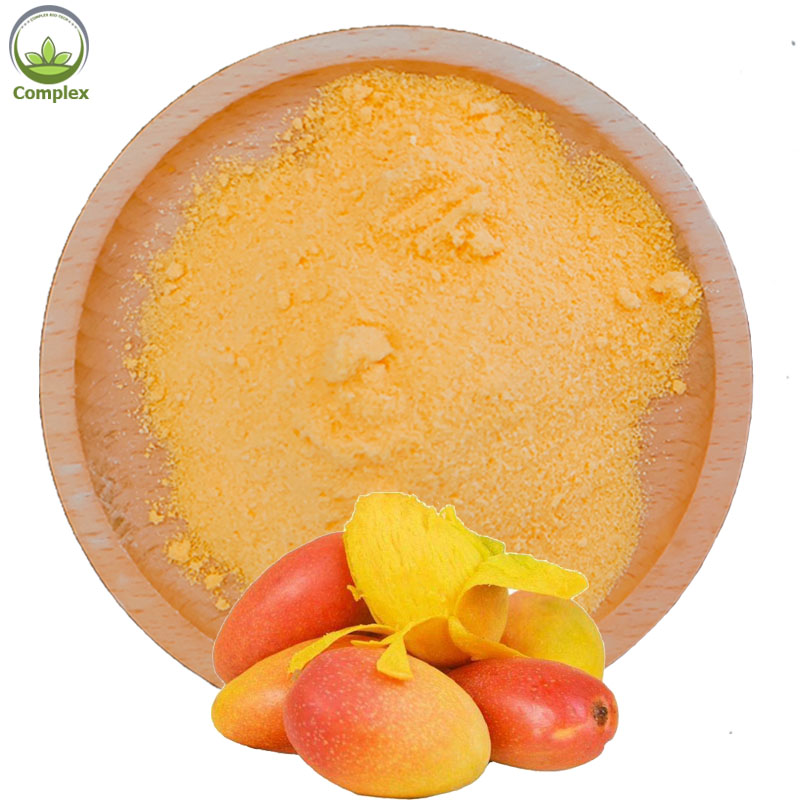
Golden Carotenoid Yellow Factory Supply Flavoured Drink Powder Instant Mango Fruit Juice Powder

Instant Mango Fruit Juice Powder (Beta-Carotene Standardized)

Chromatographic Class: All-trans-Beta-Carotene Solubility: Instantly Hydro-Dispersible Typical Matrix: Gummies, Sports Nutrition, Yoghurts

Direct alternative to Tartrazine (E102) and Sunset Yellow (E110). Produces a radiant sunshine-yellow hue with high thermal survival in high-temperature short-time (HTST) pasteurization.

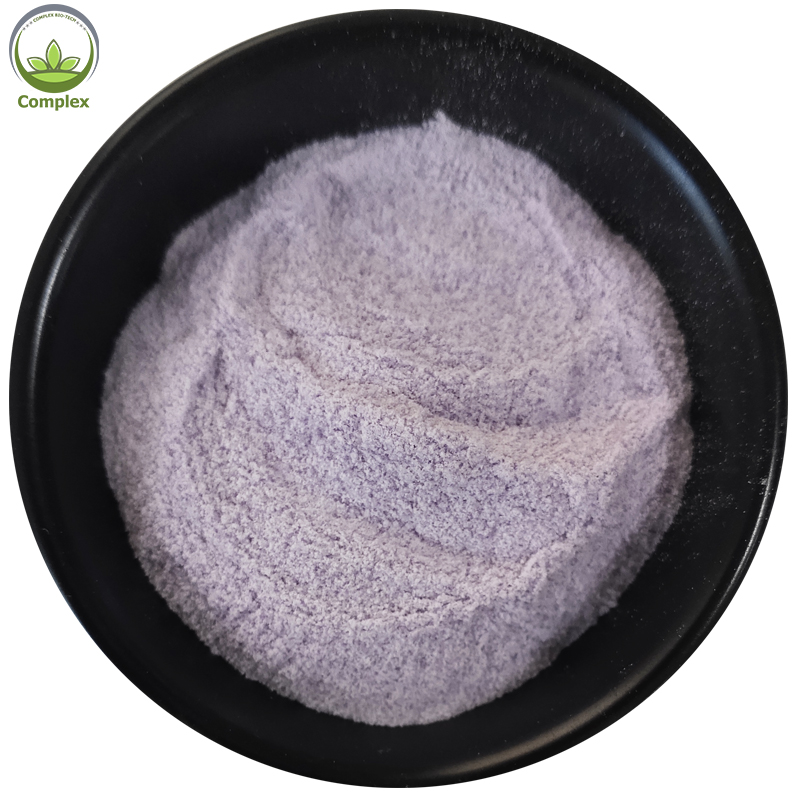
Soft Lavender / Purple Best selling products natural taro milk tea coconut powder

Natural Purple Taro & Coconut Botanical Powder

Chromatographic Class: Natural Anthocyanin Complex Carrier Option: Maltodextrin-Free / Native Typical Matrix: RTD Milk Teas, Bakery Fillings

Stable lilac-to-violet coloring for complex emulsion systems. Imparts creaminess and delicate coloration across frozen desserts, dessert icings, and premium dairy substitutes.

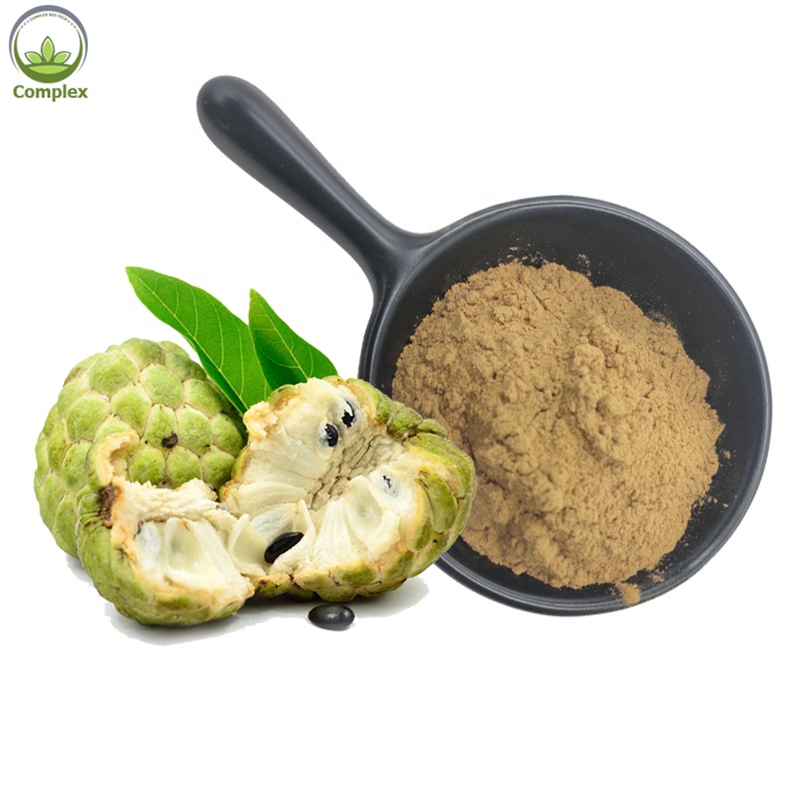
Herbal Amber · Tan Factory Supply Pure Natural Graviola Leaf Extract Guava Leaf Extract

Pure Natural Graviola & Guava Leaf Botanical Extract Powder

Active Marker: Acetogenins & Tannin Pigments Mesh Granulation: 100% Passed 80 Mesh Typical Matrix: Herbal Elixirs, Solid Tablets

A bioactive-rich golden-brown botanical extract designed for dietary supplements and functional brewed tonics where natural earth pigmentation indicates authentic botanical concentration.

Get a Quote
Industry White Paper

Engineering the Clean-Label Transition: Industrial Natural Colorant Supply in the Greater West Midlands

The manufacturing sector in the West Midlands—anchored by Birmingham, Coventry, Wolverhampton, and Solihull—remains one of the United Kingdom’s primary industrial heartlands. Over the past decade, the regional food and beverage manufacturing ecosystem, long celebrated for heritage confectionery in Bournville, craft brewing in Digbeth, and industrial bakeries throughout Smethwick, has undergone an unprecedented chemical transition. Formulators have rapidly migrated away from synthetic petrochemical dyes toward standardized, clean-label botanical colorants.

This operational pivot is accelerated by rigorous regulatory developments under the UK Food Standards Agency (FSA), strict domestic enforcement of the "Southampton Six" mandatory warning labels (affecting Tartrazine, Allura Red, Ponceau 4R, Quinoline Yellow, Sunset Yellow, and Carmoisine), and consumer demand across UK supermarkets for "free-from" formulations. However, replacing chemically inert coal-tar dyes with plant-derived alternatives presents significant biochemical challenges: thermal degradation during high-speed processing, vulnerability to oxidation, pH-dependent spectral shifts, and batch-to-batch chromatic divergence.

Technical Reality in Food Colorant Chemistry

Natural colorants are not single synthetic molecules; they are complex botanical matrix systems consisting of anthocyanins, carotenoids, betanins, thearubigins, and chlorophyllins. Each pigment category behaves with distinct chemical kinetics. Successful industrial implementation requires precise control over raw botanical origin, standardized spectrophotometric color values, low moisture absorption via optimized spray drying, and analytical HPLC verification prior to commercial release.

1. Sector-Specific Application Scenarios in Birmingham's Industrial Matrix

Birmingham's processing infrastructure demands bespoke pigment stabilization protocols tailored to regional manufacturing lines:

  • Confectionery and Gummy Extrusions (Bournville & Black Country corridors): Pectin- and gelatin-based confectioneries manufactured in high-output continuous cookers experience intense thermal loads (115°C to 125°C). Synthetic reds are replaced by anthocyanin complexes derived from organic purple sweet potato and freeze-dried berry powders, stabilized with ascorbic acid to prevent light-induced fading.
  • Artisan Craft Brewing, Distilling & Functional RTDs: The West Midlands micro-distillery cluster in Digbeth and the Jewellery Quarter relies on water-soluble instant tea polyphenols, lychee extracts, and butterfly pea botanicals. The key technical challenge is clarity; extracts must undergo complete de-pectinization to eliminate haze formation when introduced to 40% ABV grain spirits or cold-carbonated tonics.
  • Industrial Bakery and Extruded Snack Glazes: In high-temperature tunnel ovens (180°C–220°C), standard fruit juice concentrates carmelize and turn dull brown. Our standardized green tea matcha and spray-dried mango extracts are micronized below 80 mesh and co-processed with native starches to preserve vivid hue intensity without scorched notes.
  • Cosmetic Formulations & Organic Personal Care: Skincare and botanical cosmetic brands developing topical creams, mineral foundations, and bath infusions leverage sterile, irradiated rose petal powders, neem derivatives, and cosmetic-grade copper tripeptide-1 pigments for non-staining, biologically active topical pigmentation.
100%
Batch HPLC / UV Verified
< 0.2%
Insoluble Residue Limit
1 kg
Pilot Order MOQ
≤ 24h
COA & Tech Dossier Dispatch

2. Regional Industry Trends Shaping Birmingham's Purchasing Strategies

Procurement directors and quality assurance managers across the West Midlands are balancing clean-label initiatives with operational margins:

A. The Demise of E-Number Artificial Colorants and "Clean-Label" Declarations

The UK consumer marketplace increasingly views "E-numbers" unfavorably, even those approved by domestic authorities. Modern commercial buyers prioritize "Coloring Foods" (ingredients extracted from food matrices using non-selective water or ethanol solvents) rather than selective chemical dye additives. Declaring "Purple Sweet Potato Extract" or "Matcha Green Tea" on ingredient panels improves consumer trust and brand valuation compared to synthetic identifiers.

B. The UK High Fat, Salt, and Sugar (HFSS) Regulatory Landscape

With stringent UK advertising and retail-placement restrictions surrounding HFSS products, confectioners and snack food companies are reformulating recipes. Reducing sugar levels fundamentally alters water activity ($a_w$) and osmotic pressure within food systems. In response, natural colorants must perform in lower-sugar matrices without crystallization, hue shifting, or phase separation.

C. Logistics Optimization via Midlands Distribution Corridors

Birmingham's central positioning along the M5, M6, and M42 motorway junction makes it the logistics capital of the United Kingdom. Local contract manufacturers operate on lean inventory models (Just-In-Time manufacturing). Suppliers must provide consistent multi-pallet stock holding, transparent analytical documentation, rapid micro-testing verification, and guaranteed lot-to-lot color value reproducibility.
Colorant Substrate Primary Pigment Complex Hue Spectrum Thermal Threshold Optimal pH Range Primary Industrial Sector
Purple Sweet Potato Powder Acylated Anthocyanins Magenta to Deep Violet Up to 110°C pH 2.5 – 4.8 (Stable) Beverage, Confectionery, Jellies
Spray-Dried Mango Powder Beta-Carotene / Xanthophylls Vivid Golden Orange Up to 135°C pH 3.0 – 7.5 (Broad) Bakery Fillings, Powder Drinks
Ceremonial Matcha Micro-Flour Chlorophyll a & b Deep Jade Green Up to 95°C pH 5.5 – 8.0 (Alkaline friendly) Dairy, Ice Creams, Pastry Doughs
Instant Fermented Black Tea Thearubigins / Theaflavins Caramel Amber to Brown Up to 140°C pH 2.0 – 7.0 (Robust) RTD Brewing, Sauces, Snack Seasoning
Micronized Dried Rose Petals Flavonol Glycosides / Tannins Warm Coral to Earthen Red Up to 80°C pH 4.0 – 6.5 Personal Care, Dry Tea Blends, Cosmetics
Enterprise Verification & Analytical Control

Research-Backed Botanical Engineering

Combining natural agricultural resources with university-grade chromatographic separation to deliver dependable ingredient chemistry for industrial buyers.

Standardized Extraction Capacity

Our facility operates two large-scale manufacturing workshops equipped with four industrial processing lines and two pilot units. This infrastructure enables seamless transition from 1 kg pilot trials to multi-ton commercial production without altering chromatic profiles.

Independent Laboratory & HPLC Assay

Every production batch undergoes strict in-house analysis using High-Performance Liquid Chromatography (HPLC), Gas Chromatography (GC), and UV Spectrophotometry to guarantee active markers, pigment tint strength, heavy metals purity, and microbiological clearance.

University Joint Research Laboratories

Through research partnerships with Xi'an Jiaotong University, Northwest University, and Xi'an University of Science and Technology, our team of five licensed pharmacists develops advanced molecular microencapsulation technologies that defend natural pigments against light and temperature decay.

Rigorous 8-Stage Quality Assurance Protocol

To satisfy the strict standards set by the British Retail Consortium (BRC) and the Food Standards Agency (FSA), all botanical raw materials pass through an unbroken traceability system:

  1. Agricultural Origin Verification: Direct harvesting from designated botanical cultivation bases; verified botanical identity and baseline assay validation.
  2. Pre-Extraction Quarantine Testing: Screening for heavy metals (Lead, Arsenic, Cadmium, Mercury via ICP-MS) and pesticide residue limits (validated against UK multi-residue GC-MS/LC-MS screens).
  3. Controlled Dynamic Extraction: Aqueous, enzymatic, or food-grade hydro-ethanolic extraction at monitored temperatures to preserve intact chromophore structures.
  4. Ultra-Filtration & Centrifugal Clarification: Removal of insoluble starches and bitter tannins to achieve crystal clarity upon water reconstitution.
  5. Vacuum Low-Temperature Evaporation: Minimizing heat exposure to prevent pigment degradation and thermal carmelization.
  6. Microencapsulation & Spray / Freeze-Drying: Converting botanical liquids into uniform, free-flowing micro-powders with enhanced light-barrier stability.
  7. Final Analytical Clearance: Spectrophotometric E-value testing, mesh size verification, bulk density measurement, and comprehensive pathogen testing (Salmonella, E. coli, Listeria).
  8. Hermetic B2B Packing: Nitrogen-flushed, multi-layer aluminum vacuum barrier liners packed in fiber drums to prevent oxidation during storage and sea/air freight.
Procurement & Technical Due Diligence

Frequently Asked Sourcing Questions for UK Buyers

Direct answers to operational queries faced by purchasing teams, QA directors, and contract formulators across Birmingham and the wider UK.

What is the difference between a "Coloring Food" and a "Natural Color Additive" in the UK?

Under retained UK Regulation (EC) No 1333/2008 and FSA guidelines, an extract is classified as a "Coloring Food" if it is derived from edible food materials using traditional aqueous or physical extraction methods that retain the characteristic nutritional, aromatic, and flavoring constituents of the parent source. In this case, it can be labeled directly as an ingredient (e.g., "Purple Sweet Potato Extract"). Conversely, if the pigment has been selectively concentrated via chemical fractionation to the exclusion of other nutritive elements, it is classified as a color additive and must carry an assigned E-number and pass separate food additive approval.

What are the minimum order quantities (MOQ) for pilot trials versus commercial manufacturing?

To support pilot plant scaling, experimental batch validations, and artisan formulators across Birmingham's test kitchens, our standard baseline MOQ for catalog botanical extracts and spray-dried fruit powders is 1 kg. For customized particle milling (>200 mesh), bespoke carrier ratios, or specialized contract packaging, the minimum commercial volume starts at 25 kg to 100 kg.

How do you verify heavy metal limits and microbiological standards for UK customs clearance?

Every shipment is accompanied by a batch-specific Certificate of Analysis (COA) issued by our internal laboratory, verified by third-party testing (SGS or Eurofins upon request). We screen for Lead (≤3.0 mg/kg), Arsenic (≤1.0 mg/kg), Cadmium (≤1.0 mg/kg), and Mercury (≤0.1 mg/kg) via ICP-MS. Microbiological compliance guarantees Total Aerobic Microbial Count <1,000 CFU/g, Yeast & Molds <100 CFU/g, with absolute negative screening for Salmonella (in 25g) and E. coli.

How do natural anthocyanin and carotenoid pigments perform during thermal pasteurization and canning?

Anthocyanins (found in our purple sweet potato and berry lines) are highly stable within acidic environments (pH 2.5 to 4.2), tolerating standard beverage HTST pasteurization (72°C to 85°C for 15–30 seconds) with negligible color loss. Carotenoid pigments (such as our mango juice powder) maintain chromatic vibrancy up to 135°C, making them suitable for extruded cereals and bakery fondants. We provide technical formulation dossiers detailing ascorbic acid synergies and light-barrier guidance to maximize finished shelf life.

What are the delivery lead times into the West Midlands freight corridor?

For urgent formulation verification and R&D trials, express air courier shipments (DHL, FedEx, UPS) directly into Birmingham Airport (BHX) or East Midlands Airport (EMA) typically clear customs and arrive at factory premises within 4 to 7 business days. Full commercial pallet orders shipped via combined air cargo or ocean freight to Southampton/Felixstowe and railed into Birmingham logistics depots typically require 18 to 28 days depending on sailing schedules.

Connect Directly with Our Formulations Laboratory

Request comprehensive specification sheets, current heavy-metal batch COAs, stability dossiers, or a 100g bench evaluation sample for your West Midlands manufacturing facility.

Get a Quote
Contact Us