SirnBIO-TECH Talk to Us
Search by product name, Latin name or CAS number.
Xi'an Sirn Bio-Tech partners with formulation labs, nutraceutical contractors, and cosmetic R&D centers across Warsaw and the Masovian Voivodeship. Sourced through high-efficiency green-solvent extraction and refined under rigorous ISO/GMP protocols, our standardized portfolio meets European Pharmacopoeia (Ph. Eur.) criteria and stringent clean-label standards.
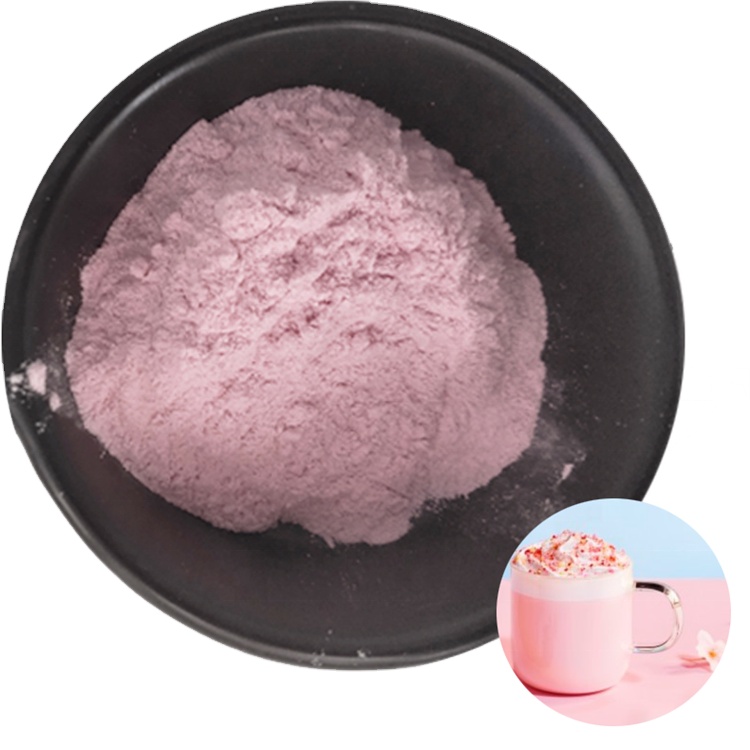
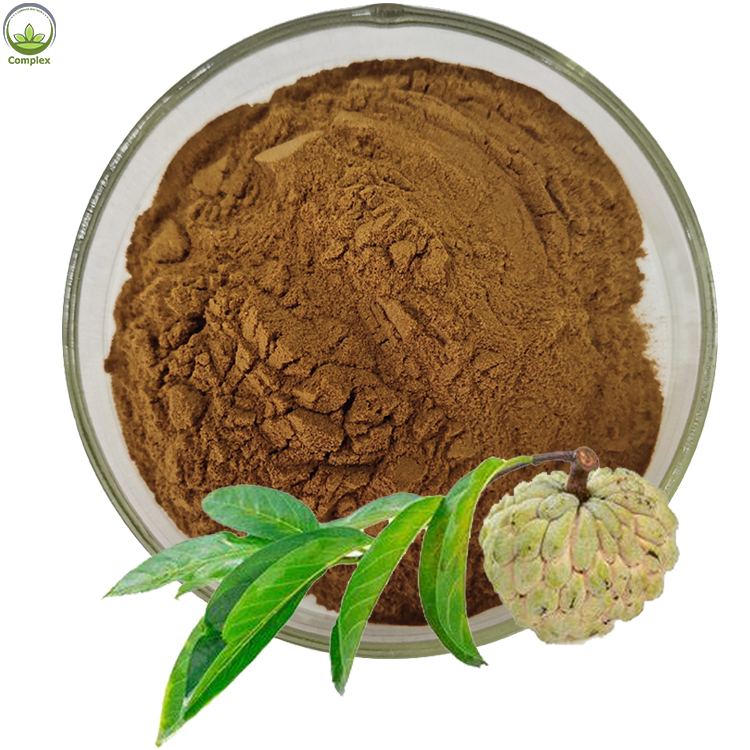
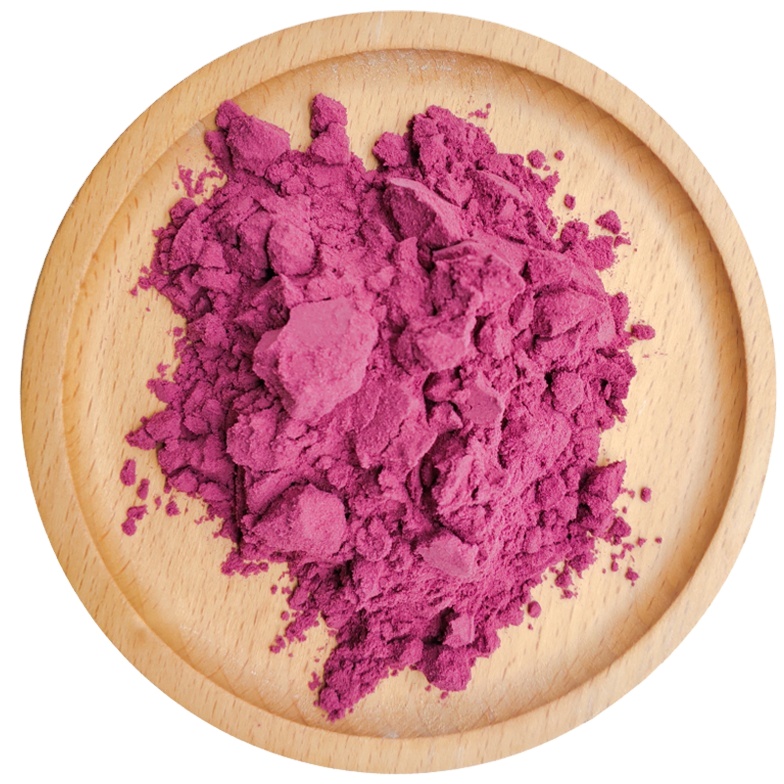
Botanical peel residues—ranging from Rutaceae citrus pericarp to pome skins (Pyrus, Malus) and stone fruits—contain the plant kingdom's densest reservoirs of secondary metabolites. In industrial applications, raw pericarp is far more than a fiber source: it holds dense matrices of polymethoxylated flavones (PMFs), hesperidin, naringin, neohesperidin dihydrochalcone precursors, and monomeric anthocyanins. For formulators in Warsaw’s expanding functional food and pharmaceutical corridors, capturing these compounds without thermal degradation or toxic residue contamination is the central technical challenge.
At our manufacturing facilities, Xi'an Sirn Bio-Tech operates advanced hydrodynamic and low-temperature counter-current extraction systems coupled with non-polar macroporous resin adsorption columns. Unlike basic aqueous boiling which causes irreversible hydrolysis of glycoside bonds, our low-temperature vacuum recovery systems isolate target flavanones at purities exceeding 95% by HPLC. For volatile terpenes (e.g., d-limonene, linalool) housed within pericarp oil glands, we integrate low-shear steam fractioning to recover pure essential oils before running polyphenol extraction cascades on the solid cake.
Operating under calibrated hydraulic pressure gradients below 45°C, preserving heat-labile polyphenolic linkages and maintaining genuine stereochemical profiles.
Multi-stage purification columns separate targeted bioflavonoids from ballast sugars, achieving precise active assay targets (10% to 98%) customized to client dossiers.
State-of-the-art dual-option dehydration allowing Warsaw manufacturers to select either spray-dried, carrier-free powders or freeze-dried crystalline matrices.
Warsaw acts as the corporate, clinical, and logistics epicenter of Central and Eastern Europe (CEE). The demand for standardized plant and peel extracts across the Masovian region diverges into three major industrial tracks, driven by Poland's position as a premier contract manufacturing territory:
Poland represents one of Europe's top cosmetics producers. Formulators in Warsaw, Piaseczno, and Pruszków leverage peel extracts (citrus bioflavonoids, apple polyphenol peels, sakura complexes) to formulate high-performance topical solutions. Key mechanisms include tyrosinase inhibition for hyperpigmentation treatments, biological microcirculation improvement, and potent neutralization of urban oxidative stressors via free-radical scavenging.
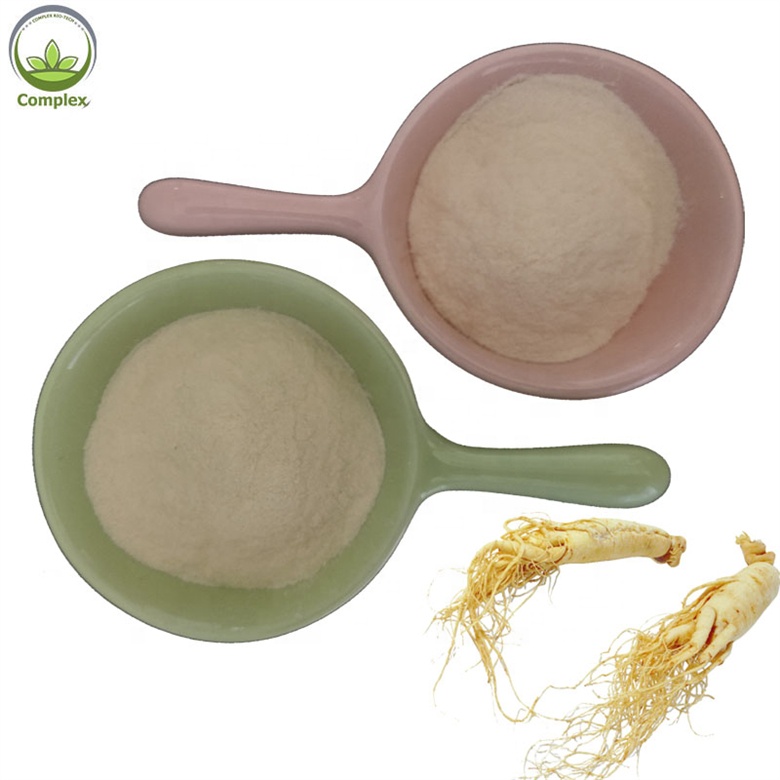
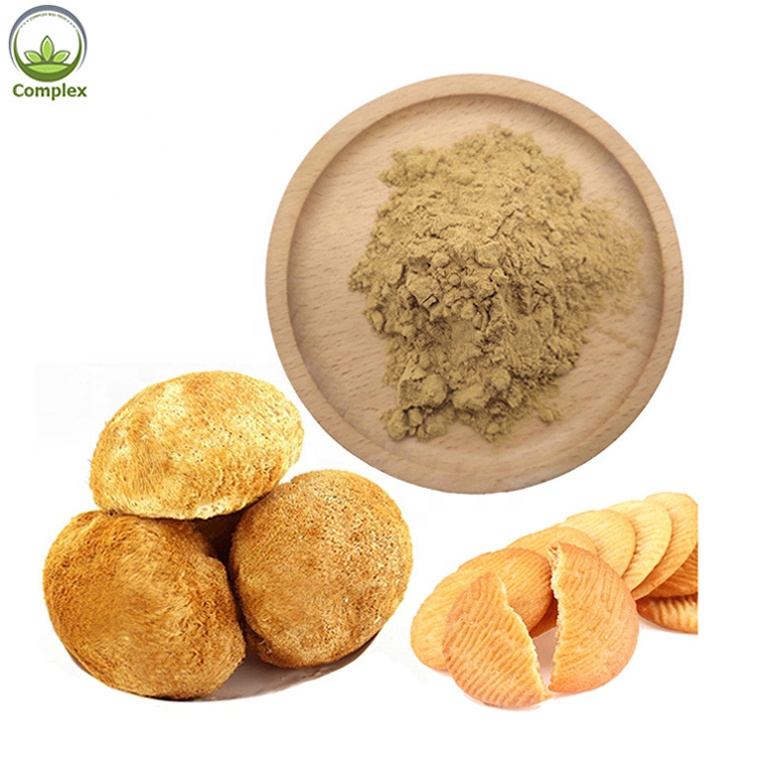
Contract manufacturers operating across Central Poland require certified botanical inputs for cardiovascular, metabolic, and adaptogenic capsule blends. Citrus aurantium peel extracts standardized to synephrine or hesperidin are extensively combined with botanical adaptogens like Red Ginseng and Lion's Mane to meet the European EFSA dietary supplement framework, requiring batch-to-batch non-detectable ethylene oxide and low heavy metals.
With Poland's deep agricultural tradition in fruits, local beverage innovators utilize micronized fruit and peel extracts—such as spray-dried cherry and instant green apple powders—as multi-functional ingredients. They serve simultaneously as natural organoleptic enhancers, bio-based coloring solutions, and stable antioxidant systems that replace synthetic preservatives (e.g., potassium sorbate).
Procurement managers and Chief Scientific Officers (CSOs) across Warsaw face evolving regulatory realities governed by both the Polish Chief Sanitary Inspectorate (Główny Inspektorat Sanitarny – GIS) and broader European Union regulations. Over the 2024–2026 horizon, several distinct market dynamics govern raw botanical procurement:
Stricter PA and Pyrrolizidine Alkaloid Validation: European food safety revisions mandate near-zero thresholds for pyrrolizidine alkaloids, polycyclic aromatic hydrocarbons (PAHs), and heavy metals (Cadmium, Lead, Arsenic, Mercury). Standardized supply from Xi'an Sirn Bio-Tech guarantees fully validated ICP-MS test logs with every shipment, mitigating regulatory rejection risks at customs points or GIS inspections.
Transition to "Whole-Upcycled" Phytochemistry: Clean-label initiatives across European brands have accelerated interest in upcycled raw materials. Pericarp and peel fractions derived from organic processing chains are viewed favorably by conscious EU consumers. Suppliers who provide end-to-end chain-of-custody documentation, including pesticide multi-residue screenings encompassing over 500 compounds, command structural procurement preferences in Masovian contract facilities.
Collaborative laboratories with Northwest University and Xi'an Jiaotong University empower direct compound isolation and bespoke extraction development for our partners.
18 dedicated technical specialists and 5 licensed Traditional Chinese Medicine pharmacists supervise physical identification, assay verification, and organoleptic validation.
From preliminary benchtop formulation trials to full-scale 25 kg fiber drum production runs, our flexible warehousing minimizes raw material carrying costs for Warsaw factories.
Standard batch releases incorporate comprehensive COA, Allergen Declarations, Non-Irradiation declarations, GMO Free declarations, and safety datasheets (MSDS).
Clear technical insights answering the logistical and regulatory inquiries of Polish QC departments and procurement directors.
Every raw batch undergo identity validation using High-Performance Thin-Layer Chromatography (HPTLC) fingerprinting alongside marker identification via HPLC. We benchmark our spectrum against authentic pharmacopoeia reference standards, eliminating species misidentification or adulteration with synthetic colorants and foreign bioflavonoids.
We routinely supply Polish clients via DAP Warsaw or CIP Warsaw Chopin Airport (WAW) for air shipments (4–7 business days lead time for R&D lots). Bulk commercial orders are processed through sea-freight routes discharging at the Port of Gdańsk or Hamburg with pre-cleared customs documentation, averaging 28 to 35 days door-to-door.
Yes. Standard milling produces 80 to 100 mesh powders, optimal for capsules and dissolution. For direct compression (DC) tableting applications or specialized liquid suspension cosmetics, our workshops offer specialized granulometry, producing customized granulates or superfine micronized powders up to 300 mesh.
Absolutely. Every batch intended for the European market is assayed for lead (<3.0 mg/kg), cadmium (<1.0 mg/kg), mercury (<0.1 mg/kg), and arsenic (<1.0 mg/kg). Multi-residue pesticide analyses confirm zero non-compliant residues according to current European Commission limits.