Plant Pigments Manufacturer & Exporter for the Santiago de los Caballeros market
Standardized Botanical Pigments, Functional Colorants, and Bio-Active Extracts Formulated for Industrial Food, Beverage, and Nutraceutical Processors Across the Dominican Republic's Cibao Valley.
Santiago de los Caballeros: The Agro-Industrial & Processing Engine of the Cibao
Santiago de los Caballeros stands as the undeniable financial, logistical, and manufacturing epicentre of the Dominican Republic’s fertile Cibao Valley. As the second-largest urban agglomeration in the country, Santiago serves as a critical nexus for industrial agro-processing, rum and cordial distilleries, large-scale dairy processing plants, beverage bottlers, and high-throughput export free zones within the Parque Industrial Víctor Espaillat Mera (PIVEM). Local industrial formulators face intense market pressure: domestic consumers are actively rejecting synthetic azo dyes such as Tartrazine (FD&C Yellow No. 5) and Allura Red AC (FD&C Red No. 40), while export-oriented manufacturers catering to North American and European supermarket chains must comply with rigorous international clean-label mandates.
Xi'an Sirn Bio-Tech engineers and exports premium, batch-standardized plant pigments, carotenoids, chlorophyllin complexes, and fruit-derived botanical powders tailored specifically to survive the thermal and chemical challenges posed by tropical processing conditions. Our natural colorant and extract range integrates directly into continuous manufacturing environments, offering technical solutions to common formulation issues such as color bleeding, photo-oxidation, and flocculation under varying pH and ionic environments.
"Transitioning from synthetic coal-tar colorants to botanical pigments requires precise control over molecular degradation kinetics. In Santiago’s humid processing environments, water activity (aw), processing pH, and shear rate dictate whether an anthocyanin or carotenoid retains spectral saturation or degrades into colorless chalcones. Our laboratory provides custom stabilization profiles matched to regional production parameters."
Strategic Industrial Applications in the Santiago Regional Market
Spirits, Cordials & RTDs
Dominican rums, tropical cordials, and ready-to-drink cocktails require vibrant chromophores that resist precipitation in 15%–40% ABV ethanol matrices across pH levels ranging from 2.8 to 4.2.
Dairy, Ice Creams & Yogurts
Santiago's established dairy co-packers require lipophilic carotenoids and heat-resistant pigments capable of enduring high-temperature short-time (HTST) pasteurization without hue shift.
Zona Franca Functional Foods
Contract manufacturing facilities operating under PIVEM export schemes demand full batch traceability, HPLC purity profiles, and dry-blending stability for functional drink mixes and nutraceuticals.
Confectionery & Jams
Industrial processors of tropical fruit pastes (guava, mango, passion fruit) leverage our heat-stable purple sweet potato and prickly pear extracts to replace Red 40 in acidic, high-Brix matrices.
Analytical Formulation Data
Physicochemical Behavior of Botanical Pigments Under Caribbean Processing Conditions
A critical challenge for procurement and QA teams in Santiago de los Caballeros is understanding the thermodynamic degradation profile of plant-derived pigments relative to ambient humidity and regional process temperatures. The table below outlines our primary export botanical pigment systems and their engineering tolerances:
Pigment Category
Core Chromophore
Absorption Peak (λmax)
Optimal pH Range
Thermal Tolerance Limit
Dominican Application Suitability
Anthocyanin Complex
Cyanidin / Peonidin Glycosides
520 – 540 nm (Vibrant Red-Violet)
pH 2.0 – 4.0
Up to 90°C for <15 mins
High Fruit juices, nectars, carbonated soft drinks, RTDs
Keto-Carotenoids
Trans-Astaxanthin (Microencapsulated)
478 – 480 nm (Intense Ruby Red)
pH 3.0 – 8.5
Up to 115°C (Emulsified)
High Premium functional beverages, dietary softgels, cosmetics
Chlorophyllin Derivative
Sodium Copper Chlorophyllin
405 & 630 nm (Emerald Green)
pH 6.5 – 9.0
Up to 100°C
High Syrups, confectionery coatings, plant-based dairy substitutes
Carotenoid Carotene/Lycopene
All-trans Lycopene / Beta-Carotene
450 – 502 nm (Warm Yellow to Crimson)
pH 3.5 – 8.0
Up to 125°C for UHT cycles
High Bakery fillings, pasteurized dairy, processed tomato sauces
Navigating DIGEMAPS Standards, Port Logistics, and Hygroscopic Protection
Sourcing botanical ingredients for Dominican commercial entities involves stringent regulatory and environmental safeguards. Importers operating in Santiago de los Caballeros must ensure alignment with both national public health frameworks and international export criteria:
1. DIGEMAPS & INDOCAL Regulatory Compliance
The Dirección General de Medicamentos, Alimentos y Productos Sanitarios (DIGEMAPS) under the Ministry of Public Health (MISPAS), alongside the Instituto Dominicano para la Calidad (INDOCAL), exercises stringent oversight on chemical additives, synthetic colors, and heavy metal concentrations in imported raw materials. Industrial processors in Santiago can no longer risk importing generic powders lacking documented botanical identity. Every lot dispatched by Xi'an Sirn Bio-Tech is accompanied by a batch-specific Certificate of Analysis (COA) citing validated HPLC, GC, or UV spectrophotometric quantification, alongside third-party certified testing for pesticide residues (organophosphates/chlorinated hydrocarbons), aflatoxins, aerobic microbial counts, and heavy metals (Pb, As, Cd, Hg compliant with USP/FCC thresholds).
2. Mitigating Tropical Hygroscopicity
The Caribbean environment presents a persistent physical challenge: elevated relative humidity (RH often exceeding 80%) coupled with high ambient temperatures in the Cibao Valley. Unprotected botanical powders and spray-dried fruit concentrates with high free sugar contents (such as mango and prickly pear) exhibit severe glass transition temperature (Tg) depression, leading to rapid caking, lumping, and enzymatic discoloration. Xi'an Sirn Bio-Tech addresses this reality at the packaging architecture stage: all bulk powdered products are sealed in double food-grade polyethylene virgin inner liners, encased in multi-layer vacuum heat-sealed aluminum foil barrier bags, and consolidated into high-density fiber drums with moisture-tight locking rings.
3. Maritime Transport & Customs Integration
Shipments destined for industrial clients in Santiago de los Caballeros enter primarily through the international deep-water ports of Caucedo (DP World Caucedo) or Río Haina near Santo Domingo, followed by customs transit via the Autopista Duarte corridor directly into Santiago; alternatively, select containerized freight enters via the northern Port of Puerto Plata. We provide fully authenticated commercial invoices, packing lists, clean bills of lading, non-GMO declarations, allergen statements, and phytosanitary certificates, facilitating expedited customs clearance via Dominican DGA (Dirección General de Aduanas) without port demurrage penalties.
Manufacturer Credentials & Infrastructure
Why Cibao Industrial Brands Partner with Xi'an Sirn Bio-Tech
Headquartered in Xi'an, Shaanxi Province—the historical origin of the Silk Road and the logistical hub of China’s most diverse botanical cultivation zones—Xi'an Sirn Bio-Tech Co., Ltd. bridges advanced phytochemical isolation science with large-scale industrial supply chains. We are not brokers; we operate dedicated manufacturing infrastructure built to support multi-ton procurement contracts.
Advanced GMP Workshops
Two industrial factories equipped with 4 continuous counter-current extraction lines and 2 pilot lines. Capable of scaling custom formulations from pilot gram trial runs to commercial multi-ton drum deliveries without altering extraction kinetics.
Continuous vacuum evaporation
Spray and freeze drying chambers
Class 100,000 clean packaging zones
In-House Analytical Laboratory
Phytochemical quantification conducted using Shimadzu and Agilent High-Performance Liquid Chromatography (HPLC) arrays, Gas Chromatography (GC-FID/MS), UV-Vis spectrophotometers, and atomic absorption spectrometers.
Chemical fingerprinting & purity assays
Heavy metal & pesticide screening
Solvent residue analysis (USP <467>)
Academic Joint Research Labs
Collaborative research agreements with Xi'an Jiaotong University, Northwest University, and Xi'an University of Science and Technology. Our scientific cadre includes 18 senior technicians and 5 licensed TCM pharmacists.
Direct answers for procurement specialists, quality assurance directors, and import managers based in Santiago de los Caballeros and throughout the Dominican Republic.
▸What are the standard Minimum Order Quantities (MOQ) for pilot vs. commercial orders?
For R&D trials, pilot runs, and formulation benchmarking, our MOQ starts at just 1 kg packed in heat-sealed aluminum foil bags. For standardized commercial production runs, minimum orders typically range between 25 kg (one standard fiber drum) and full 20ft containerloads (FCL) depending on product density and logistics configurations.
▸How do you guarantee pigment stability during maritime shipping through the Panama Canal or Atlantic routes?
Trans-oceanic shipping to Caucedo or Río Haina subjects cargo to intense thermal fluctuations. Our botanical pigments and extracts are stabilized with natural anti-caking matrices or low-moisture vacuum conditions, packed in double-layer polyethylene liners with pharmaceutical-grade desiccants, and sealed inside moisture-impermeable barrier foil bags within reinforced drums.
▸Can your team formulate custom botanical blends to match specific Dominican regulatory limits?
Yes. Utilizing our 2 pilot lines and university collaborative laboratories, we adjust carrier percentages (such as non-GMO maltodextrin, acacia gum, or organic rice flour), adjust particle size from 60 to 200 mesh, or isolate active markers to conform directly with MISPAS/DIGEMAPS maximum residue limits.
▸What documentation is provided to satisfy Dominican Customs (DGA) clearance?
Every dispatch includes the Bill of Lading (B/L), Commercial Invoice, Packing List, Certificate of Origin (CO), and a comprehensive batch Certificate of Analysis (COA). Upon request, we furnish Material Safety Data Sheets (MSDS), Technical Data Sheets (TDS), Allergen Statements, Non-GMO declarations, and Kosher/Halal compliance records.
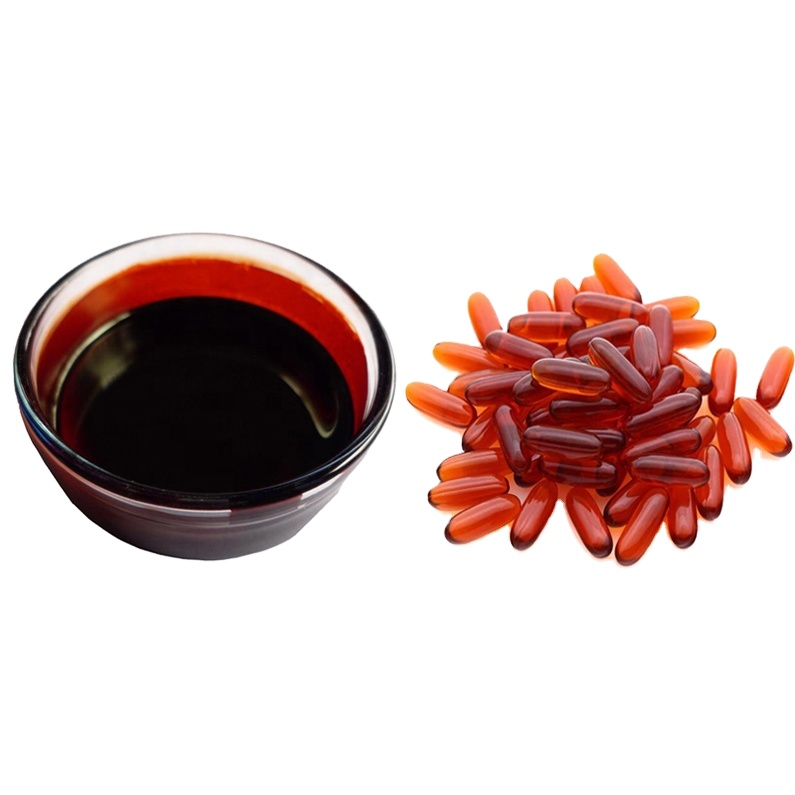
▸How does botanical astaxanthin oil perform compared to synthetic red food dyes in local rums?
Unlike Red 40, which produces a flat artificial tint and faces growing consumer resistance, natural astaxanthin and anthocyanin extracts offer authentic, rich hues ranging from warm ruby to deep berry. In spirits and cordials, we recommend micro-encapsulated water-dispersible grades to prevent phase separation across varying proof percentages.
▸What are the payment and lead-time terms for shipments delivered to Santiago de los Caballeros?
We support T/T bank transfer, confirmed Irrevocable Letters of Credit (L/C at sight) for multi-ton contracts, and secure digital payment methods for pilot samples. In-stock products dispatch within 3–5 working days from our Xi'an central warehouse. Ocean freight transit to Dominican ports typically spans 28 to 35 days.
Accelerate Your Clean-Label Transition in the Cibao Market
Whether you require multi-ton supplies of standardized botanical pigments for beverage bottling, spray-dried fruit bases for dairy processing, or nootropic extracts for export manufacturing, our technical engineering team is ready to evaluate your target formulation.